

Whole foods are gaining ground as shoppers rethink highly processed meals
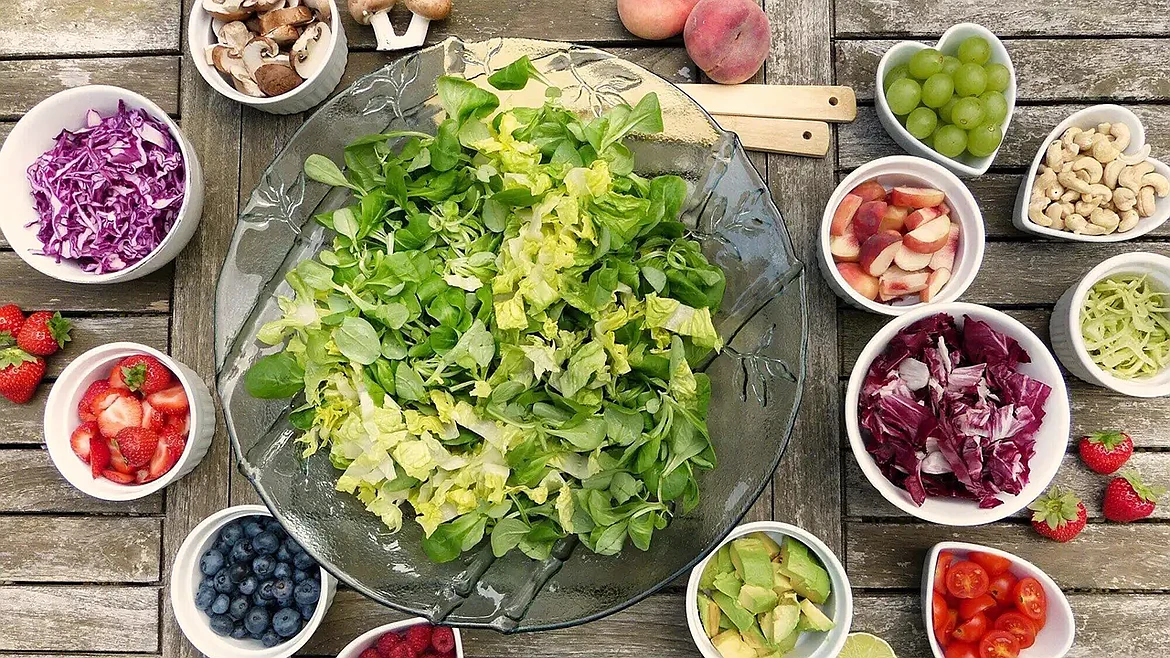
Some easy ways to use whole foods in your daily life are to build meals around one simple whole-food ingredient and keep ready-to-eat ingredients in the kitchen. You can also upgrade familiar meals with extra produce and make simple swaps when you shop.
The Institute for Healthcare Policy & Innovation reports that the average American gets more than half of their daily calories from ultra-processed foods. Not only are these foods not very nutritious, but they can also be addictive, and this can lead to overconsumption.
Many people are becoming more aware of things like gut inflammation and gut bacteria imbalance, so they're reevaluating what they're putting into their bodies. For this reason, whole foods are getting the spotlight.
What Are Whole Foods?
Whole foods are foods that stay as close to their original form as possible, which means that they've gone through relatively little processing. They include:
- Fresh or frozen vegetables
- Fruits
- Beans
- Lentils
- Whole grains
- Nuts
- Seeds
- Eggs
- Fish
- Unprocessed cuts of meat
Do note that just because foods are processed doesn't necessarily mean they're undesirable. For example, the following can actually make foods safer and more convenient, all without changing the nutritional character too much:
- Freezing
- Chopping
- Drying
- Fermenting
- Pasteurizing
The important thing is that whole foods retain their natural combination of nutrients, fiber, and other compounds.
What Are Easy Ways to Use Whole Foods in Daily Meals?
Now that you know what whole foods are, you may be interested in incorporating them more into your diet. Here are some meal prep ideas that can make it easier to do so.
Build Meals Around One Simple Whole-Food Ingredient
If you're dealing with things like brain fog or low energy, you can still use whole foods without too much work. The best way to do this is by choosing one ingredient as the starting point for each meal.
Don't look for elaborate recipes that'll wear you out; just begin with something simple like a baked potato or brown rice. You can then add a few complementary ingredients based on what you already have in your kitchen.
By doing this, you won't have as much pressure to cook from scratch every time. In addition, leftovers will be easier to use since individual ingredients can be mixed and matched.
Keep Ready-to-Eat Ingredients in the Kitchen
Convenience doesn't necessarily mean relying on heavily formulated meals. You should keep a few whole-food ingredients ready to eat in the house, as you can then make healthier choices when time is limited.
For example, you can do the following:
- Wash and cut vegetables when you bring them home
- Prepare a batch of grains
- Hard-boil eggs
- Cook beans and lentils ahead of time
Consider getting frozen vegetables and fruit, too, as they don't need much prep and can be stored for longer periods. The goal is to reduce the number of steps between feeling hungry and having something nutritious to eat.
Upgrade Familiar Meals With Extra Produce
The beauty of eating whole foods is that you don't need to completely change up your favorite meals to do so. For instance, you can look for opportunities to add fruits or vegetables to the dishes you already make, or you can stir vegetables into pasta sauce.
The following are very adaptable because additional produce can be incorporated without changing the basic structure of the meal:
- Soups
- Curries
- Grain bowls
- Casseroles
For more inspiration, this healthy superfoods guide for everyday eating can help you create nutritious meals without exerting yourself too much.
Make Simple Swaps When You Shop
Each time you go to the grocery store, make small substitutions; this can make it easier than a complete dietary overhaul. Here are some simple swaps you can make:
- Whole-grain bread instead of highly refined bread
- Plain yogurt and fruit instead of pastries
- Unsalted nuts instead of salted nuts
We mentioned earlier that frozen fruits and vegetables can be good, but so can canned options. Just make sure they have little added sodium, and that you rinse them before use when appropriate.
To make meal planning even easier, shop around a few staple ingredients. You can choose a few fruits, vegetables, protein sources, and grains you actually enjoy.
Frequently Asked Questions (FAQs)
What Are the 5 Most Processed Foods to Avoid?
While there may not be a universal list, there are still some foods that are worth limiting because they can be high in added sugars, sodium, saturated fat, or refined carbohydrates, and they're low in nutritional value, too. Five you should consider include:
- Sugary breakfast cereals
- Processed meats (e.g., hot dogs and some sausages)
- Packaged pastries and doughnuts
- Sugar-sweetened soft drinks
- Heavily formulated snack foods (e.g., cheese-flavored chips)
It can be beneficial to check the nutritional label, as that's more helpful than just judging a food by its packaging. You don't have to completely eliminate these foods either; it's good to just reduce reliance on these foods.
What Is the Biggest Food Trend Right Now?
One of the biggest food trends right now is the focus on high-protein, minimally processed eating. People want meals that are not only nutritious, but also convenient and have recognizable ingredients.
They're also more interested in fiber-rich foods, such as:
- Beans
- Lentils
- Whole grains
- Fruits
- Vegetables
What's most interesting is that many people don't just follow a single viral ingredient. What they're doing instead is combining several, such as protein-rich breakfasts and vegetable-forward meals.
What Are Three Foods Cardiologists Say Not to Eat?
Each cardiologist will probably have their own list of off-limit foods, but in general, they advise their patients to limit dietary patterns and food categories associated with excess sodium, added sugars, saturated fat, and highly processed ingredients.
Common examples include:
- Processed meats: Bacon, hot dogs, and some deli meats
- Sugar-sweetened beverages: Regular soda and other beverages with lots of added sugar
- Foods containing large amounts of saturated fat: Fatty meats, butter-heavy dishes, and some desserts
Make Your Diet Better With Whole Foods
Whole foods have many health benefits, and you don't have to completely redo your diet to enjoy them either. If you follow our advice, then you can slowly replace unhealthier options with whole foods, all without going through a massive and sudden change.
For more articles like this one, keep reading the rest of our website.
This article was prepared by an independent contributor which helps us continue delivering quality content to our audiences.