CONTRIBUTED CONTENT: Hashimoto’s: Understanding what’s behind autoimmune thyroid disease
Hashimoto’s is usually described as a thyroid disorder, but the thyroid is rarely the only system involved. By the time antibodies rise and hormone production declines, the gland may have been sustaining damage for years. Hashimoto’s represents an autoimmune phase in which inflammation, nutritional deficiencies, metabolic stress, environmental exposures, and inadequate repair have converged on vulnerable thyroid tissue. It is a condition of a variety of insults catching up.
The thyroid belongs to a larger endocrine network. The hypothalamus evaluates the need for thyroid hormone, and the pituitary directs production. The adrenal glands shape the stress response. The pancreas controls blood sugar (potentially inflammatory), while the liver and kidneys help activate, process, and clear thyroid hormones. The digestive tract must absorb the nutrients needed to make them. When several systems are struggling, replacing thyroid hormone may improve laboratory numbers, but doesn’t usually correct the conditions behind the decline.
Sleep is important when it comes to improving thyroid function. When sleep is poor, cortisol, insulin and other hormones are more difficult to stabilize and it can increase inflammatory burden.
The diet is supposed to supply all the raw materials for thyroid function. Protein provides needed amino acids. Healthy fats support cell membranes, hormone communication and manufacture, and absorption of fat-soluble nutrients. Iron, iodine, selenium, zinc, magnesium, vitamins A and D, and B vitamins contribute to thyroid production, conversion, protection, or cellular response. Sugar, refined carbohydrates, processed foods, and excess caffeine can displace nutrients, destabilize organ function, impair sleep, and create repeated metabolic inflammation and stress.
Iodine can be a tender topic. The thyroid cannot make hormones without it, so iodine is necessary and not automatically “forbidden.” However, care must be taken to not over-do it.
Environmental toxins also matter. Mercury, lead, cadmium, and other exposures have been associated with altered thyroid hormones, thyroid antibodies, and interference with thyroid-related enzymes. Chronic infections, digestive inflammation, poor liver, pancreas and adrenal function, and reproductive hormone changes may add further stress.
Acupuncture can play a substantial role because treatment is not limited to the thyroid. Acupuncture treatment can help reduce local swelling or tenderness, supports digestion and nutrient assimilation, improves liver processing and sleep, stabilizes energy and blood sugar patterns, and strengthens coordination among the hypothalamus, pituitary, thyroid, adrenals, pancreas, and reproductive systems. Clinical experience has long shown these broader benefits, while research continues to explore acupuncture’s ability to improve symptoms, quality of life, thyroid function, and antibody levels.
Hashimoto’s is not one isolated gland malfunctioning. It is a whole-body condition requiring a whole-body investigation. The goal is not merely to replace what the thyroid can no longer produce, but to identify why the system became vulnerable and support the body’s Innate Intelligence which knows how to normalize thyroid function.
Want to explore this topic further? Listen to Ep 7, “Understanding Your Thyroid & Its Role in Your Health,” and Ep 136, “The Thyroid and Lab Tests,” on the VitalHealth4You podcast. Find VitalHealth4You on your favorite podcast app or visit vitalhealthcda.com/podcasts/
• • •
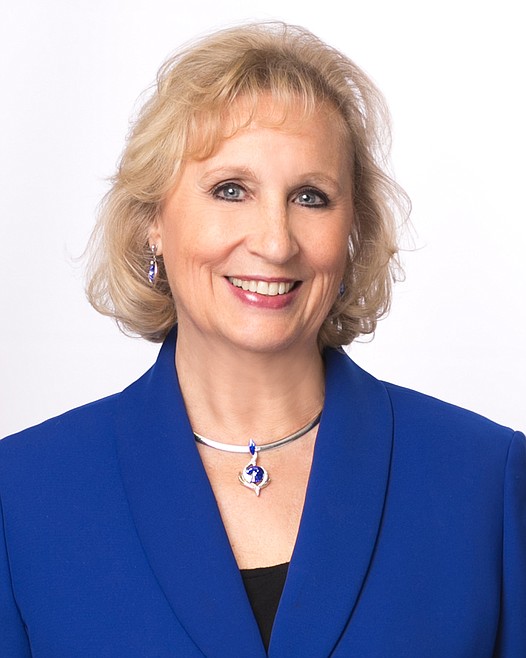
Holly Carling is a Doctor of Oriental Medicine, Licensed Acupuncturist, Doctor of Naturopathy, Clinical Nutritionist and Master Herbologist with over four decades of experience. Holly is a “Health Detective.” She looks beyond your symptom picture and investigates WHY you are experiencing your symptoms in the first place.
Holly is currently accepting new patients and offers natural health care services and whole food nutritional supplements in her Coeur d’Alene clinic. Visit her website at www.vitalhealthcda.com to learn more about Holly, view a list of upcoming health classes and read other informative articles.
Holly Carling can be reached at 208-765-1994 and would be happy to answer any questions regarding this topic.