
Discover how off-road caravans can change the way you explore the outdoors
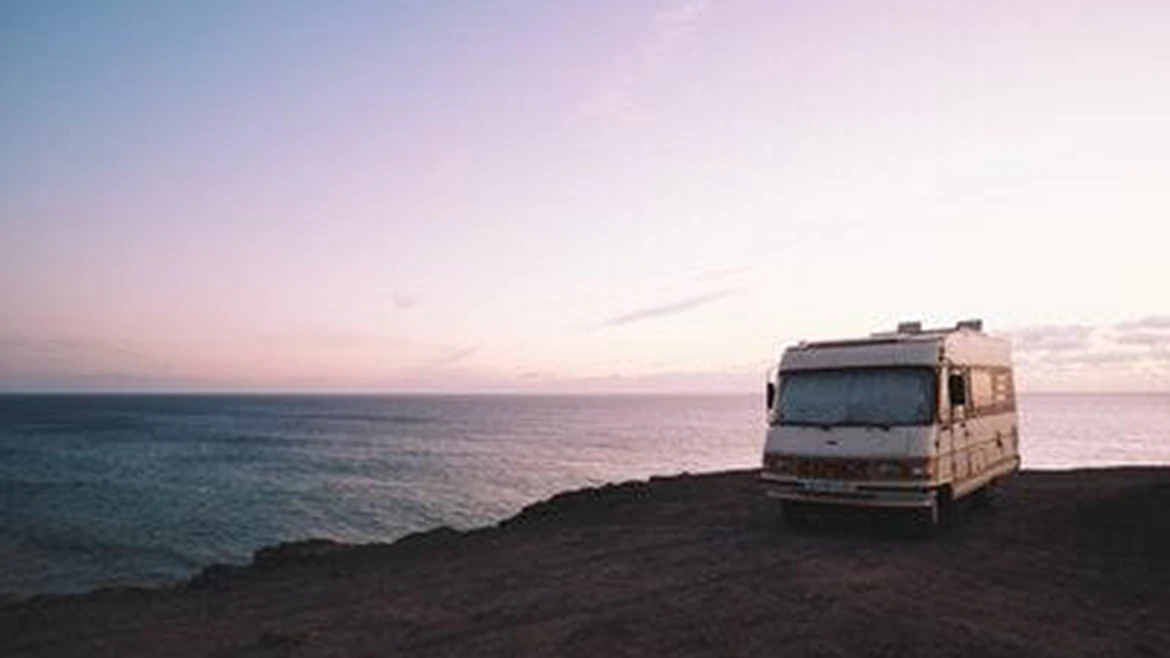
Off-road caravans let travelers tow a fully equipped, self-contained shelter into places a standard caravan can't reach (sandy tracks, gravel forest roads, remote bushland) while still having a bed, kitchen, and water supply once they arrive. Reinforced chassis, raised clearance, and off-grid solar systems turn a weekend trip into a week away from crowded caravan parks.
That pull toward nature already shows up in the numbers: spending time in nature is a top motivator for 57% of U.S. RV owners, according to the RV Industry Association. Off-grid camping is gaining traction among these same adventure-driven travelers, and the caravan they tow decides how far off the grid they can actually go. The right build turns a rough access road into a driveway.
What Makes Off-Road Caravans Different From a Standard Caravan?
A standard caravan usually sticks to paved roads and maintained campgrounds. That's fine for a lot of trips, but it limits where you can actually go.
Off-road caravans use a stronger frame, higher ground clearance, and tougher suspension to handle gravel, sand, and bumpy tracks. These features often let you travel routes that would wreck a standard rig within a few miles.
People often compare camper trailers to off-road caravans, since the two share features like compact size and rugged tires. Still, a camper trailer usually needs more setup time. An off-road caravan, meanwhile, keeps sleeping and cooking areas ready to use right away.
Before buying, it's worth checking what your tow vehicle can actually handle. Towing equipment matters just as much as the caravan itself, since a mismatch between the two might cause problems on rough terrain.
Matching the right hitch, brakes, and suspension setup to your vehicle is honestly worth the research, especially if you're shopping for all your caravanning accessories at once.
Reach More Remote Destinations
Off-road caravans open up places a standard rig just can't reach. Gravel forest roads, quiet desert tracks, and secluded lakesides all become fair game once you've got the right setup.
The real shift comes down to choice. You gain a bit more say in where you stop for the night, and that changes the whole trip.
Off-road setups typically make several types of terrain more accessible:
- Remote beaches with no formal camping sites
- National forest clearings away from marked trails
- Desert tracks that require higher ground clearance
- Backcountry lakes with limited road access
Travel With Greater Independence
Off-grid travel becomes pretty realistic once your caravan carries its own electricity and water. Solar panels, batteries, and larger water tanks mean you don't need a powered site or a nearby town to get by.
That kind of setup sometimes lets you stay put for days at a time instead of packing up every morning. You can skip crowded parks, travel beyond phone signal, and change your plans without losing a reservation.
Self-sufficiency still comes with real limits, though. Water, fuel, and food run out eventually, so a solid plan for resupply matters just as much as the gear itself. Isolated areas can naturally make repairs or emergencies harder to handle, so it pays to think ahead before heading somewhere remote.
Why Choose Comfort Without Sacrificing the Wild?
Comfort used to mean staying near a campground with hookups and a real bathroom. An off-road caravan actually changes that trade-off, letting you bring real comfort into places that used to mean roughing it.
Depending on the model, you might get a full kitchen, a proper bed, heating, and room for your camping gear. That shift can sometimes turn a rough weekend trip into a full week away, especially for people who don't love tent camping.
A well-equipped off-road caravan typically includes several extras that make remote stays easier:
- Insulated walls for hot or cold climates
- Built-in water filtration systems
- Awnings for extra shaded outdoor space
- Secure storage for bikes or kayaks
Build a More Flexible Itinerary
An off-road caravan works as a base camp rather than a place you unpack and repack every day. You basically set up once, then use your tow vehicle for day trips, hikes, or fishing runs without breaking down the whole campsite.
That setup fits well with outdoor adventure travel, where plans often change based on weather or how a trail looks that day. You can usually stay longer when conditions are good, or move on quickly if a site gets crowded.
This kind of flexibility is one of the bigger differences between caravan travel and trips organized around hotels or fixed parks. Spontaneous decisions become pretty easy when your home base can move with you.
Frequently Asked Questions
How Much Can an Off-Road Caravan Weigh?
Weights vary a lot depending on size and features, but many off-road caravans fall somewhere between 3,500 and 6,000 pounds unloaded. Always check your tow vehicle's rated towing capacity before buying, since going over that limit can strain the engine and brakes.
Do Off-Road Caravans Need Special Insurance?
Some insurers offer specific policies for off-road or all-terrain caravans, since standard coverage doesn't always account for rougher use. It's worth asking your provider directly, as coverage and pricing can vary quite a bit between companies.
Can Beginners Handle an Off-Road Caravan?
First-time owners can definitely manage an off-road caravan, though a practice trip on easier terrain helps build confidence early on. Many dealers and rental companies offer basic towing lessons for new owners, too.
How Long Does It Take To Set Up Camp?
Setup time depends on the caravan's features, but most off-road models take between 15 and 30 minutes to level and prepare. Simpler setups with fewer systems tend to be quicker, especially once you've done it a few times.
What This Means for Your Next Trip
Off-road caravans change how far outdoor travel can go, giving drivers a mobile base that reaches gravel tracks, forest clearings, and coastlines a standard caravan can't touch. Reinforced suspension, solar power, and onboard water and waste systems let travelers stay longer in one spot and skip crowded caravan parks altogether.
None of that replaces careful planning around towing weight, terrain, and supplies, but it does turn short weekend trips into extended stretches spent away from the usual routes. For travelers ready to slow down and see more of the country, the right setup makes that possible. Browse more articles on our website for additional insights.
This article was prepared by an independent contributor which helps us continue delivering quality content to our audiences.