

To plant or not to plant: The fall garden question
Candace Godwin
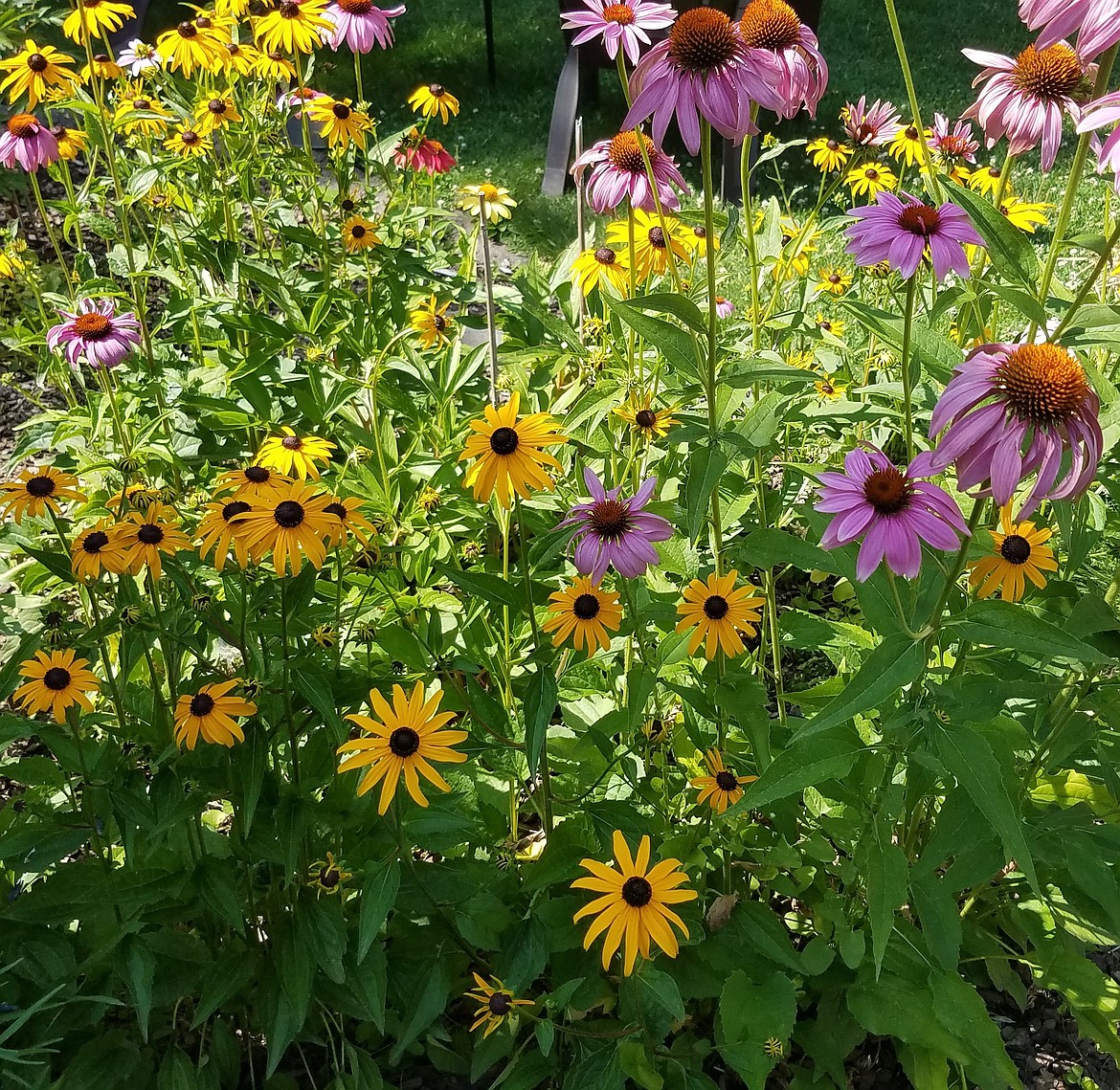
The garden seems to come alive again in the fall — especially after a long, hot summer!
Photos by CANDACE GODWIN
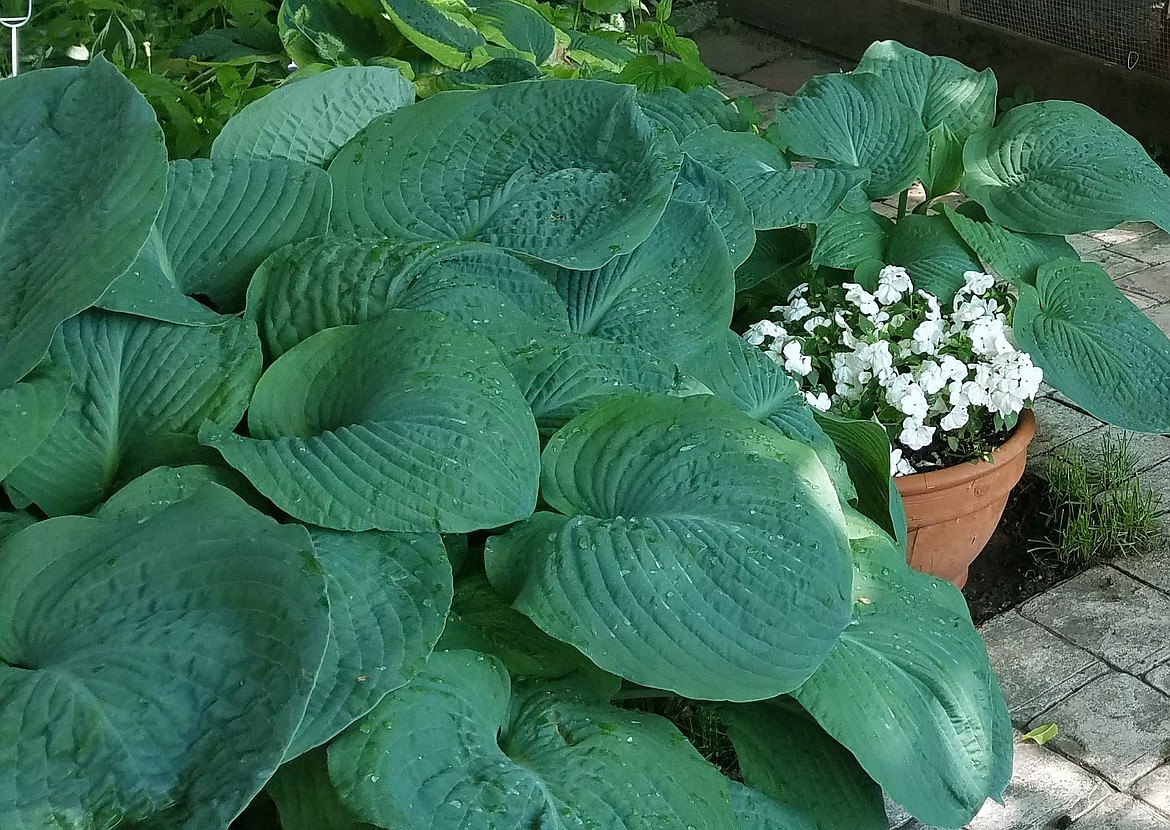
Dividing perennials is an excellent way to manage plant size. This ‘Sum and Substance’ hosta is taking over the garden.
Photos by CANDACE GODWIN
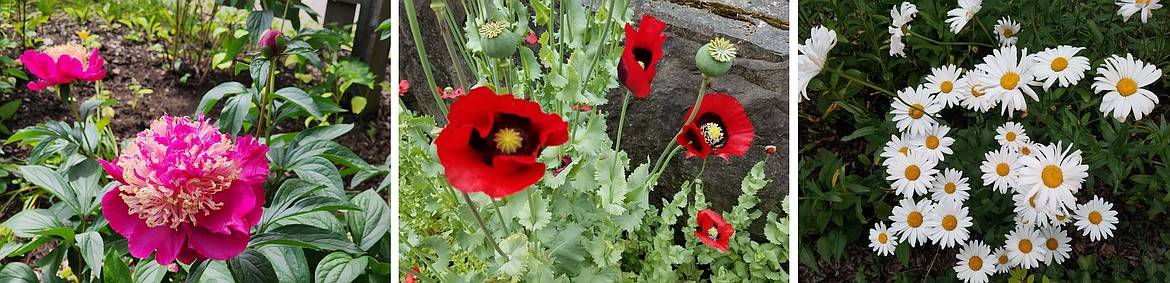
Spring- and summer-blooming perennials, like peonies, Oriental poppies, and Shasta daisies, are good candidates for fall planting.
Photos by CANDACE GODWIN
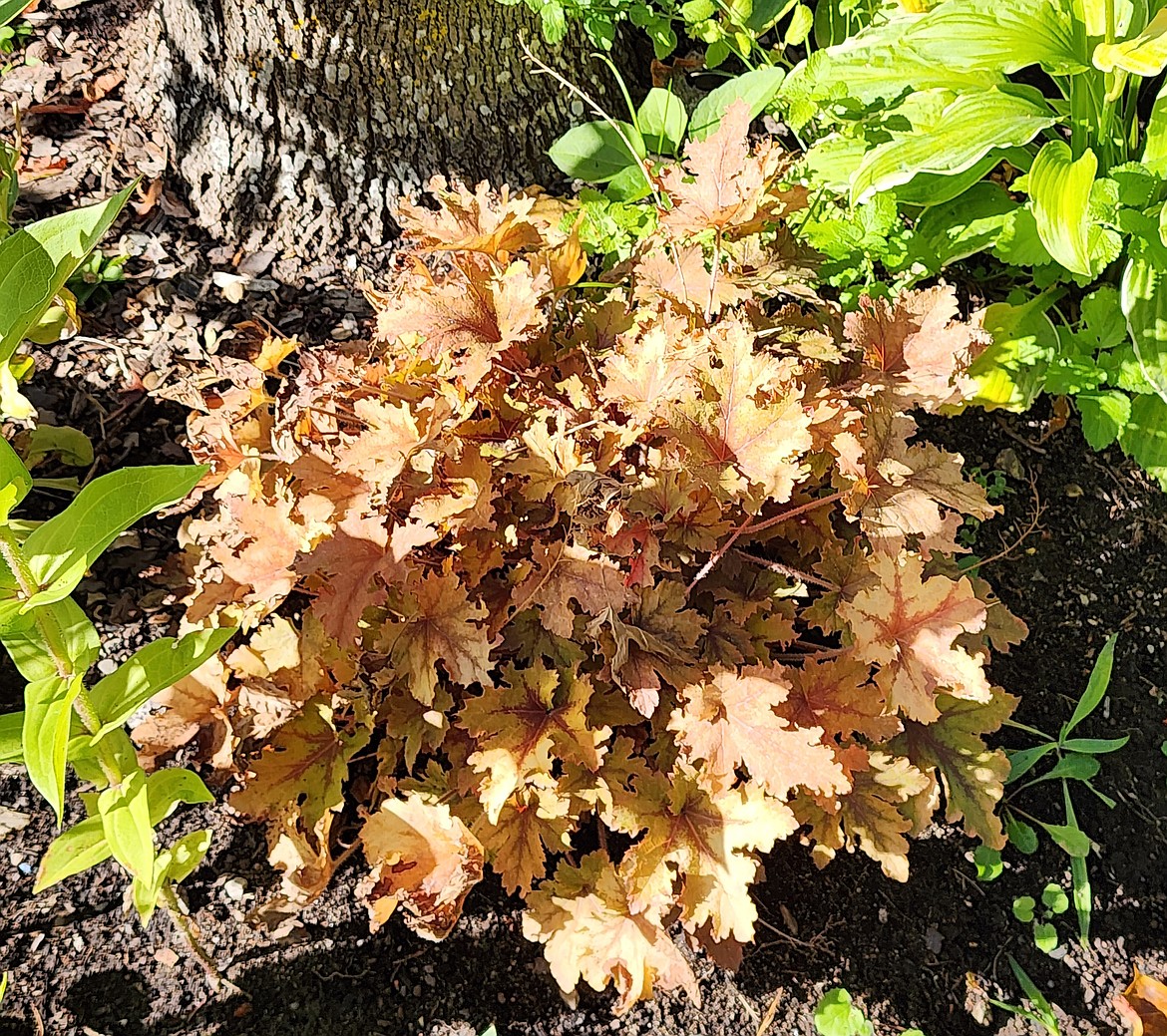
Coral Bells (Heuchera) can be susceptible to frost heaving when newly planted and may be better planted in spring.
Photos by CANDACE GODWIN
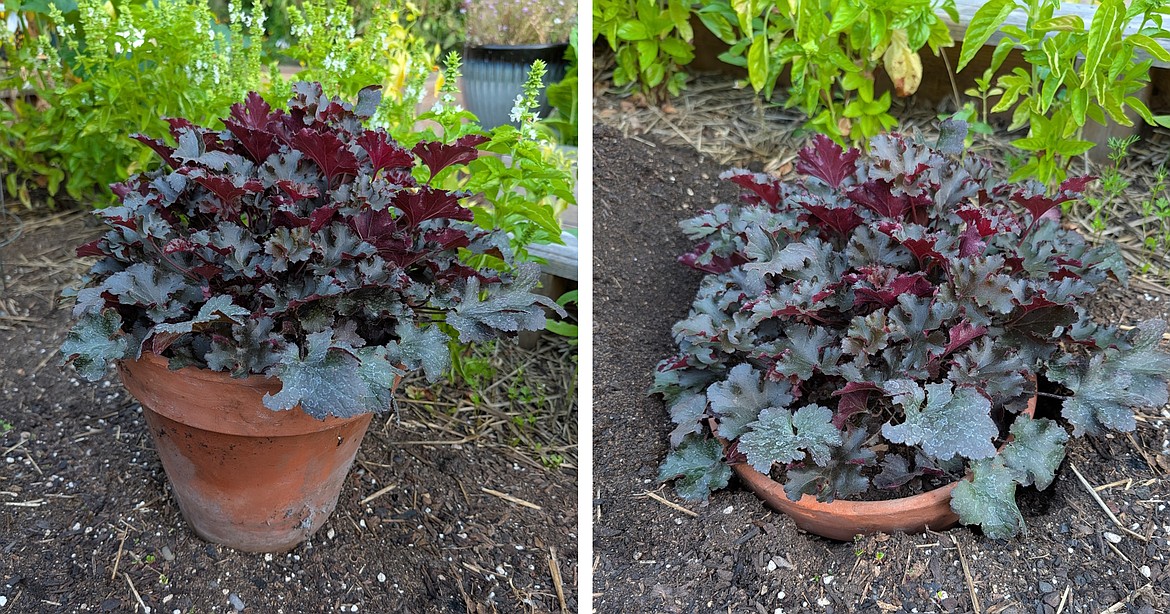
If fall planting isn’t possible, heel the plant in, bringing the container level to the soil line, mulch well, and plant in the spring.
Photos by CANDACE GODWIN
Fall is one of my favorite times in the garden. With cooler temperatures prevailing, the garden seems to get a refresh, we get a refresh, and working outside is once again appealing.
For many perennials, trees, and shrubs, fall is an ideal planting time — but “fall” isn't a single set of growing conditions, especially in our short-season climate.
Before grabbing your spade and a wheelbarrow full of perennials, let’s consider what can be planted now, what has enough time to establish before the ground freezes, and what might be better left for spring.
Why Plant in Fall
It may seem counterintuitive, since the days are becoming shorter and cooler, but planting in fall can be very beneficial for perennials; often, those planted in the fall have a head start over perennials planted in the spring.
To begin with, general plant stress is lower in fall. The soil remains warm, and plants can establish without contending with summer heat or spring’s often unpredictable conditions.
Fall typically brings more rainfall, and competition for nutrients, water, and light is reduced as many annual plants and weeds die off.
The most significant benefit comes from root growth. In fall, most perennials have finished blooming, while roots can continue growing in the still-warm soil, helping plants enter spring better established.
However, those advantages only matter if the plant has enough time to establish its roots before the ground freezes.
What Makes a Good Fall-Planting Candidate?
Before loading your wheelbarrow with perennials, it’s best to evaluate what you’re planting — not all perennials are equal. Consider the plant type, its hardiness and condition, and, most critically, how much time remains before the ground freezes.
Cold-hardy perennials, such as peonies, coneflowers, and hostas, along with deciduous trees and shrubs, can be good candidates for fall planting.
Ensure the plant you’re considering is reliably hardy in our climate — this is where USDA Plant Hardiness Zones come into play. Our region ranges from Zones 5a to 6b, depending on location. These zones are based on average annual extreme minimum winter temperatures — roughly 0 to -20 degrees across the zones — and help indicate whether a perennial is cold-hardy enough for our winters.
Then consider the plant’s condition. A healthy, well-rooted nursery plant is very different from a stressed, root-bound clearance plant that's been in a pot since April.
Yes, year-end clearance sales at the nursery are enticing, but keep in mind that a 50%-off perennial isn't a bargain if it doesn't survive the winter.
Finally, and most importantly, does the plant have enough time to establish before the ground freezes? Most perennials need about four to six weeks to establish their roots. There is a significant difference between planting in mid-September and planting in late October in our region.
Here’s an important distinction between plant dormancy and establishment: A perennial may appear to have gone dormant for the season, but its roots can continue growing as long as the soil remains sufficiently warm.
That's exactly what we want from a fall planting — time for roots to take hold in the surrounding soil before winter. A perennial planted too late in the season may be dormant but may not become established.
When Fall Planting Isn't the Best Choice
While I am a strong advocate for fall planting, it isn’t always the best time to plant. In some cases, it may be better to hold off until spring.
This is especially true for late-fall purchases when hard freezes are imminent or for plants that are stressed or unhealthy. Keep in mind, a deeply discounted and unhealthy plant may be a poor investment.
If you have a healthy potted perennial you can't plant in its permanent location before winter, one option is to heel the container into the ground in a protected location. Dig a hole large enough for the pot, set the container at soil level, and mulch around it to protect the roots. Plant in the spring when conditions are favorable.
For marginally hardy, tender, or slow-to-establish perennials, such as lavender, coral bells, and Japanese anemone, spring is the safer planting window.
If the planting site has winter drainage problems, wait — plants need good drainage.
Divide and Conquer
If you have an established perennial bed, digging and dividing perennials in the fall is a great way to keep your plants healthy and add more plants to your garden.
Perennials can become less vigorous and produce smaller blooms after a few years in the garden. Some may develop a bald spot in the center of their crown or become leggy; others may simply have outgrown their allotted space. All of these are signs that your plants may be ready to be divided.
Dividing perennials can improve performance because the roots have more space to grow and absorb nutrients — and it’s an effective way to manage plant size (especially useful for ‘Sum and Substance’ hostas!).
When dividing or transplanting, hydrate the plants beforehand and, if possible, choose a cool, cloudy day. Divide into sections with healthy roots and shoots, replant promptly, and water well.
How Late Is Too Late?
As mentioned, perennials typically need several weeks to establish roots, and the goal is to give them that window before the ground freezes. But frost dates are guidelines, and hard freezes are unpredictable.
Calendar dates aren’t the only factor in fall planting. Soil temperature, weather, elevation, exposure, and the plant itself matter.
A frost doesn’t necessarily mean planting season ends instantly — there’s a big difference between frost on plant leaves and frozen soil. But there's a point when we're no longer “fall planting”; we're asking a plant to survive winter before it has established. That’s when it stops being gardening and becomes a gardening experiment.
Don't Forget the Water
Just because fall weather is cool and damp doesn’t mean new plants stop needing water. Roots need adequate moisture while establishing, and newly planted perennials shouldn't enter winter drought-stressed.
Once planted, water thoroughly and add a layer of compost if desired. Mulch helps moderate soil temperature fluctuations and reduce frost heaving, but don’t bury plant crowns. Finally, skip the fertilizer — stimulating tender new top growth isn’t the goal as winter approaches.
To Plant or Not to Plant in Fall
Planting in fall isn’t about rushing to fill every empty garden space before winter. It’s about taking advantage of the fall window of warm soil, cooler air, and enough time for roots to establish.
Fall can truly be “the new spring” for planting. The trick is knowing which plants will benefit from a head start — and which ones are better left for next spring's wish list.
• • •
Candace Godwin is a certified Idaho Master Gardener, garden consultant, writer, and owner of The Coeur d’Alene Coop (thecoeurdalenecoop.com), a licensed nursery offering seasonal online plant sales.
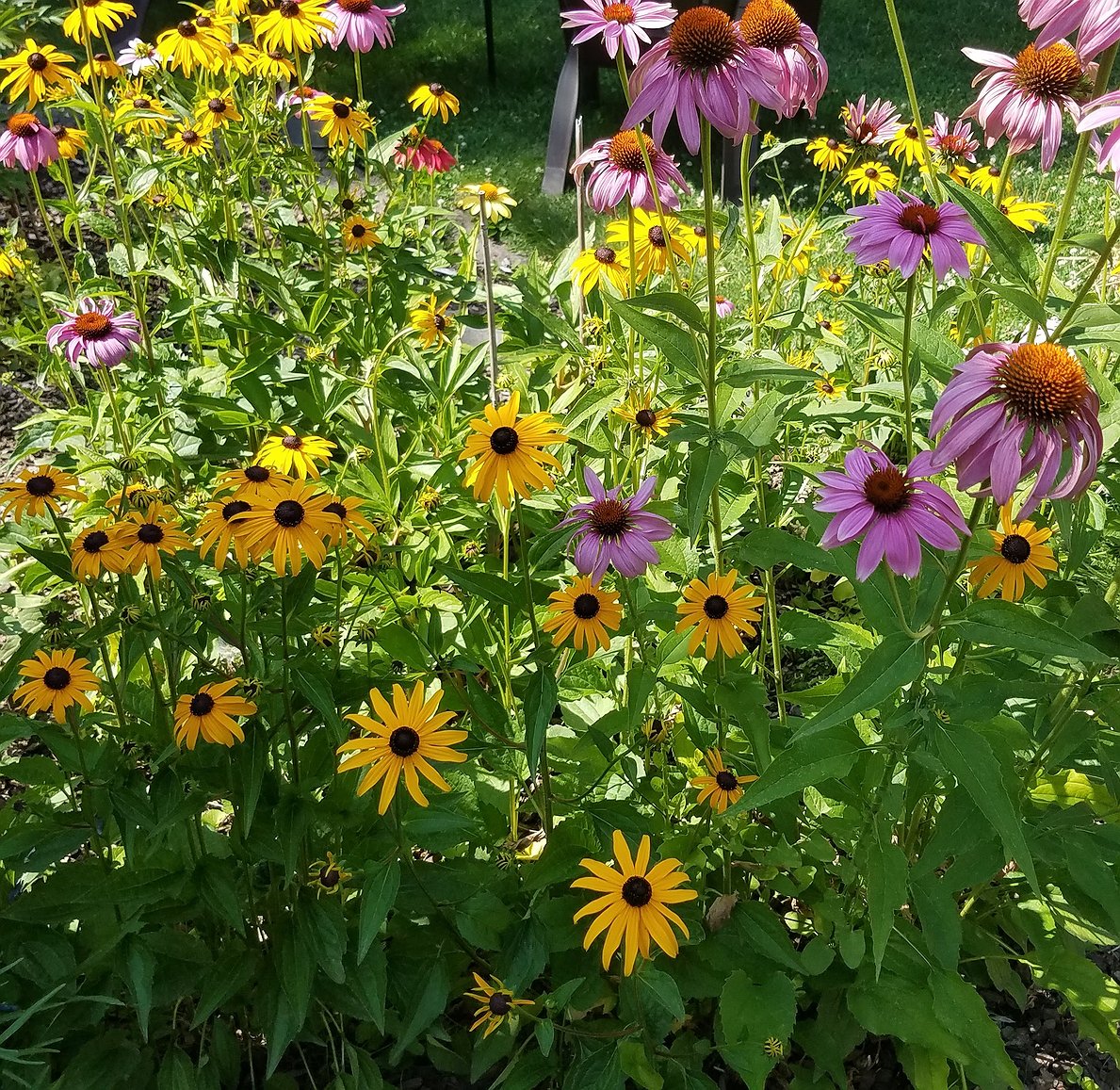 The garden seems to come alive again in the fall — especially after a long, hot summer!
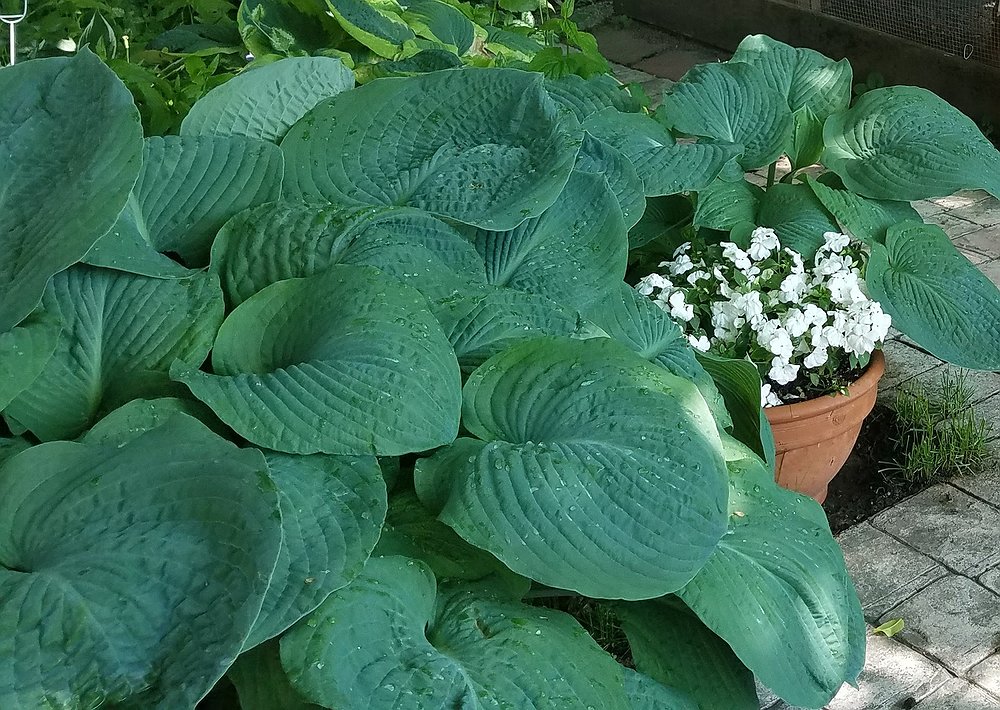 Dividing perennials is an excellent way to manage plant size. This ‘Sum and Substance’ hosta is taking over the garden.
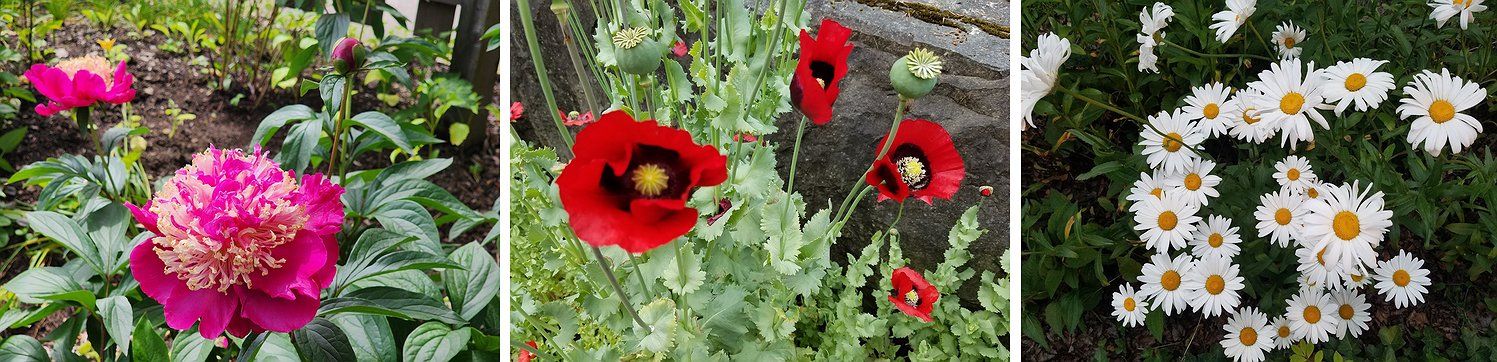 Spring- and summer-blooming perennials, like peonies, Oriental poppies, and Shasta daisies, are good candidates for fall planting.
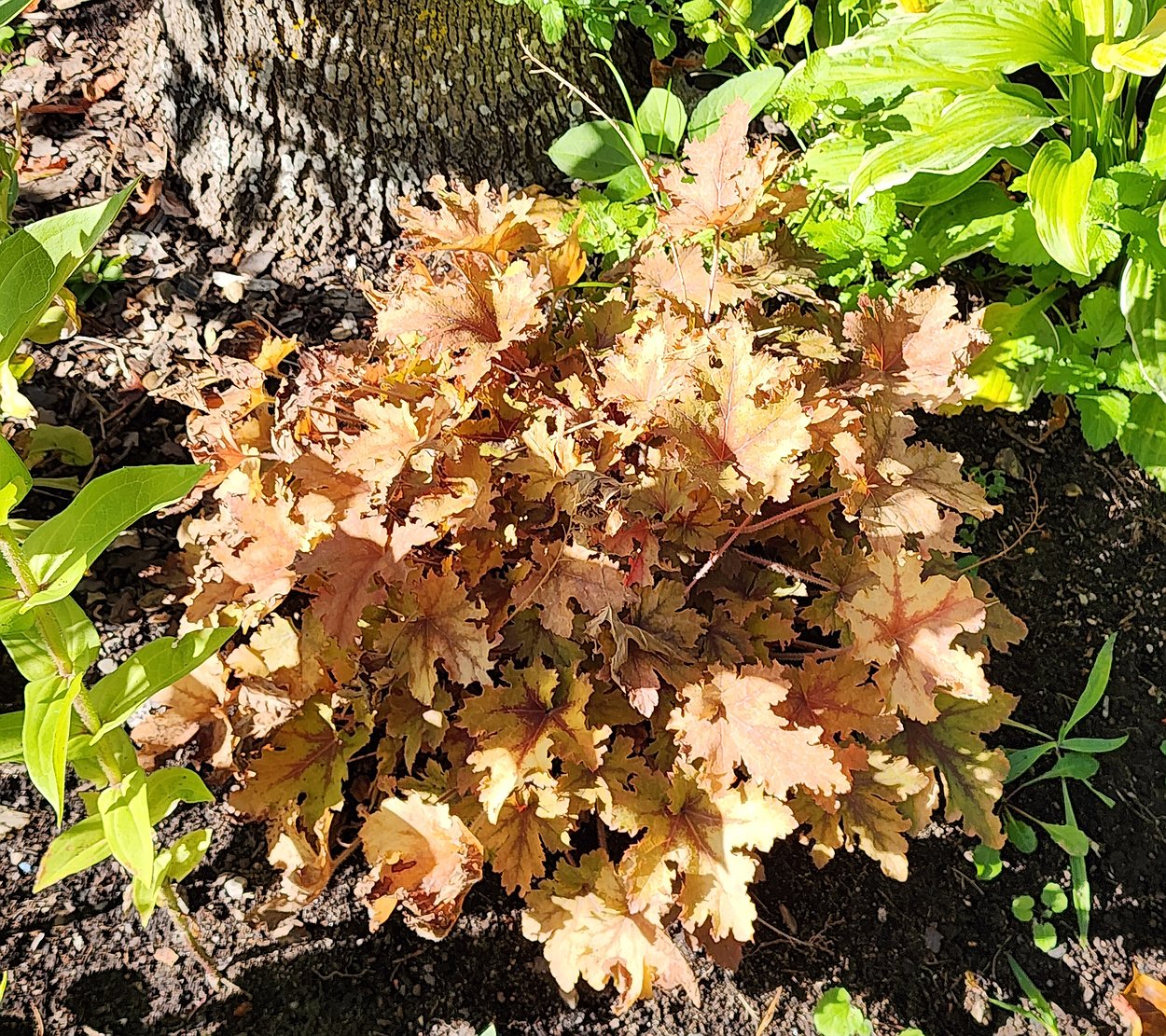 Coral Bells (Heuchera) can be susceptible to frost heaving when newly planted and may be better planted in spring.
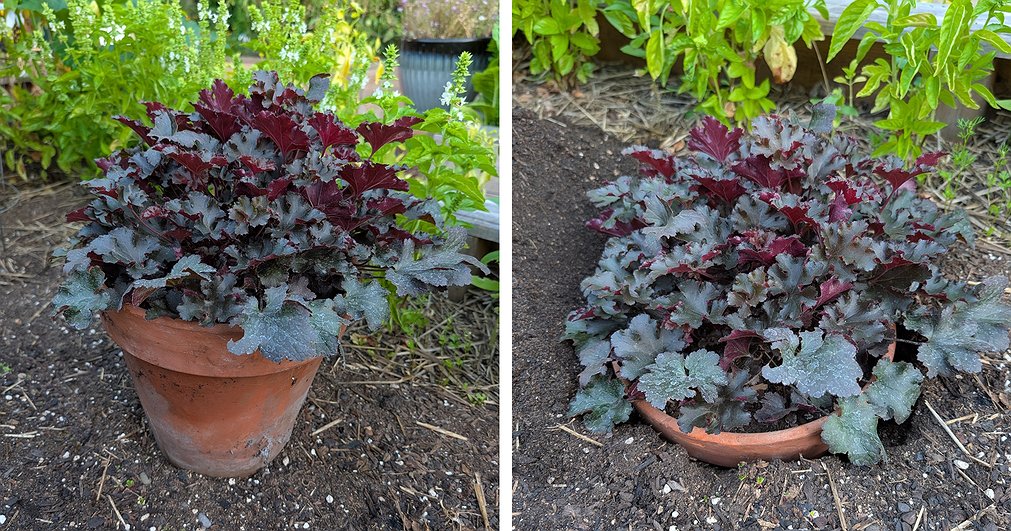 If fall planting isn’t possible, heel the plant in, bringing the container level to the soil line, mulch well, and plant in the spring.