
Here is how small business owners can optimize a small warehouse space for peak operational performance
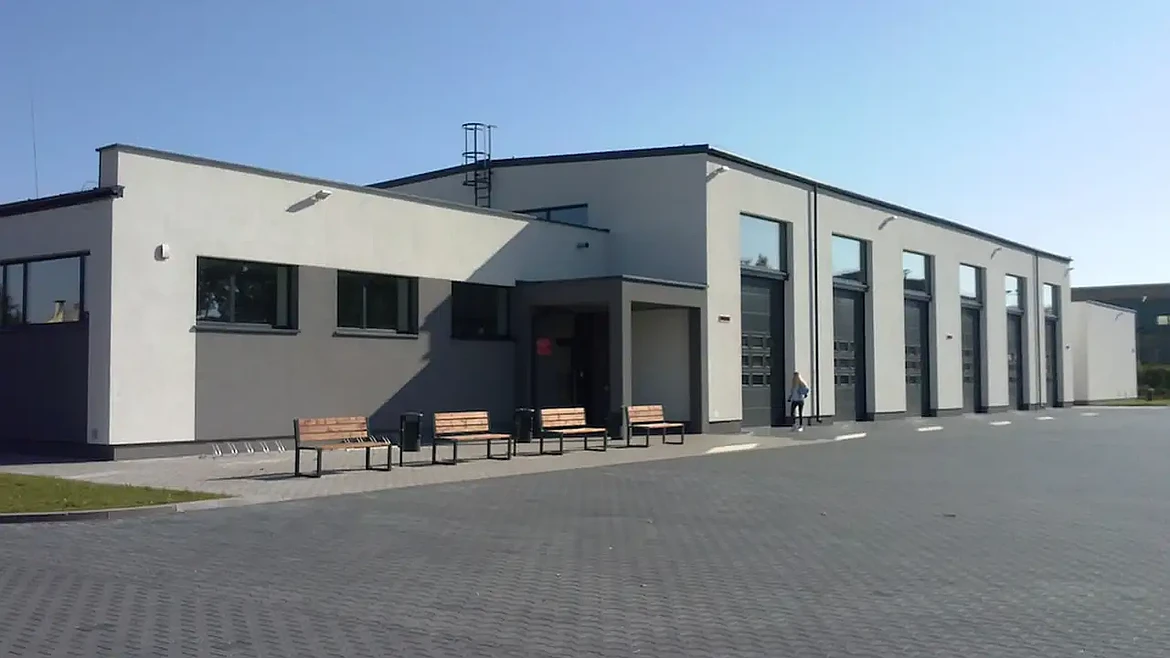
Running a small warehouse may require more creative ways to maximize storage footprint by using more vertical space, creating innovative inventory workflows, and adopting more digital tracking systems. Consider aisle management, flow patterns, and try to create distinct zones for each task type, from receiving to packing.
The warehouse automation market is currently at a $30 billion valuation, according to Warego. Proper commercial storage and shipment are essential to the local and National economy, as it affects a range of products from food to clothing. If your warehouse is part of this economy, you provide a vital service and should ensure optimal workflow to avoid delays and customer dissatisfaction.
How Can a Small Warehouse Better Utilize Layout?
If space permits, create operational zones that can separate your small warehouse into clear areas for:
- Storage
- Receiving
- Picking
- Packing
- Shipping
The ideal facility layout for a small warehouse is a U-shaped or L-shaped design.
A U-shaped layout means shipping and receiving docks can both be on the same side, permitting them to share staff and equipment.
Under an L-shaped configuration, your inbound and outbound docks are on adjacent sides. Here, you can move goods in one clean direction and avoid having bottlenecks.
In this scenario, going vertical is your friend. Manufacturers can install tall racking systems to enhance your storage capacity instead of everything taking up floor square footage. You can raise or lower your beams to fit short pallets that avoid wasting vertical gaps.
What Key Storage Techniques Are Ideal?
Once you have your shelving and aisle configuration in place, it's time to handle your inventory organization.
If you decide to store by product, group similar items together based on their:
- Characteristics
- Shape
- Type
As a result, you make the workers' job easier since they can quickly identify what they need for faster retrieval.
Consider movement in your storage strategy. Analyze which products go out the fastest and place these high-velocity items closer to your primary aisles and shipping areas. Place them on lower racks since having to get a ladder or other tool to retrieve from too high a reach adds to production time.
Are items broken up into different parts? Take those thin and long parts to store vertically. Further maximize this vertical space by placing long panels, pipes, and bars upright instead of flat. Using this method also helps prevent these tools from warping.
Keep things within easy reach as much as possible, especially when they're frequently used. That's why small warehouses must understand principles of ergonomics. Place items at waist to chest level to make it easier for workers to quickly pick them up and avoid straining and injuring themselves.
If they need tools to pick something up from high, keep them readily available. That way, they don't have to go several aisles over to get an assistive item, such as a ladder or a grab stick.
For safety and reach concerns, store your heavier parts as low as possible. Place them on floor-level pallets or lower shelves.
Make it easy for your workers to find what they need. That can mean making sure each part or product always has a specific location. It can involve giving it a dedicated warehouse address or a SKU number for easy tracking.
What About Irregular Items?
Irregular items often need a little extra visual work for easy identification.
Start by using:
- Color coding
- Clear labels
- Distinct cues for fragility or odd shapes
Use the same approach for anything hard to store.
What Goes Into Operational Efficiency?
Focusing on inventory management is a key step in better operational efficiency. Enjoy faster turnaround and reduced damage risk when workers know where everything is located, with nearby tools for fast retrieval. Look for the right industrial equipment rental solutions, like forklifts that help with handling heavier or bulk items quickly.
This efficiency lowers your labor costs by reducing internal travel time searching for items. You'll please customers by reducing order lead time, which can lead to more orders that keep your operation going.
Cross-Docking
This warehouse strategy involves unloading, sorting, and directly transferring received products to the outbound carrier with little or no long-term warehouse storage. In this case, goods may only be there for a few hours, but no more than 24 hours in the facility, and they don't even go on storage racks.
Frequently Asked Questions
What Are the 5S Principles?
This lean management system is inspired by five Japanese words that translate into five core concepts.
- The first concept is sort, where you remove all unnecessary items and tools from the floor.
- Next is set, where you can arrange the remaining items logically, making them easy to find and return.
- Shine means you clean the area regularly, from floors to racks, which helps spot maintenance issues early.
- Standardized means you create consistent rules and operating procedures.
- Under the sustain principle, there are ongoing audits, training, and worker discipline where everybody makes these habits second nature and part of workplace culture.
Can You Legally Live in a Warehouse That You Own?
Unless your property is officially rezoned and granted specific residential or live- work permits, you can't live in it. Most warehouses are in zones strictly for commercial or industrial use that prohibit full-time living or sleeping.
Being an owner doesn't mean you can override local land-use rules, but some cities make exceptions for a single on-site caretaker or security resident with high restrictions. Since these commercial buildings often lack proper ventilation, fire separation, and egress passageways, there are no required residential features for safety.
Another concern is insurance. Your insurance company can deny coverage or refuse a payout if a disaster, such as a fire or flood, happens in an illegal dwelling.
Small Warehouses Are Doing Big Business
You can run a small warehouse efficiently with the proper layout, storage design, and retrieval tools for workers. Whether you use vertical storage, place things ergonomically for easy self-retrieval, or rely on motorized rentals such as forklifts, operators can keep products coming in and out without a hitch.
If you enjoyed this article, review our website for more relevant content.
This article was prepared by an independent contributor which helps us continue delivering quality content to our audiences.