
5 best diagnostic tools for molecular research labs
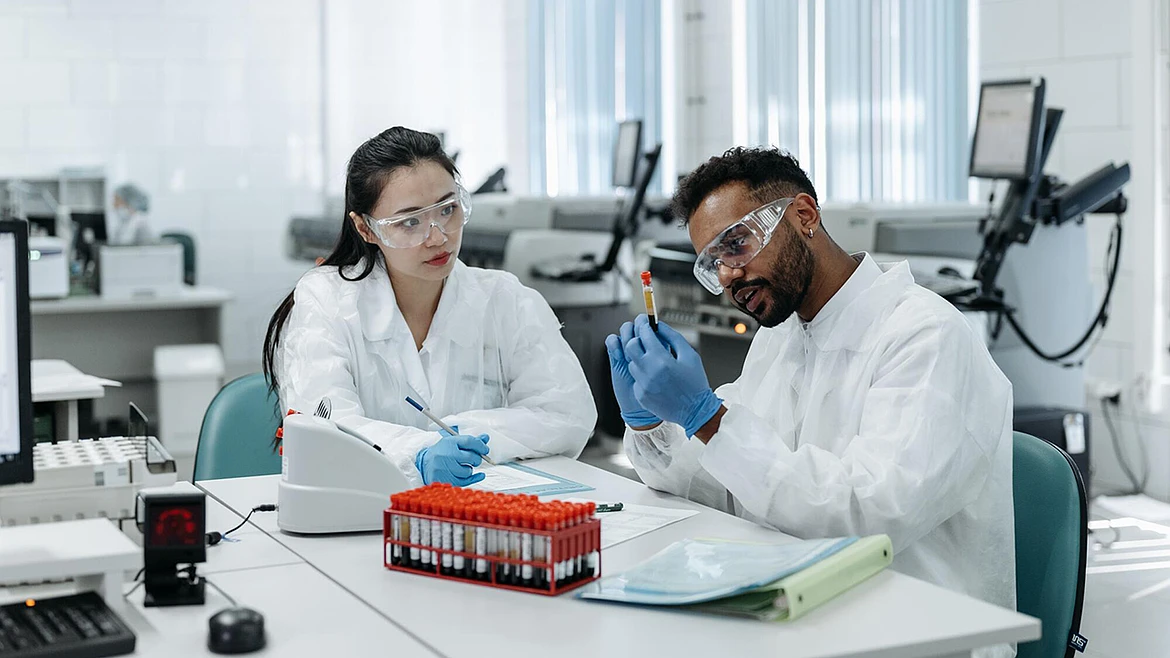
The best diagnostic tools for molecular research labs are Bio-Rad QX200 Droplet Digital PCR, Taudia SPLASH, QIAGEN QIAcuity, Stilla Naica Crystal Digital PCR, and Thermo Fisher QuantStudio. This list is based on sensitivity, multiplexing capacity, and how well each platform fits existing lab equipment.
Core facility managers and principal investigators chase targets that sit at vanishingly low concentrations, and sensitivity decides whether those targets show up in the data at all. Multiplexing stretches precious sample volume across more targets, while equipment fit protects budgets. A proximity ligation assay turns a single binding event into a measurable DNA signal, and that approach now shapes how labs think about detection limits.
How a Proximity Ligation Assay Approach Lowers Detection Limits
Some of the most valuable research targets sit well below what standard tests can detect. Early-stage protein markers and rare gene variants, for example, often appear at concentrations that older methods miss.
A small blood draw might carry a brain-related protein at levels a plate reader often cannot separate from background signal. That gap drives much of the current work in molecular diagnostics.
Researchers have used a proximity ligation assay for protein interaction analysis for about 20 years, since two antibodies must sit close together to produce a signal, as Klaesson et al. (2018) in Scientific Reports describe. That design turns one binding event into DNA that polymerase chain reaction (PCR) machines can count very precisely.
Most core facilities already own one of these machines, so the method rarely needs new capital equipment. In other words, protein work gains the accuracy of gene testing.
Practical limits matter just as much as raw sensitivity. A lab that wants new biotechnology innovations still has to fit them into existing bench space, budgets, and staff schedules. A method that needs extra bench space and a new hire often stalls at budget review.
Buyers typically compare these costs before they sign a purchase order:
- Consumables per sample, including plates, chips, or droplet cartridges
- Software licensing fees for data analysis
- Service contract terms for each instrument
- Training time for new staff
Best Overall: Bio-Rad QX200 Droplet Digital PCR
Bio-Rad QX200 Droplet Digital PCR is the best overall platform for absolute quantification, since it is clearly the most cited droplet system in published research. The instrument splits each 20 microliter reaction into about 20,000 droplets and counts the positive ones after heating cycles. That count gives an exact copy number without a standard curve.
A deep library of validated assays makes it one of the more dependable lab testing methods for rare variants and gene-editing checks. The reader handles up to 96 samples per run, and the base system detects just two colors.
If you need many targets in one well, choose QIAGEN below. If you need a proven system with extensive published methods, choose Bio-Rad.
Best for Ultrasensitive Protein Detection: Taudia SPLASH
Taudia SPLASH is the best choice for ultrasensitive protein detection on existing equipment, since it reads out on standard PCR or digital PCR machines. Taudia's Solid Phase Ligation Assay with Single wasH reaches femtogram-per-milliliter sensitivity (quadrillionths of a gram in each milliliter) for markers such as pTau-217 and neurofilament light.
Labs can run up to five or six targets in one well, and NeuXplore automation processes 48 samples in under four hours. If you need protein sensitivity without a new dedicated platform, choose Taudia. If your work covers only DNA or RNA counting, choose a digital PCR system from this list.
Taudia SPLASH typically follows these steps in each assay:
- Antibody probes bind the target protein and form a complex
- Streptavidin beads capture the complex
- One wash removes unbound material
- Ligation joins the DNA tags on the antibodies
- PCR machines quantify the joined DNA
Best for Multi-Target Panels: QIAGEN QIAcuity
QIAGEN QIAcuity is the best platform for multi-target panels, since its nanoplate system supports up to eight detection channels and up to 12 targets in one assay. The instrument combines partitioning, heating cycles, and imaging in one machine, and the first plate usually finishes in about two hours.
The One, Four, and Eight configurations let labs match capacity to sample volume. Labs often use these genetic research tools for gene expression studies and mutation panels that need many targets in one run.
If you need the largest library of published methods, choose Bio-Rad. If you need multi-target gene expression or mutation panels, choose QIAcuity.
Best Budget Option for Multi-Color Testing: Stilla Naica Crystal Digital PCR
Stilla Naica Crystal Digital PCR is the best budget option for multi-color testing, since it detects up to six colors at a fairly low instrument cost compared with some premium systems.
Each sample forms up to about 30,000 droplets, and chip type sets throughput at 12 to 48 samples per run. Multi-chip runs typically finish scanning in under an hour.
Six-color detection lets one well cover several targets in gene variant panels and pathogen tests. The catalog of third-party assays is smaller than at the largest vendors, so teams often design or adapt their own.
If you want a large catalog of ready-made assays, choose a bigger vendor such as Bio-Rad. If you're comfortable developing your own assays, choose Stilla.
Best for Thermo Fisher Labs: QuantStudio Family
The Thermo Fisher QuantStudio family is the best choice for labs already using Applied Biosystems equipment, since its digital and real-time PCR workflows usually share chemistries and software.
The digital option partitions each reaction on a high-density chip, helping detect rare variants and small changes in gene levels. The real-time instruments, including the 5, 6 Flex, 7 Flex, and 12K Flex, typically let labs match throughput and channel count to each project. Chip formats offer fewer options for custom reaction volumes than droplet or nanoplate systems.
If you need flexible reaction volumes, choose a droplet or nanoplate system. If you want digital and routine real-time PCR in one ecosystem, choose QuantStudio.
Matching Your Targets to the Right Tool
The tools covered here offer a range of strengths in sensitivity, multiplexing, and workflow fit, so every lab can find a match for its own targets. Whether a lab relies on established platforms or a proximity ligation assay, the right choice starts with the target and the equipment already on the bench.
Explore more articles and resources on our website for more interesting content.
This article was prepared by an independent contributor which helps us continue delivering quality content to our audiences.