

Zany ballot casting
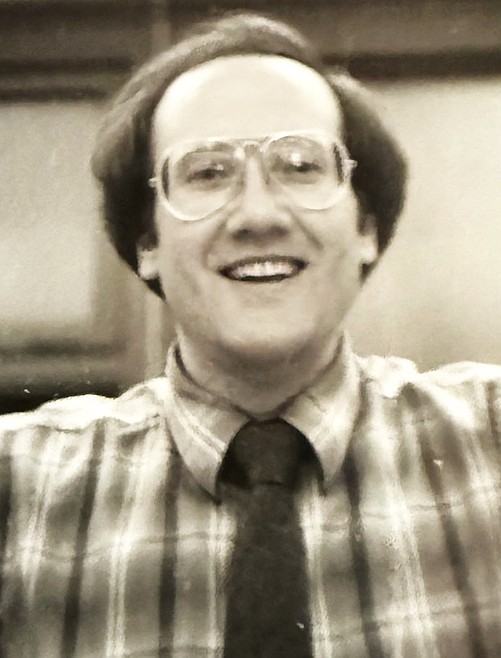
Doug Clark in 1982.
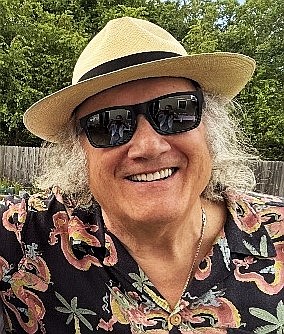
Doug Clark in 2025.
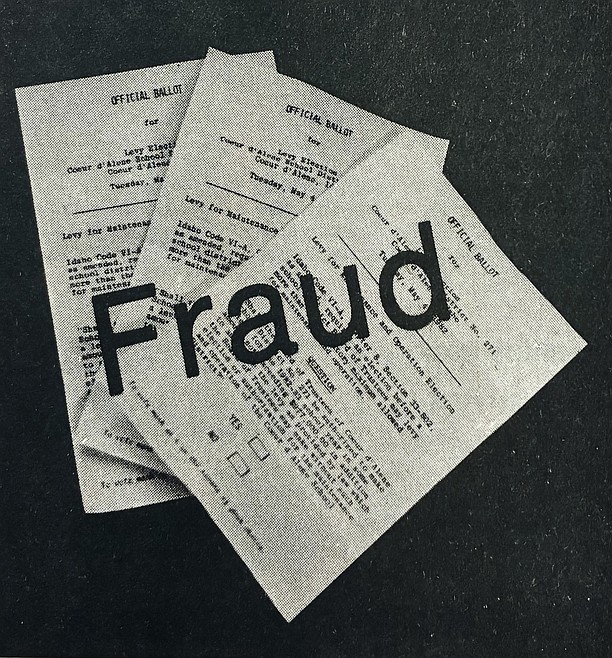
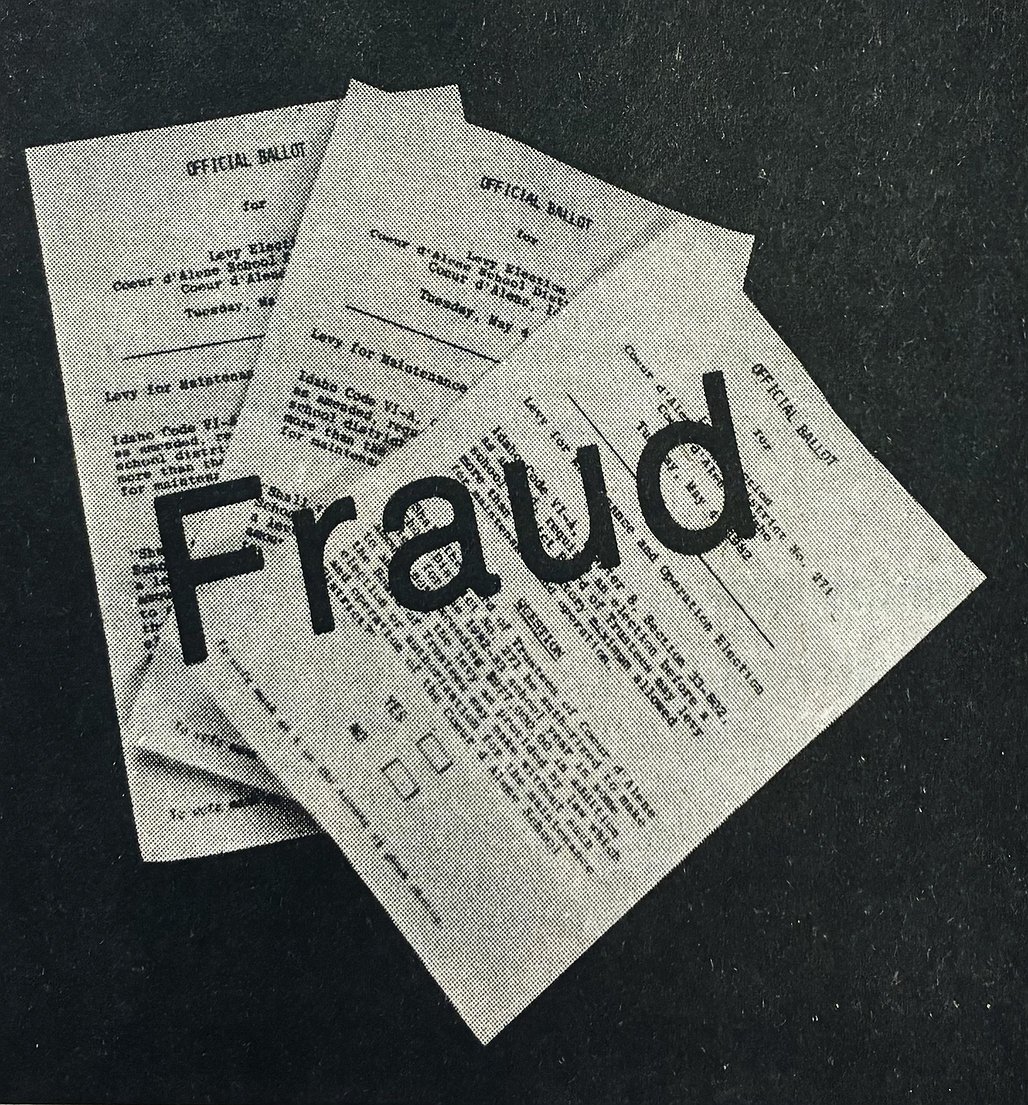
Doug Clark picked up these three ballots with ease from his 1982 school override levy caper.
Coeur d'Alene Press Archive
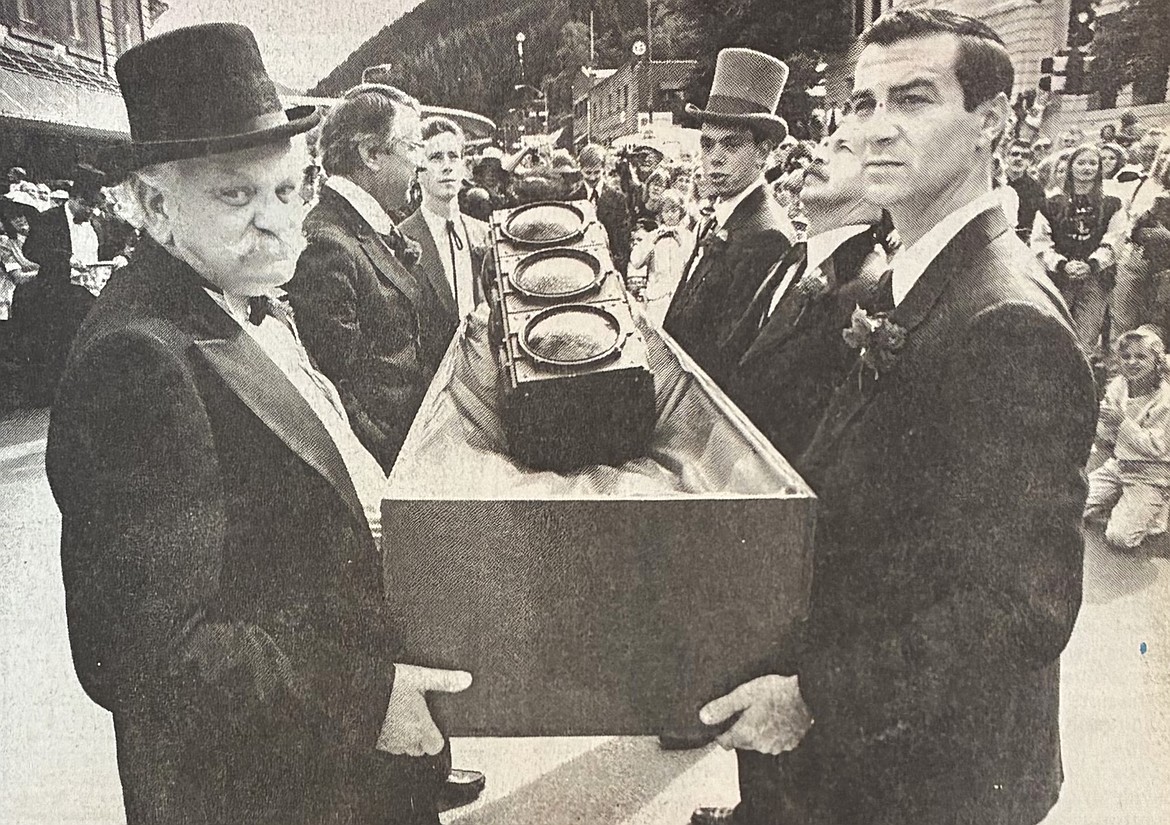
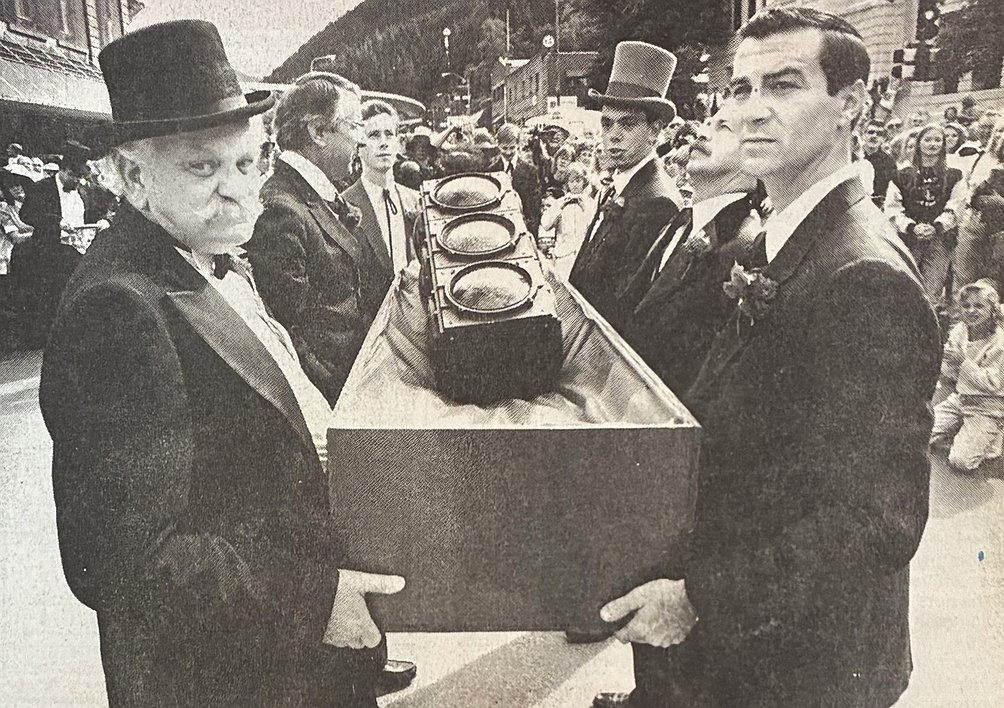
In 1991, the last I-90 stoplight between Seattle and Boston was carried to its final resting place by pallbearers (from left) Don Springer, Virgil Burks, Dennis O’Brien, Craig Corbeill, Nick Hogamier and Lane House.
Coeur d'Alene Press Archive
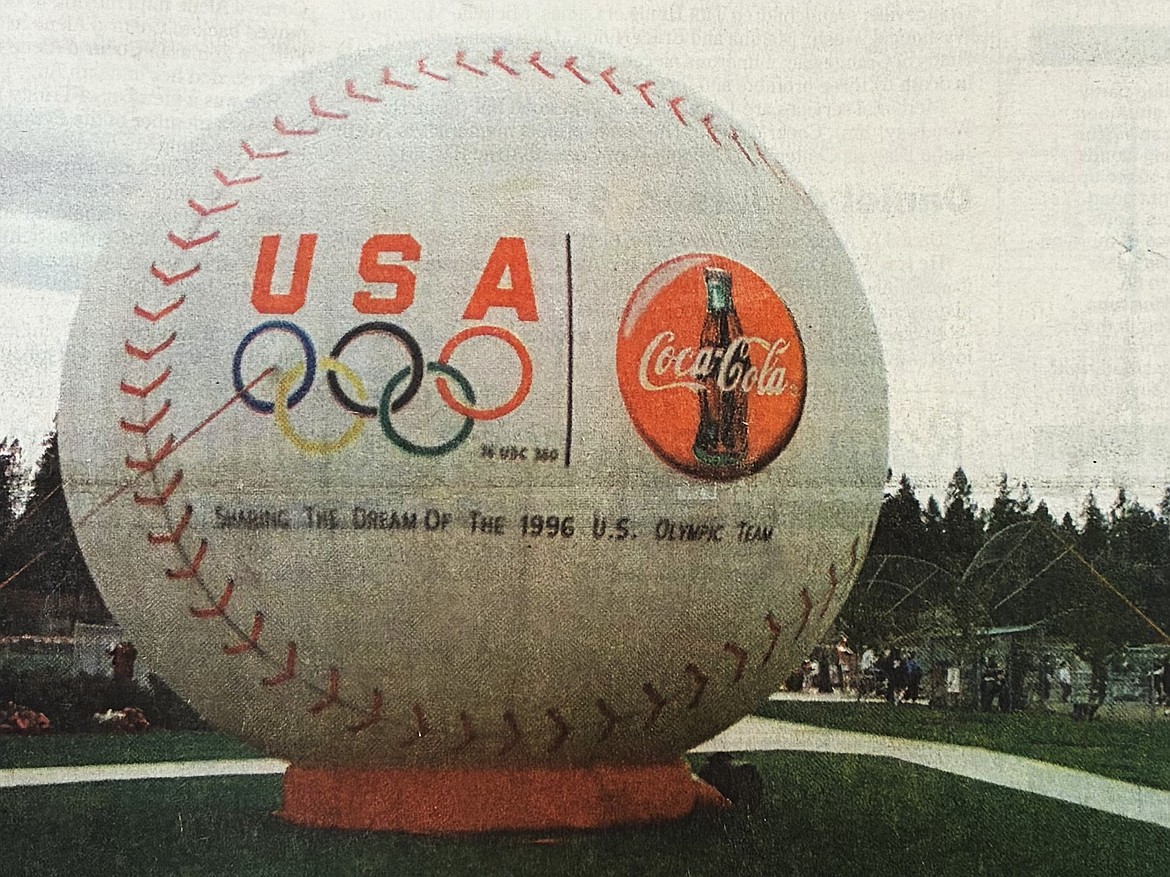
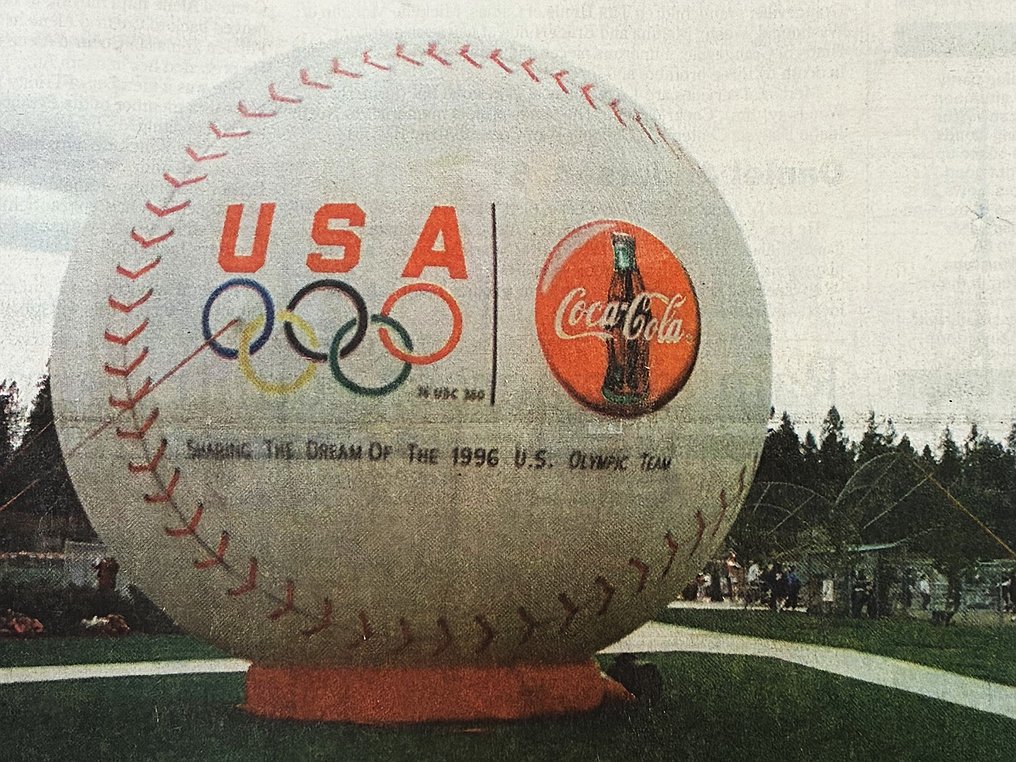
In 1996, the giant softball that promoted the American Softball Association Major co-rec tournament was deflated by controversy.
Coeur d'Alene Press Archive

In 1996, owner Kathy Sims of Coeur d’Alene Honda displayed her controversial “balloon sign” that upset city officials.
Coeur d'Alene Press Archive
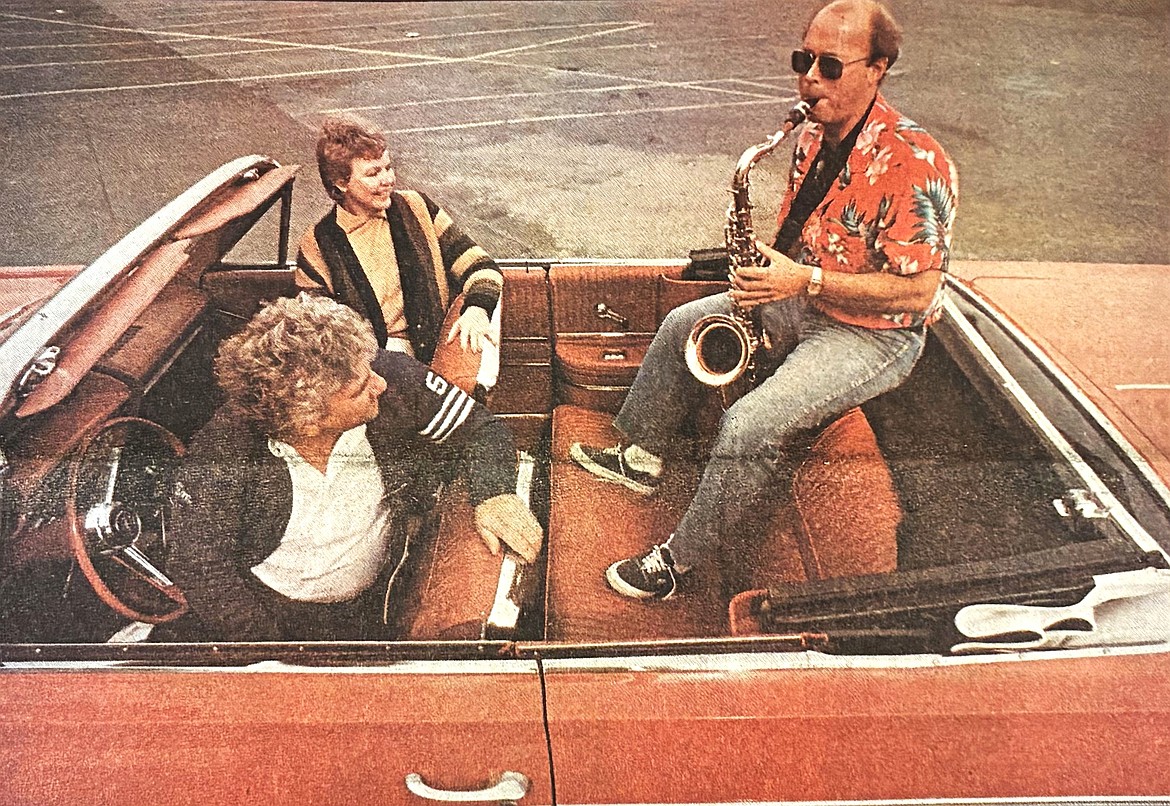
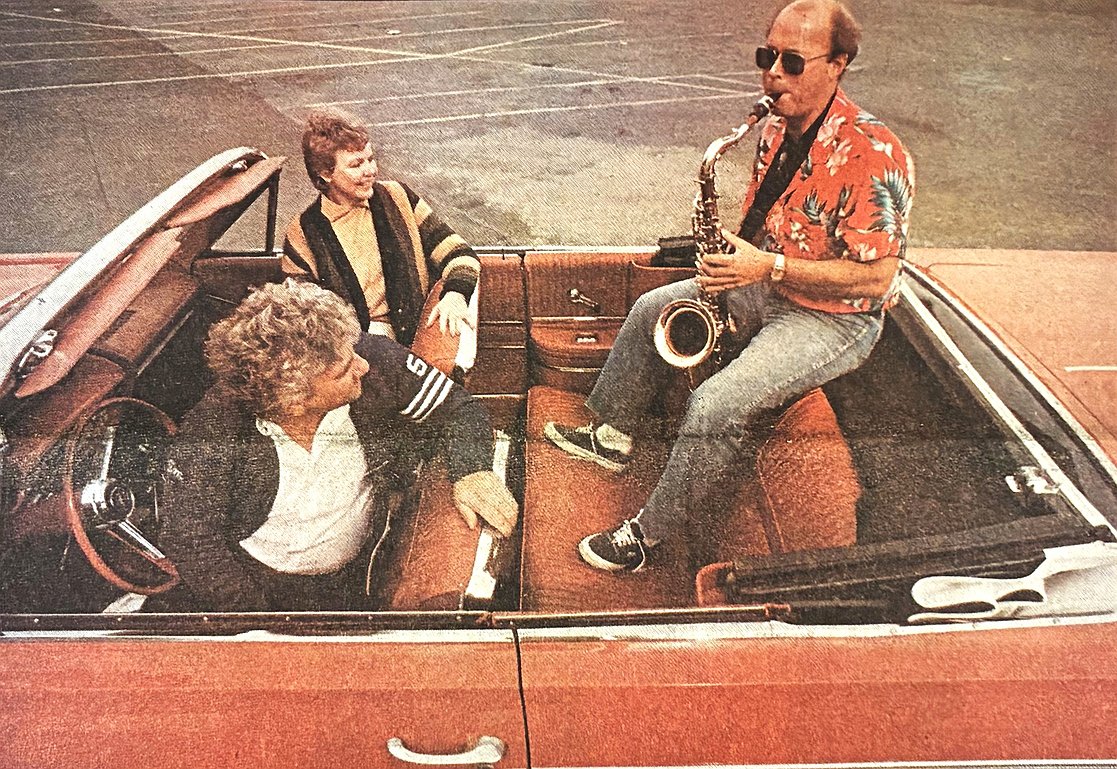
In 1986, saxophonist Jack Fullwiler serenaded Tom and Dixie Reid prior to The Fabulous Shadows reunion at the fairgrounds.
Coeur d'Alene Press Archive
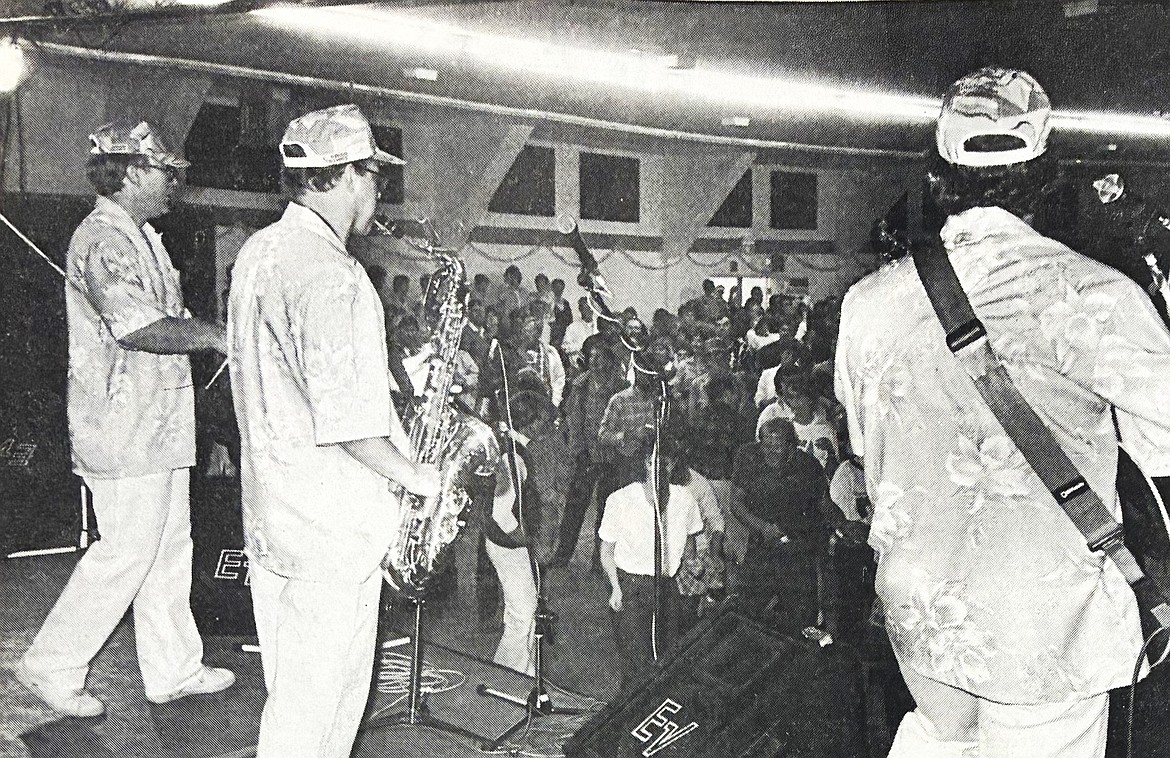
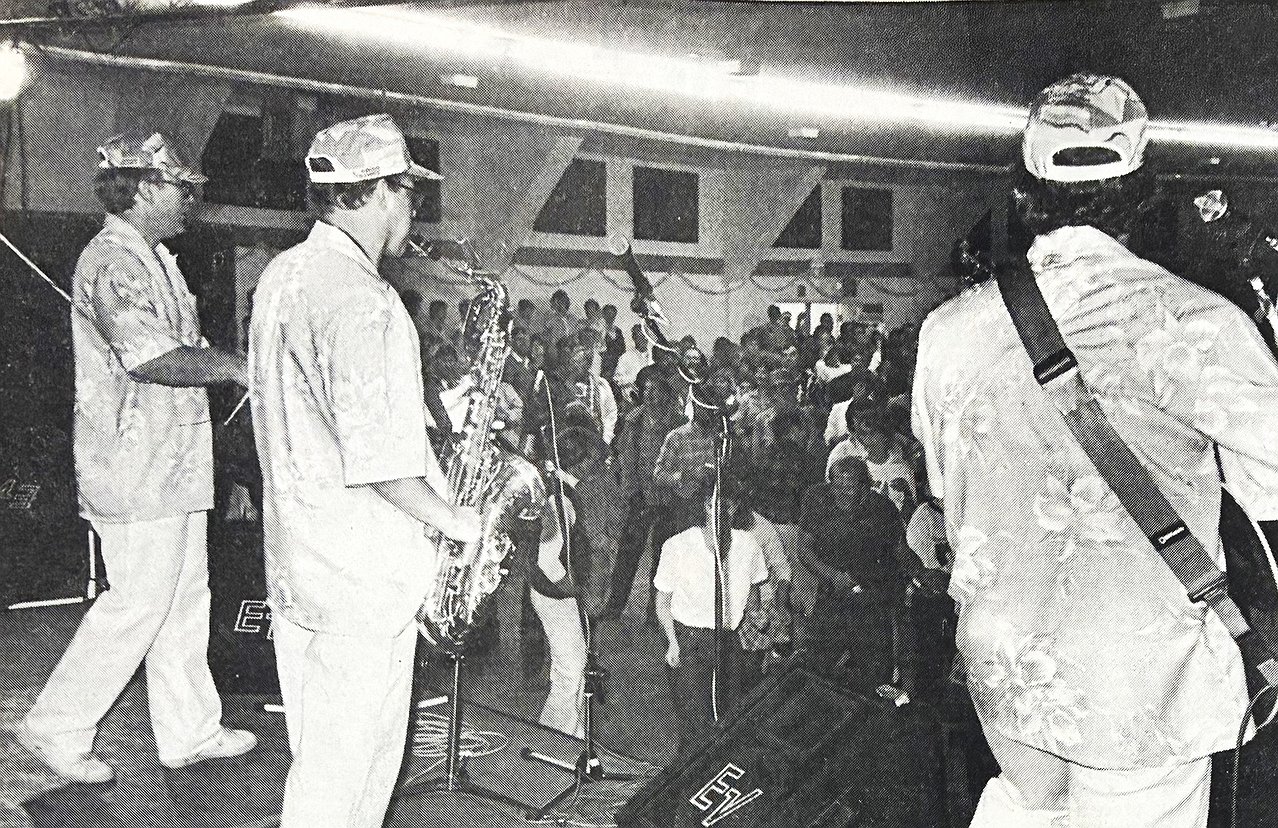
In 1986, about 2,000 fans attended The Fabulous Shadows reunion. Overheard in the men’s restroom, one happy dancer summed up the entertainment: “It’s OK by me if they do this every year until I die.”
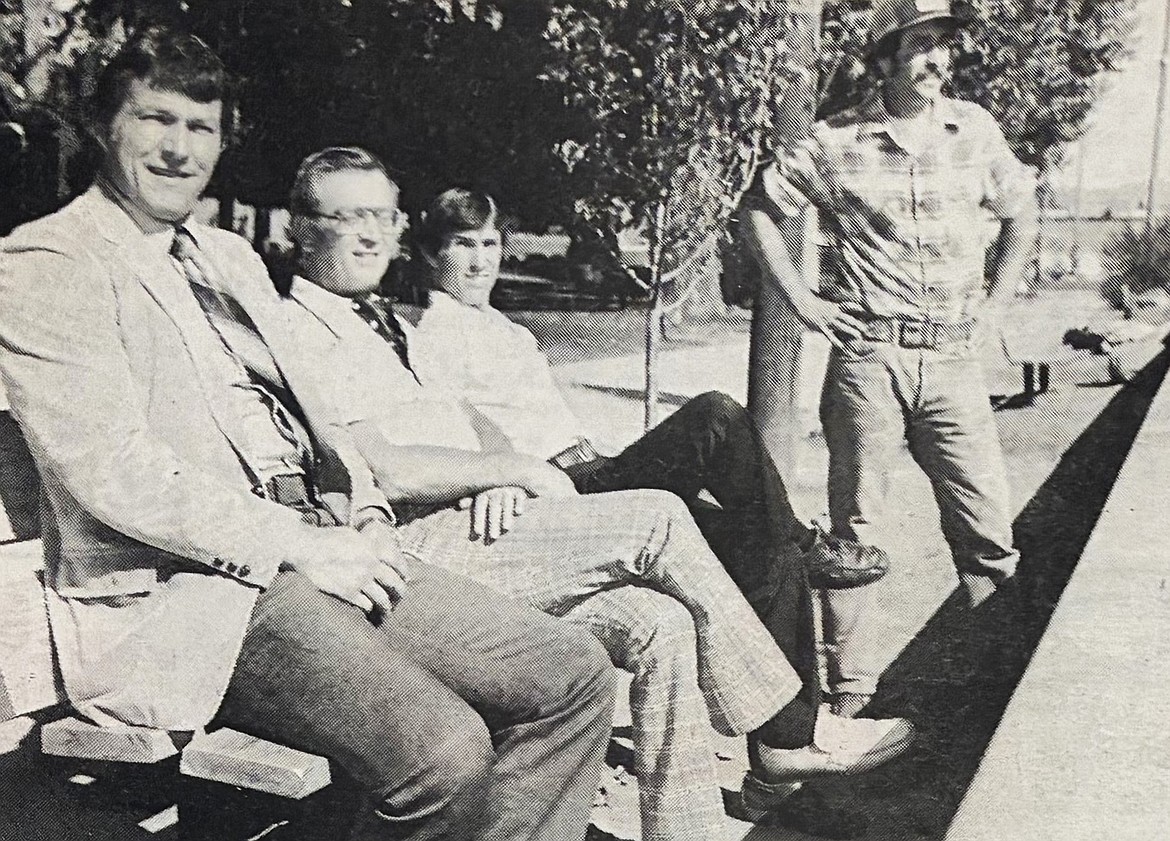
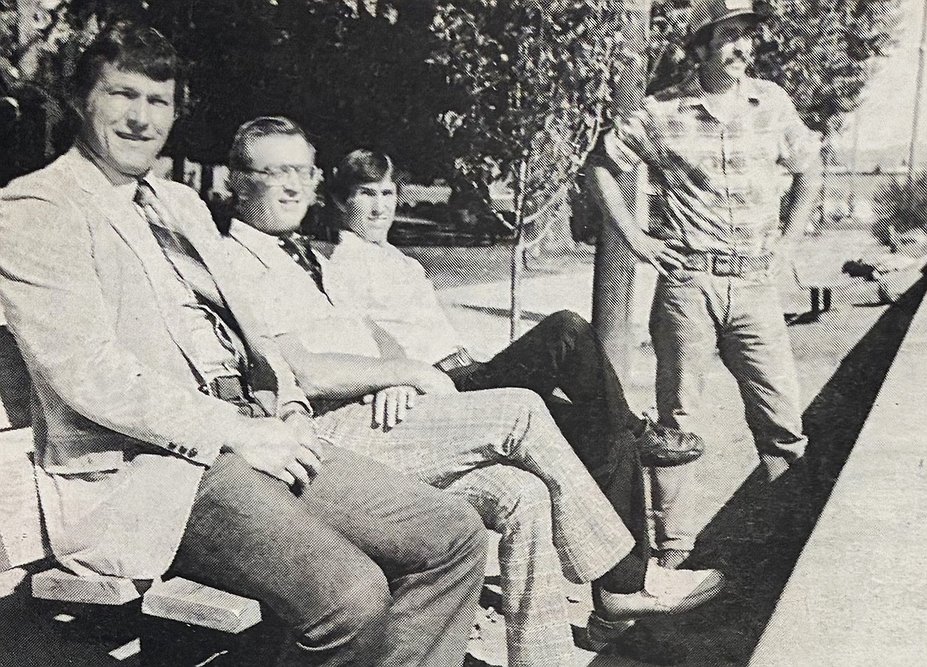
In 1981, Coeur d’Alene Kiwanians spruced up the rundown City Park walkway. Project participants included (from left) Kiwanis President Dave Chapman, parks and rec director Red Halpern, project chairman Bill Dahlberg, and parks supervisor Doug Eastwood.
Coeur d'Alene Press Archive
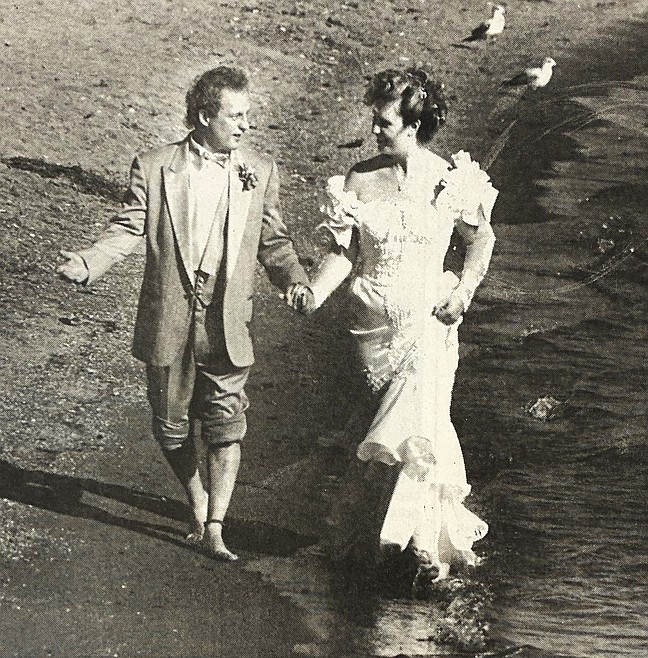
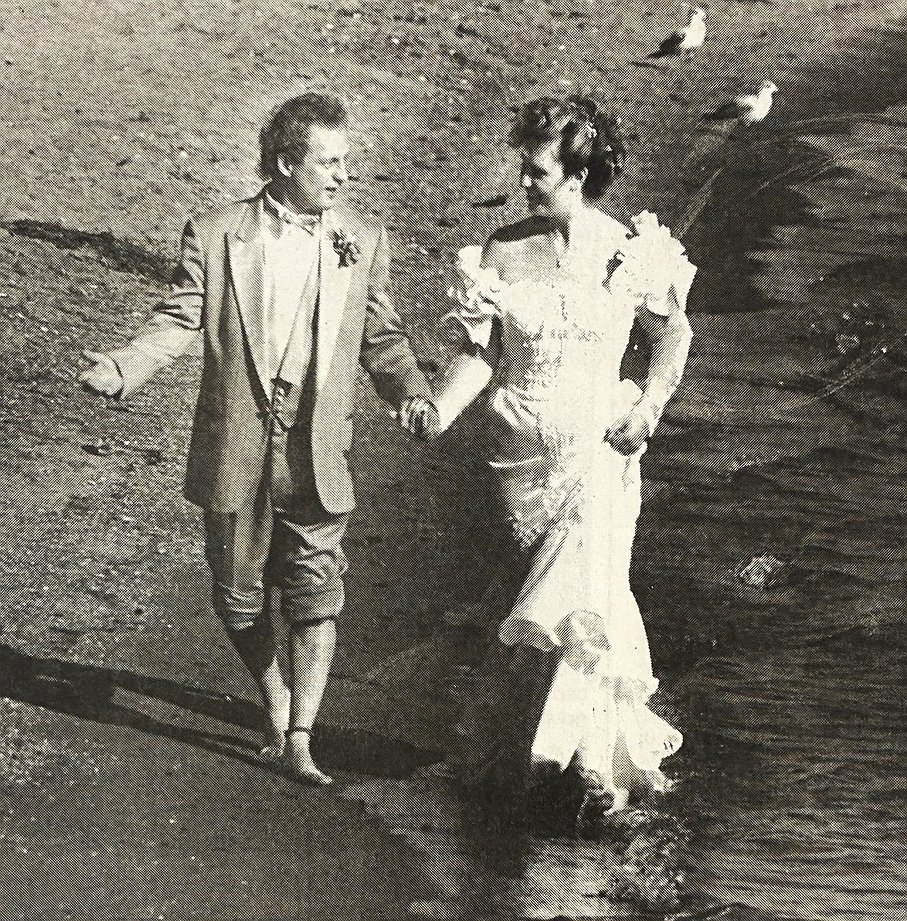
In 1991, newlyweds Steve and Christie Kambich of Butte, Mont., dipped their toes in the water at Independence Point.
Coeur d'Alene Press Archive
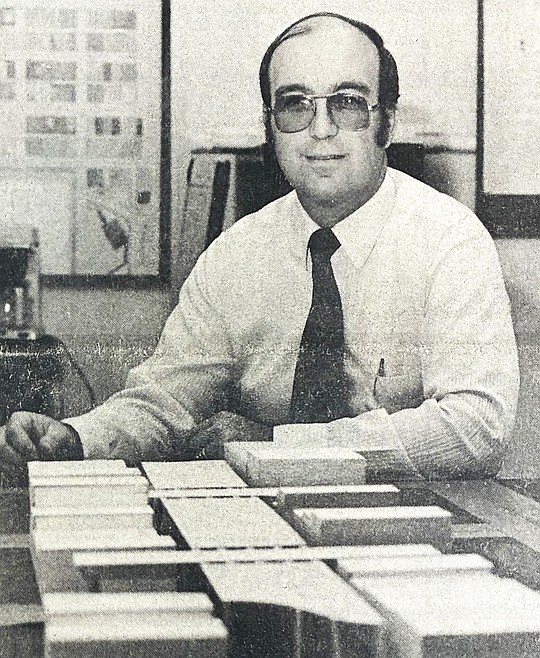
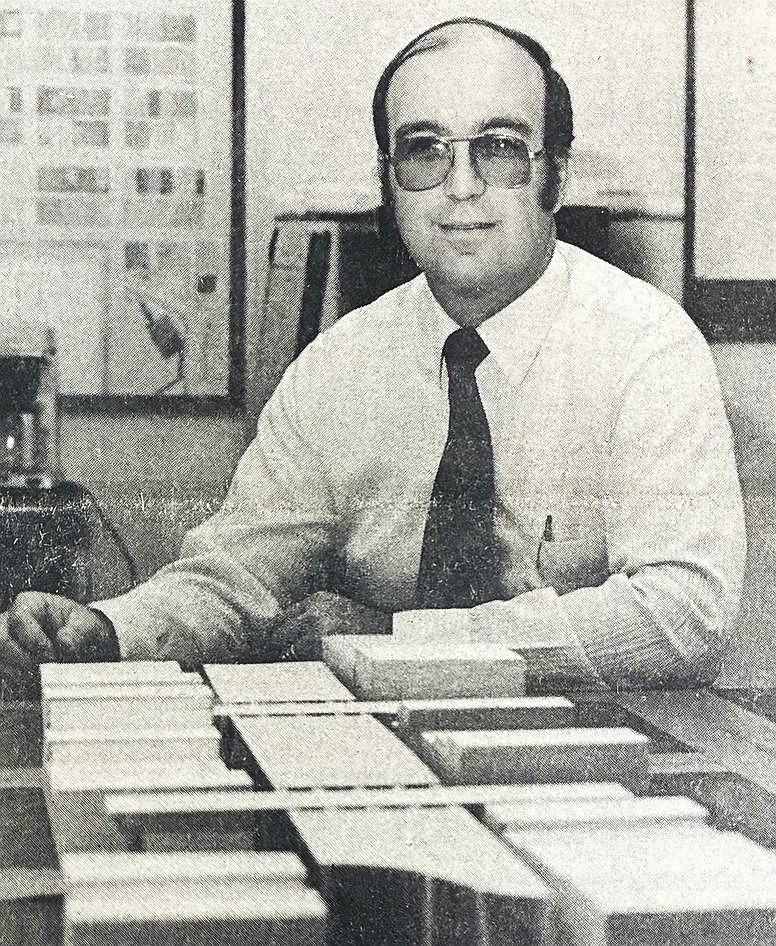
In 1981, Jim Deffenbaugh was hired by downtown property owners to promote a proposed covered mall over Sherman Avenue.
Coeur d'Alene Press Archive
The number of dead people who vote in Coeur d’Alene is nowhere near as high as the regular turnout of the Dearly Departed in Chicago.
But a few denizens of Forest Cemetery have cast ballots in a Coeur d’Alene election, if in name only. Former Coeur d’Alene Press editor Doug Clark can confirm this.
In May 1982, he voted in absentia for three of them.
“I thought I was going to be a universal hero,” Clark quipped last week. “In my youthful naivete, I believed readers were going to celebrate me and let me ride in a parade. To me, it was and still is a matter of common sense.”
He continued, “Turns out, that even back then, voter ID was a controversial, highly partisan issue. People, Democrats mainly, thought I was a smart aleck and deserved to be fired.”
Clark knew what he was doing. That’s why he contacted the county prosecutor first. He wanted to show how easy it was to cheat in a Coeur d’Alene School District levy election.
According to the Coeur d’Alene Press, the law at the time allowed anyone who was at least 18 years old and living within district boundaries to vote. There was no time limit on residency, no registration process, or proof of age or identification required.
“Put simply,” Clark wrote in a follow-up Press column, “anyone who wants to cheat can do so with virtually no fear of being discovered. Easy as pie.”
First, Clark headed to the cemetery to collect the names of three residents who had been resting in peace, and then he voted — four times. He voted once for himself and then drove to three other polling places to vote for the deceased. In doing so, he quietly replaced his ballots with blank sheets of paper so he “wouldn’t invalidate the election results.”
“I could’ve cast even more ballots,” he columnized, “but I soon tired of driving from polling place to polling place and was nearly late for dinner.”
Election officials weren’t happy the next day when Clark called and innocently asked whether they had encountered any unusual voting activity.
Fortunately, Clark wasn’t tarred or feathered nor did his blank sheets of paper impact results. The one-year, $977,000 override levy ($3.39 million today) handily passed with 56.8 support.
Coincidentally, the Legislature had approved a bill earlier that year to limit bond elections “or anything that increases ad valorem taxes” to only registered voters. The goal was to reduce voter fraud. But Democratic Gov. John Evans vetoed it — on April Fool’s Day.
Clark wasn’t fired, and the column about his zany antics helped him win first place in Pacific Northwest newspaper competition.
Today, the Kootenai County Elections Department conducts school elections and requires valid voter identification. Voters must be at least 18 years old and live within the district.
But Clark can’t recall that anything came of his quixotic 1982 caper at the time.
“It didn’t do any good,” he said. “The school board didn’t change a thing.”
Lights Out
For decades, mining magnate Harry Magnuson and hometown Wallace fought to stop the feds from building a bypass on the northern edge of town. Business owners feared a loss of revenue if a viaduct channeled traffic away from Main Street.
But fun-loving Wallace didn’t pout when the bypass was dedicated in September 1991. The resilient town threw a party and buried “Old Red, White, and Blue” — the last stoplight on I-90 between Seattle and Boston.
According to the Coeur d’Alene Press, hundreds gathered to “mourn” the passing of the forsaken stoplight.
“As mourners gathered around,” The Press reported, “the light was lowered from above Bank Street into a satin-lined coffin and placed into a glass hearse for its final trip to the Northern Pacific Depot.”
The funeral included flower girls, a somber bagpipe march, and taps.
At the depot, Wallace Councilman Mike Alldredge linked the stoplight to the town’s infamous red-light district. “While it was not the only red light blinking in Wallace,” he said, “it had stopped far more people and for a much more noble cause.”
Banned Softball
The last major adult tournament of Coeur d’Alene’s glory days as the “Softball Capital of the Inland Northwest” was snagged by a sign code flap dispute.
In September 1996, the American Softball Association erected a giant balloon softball near Ramsey Park’s Field No. 3 to greet 47 competing co-rec slow-pitch teams.
But there was a problem. Along with Olympic rings, the sphere displayed a sponsor: Coca-Cola. Although the sign was temporary, someone complained that it was commercial and violated the city’s sign code.
At the time, the city was fighting Kathy Sims of Coeur d’Alene Honda over a blue-and-white balloon sign that advertised her dealership between Seltice Way and I-90. Mayor Al Hassell said floating signs “junk up” the skyline and create a dangerous distraction.
The city wasn’t in a hurry to oust the grounded ASA balloon. But Recreation Director Steve Anthony deflated the controversy by removing the huge orb anyway.
“We didn’t want the headline every day being about the balloon,” Steve told Huckleberries. “We wanted the focus on the teams.”
Huckleberries
• Poet’s Corner: Come January we’ll remember / how bright the sun shone in September — The Bard of Sherman Avenue (“Autumn Thought”).
• Love Birds: On Sept. 13, 1986, some 2,000 fans ponied, twisted, and even jitterbugged at the reunion benefit of The Fabulous Shadows. But few enjoyed the event in such grand fashion as Councilwoman Dixie Reid and husband, Tom. Saxophonist Jack Fullwiler serenaded the Reids in Tom Snider’s 409 Chevy Impala convertible. They’re still dancing through life after 60 years of marriage.
• Why No Column: I had a good reason for playing hooky from this column for the last two weeks. I was compiling the best of my Huckleberries column items from the last six years in the Coeur d’Alene Press — for a book. I turned in the first draft to my publisher a week ago. We plan to be finished with “Coeur d’Alene Chronicles” by Oct. 31 and out to the public in mid-November. Stay tuned.
• Stepping Up: In September 1981, Coeur d’Alene Kiwanians donated $1,200 ($4,400 today) and sweat equity to upgrade benches and trees along the City Park walkway. Now, onward. Empty tree wells attract cigarettes. And the city lacks cash. Luckily, Tom Torgerson and other Concerned Citizens plan to fix things. Stay tuned.
• Greatest Venue: On Sept. 19, 1991, newlyweds Steve and Christie Kambich of Butte, Mont., eloped and married in Coeur d’Alene. The couple was engaged six days after they met and wed after a three-month engagement. They walked barefoot in the water at Independence Point to begin their honeymoon. And they decreed that Coeur d’Alene is the “greatest place in the world to get married.” Bingo.
Parting Shot
Construction of a shopping mall on what is now McEuen Park and a resort on top of Tubbs Hill aren’t the only bad ideas that have come and — thankfully — gone. In September 1981, 85% of the downtown property owners were part of the Central Development Association. And the association was pushing hard for a covered mall over Sherman Avenue from Second to Fifth streets. A study about retail sales in Spokane and Coeur d’Alene had traumatized downtown interests. It showed that Coeur d’Alene took in only 9.6% of the sales in the region. And of that number, Coeur d’Alene’s downtown captured only 19.5%. Downtowners hired Spokane CPA Jim Deffenbaugh to promote a downtown mall. Deffenbaugh touted the success of a downtown mall project in Mankato, Minn. And Bob Templin of the North Shore Resort Hotel backed the downtown proposal. But it faded quickly. Whew!
• • •
Dave Oliveria can be contacted at [email protected].
 Doug Clark in 2025.
 Doug Clark picked up these three ballots with ease from his 1982 school override levy caper.
 In 1991, the last I-90 stoplight between Seattle and Boston was carried to its final resting place by pallbearers (from left) Don Springer, Virgil Burks, Dennis O’Brien, Craig Corbeill, Nick Hogamier and Lane House.
 In 1996, the giant softball that promoted the American Softball Association Major co-rec tournament was deflated by controversy.
 In 1996, owner Kathy Sims of Coeur d’Alene Honda displayed her controversial “balloon sign” that upset city officials.
 In 1986, saxophonist Jack Fullwiler serenaded Tom and Dixie Reid prior to The Fabulous Shadows reunion at the fairgrounds.
 In 1986, about 2,000 fans attended The Fabulous Shadows reunion. Overheard in the men’s restroom, one happy dancer summed up the entertainment: “It’s OK by me if they do this every year until I die.”
 In 1981, Coeur d’Alene Kiwanians spruced up the rundown City Park walkway. Project participants included (from left) Kiwanis President Dave Chapman, parks and rec director Red Halpern, project chairman Bill Dahlberg, and parks supervisor Doug Eastwood.
 In 1991, newlyweds Steve and Christie Kambich of Butte, Mont., dipped their toes in the water at Independence Point.
 In 1981, Jim Deffenbaugh was hired by downtown property owners to promote a proposed covered mall over Sherman Avenue.