
FAST FIVE: Lindsey Beacham: Bringing together science and community
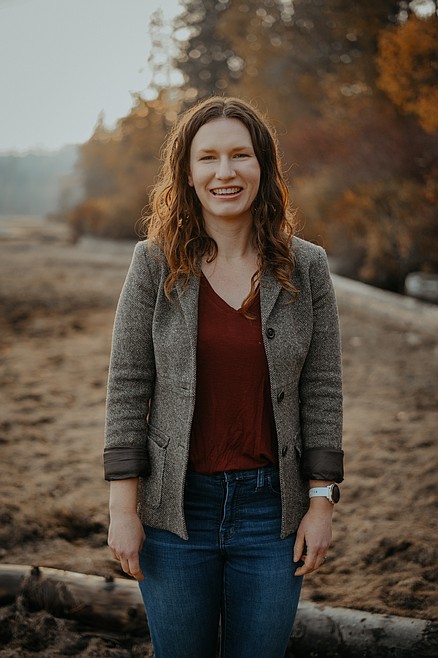
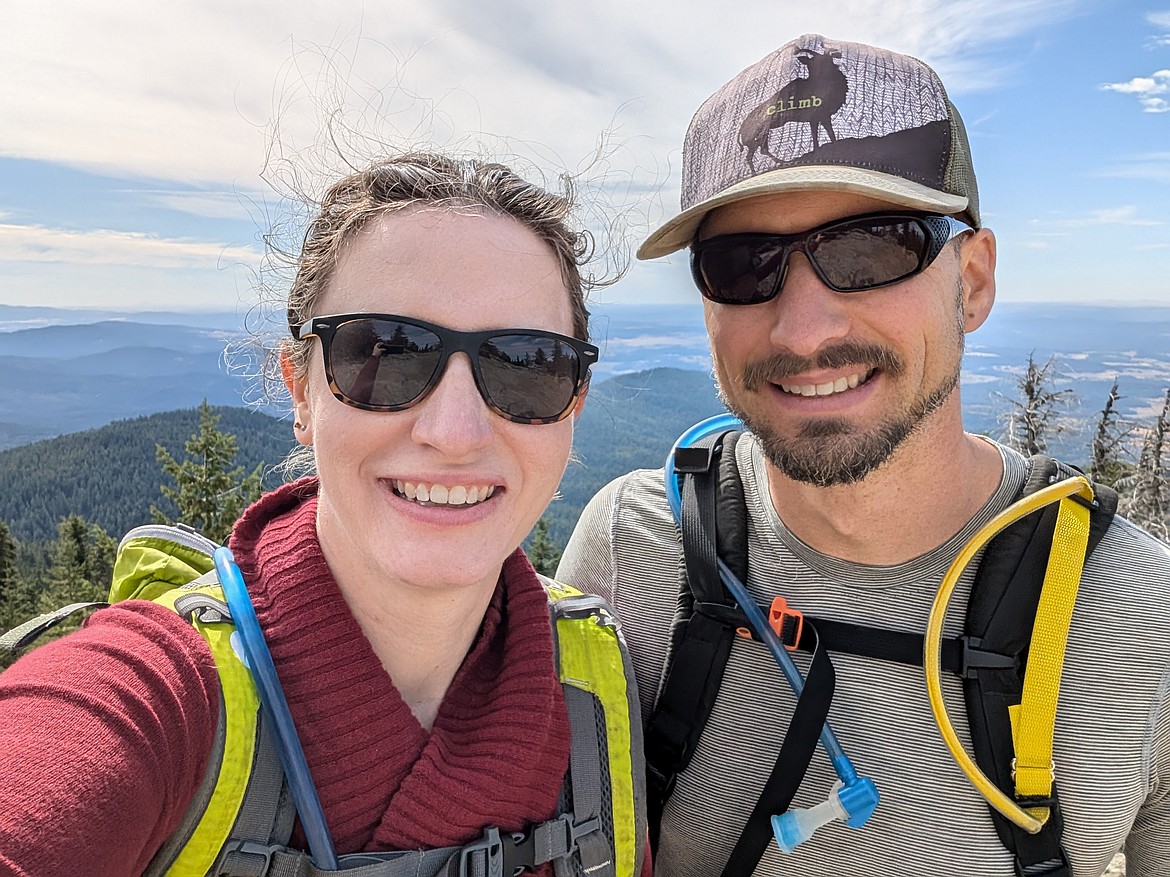
Meet Lindsey Beacham, a communications strategist with the Idaho Water Resources Research Institute. Beacham is part of the Our Gem Collaborative, supporting the initiative as a community-based approach to preserving the area's shared natural resources and quality of life.
She also sits on the steering committee of the Living Lake Project, a 15-month fellowship led by the Coeur d'Alene Arts & Culture Alliance, in partnership with the Idaho Department of Environmental Quality and the Coeur d'Alene Tribe Natural Resources Department. Through this project, 10 artists from Kootenai, Benewah and Shoshone Counties are exploring the health of Lake Coeur d'Alene through field trips, research, and hands-on learning with a goal of sparking awareness and collective action to protect the waters that sustain everyone.
1. What is the mission of the Idaho Water Resources Research Institute and why does its work matter?
IWRRI addresses state, regional national water issues by conducting research, sharing current information supporting the development of a multi-disciplinary water workforce. As our colleague, Lake City HS teacher Jamie Elder, likes to point out, “water connects us all,” from farmers to fisherman, miners, foresters all the way to city administrators up to the governor, there isn’t a person in Idaho that won’t be affected by water quality or quantity in the coming years. IWRRI will help facilitate the collaboration that will be required to overcome the water challenges we face.
2. What led you to bring your communications, marketing and design skills to IWRRI?
I have always been interested in using my skills toward the benefit of community. There is a growing recognition of the disconnect between science and effective communication out in communities. It excites me to puzzle out how to best connect researchers doing work I admire and those in communities most affected by their work. I also like to be the voice without the science background, asking the questions everyone else would be asking. I remember that there was a time when I, too, didn’t know about riparian zones.
3. How can initiatives like the Living Lake Project help bring awareness to the challenges of the Coeur d'Alene Lake watershed as a Superfund site?
It’s easy to see all that’s happening in the world particularly natural resources right now and feel negative. I can’t let go of my optimism, however that there are solutions yet to be considered. I think artists like those participating in the Living Lake Project can help us contemplate questions we haven’t thought to ask.
I recognize that the logger and miner are working to feed their families, yet they both answer to companies who have a bottom line. What if we start asking questions that lead to companies able to meet their bottom line while benefiting the environment? I think of the emerging technology of separating minerals out in water. What if someday the mining companies are cleaning the water of lead and zinc at a profit? In the future, I see more opportunities for artists as leaders in our community, catalysts towards these types of thought experiments. I see the questions my kids are asking and don’t think it’s a stretch to believe this could be our future, but I do have a fine arts degree, so this could be my bias.
I think the Living Lake Project artists will bring community members together to learn, ask questions of themselves and each other about our future help people recognize the responsibility that comes with the lake as the center of our community. Hopefully they will help them understand that we all have a role in protecting Coeur d’Alene Lake.
4. What can community members do to help protect Coeur d'Alene Lake and promote its health?
I think this is a key question, one that I don’t yet feel has a satisfying answer, because I think there should be opportunities for community members to have more tangible actions. The Living Lake Project will present some of these opportunities. I believe in the program and that it has potential to make great strides in helping the community recognize the complexities we face with our lake’s Superfund status.
For now, I think the first step in protecting the lake to learn about the problems and recognize there will be a economic and lifestyle impact for keeping the status quo. The Our Gem Collaborative is a good place to start for information.
I think all businesses in our community recognize the economic value the lake brings to our region, from tourism dollars to an attractive way of life that keeps employees here. I would like to see more businesses support tangible programs like the Living Lake Project, collaborate in sending their employees to our Stormwater and Erosion Education Program support the next generation of stewards through The Confluence Project.
Most importantly, our community needs to let our city, county state leaders know that keeping the lake healthy is a priority, one worth investing in.
5. What is something people would be surprised to know about you?
Despite my fine arts background, I really like spreadsheets and databases. I’m an organizer at heart. Some of my family and friends might even be surprised to hear this, because since having kids I’ve chosen to prioritize time with family, getting outside, gardening art over keeping a tidy house.
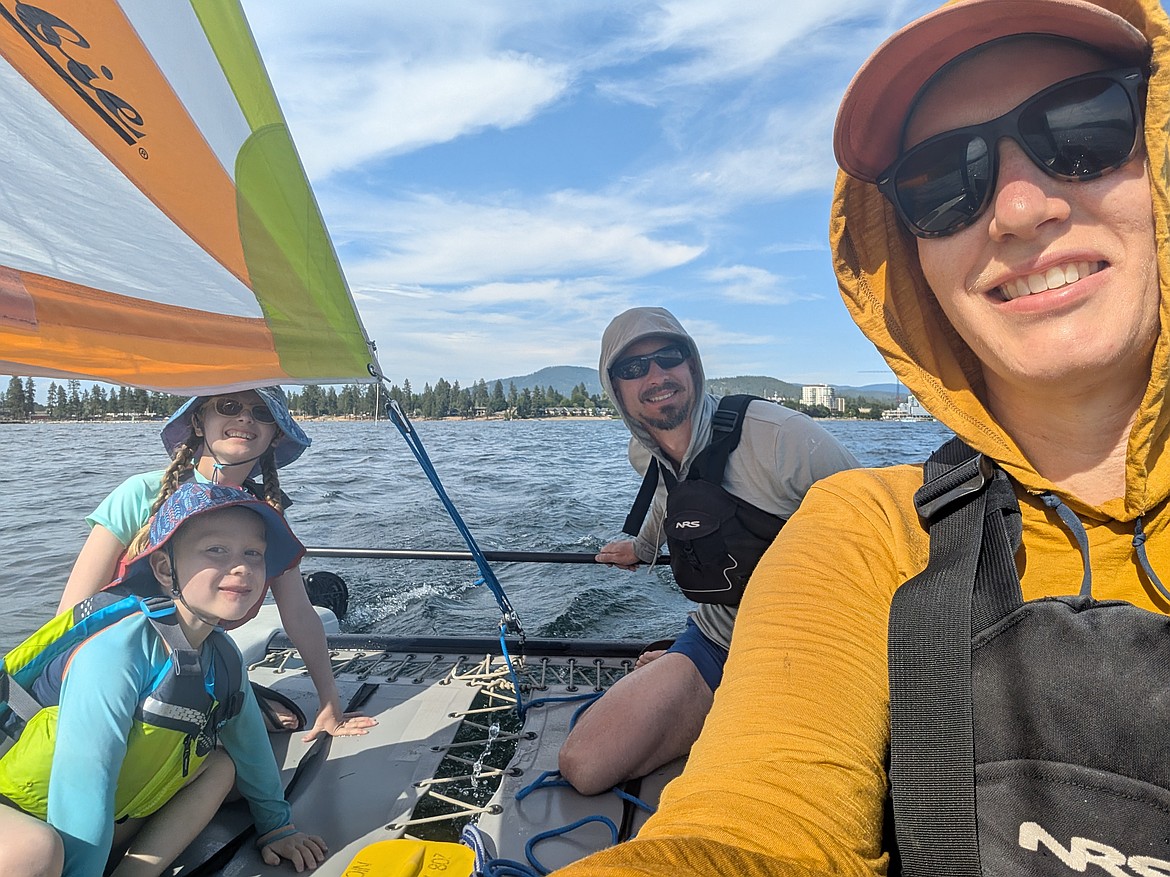
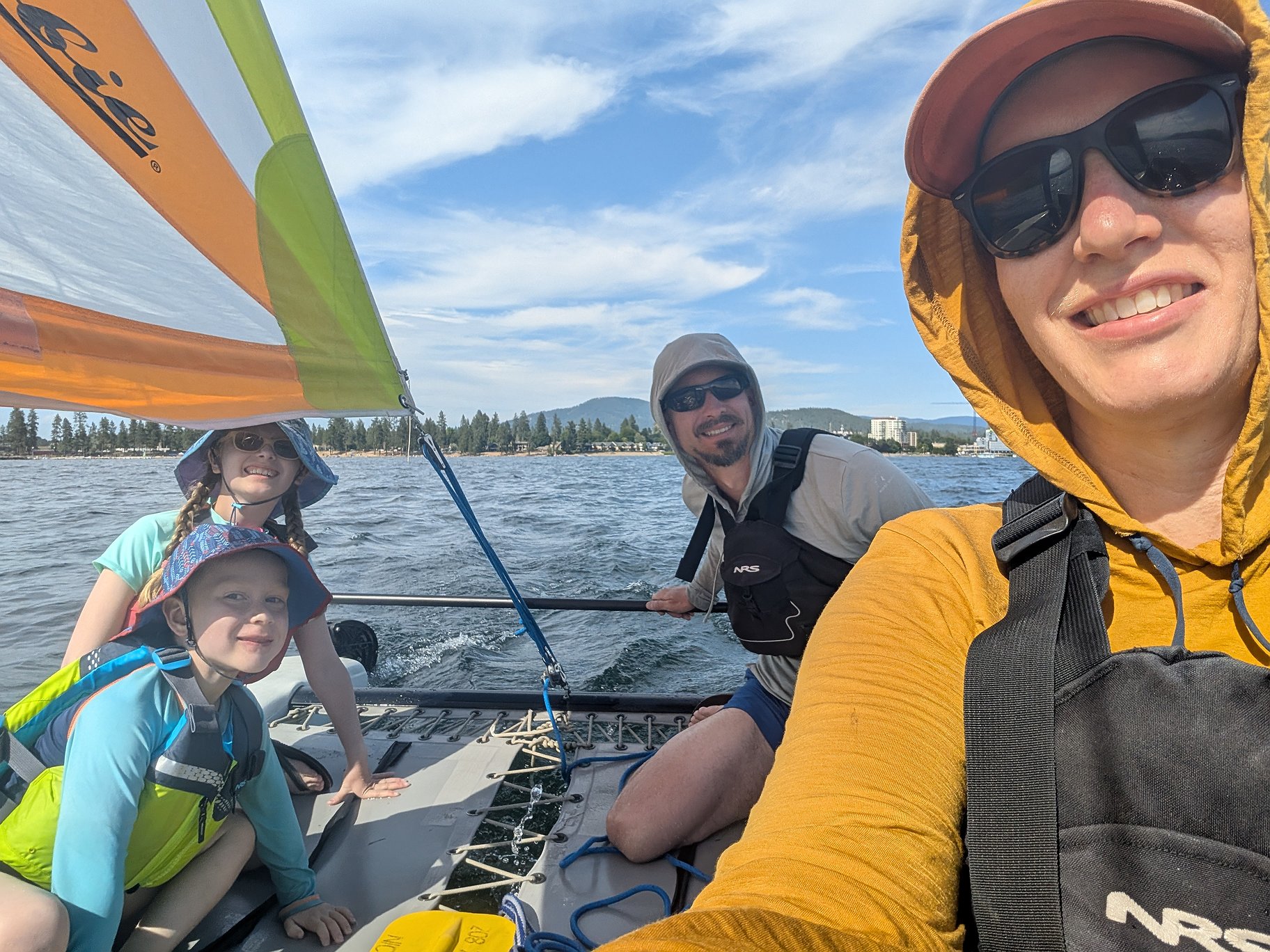 Beacham and family. Courtesy photo.
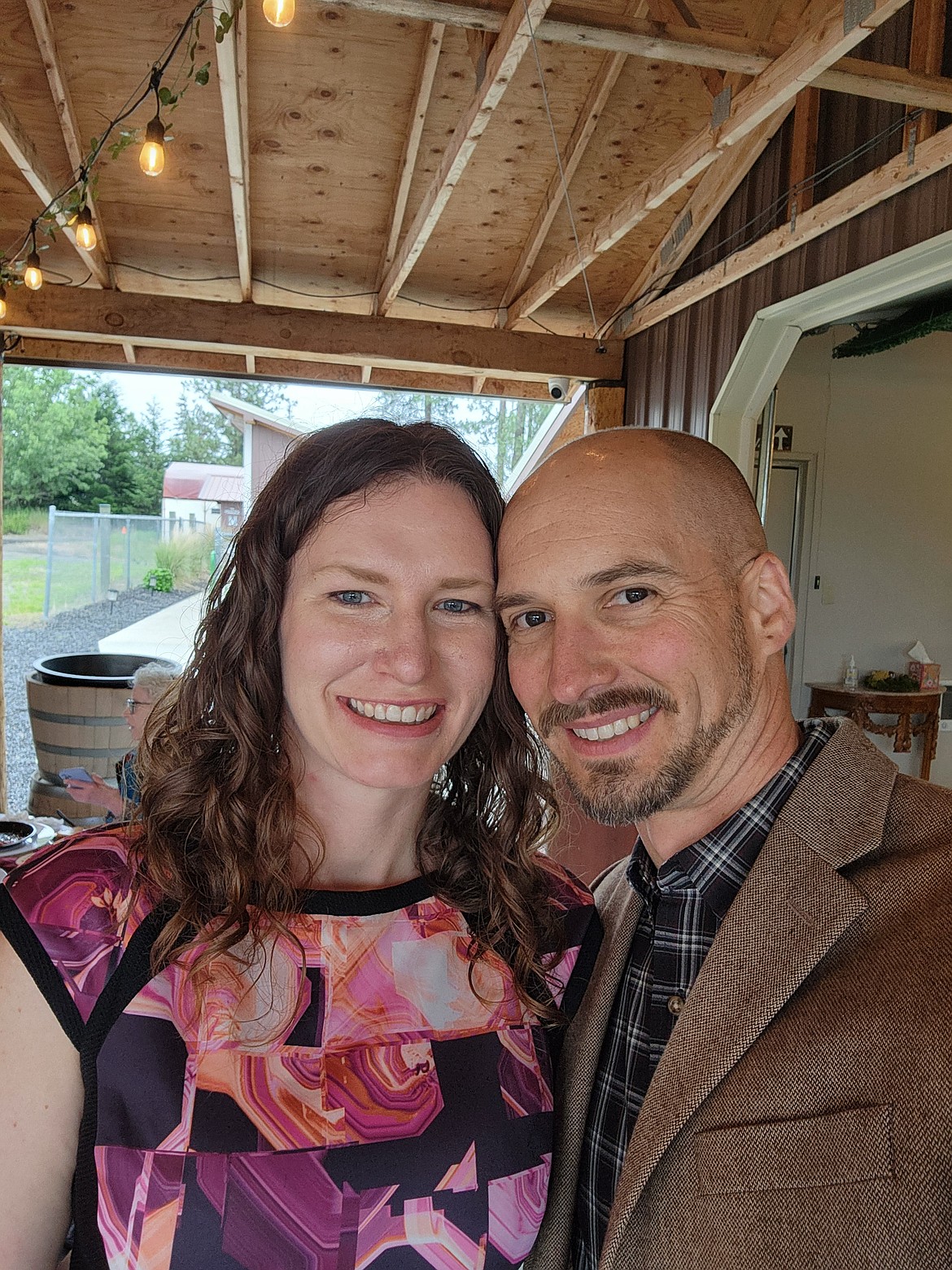
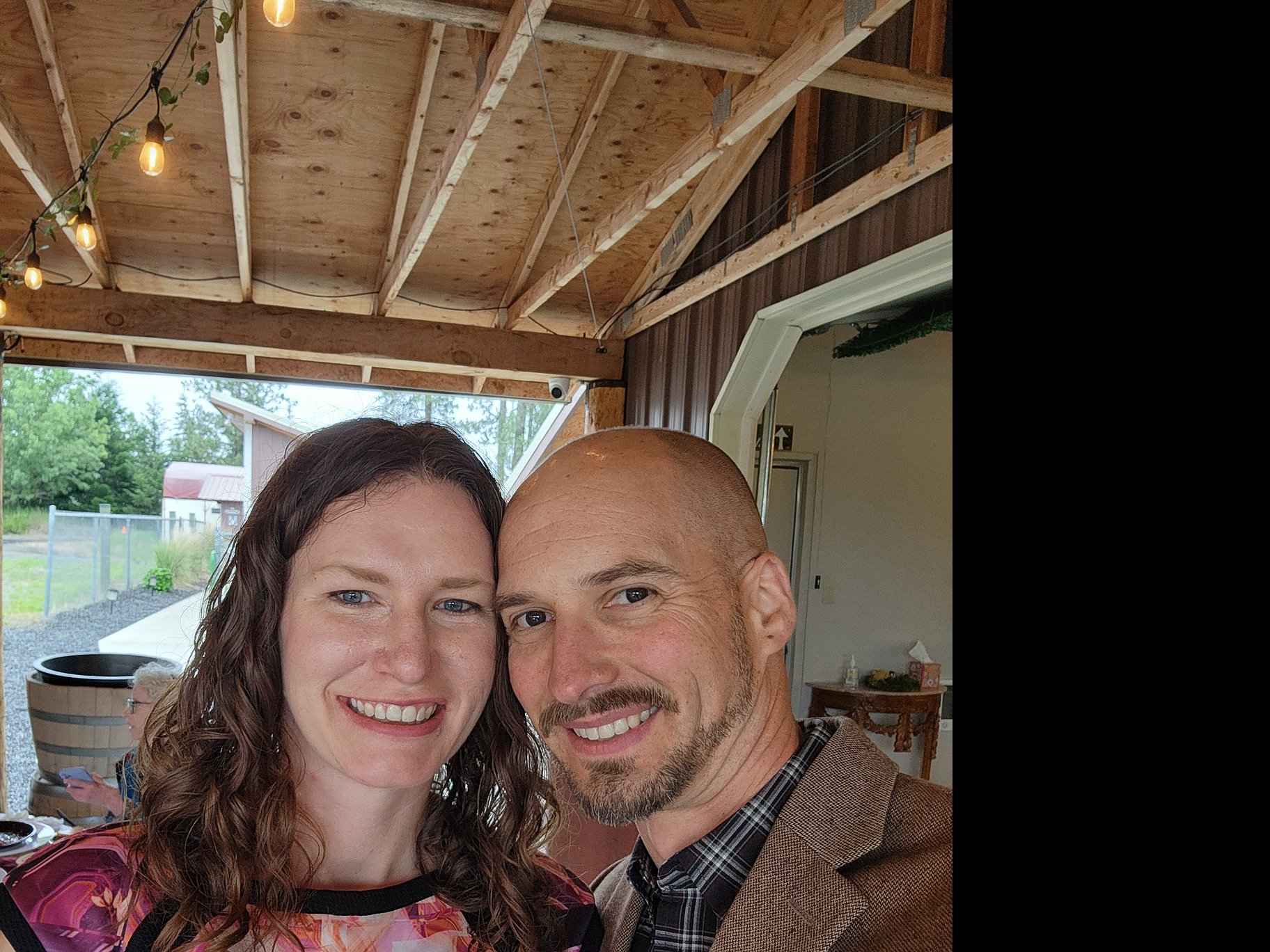 Lindsey Beacham and husband John.
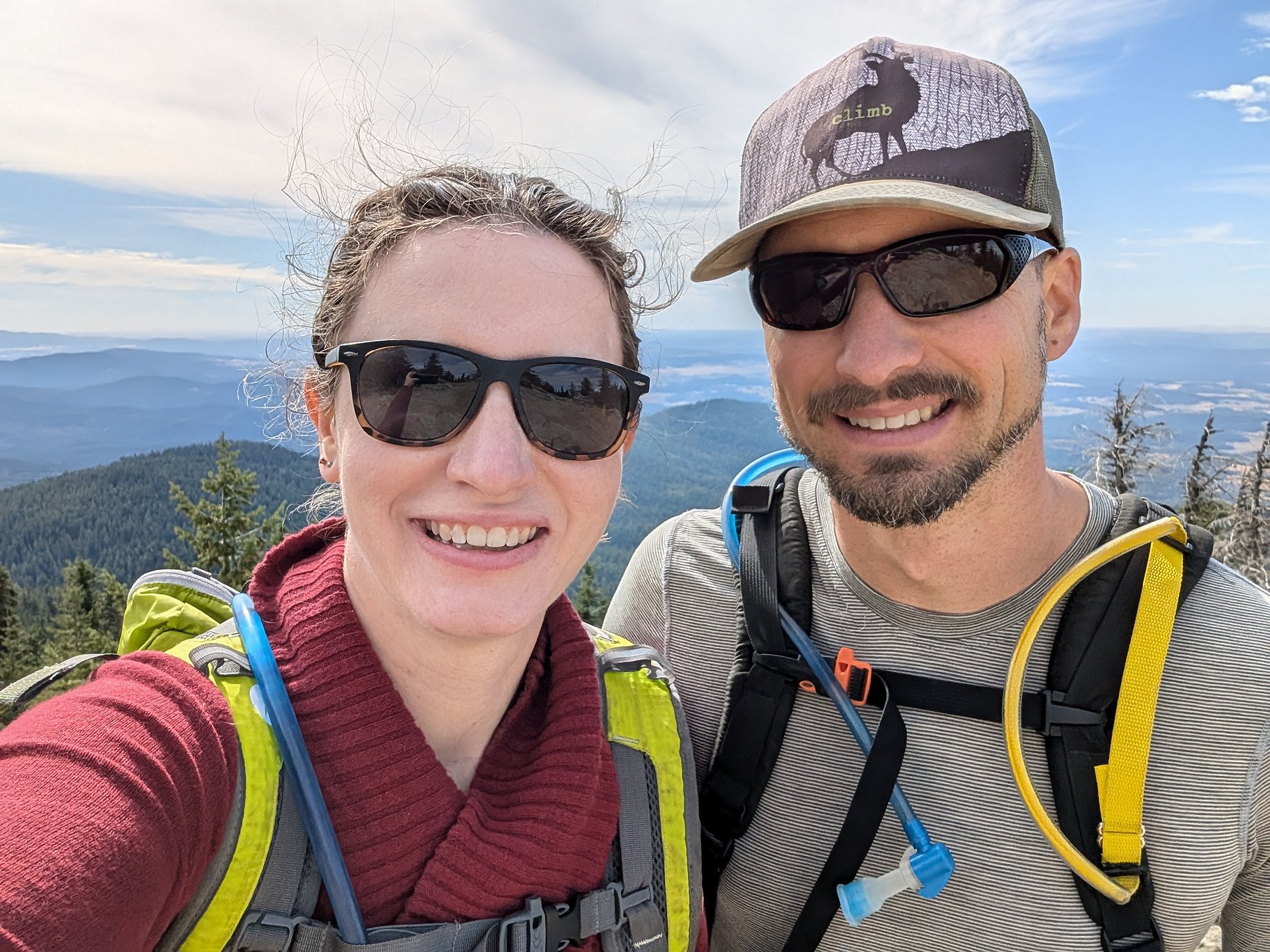 Lindsey Beacham and husband John.