
What every property owner should consider when building a long-term emergency plan
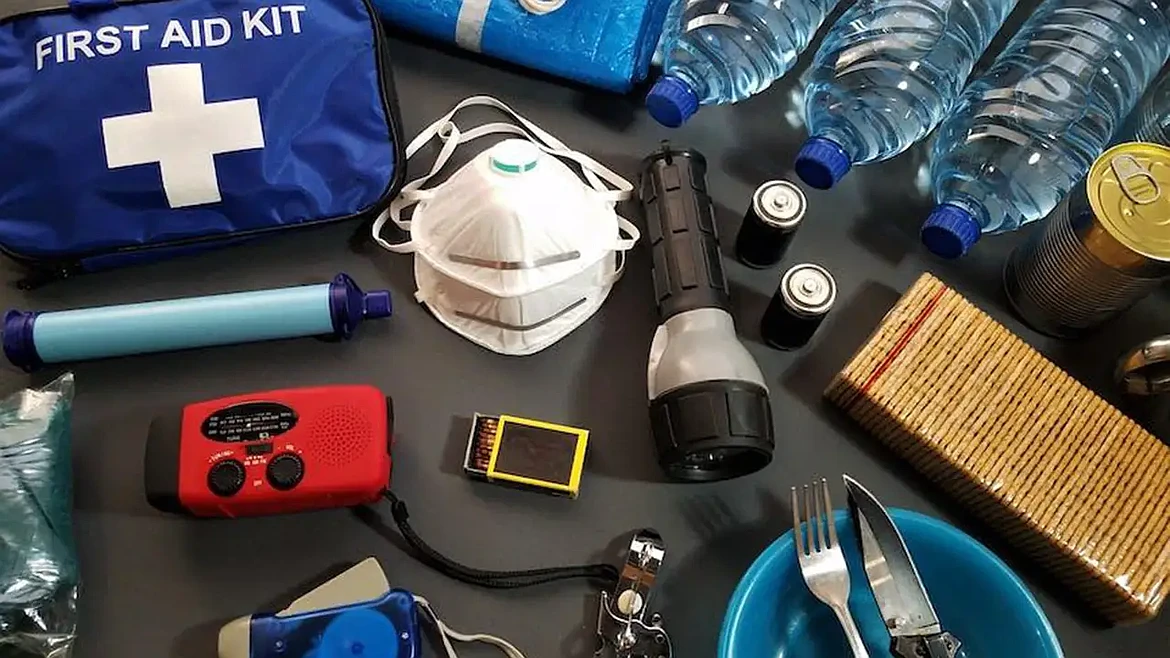
A household emergency plan can prevent panic, injury, and extreme financial loss, whether it's a fire or weather-related disaster. Have your insurance ready, make necessary home renovations, and start stocking up on emergency supplies, from medication to non-perishable pantry items. Understand what your immediate risks are, from hurricanes to wildfires, and know how to fortify your home, from shutting off utilities to clearing dried vegetation.
SafeHome reports that only 54% of American households made emergency preparations in the past year, despite increasing worry about disasters. From personal household concerns to increasingly destructive weather events, homeowners should prioritize home preparedness sooner rather than later.
Where Should My Emergency Plan Begin?
The first step in household preparedness is risk management, and a major risk is weather-related events.
Start mapping out your property for weak points such as:
- Poor drainage systems
- Weakened trees
- Single-pane windows
Check for your localized risks. For example, if you live out West, wildfires and earthquakes are a major concern. Those in the Northeast may have to prepare for fierce blizzards. Homeowners insurance for Florida properties and others living in the Gulf states can help with hurricane risk.
Then, there are personal home considerations like:
- Does anyone rely on prescriptions or have mobility concerns
- Do you have dependents such as children or pets?
Long-term Supplies
Regardless of who lives in your home, you'll need basics like water, food, and first aid for an emergency plan. Consider long-term water storage, such as 55-gallon drums and secondary filtration systems like purification tablets.
Start stocking your pantry with standard canned goods and freeze-dried items. Focus on items that have a long shelf life. As you consume pantry food, use the first-in-and-first-out rotation rule.
Have a first aid kit in your home and one in your vehicle. Have enough prescription supply to last and keep it in a go-bag with other emergency items.
Ideally, you should have an accessible go-bag inside your home and one in the trunk of your vehicle. These should include about 72 hours of essential emergency supplies, documents, and medications. Have some cash in case digital systems and ATMs are down.
How Should I Set Up Communication?
Your emergency recovery communication should go beyond your smartphone. With a system-wide issue, your local cellular towers may become jammed and hard to get through.
That's why it's a good idea to have analog communication tools such as:
- Walkie talkies
- Physical contact cards
- Battery-powered NOAA weather radios
You should also have an out-of-state emergency contact in case you need to evacuate your home.
What About an Evacuation Plan: Do I Wait for Authorities?
Disaster readiness doesn't wait until something happens. Just like schools and jobs have fire drills, your household should also have a regular emergency drill schedule to prevent last-minute panicking if something really happens.
Constantly check your emergency supplies to ensure you don't have expired batteries, stale food, or dead medications.
With proper planning, you should be ready to go if you feel unsafe or in immediate danger. Waiting until an official emergency evacuation order can increase the danger, as you may be stuck on congested roads and reduced visibility from severe weather hazards.
Can Home Renovations Help?
If you have a fallout shelter, great, but that's not the only solution. Your financial resilience during an emergency can start with knowing the locations of your water and gas shut-off valves. Shutting these off in time during an earthquake or winter freeze can help your home avoid catastrophic damage.
Create an outside defensible perimeter by removing potentially combustible brush and clearing out your gutters.
Keep your roof up to date with repairs or get a replacement due to age or damage. Roofing materials matter, since a metal roof has a Class-A fire rating capable of withstanding high-impact winds and lasting as long as 70 years.
Adding a sump pump in the basement or crawlspace and proper landscape grading can prevent home flooding. Test your sump pump before a pending storm or wet season to ensure it can properly usher water away.
Frequently Asked Questions
What Are the Four Essential Elements of an Emergency Plan?
The core elements of being prepared for an emergency involve:
- Risk assessment
- Policies and procedures
- Communication
- Training and testing
Start by identifying potential hazards and designing a fundamental response strategy around them. Set clear written protocols that focus on evacuations or how to report an issue.
Establish communication systems and contingency plans in case the first line of communication breaks down. Regular drills and training scenarios ensure everyone understands their role.
What Are the 3 C's Emergency Action Steps?
The three C's here are :
- Check
- Call
- Care
Check the scene to ensure it's okay for you and the injured person. You want to look for dangers like downed power lines that can electrocute you or a pending fire. Check the person to see if they're breathing, conscious, or hurt.
The next step is calling the most sensible emergency number, which is 911 in most cases. Give dispatch as many details about the location as you can. Make sure to let them know if someone is injured or appears unconscious.
Apply whatever care you can to someone who's been hurt, which may include first aid or basic life support. CPR may resuscitate someone who has stopped breathing. You can also stop severe bleeding by directly applying pressure or using a makeshift tourniquet. Keeping a conscious injured person calm can help until emergency care arrives.
Stay Ready, So You Don't Have to Get Ready
Start your emergency plan now, from timely roof maintenance to stocking up on pantry items. Discuss these plans with your family so everyone knows what to do and where to gather in case something happens.
Proper planning helps keep your loved ones safe during an emergency, whether it involves a quick evacuation of your neighborhood or hunkering down in place for a while. You also improve the likelihood of preserving your home's structure.
We hope this guide helps you feel safer in your home preparation. Check our website for more relevant, helpful content.
This article was prepared by an independent contributor which helps us continue delivering quality content to our audiences.