
OUR GEM: Golden mussels, California's wake-up call for Idaho
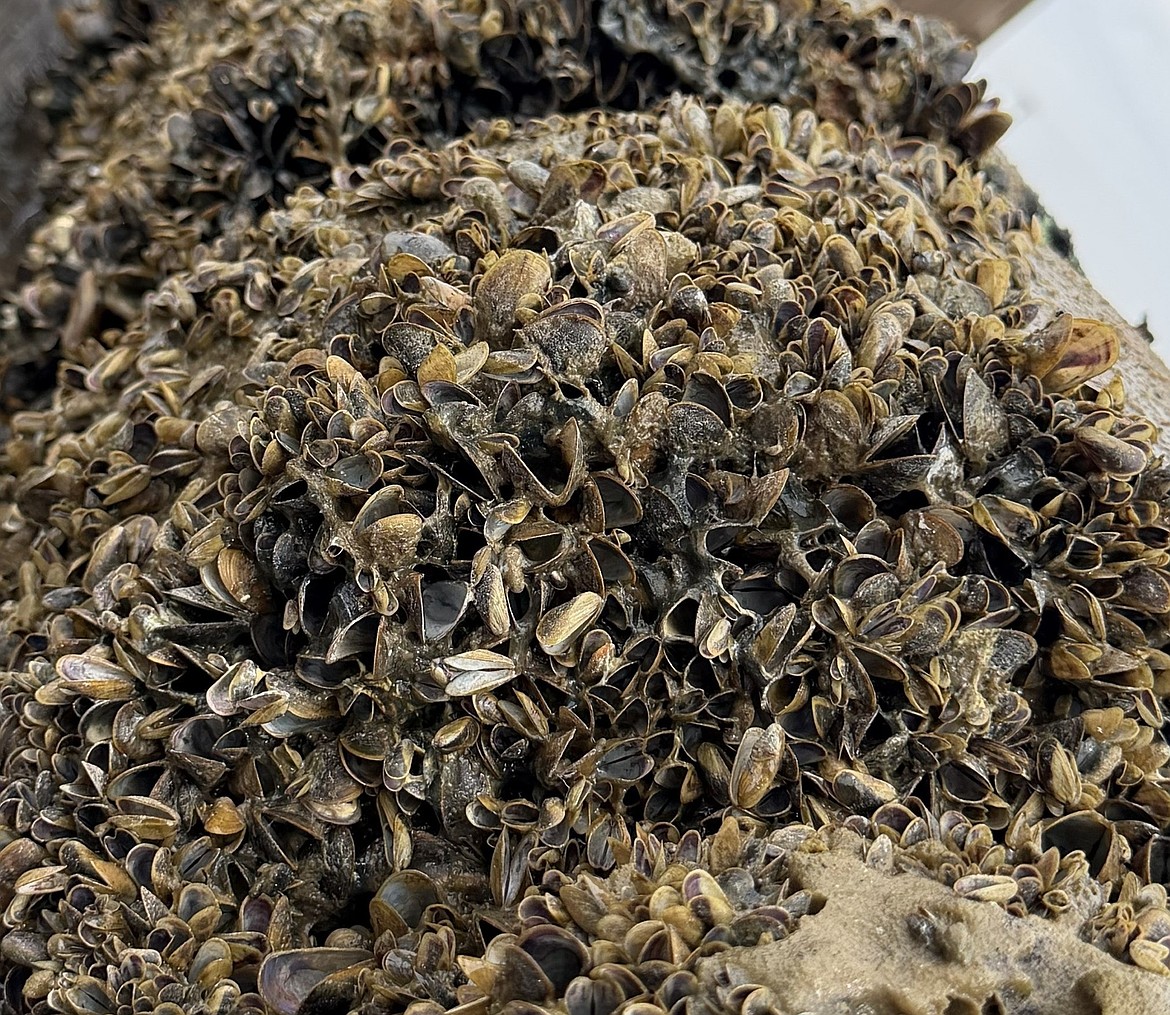
Photo courtesy of Our Gem.
When California discovered golden mussels in the Sacramento-San Joaquin Delta in November 2024, resource managers immediately recognized the seriousness of the situation. Unlike many invasive species that take years to show their impacts, experts knew right away that this tiny freshwater mussel could create enormous ecological and economic problems.
Today, California is investing millions of dollars to protect critical water infrastructure from a species that is virtually impossible to eliminate once established. Their experience offers an important lesson for Idaho: preventing aquatic invasive species is far less expensive and far more effective than trying to control them after they arrive.
Golden mussels are native to rivers and lakes in China and Southeast Asia but have spread to other parts of the world, including Japan and South America, where they have caused significant problems for water systems and ecosystems. Although they resemble zebra and quagga mussels, they present an even greater concern because they tolerate a wider range of environmental conditions, including lower dissolved oxygen levels, varying salinity, warmer temperatures and more polluted water.
"Golden mussels weren't necessarily the species California was expecting," explained one treatment specialist working directly on the state's response. "Zebra and quagga mussels had been on everyone's radar for years, but golden mussels are a different animal entirely."
Unfortunately, by the time they were discovered in California's Delta, the infestation had already spread throughout a maze of channels, sloughs and waterways. Eradication was no longer realistic. Instead, agencies shifted their focus to suppressing populations and protecting infrastructure.
Golden mussels reproduce rapidly. Their microscopic larvae, called veligers, drift through the water like tiny snowflakes until they find a hard surface to attach to.
Once attached, they reproduce quickly and form dense colonies. A single female golden mussel can produce 1 million eggs. Individual adult mussels cling tightly to surfaces using strong, thread-like fibers known as byssal threads, then grow on top of one another, creating thick layers that become extremely difficult to remove.
Hydropower facilities, irrigation systems, drinking water plants, pumping stations and industrial cooling systems all depend on moving large volumes of water through pipes, screens, filters and valves. Golden mussels can attach to virtually every available surface, gradually restricting water flow and clogging pipes, pumps and screens. They can coat infrastructure within months, restricting flow through canals and treatment facilities.
One expert compared the process to clogged arteries.
"It's like atherosclerosis in the human body," he explained. "Everything still works, for a while, but as the passageways narrow, it becomes harder to move enough water. Eventually systems can overheat, pumps become less efficient and maintenance costs climb dramatically."
Removing adult mussels often requires weeks of chemical treatment using copper-based products or extensive manual scraping and pressure washing. Those treatments are expensive, labor-intensive and must be carefully managed to avoid harming other aquatic organisms.
Many facilities are instead focusing on preventing larvae from settling in the first place. Low concentrations of copper can prevent veligers from attaching, while some facilities are exploring ultraviolet light systems that kill larvae before they establish colonies. However, retrofitting older infrastructure with new treatment technologies requires substantial investment.
Those costs ultimately affect everyone. Irrigation districts face higher operating expenses that can increase agricultural costs. Drinking water providers (and ultimately their ratepayers) must spend more maintaining treatment facilities. Hydropower operators and their customers incur additional costs to keep generating electricity. Smaller water users and irrigation districts often struggle the most because they lack the resources available to larger agencies.
California's experience highlights why Idaho has invested heavily in watercraft inspection stations and public outreach programs encouraging boaters to “Clean, Drain, Dry” their watercraft.
According to the California treatment specialist, those inspection stations are the state's best defense.
"They're the first line of defense," he said. "Whatever can be done to strengthen those programs — longer hours, additional inspections, public cooperation — it's worth it."
Idaho recently demonstrated how valuable early detection can be. When a single Quagga mussel larva was detected in the Snake River, agencies responded immediately. Because it was discovered early and confined to a relatively small area, managers could aggressively pursue eradication before mussels became established throughout the system.
California never had that opportunity. The Delta's immense size and interconnected waterways allowed the mussels to spread before anyone knew they were there.
That difference underscores the importance of preparation. Idaho agencies had conducted planning exercises and response drills before detection, allowing them to move quickly when it mattered most.
Preventing the spread of aquatic invasive species isn't solely the responsibility of state agencies. Every boater, angler, paddler and water recreation enthusiast plays an important role.
A single contaminated boat or trailer can transport microscopic mussel larvae from one waterbody to another. Because the larvae are invisible to the naked eye, people often have no idea they're carrying them.
Cleaning hulls and equipment, draining all water in bilges and live wells and allowing boats to dry thoroughly before launching elsewhere remain among the most effective ways to stop the spread. Even gear like waders and boots should be cleaned and dried before moving to other waterbodies. Assume anything that touches water can carry away a veliger.
For Idaho, the lesson is clear: investing in prevention today is far less costly than paying for control forever.
For more information about the Our Gem Collaborative, visit: https://iwrri.uidaho.edu/outreach-our-gem/.