

CONTRIBUTED CONTENT: Cholesterol and heart health: Are we focusing on the wrong things?
For decades, cholesterol has been portrayed as a dangerous substance to keep as low as possible. Millions fear elevated cholesterol means inevitable heart disease. Yet cholesterol is not a poison. It is one of the body's most essential building materials.
Your liver manufactures most of your cholesterol. Every cell depends on it for strong, flexible membranes. Cholesterol is necessary for producing vitamin D, manufacturing bile to digest fats, insulating nerves, and repairing tissues. It is also the foundation for hormones including estrogen, progesterone, testosterone, and cortisol. Your brain is particularly rich in cholesterol, essential for healthy brain and nerve function. Cholesterol is part of the body's natural repair system, acting much like a healing serum that supports damaged tissues, including blood vessels. But finding cholesterol in arterial plaque doesn't mean cholesterol alone caused the damage. Inflammation, blood sugar instability, smoking, oxidative stress, vitamin B deficiencies, and metabolic dysfunction deserve attention too.
Why would the body manufacture so much of something supposedly harmful?
Perhaps more revealing than total cholesterol are triglycerides, blood glucose, hemoglobin A1c, and other markers of metabolic syndrome. High triglycerides, particularly with low HDL cholesterol, frequently indicate insulin resistance. A1c reveals longer-term blood sugar patterns; fasting glucose offers another window into metabolic health. High blood pressure and abdominal fat complete a picture cholesterol alone cannot provide. Someone can have normal cholesterol while struggling with serious metabolic dysfunction. Conversely, elevated cholesterol does not automatically mean cardiovascular disease. The whole picture matters.
For years, total cholesterol below 200 was considered desirable. Today, treatment recommendations pursue LDL levels below 70, even 55 for certain high-risk individuals. Quite frankly, this trend alarms me. How low are we willing to push a substance essential to life? Are we treating the individual or chasing ever-lower numbers? Are pharmaceutical interests taking precedence over health?
But why have cholesterol levels become elevated in the first place? Thyroid dysfunction, insulin resistance, inflammation, poor nutrition, stress, tissue injury, and hormonal imbalance can influence cholesterol regulation. Excess sugar and refined carbohydrates can drive triglycerides upward while disrupting insulin regulation. Addressing underlying conditions may improve far more than a laboratory number.
What really matters for heart health? Healthy blood vessels, stable blood sugar, good circulation, balanced hormones, and sufficient nutrients. That means reducing sugar and processed carbohydrates, eating adequate protein and healthy fats, staying active, sleeping well, and addressing stress. Acupuncture and nutritional support can complement these efforts by supporting circulation, stress management, metabolic health, and more.
What your heart really needs is a body capable of maintaining and repairing itself. Cholesterol is part of that healthy physiology, not simply an enemy to eliminate. Rather than chasing numbers, let's focus on restoring health.
Want to explore this topic further? Listen to Ep 144, “Your Cholesterol Numbers and What They Mean,” and Ep 11, “Taking Charge of Your Cardiovascular Health,” on the VitalHealth4You podcast. Find VitalHealth4You on your favorite podcast app or visit vitalhealthcda.com/podcasts/
• • •
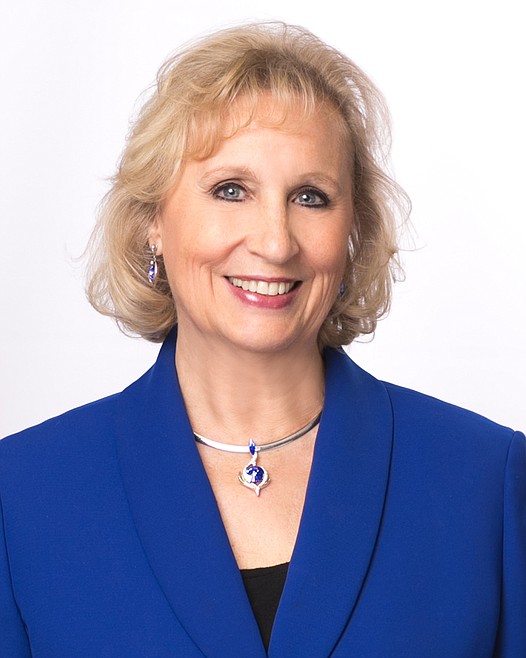
Dr. Holly Carling is a Doctor of Oriental Medicine, Licensed Acupuncturist, Doctor of Naturopathy, Clinical Nutritionist and Master Herbologist with over four decades of experience. Dr. Carling is a “Health Detective,” she looks beyond your symptom picture and investigates WHY you are experiencing your symptoms in the first place. Dr. Carling is currently accepting new patients and offers natural health care services and whole food nutritional supplements in her Coeur d’ Alene clinic. Visit Dr. Carling’s website at www.vitalhealthcda.com to learn more about Dr. Carling, view a list of upcoming health classes and read other informative articles. Dr. Carling can be reached at 208-765-1994 and would be happy to answer any questions regarding this topic.