

How severe weather impacts local bridges and what engineers are doing to fix it
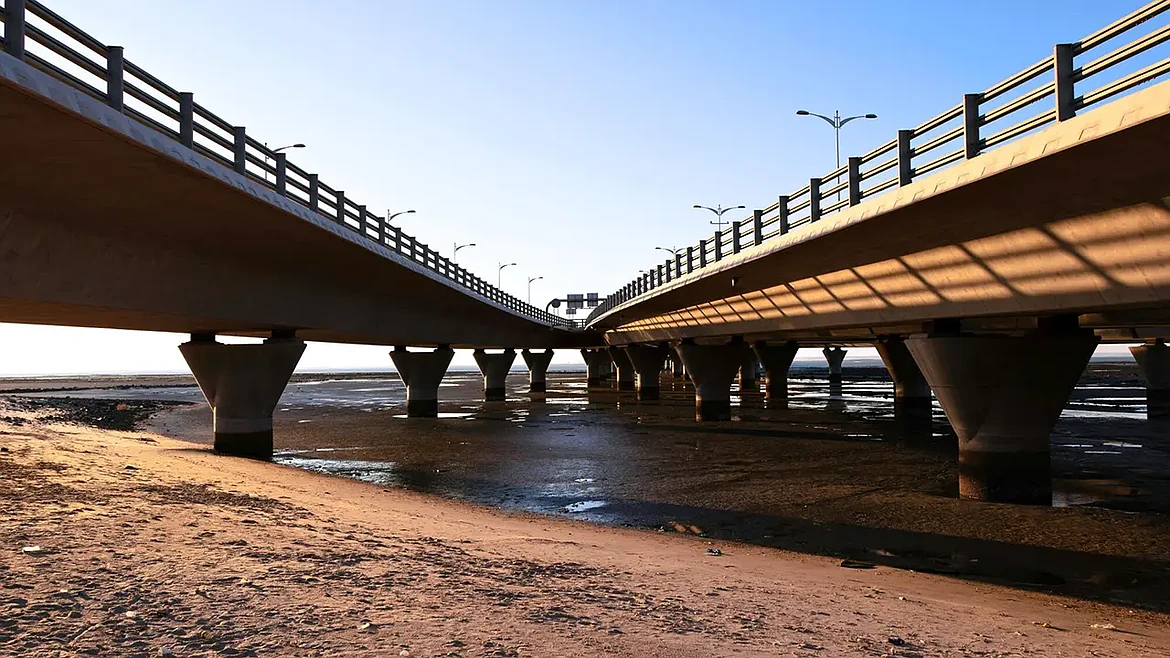
Local bridges aren't immune to severe weather, and everything from flooding and erosion to extreme temperatures and high winds can damage them. Engineering solutions can boost public safety and further solidify transportation by taking advantage of dependable materials, fine-tuned drainage systems, and periodic inspections, among other tried-and-true strategies.
It's easy to take bridges for granted, but they're the sole reason that many neighborhoods and local businesses remain connected, not to mention lifesaving routes for emergency services. When storms or other extreme weather events cause major damage, entire communities can struggle until services are up and running again.
Comprehending exactly how weather affects bridges helps reinforce the need for farsighted infrastructure improvements and thorough engineering.
How Do Most Bridges React to Extreme Weather?
Flooding is one of the biggest threats to bridges, especially for those that go over rivers or drainage channels. Incessant rainfall can raise water levels at the drop of a hat. It's not difficult to see how this can increase the pressure on bridge supports and even sweep debris until it hits vital parts of the bridge.
As if debris wasn't bad enough, speeding water also has the potential to wash away soil surrounding crucial foundations. This damaging process is called scouring and, at its worst, can cause bridge supports to lose stability. From there, the bridge can end up fully or partially collapsing.
Beyond water, there's the danger of strong winds. They're especially challenging for long bridges with uncovered decks and any lightweight structural pieces. Both hurricanes and powerful thunderstorms can generate great gusts that put even more stress on the following aspects of a bridge:
- Surfaces
- Railings
- Supporting structures
As with water, there's the risk of windborne debris, which can put a dent in protective barriers or outright destroy them.
You may be surprised to learn that temperature fluctuations can lead to equally serious problems. For instance, concrete expands under high-temperature conditions and then contracts when temperatures fall.
It's easy to see how repeated freeze-thaw cycles can cause tiny cracks to expand and weaken the bridge. An issue of this nature isn't limited to concrete, because metal components can also experience fatigue as temperatures dip and soar. It's a problem that can worsen when a bridge has to contend with heavy traffic on a consistent basis.
Coastal Risks to Consider
Coastal bridges face the above risks and more. The following can complicate matters:
- Saltwater exposure
- Storm surges
- Corrosive conditions
Salt is one of steel's worst enemies, and it can speed up its deterioration, even when inside concrete. What's especially concerning about this situation is that a weakened bridge can look just fine from the outside. As such, engineers must account for each of these environmental pressures when planning infrastructure protection.
What Precisely Are Engineers Doing to Make Bridges More Resistant?
Modern engineering is all about preventing damage in the first place rather than trying to fix it after the fact. One staple strategy involves refining drainage. Engineers design cutting-edge systems that move rainwater well away from bridge decks and foundations instead of letting it build up around the bridge's most vulnerable parts.
There's no denying the critical need for foundation improvements, especially in flood-prone areas. While flood resilience hinges on local geology and water conditions, engineers may do the following:
- Install deeper piles
- Reinforce existing foundations
- Protect riverbanks with specially designed materials
Measures such as rock armoring can go a long way toward reducing erosion around bridge supports while also shrinking the risk of flood-fueled scour.
Material selection can make the difference between a weather-resistant design and one that folds under stress. The following can extend the functional lifetime of bridges, even ones exposed to particularly harsh environmental conditions:
- Corrosion-resistant steel
- Durable concrete mixtures
- Protective coatings
- Fine-tuned waterproofing systems
Engineers may also tap into the benefits of flexible joints and other components made to handle temperature changes and boost structural longevity.
Other Helpful Strategies
What's great is that technology is making inspections much more effective than they once were. Sensors can monitor everything from vibration and movement to strain and beyond.
That's not all, because drones make it possible for inspectors to scrutinize hard-to-reach areas without the need for pricey access equipment or time-consuming closures. Best of all, the data collected over time can help engineers pinpoint developing problems and prioritize repairs.
For anyone investing in vehicular bridges by YBC, remember that evaluating bridge construction and improvement projects calls for consideration of the following:
- Local climate conditions
- Expected traffic volumes
- Long-term maintenance requirements
A design well-suited to a dry inland environment may need vastly different materials and protective measures than one with a high risk of flooding.
Frequently Asked Questions
How Do Engineers Know for Sure If a Bridge Is Safe After a Bad Flood?
Before giving the green light, engineers need to inspect bridges for both visible damage and deeper problems, including those below the waterline. They may need to do the following and more:
- Examine foundations for scour
- Double-check structural components for movement or cracking
- Use sonar, underwater cameras, or other specialized equipment
Keeping a closer eye on the bridge afterward can provide additional info about structural behavior. It's sometimes necessary for authorities to temporarily close a bridge until certified experts determine whether or not it's truly safe for public use.
Can Old Bridges Be Upgraded to Withstand Today's More Severe Weather?
Yes, it's indeed possible. So many older bridges are in need of strengthening through rehabilitation projects.
Engineers in charge of bridge maintenance may do the following:
- Reinforce foundations
- Improve drainage
- Switch out deteriorated components for fresh ones
- Add scour protection
- Apply corrosion-resistant treatments
Still, not every structure can be upgraded economically or safely, so sometimes it's necessary to start from square one.
Engineering Solutions Will Always Prevail Over Harsh Weather
While extreme weather can put a strain on engineering solutions, it's all about staying ahead of the game. By using the best possible materials, inspecting bridges regularly, and more, you can ensure bridges are up and running for the long haul.
Idaho residents have enjoyed our news coverage for years. Subscribe today to tune in to everything from local to international content.
This article was prepared by an independent contributor which helps us continue delivering quality content to our audiences.