

The garden carries on

Candace Godwin
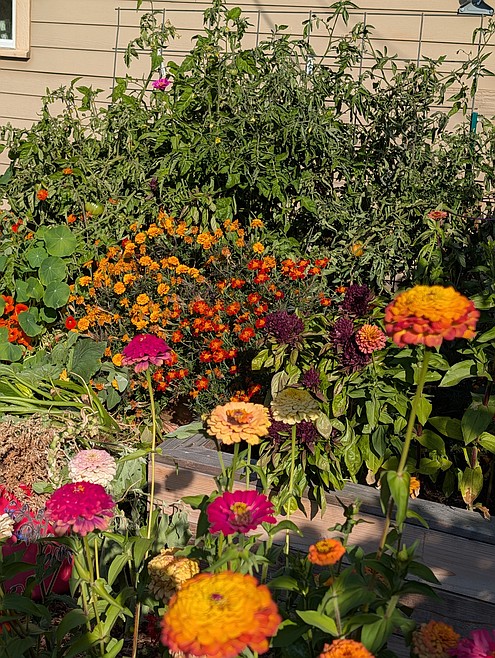
Amid the jungle of plants, bright zinnia blooms brought a smile to my face.
Photos by CANDACE GODWIN
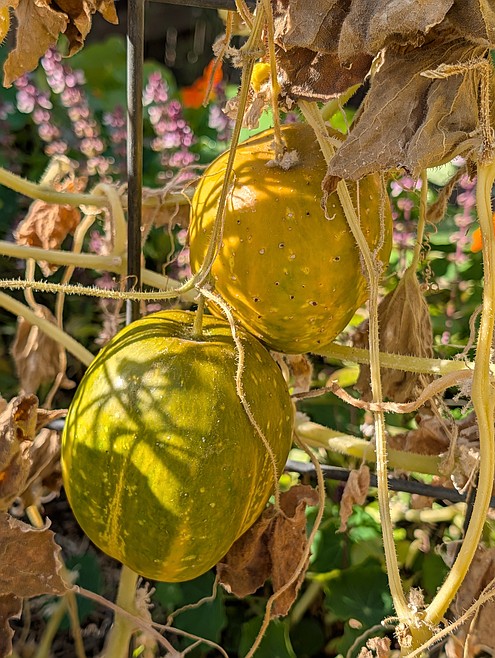
Some things, like these overripe cucumbers, missed the harvest window entirely. Luckily, they are perfect for seed harvesting.
Photos by CANDACE GODWIN
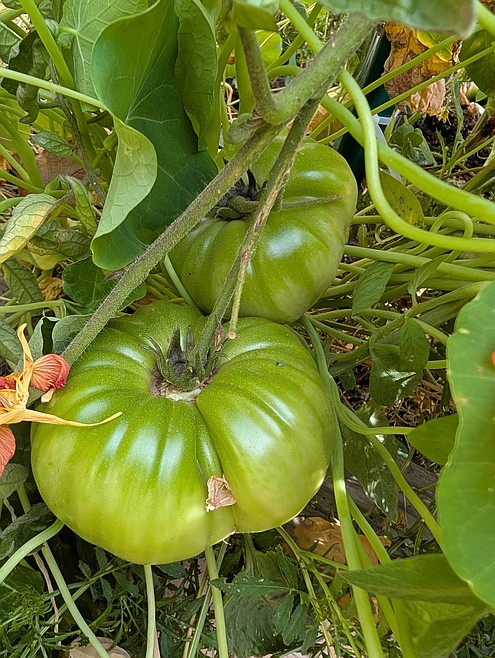
Deep inside the tomato vines, many treasures hid, like these huge green tomatoes.
Photos by CANDACE GODWIN
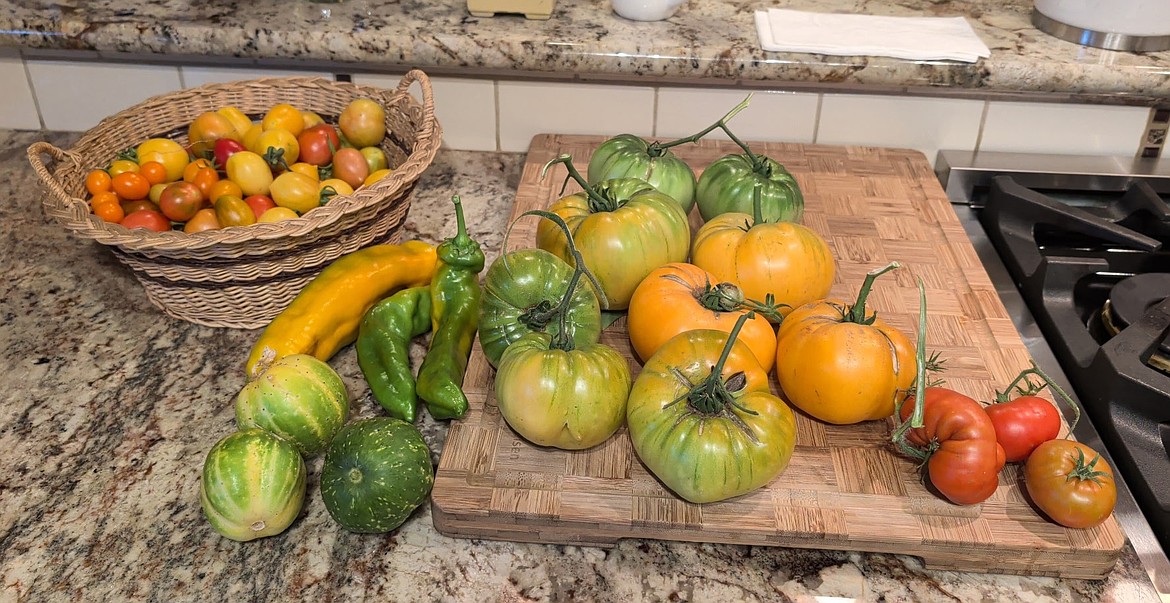
I was able to harvest a fair amount of produce from my neglected garden, proving it was much more resilient than I had thought.
Photos by CANDACE GODWIN
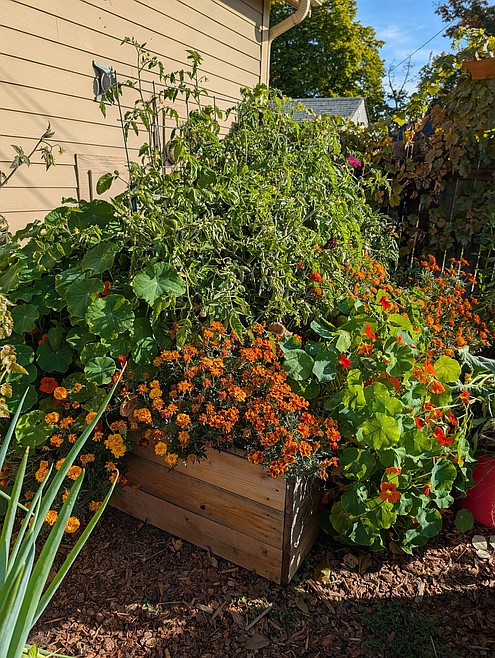
My garden was neglected for five weeks, yet it still flourished, as evidenced by the huge mound of nasturtiums, abundant marigolds, and a tangle of tomato vines.
Photos by CANDACE GODWIN
The garden had reached jungle status well before I left it to its own devices. I’d spent much of the summer trimming tomato stems and wrangling branches heavy with fruit into place, yet it still had a mind of its own. What I found after several weeks of neglect was beyond words.
Loads and loads of cherry tomatoes hung heavy on the vines — most had split from the few September showers, and many were already rotting. Beefsteaks grew to ponderous proportions, hidden beneath a dense thicket of stems.
The beans that were just coming on in late August were now leathery; some pods had already split, spilling seeds onto the soil. But the zinnias, started late, were a bright spot. Their brilliant blooms instantly brought a smile — as they always do.
Even after nearly five weeks of neglect, there was still life in the garden. Things were growing, ripening, and blooming. The garden hadn’t stopped just because I had stopped gardening.
In mid-August, my husband, Hal, was diagnosed with cancer, and almost overnight, my priorities shifted. The garden, which had occupied so much of my daily life, took a back seat to something far more important.
Nature Doesn't Need a Daily Supervisor
What became abundantly clear was that the garden was quite capable of thriving without my supervision. Granted, I stepped away from daily tending late in the season. The plants were established; their most demanding growing period was behind them, temperatures were moderate, and there had been a bit of rain.
Without consistent watering, I assumed the garden would simply die back. But no — those established roots reached into the soil for moisture, and the plants continued to flourish. A nice reminder of the value of watering slowly and deeply. This was especially true, surprisingly, for the cucumbers.
But it wasn’t all grand. Aphids moved in on the broccoli, and leaf miners had their way with the Swiss chard. Such is life in the garden — even when we’re paying close attention.
After years of fussing over every leaf and blossom, I discovered the garden was perfectly capable of managing without me. A humbling revelation.
The Difference Between Tending and Controlling
As gardeners, we water, fertilize, prune, weed, monitor for pests, and generally try to keep everything running smoothly.
We like to think we're in charge. But are we?
There is a difference between helping nature along and controlling it. We can create optimal growing conditions, providing water, nutrients, and protection when needed. But ultimately, the plants do the growing, and sometimes they manage remarkably well without our interference.
Think of the determined dandelion blooming from a crack in the sidewalk. Nobody planted it, watered it, or fussed over it. Yet there it is.
Of course, this doesn’t mean gardens never need attention. It means the natural world possesses a resilience we often underestimate.
Resilience Isn't the Absence of Difficulty
My garden didn’t emerge from five weeks of neglect unscathed. Many harvests were lost, including hundreds of cherry tomatoes, beans, and peppers. But despite the losses, the garden carried on.
Resilience doesn't mean everything stays the same. It means finding a way to carry on despite the changes.
That thought has taken on a different meaning for me as Hal and I navigate the uncertainty of his illness. We are resilient, but it’s not always about “being strong” or “moving forward.”
Life persists in small, sometimes unexpected ways, even when our attention is consumed by worry, uncertainty, and responsibilities we never anticipated.
There are days when simply carrying on is enough.
Returning to the Garden
I’m back in my garden for now, tackling fall chores. As I cleared the tangle of tomatoes and nasturtiums, I thought not of how untidy the scene was (and boy howdy, it was), but of how these plants flourished in my absence.
From those leathery beans, overripe cucumbers, and shriveled peppers comes a new supply of seeds for next season. Not to mention the thousands of marigold and nasturtium seeds collected (and self-seeded throughout the garden).
The garlic will go in this coming week — a bit later than usual, but still in plenty of time. Compost is on its way, ready to replenish the soil for another growing season.
There's comfort in returning to something familiar, and sometimes the simple act of planting garlic cloves or spreading compost offers a welcome moment of normalcy.
The Garden Carries On
When I stepped away from the garden, I assumed the season would simply wind down without me. Some plants succumbed, others dug in deep and flourished. And despite everything, the garden continued doing what gardens do.
Now, as I put it to bed for winter, I find myself appreciating what it accomplished rather than dwelling on what I missed out on or what didn't get done.
The garden is entering another season. So are we.
Sometimes life requires us to step away from the things we love to tend to what matters most. We can't control everything, in the garden or in life. But we can do our best with what's in front of us, and trust that some things will carry on without our constant attention.
As my garden reminded me this fall, sometimes they do.
• • •
Candace Godwin is a certified Idaho Master Gardener, garden consultant, writer, and owner of The Coeur d’Alene Coop (thecoeurdalenecoop.com), a licensed nursery offering seasonal online plant sales.
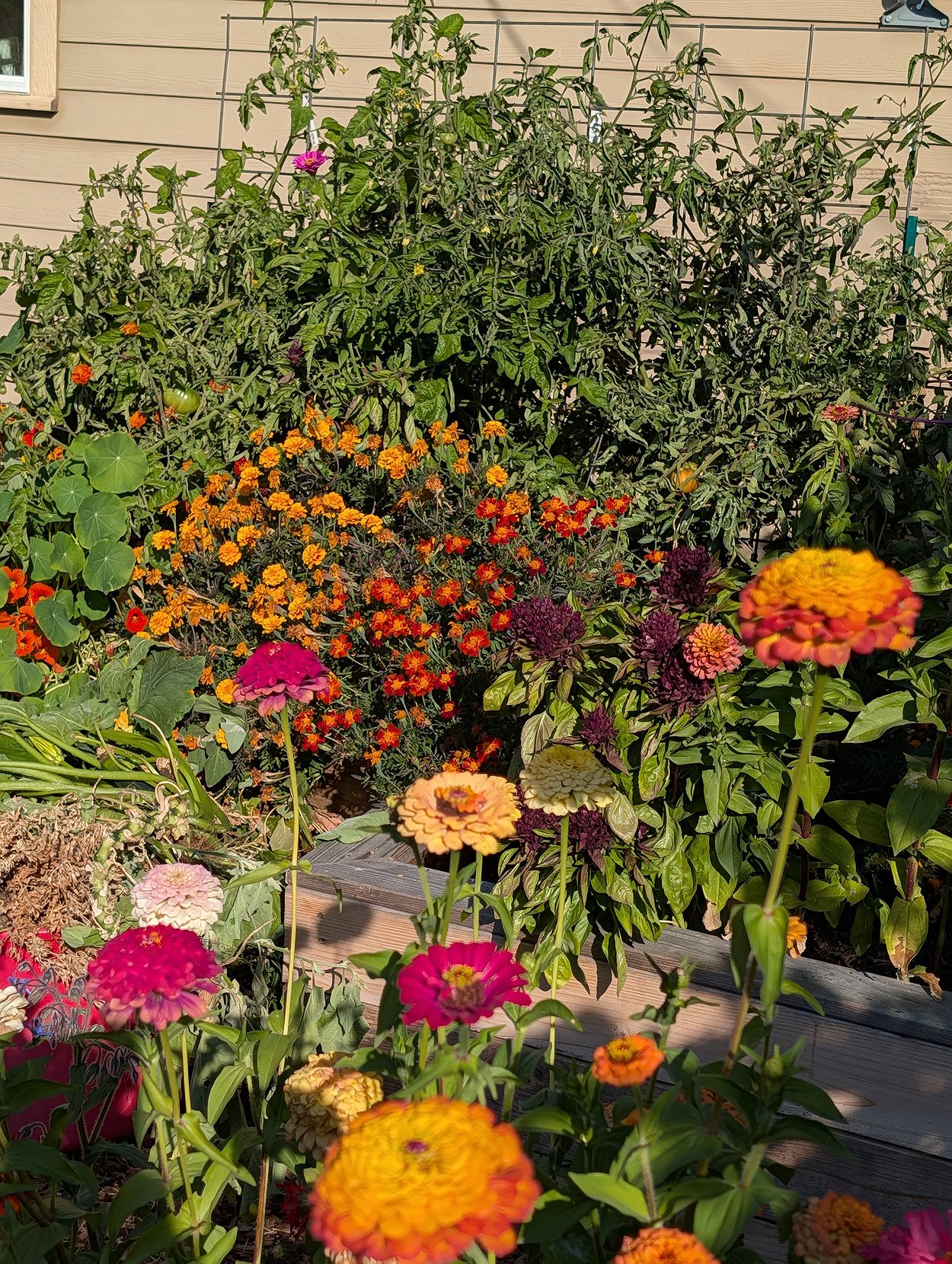 Amid the jungle of plants, bright zinnia blooms brought a smile to my face.
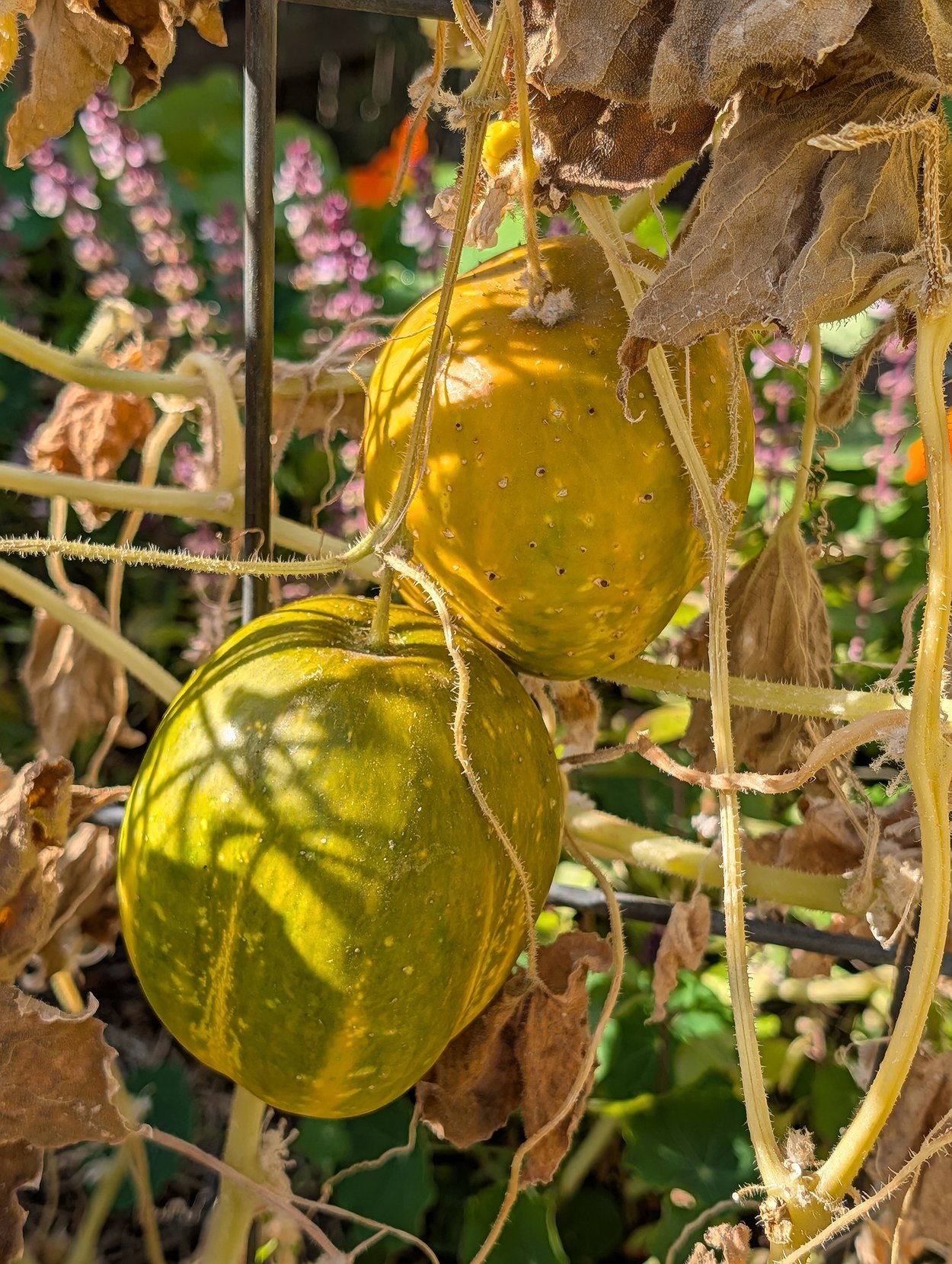 Some things, like these overripe cucumbers, missed the harvest window entirely. Luckily, they are perfect for seed harvesting.
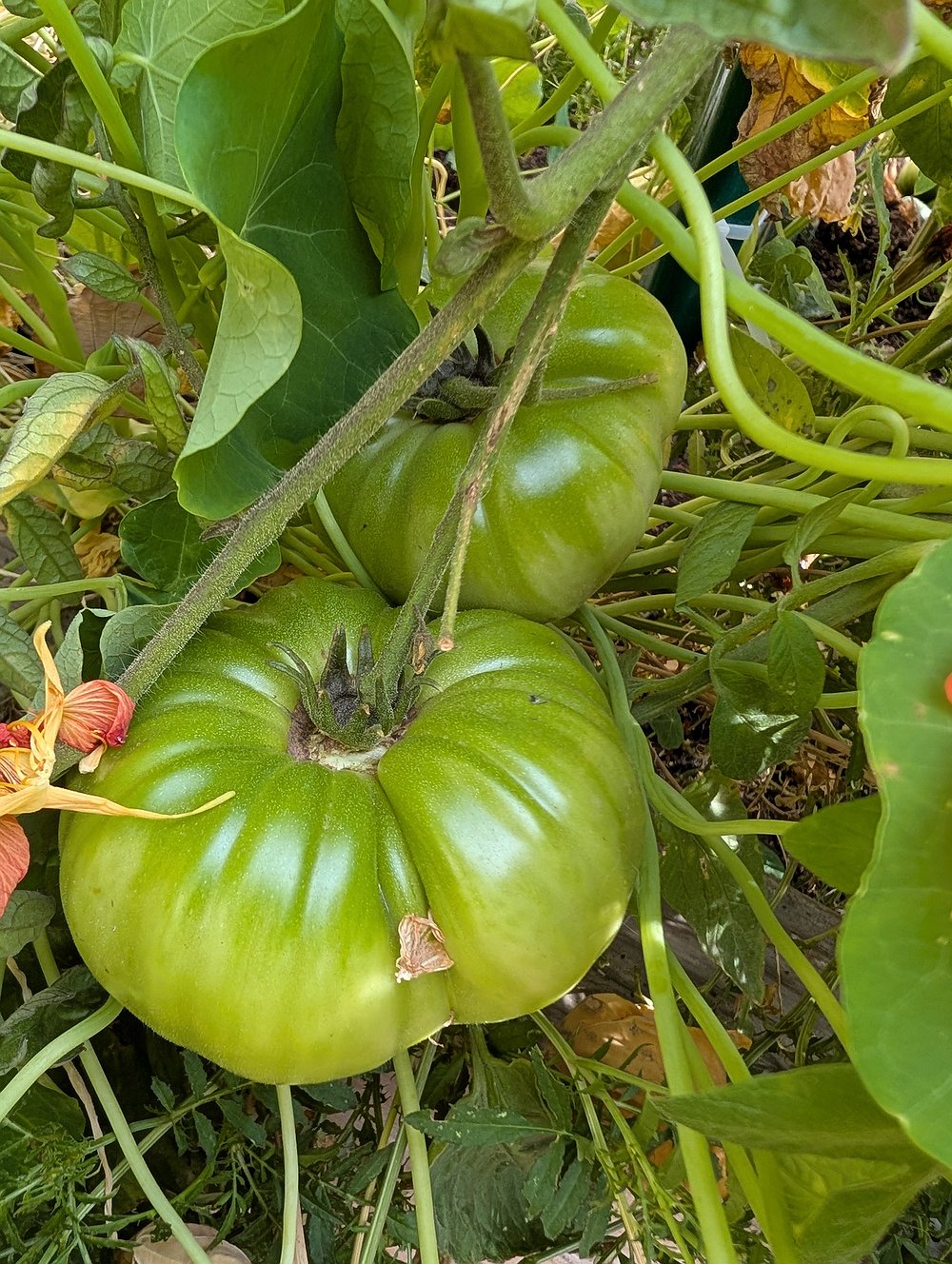 Deep inside the tomato vines, many treasures hid, like these huge green tomatoes.
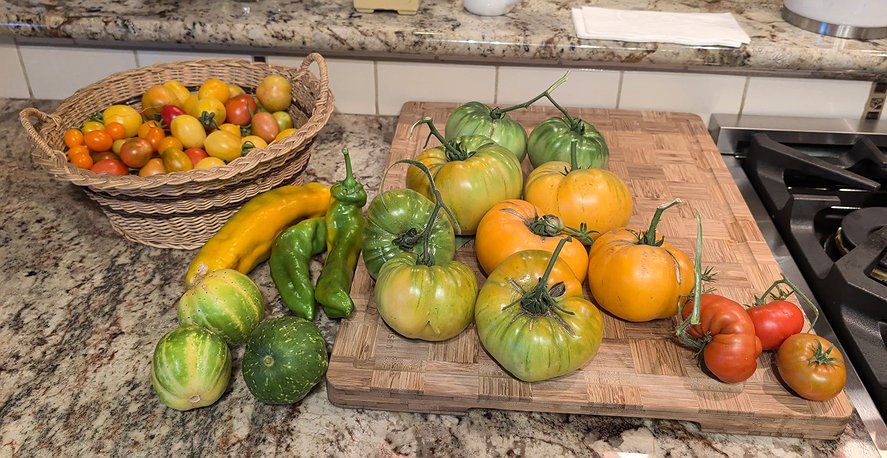 I was able to harvest a fair amount of produce from my neglected garden, proving it was much more resilient than I had thought.
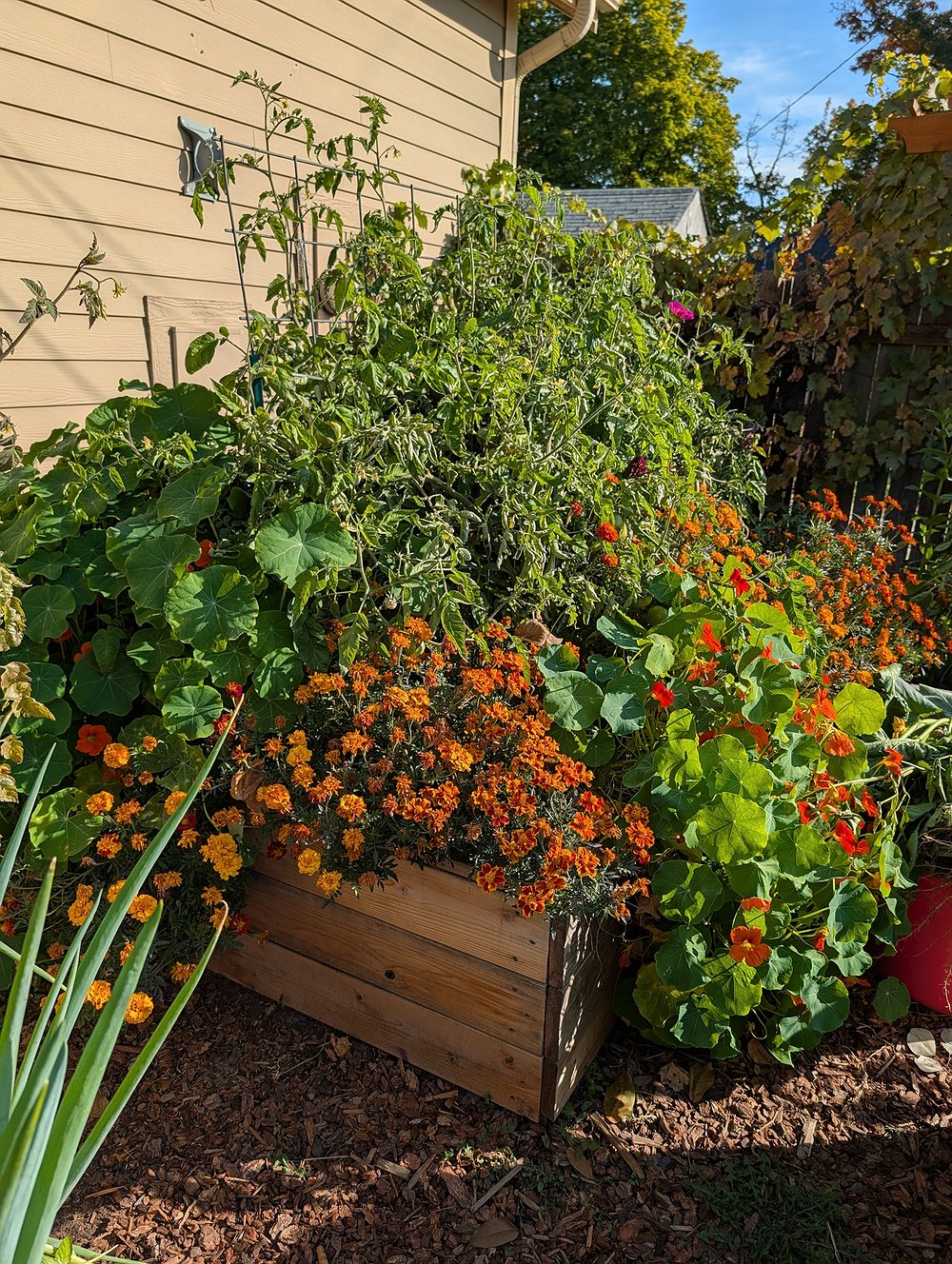 My garden was neglected for five weeks, yet it still flourished, as evidenced by the huge mound of nasturtiums, abundant marigolds, and a tangle of tomato vines.