

Polling Fashion: Idaho voters free to wear their politics
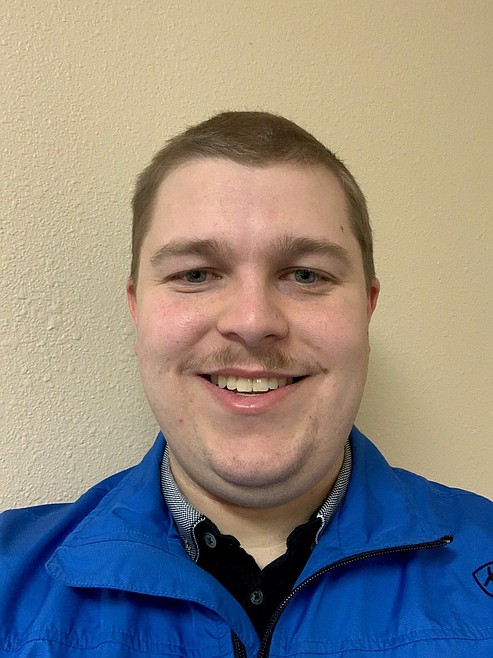
Kootenai County Elections Director Asa Gray.
Courtesy of Asa Gray
Should in-person voters promote candidates or ballot initiatives on their clothing? VoteIdaho.gov guidelines say no, but no Idaho law prohibits it.
VoteIdaho's guide to voting in person states that polling places are "nonpartisan spaces" and asks voters not to "wear or bring anything to vote that promotes a candidate, issue, or party on the ballot."
"It's ideal if voters are not wearing anything related to a specific candidate, but it's more of a guideline," said Kootenai County Elections Director Asa Gray. "I can't think of anything that would cause us to turn a voter away based on what they're wearing."
According to Democracy Docket, 21 states had laws in 2024 that prohibited voters from wearing campaign apparel at polling places. Idaho is not one of them.
Kootenai County voters will not be turned away at the polls based on their clothing. However, Gray said poll workers may not wear clothing that promotes a candidate or initiative because Idaho law considers that electioneering.
Under Idaho Code Section 18-2318, it is illegal to engage in electioneering, solicit signatures, circulate literature or advocate for a specific candidate within 250 feet of a polling place's primary entrance or exit. It is also illegal to engage in any activity that prevents citizens from voting, such as blocking traffic or harassing voters.
"If those situations come up, our first goal is to resolve the situation and meet their needs," Gray said. "But we may need to call law enforcement."
According to Gray, the elections department frequently deals with groups distributing literature outside polling places. He said the practice has become more common over the past five to six years, but it rarely requires calling law enforcement.
"We have not seen anyone so far this year," Gray said.
To help prevent violations, Gray said he emails candidates and political organizations before each election to remind them of the restrictions and the 250-foot buffer zone around each polling place.
Early voting takes place Oct. 19-30 from 8 a.m. to 5 p.m. at the Elections Department. According to Gray, about 40-50% of voters cast their ballots during early voting, while the other 50-60% wait until Election Day.
Gray said turnout on the first day of early voting was very “robust” and that he expects 8,000 to 12,000 people to vote over the next two weeks.