THE DIRT: What are bollards and what do they do?
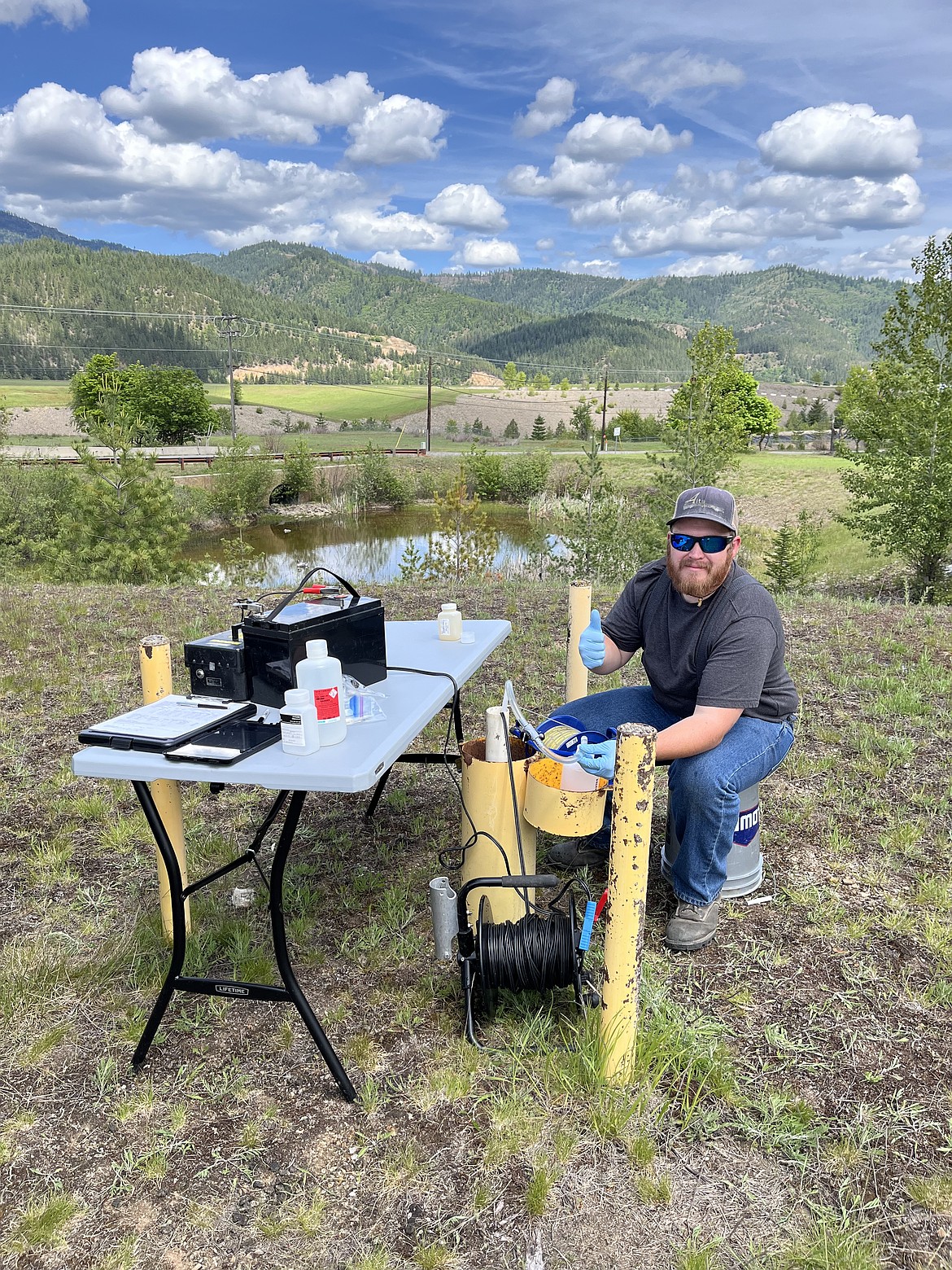
Testing is done at bollard near Kellogg.
Courtesy photo
If you've spent time exploring the Coeur d'Alene Basin, you've probably noticed bright yellow posts scattered throughout the landscape. They can be found near repositories, along roadsides, and at various cleanup sites. While they may not look like much, these yellow markers represent an important part of the long-term effort to understand contamination and measure the success of certain cleanup activities.
The yellow posts or markers are called “bollards.” Many of these bollards identify and protect groundwater monitoring wells from damage from vehicles and heavy equipment. The wells are installed during site investigations and to conduct long-term monitoring of groundwater flow direction and groundwater quality. Before a well is installed, crews drill deep into the ground to collect soil samples and characterize subsurface contamination. These investigations help scientists determine the nature and extent of metals contamination below the surface and identify areas that may require remediation.
Become a Subscriber!
You have read all of your free articles this month. Select a plan below to start your subscription today.
Already a subscriber? Login