
CONTRIBUTED CONTENT: Tree talk, part II
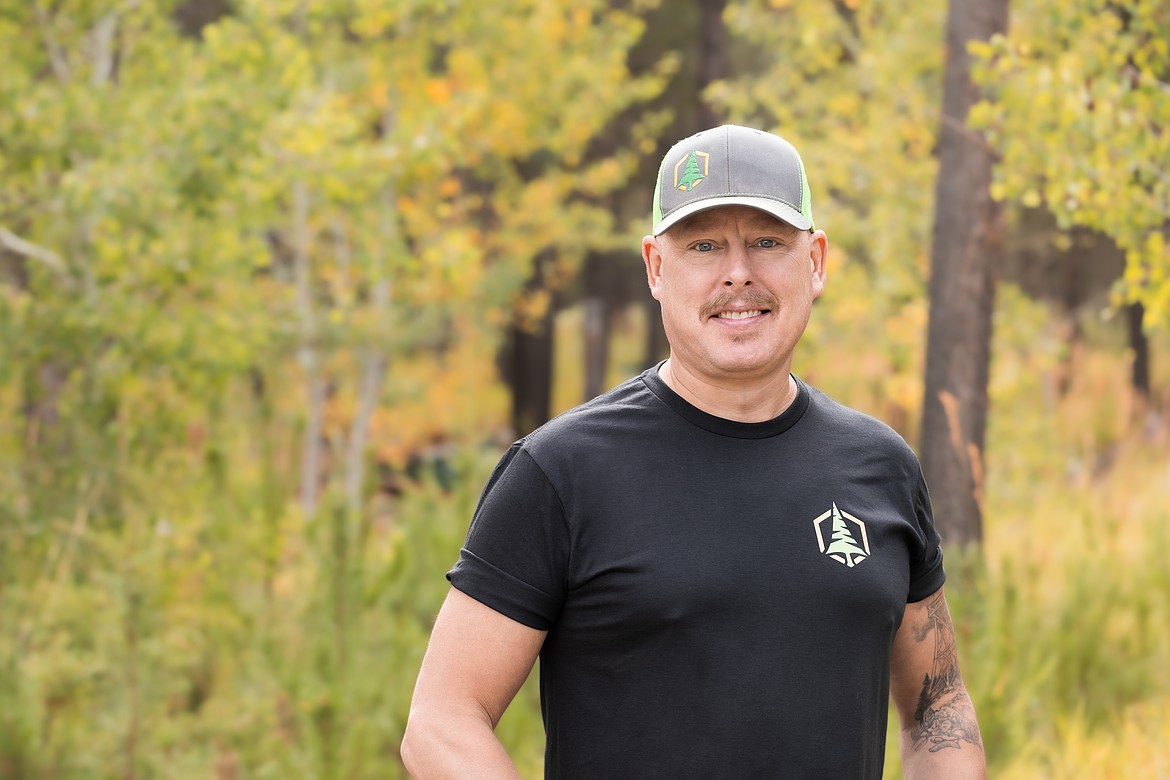
Shawn Bennett
Last week we defined Health as “Tree vitality and how well it functions as a living system,” Structure as the “Architecture and mechanics of the trunk and branches” and Form as its “aesthetic look or shape as it occupies space.”
These three basic definitions help lay the foundation for how we approach each tree to be pruned. As arborist, our job is to educate customers unfamiliar with these definitions and their differences. In turn, this can greatly assist in establishing clear objectives which we will be addressing through the actual pruning work. It really helps take a subjective topic and makes it much more objective.
With this addressed, both the Arborist and client can be on the same page of understanding of what current conditions their trees are in and objectives for the consideration of pruning them. Both then can understand that through proper pruning, we are promoting a sturdy “Structure,” a natural “Form” and in consideration of the trees overall “Health.”
It is very important to consider the tree health when pruning. If I have ever visited with you and talked pruning, you have heard me say, “Pruning is injury.” When done properly, the injury can be minimal but we must take tree health into consideration. A stressed/sick tree not growing well to begin with, may respond to pruning by further declining.
Tree “Form” is where things can become more challenging for customers to understand. They may want to prune a columnar and narrow tree down to develop a lower and more spreading crown or visa versa. This means forcing a tree to grow, respond and look differently than its natural shape. Depending on the age, health and species, we can manipulate “Form” to a certain degree. This is why we really promote “right tree, right location.” I would rather not attempt to change a trees natural form but acknowledge, trees take real time to grow and removing and replacing one is not always an option due to time. While manipulating a trees natural form comes with challenges, it can be done. Take fruit trees for instance. The natural form for most fruit trees would resemble a mid sized shade tree if left unpruned. To make it produce quality fruit at a pickable height, we force a more squat, spreading and contained form. The caveat is that the pruning must be repeated annually to maintain it.
I hope this very basic conversation helps as you look out the window at your own trees and as always, for further questions, quotes or consultations, give us a call today, 208-762-5800!
For more information on Grace Tree Service, check out our website at gracetreeservice.com.