

Garlic is a fall must — but not just any garlic will do
Candace Godwin
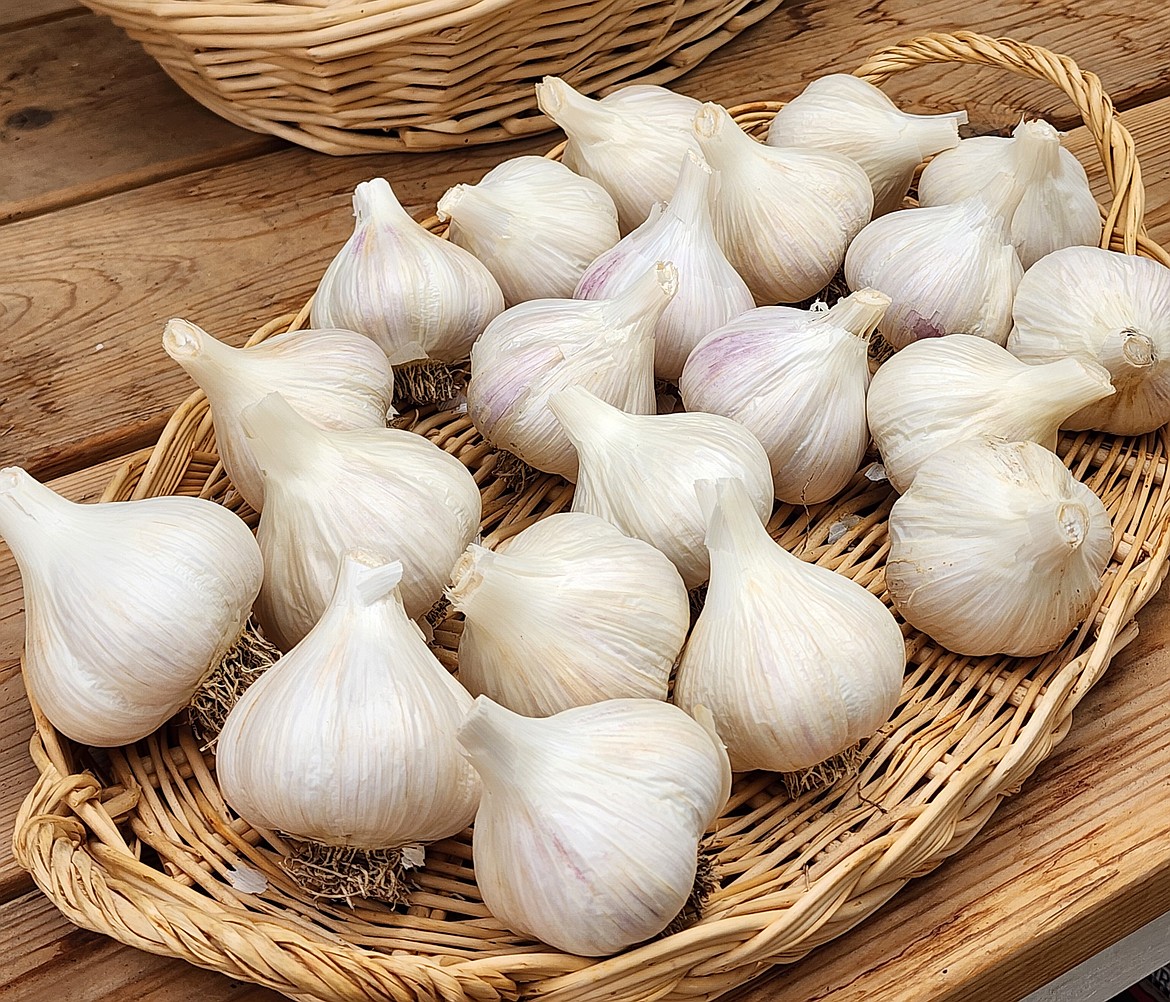
Garlic is one of the easiest and most satisfying vegetables to grow.
Photos by Candace Godwin
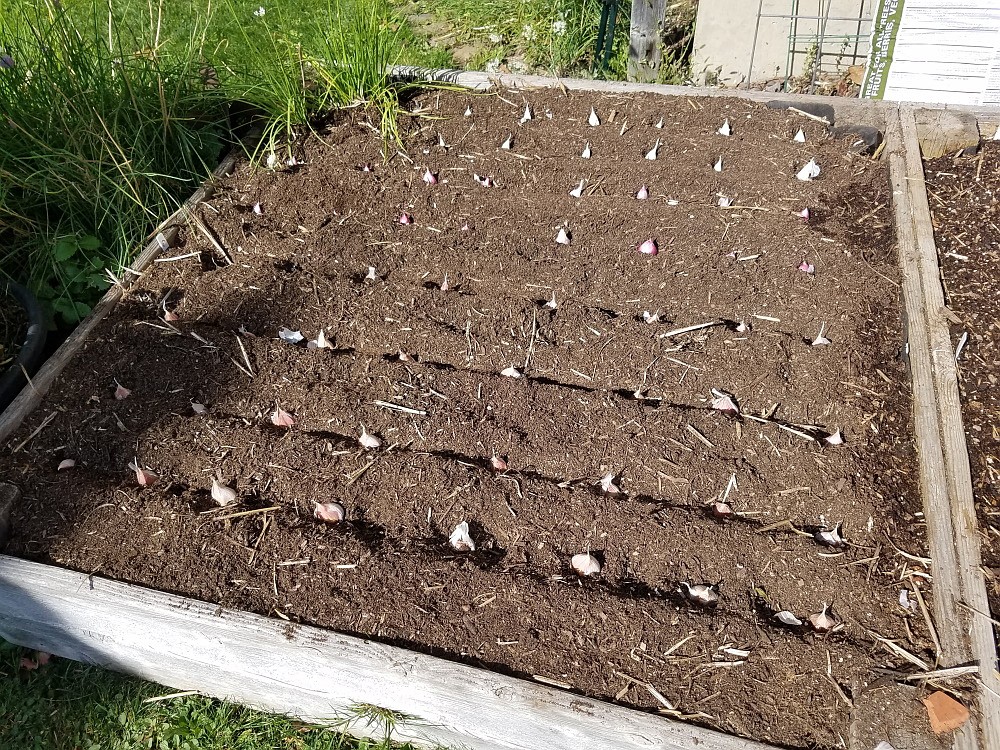
Garlic doesn’t require much garden space. A simple 4-by-4 raised bed can hold more than 60 plants.
All photos by CANDACE GODWIN
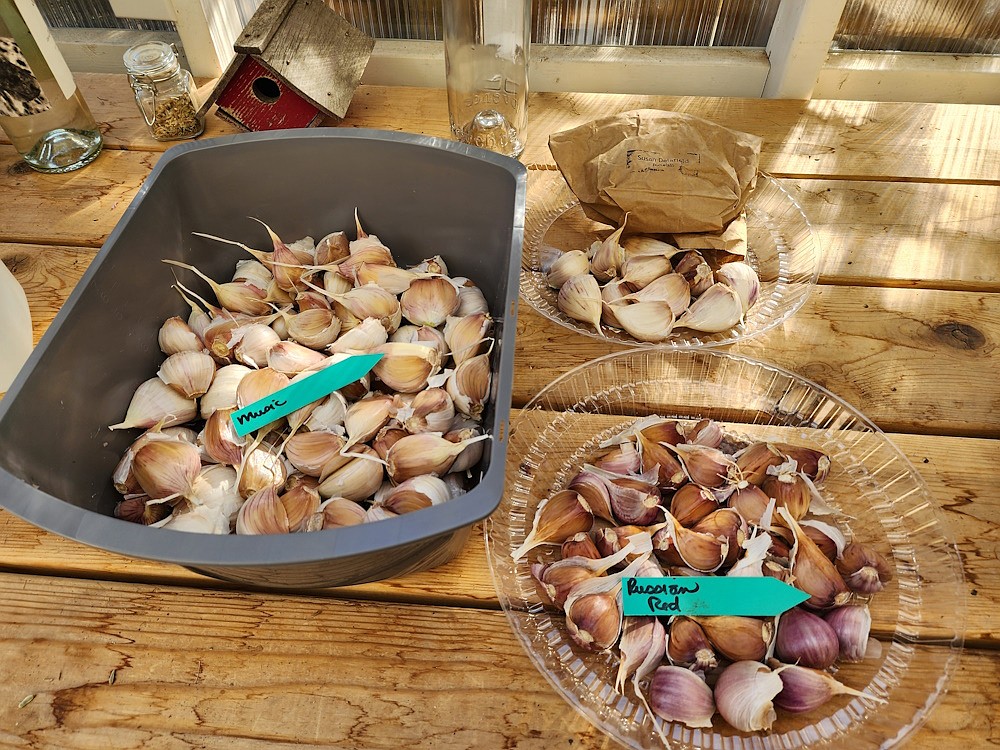
Garlic takes very little space in the garden, so you can experiment with growing several varieties.
All photos by CANDACE GODWIN
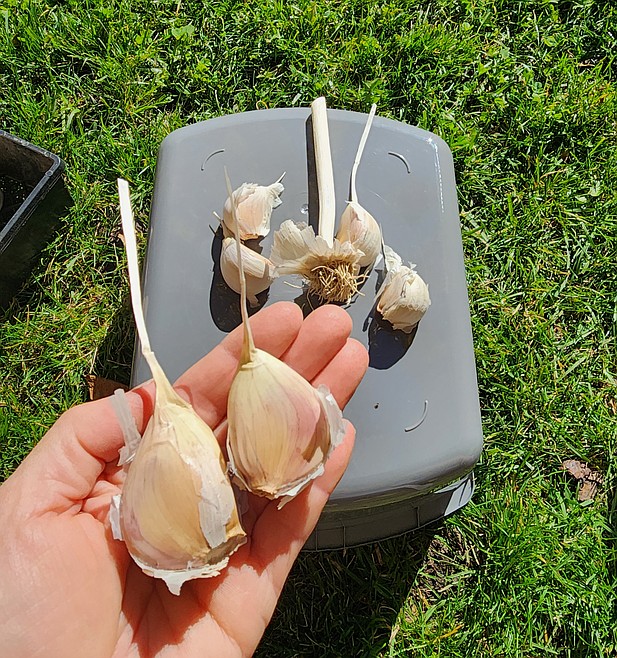
The hardneck cultivar, Music, produces large bulbs with only four or five cloves. It grows exceptionally well in our climate.
All photos by CANDACE GODWIN
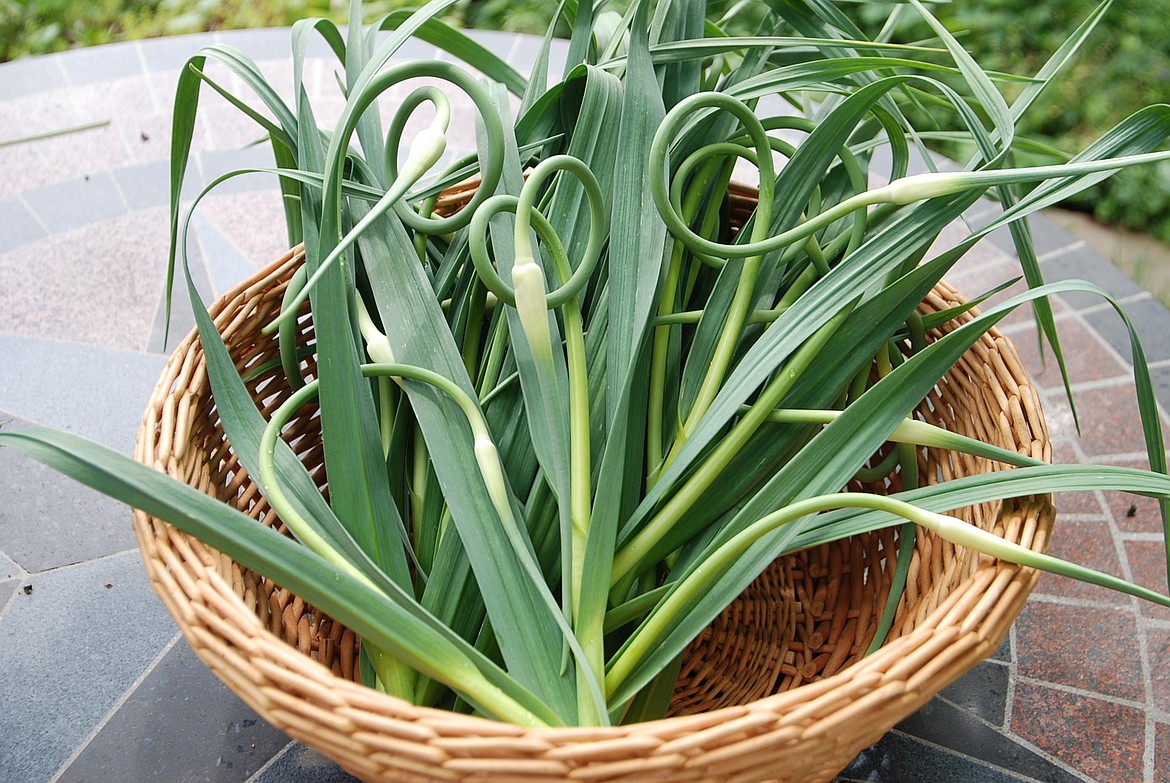
Garlic scapes are the flowing stalks of hardneck garlic and should be removed in late spring to divert plant energy into growing bigger bulbs.
All photos by CANDACE GODWIN
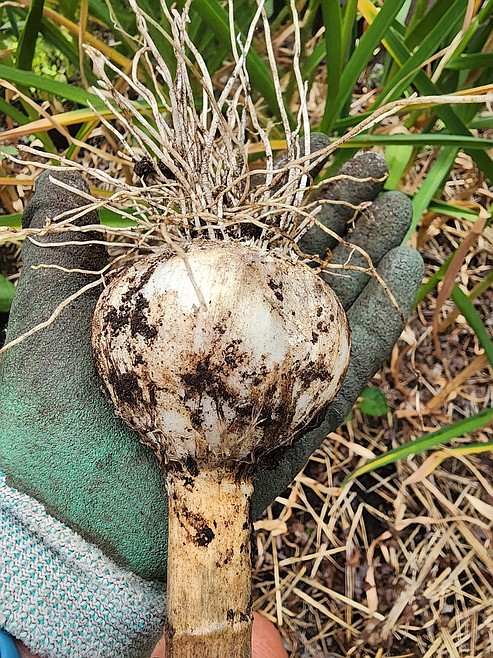
Once you taste fresh, homegrown garlic, you’ll never want store-bought again!
All photos by CANDACE GODWIN
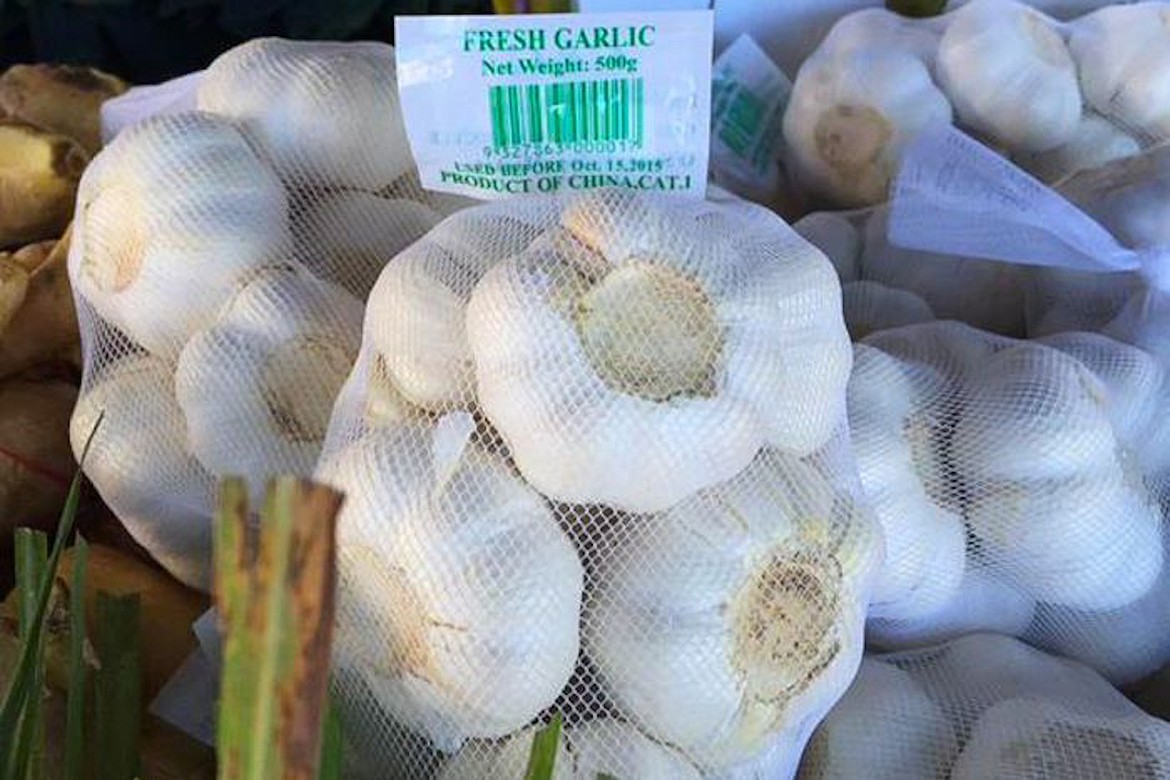
Store-bought garlic is fine for cooking, but it’s not the best choice for your garden.
All photos by CANDACE GODWIN
Garlic isn’t just a kitchen staple — it’s a touch of garden magic, wrapped in papery skin. Whether you roast it until it’s buttery-sweet, mince it into a zesty pasta sauce, or braid it into a rustic display, it deserves its superstar status.
It’s also a must-have for your fall garden. As one of the simplest and most satisfying crops you’ll ever grow, homegrown garlic bursts with flavor. Once you savor garlic from your own garden, you’ll never want store-bought garlic again.
But today, I'm giving you another reason to leave grocery-store garlic at the store — at least when it comes to planting.
Why Grow Your Own
Garlic is inexpensive and widely available year-round, so why grow it yourself?
Taste: Grocery-store garlic may have spent months in storage before reaching the produce aisle. Homegrown garlic is incredibly fresh, juicy, and full of flavor.
Easy to Grow: Garlic is one of the easiest garden crops to grow. It’s magical how a single clove can become a plump, juicy bulb with relatively little effort on your part.
Takes Little Space: Garlic doesn’t require much garden space. A simple 4-by-4 raised bed can hold more than 60 plants.
More Variety. Most grocery stores offer limited choices, but there are many delicious garlic cultivars to explore, each with its own flavor and characteristics.
Planting Stock Matters
The garlic you choose to plant matters more than you may realize. Sure, it can be tempting to pop a few grocery-store cloves into the soil, but don’t.
There's nothing wrong with grocery-store garlic for cooking. But garlic sold for eating isn't necessarily grown, inspected, or handled with planting in mind. To protect your garden, start with healthy, disease-free planting stock from a reputable source.
Since garlic is propagated from a clove of an existing bulb, you are essentially continuing that plant. Infected planting material can introduce diseases into the garden.
Garlic is generally a trouble-free crop, but some diseases can have devastating, long-lasting consequences. One of the worst is allium white rot.
White rot affects garlic, onions, shallots, and other alliums. It can enter the garden through infected planting material and go unnoticed. The tiny survival structures associated with the disease can remain viable in soil for up to 20 years. Worse yet, there is no effective remedy for eliminating white rot in the home garden once it becomes established.
Saving a few dollars by planting an unknown bulb isn’t much of a bargain if it introduces a disease that keeps you from growing alliums in that soil for years.
Choose inspected, disease-free seed garlic from reputable growers who can explain their disease-prevention practices and the origin of their planting stock.
This applies to local sources, too. I’m a strong advocate for buying locally, but local doesn’t automatically mean inspected or disease-free. Ask questions when purchasing garlic to plant at a farmers’ market.
Idaho Takes Garlic Disease Seriously
Have you ever tried ordering seed garlic online, only to discover the supplier won’t ship it to Idaho? What’s going on with that?
Idaho protects its important allium-growing areas through white-rot quarantines and planting-stock restrictions. These regulations apply to designated southern Idaho counties, not uniformly throughout the state, and restrict the movement of garlic and other allium planting material into those areas.
The goal is to prevent the introduction and spread of white rot, which poses a serious threat to Idaho's commercial onion and garlic production.
Even though North Idaho is outside those designated control areas, the lesson applies to every gardener: know where your planting garlic comes from.
Fall is for Garlic
In our region, garlic is planted in the fall, from late September to mid-October. Fall planting allows cloves to develop roots before the ground freezes.
One key reason for planting in fall is that hardneck garlic needs vernalization — a period of cold exposure — for proper bulb development.
Several weeks of cold temperatures help stimulate the development of a bulb with individual cloves. By spring, tender shoots emerge from the soil, followed by harvest in midsummer.
Garlic requires full sun and thrives in fertile, well-draining soil. To encourage large, healthy bulbs, add high-quality compost and amend the soil as needed.
Meet the Garlics
There are two main types of garlic: softneck and hardneck, each with numerous cultivars and distinct flavor profiles ranging from mild to spicy-hot.
Softneck varieties store longer — sometimes up to a year — and may contain 25 or more cloves per bulb. They’re known for their braidable leaves and often milder flavor. Although softneck garlic generally prefers warmer climates, the regional favorite ‘Inchelium Red,’ discovered on the Colville Indian Reservation in Washington state, grows exceptionally well here.
Hardneck garlic is highly cold-hardy and well-suited to northern climates like ours.
With hardneck varieties, you also get an extra harvest: the curly flower stalk called a scape, which appears in late spring. Removing scapes helps direct more of the plant’s resources toward bulb development. And don't toss those curls into the compost! They’re a fleeting culinary treat, delicious in everything from pesto to stir-fries.
Hardneck varieties generally produce fewer but larger cloves and have a shorter storage life, often under six months. Excellent choices for our region include ‘Chesnok Red,’ ‘Music,’ and ‘Susan Delafield.’
Choosing Garlic to Plant
Once you've found a reputable source, what should you look for?
Choose healthy, firm bulbs without mold, soft spots, or obvious damage. Select cultivars suited to our growing conditions — primarily hardneck varieties, although regionally adapted softnecks also perform well.
When it's time to plant, choose the largest, healthiest cloves from each bulb. Larger cloves typically yield more vigorous plants and larger bulbs. Yes, size matters here!
After your first successful harvest, save your best bulbs for next year's planting stock. Set aside the largest, healthiest bulbs and store them separately from your culinary garlic.
Keep your crop healthy, and eventually your own garden may become your favorite source of seed garlic. Just remember that saving your own bulbs doesn't guarantee disease-free stock, so continue watching for problems.
A Little Garlic Goes a Long Way
If garlic isn't on your fall planting list, there's still time to make room for it. Give it a sunny spot, good soil, and a winter chill. Next summer, you'll be rewarded with fragrant bulbs, perhaps a harvest of delicious scapes, and maybe even enough garlic to start next fall's crop.
And about that grocery-store garlic? There's nothing wrong with keeping a few bulbs in the kitchen. Just leave the planting to garlic that's been grown for the job. After all, the only thing you want spreading through your garden is your enthusiasm for growing more of it!
• • •
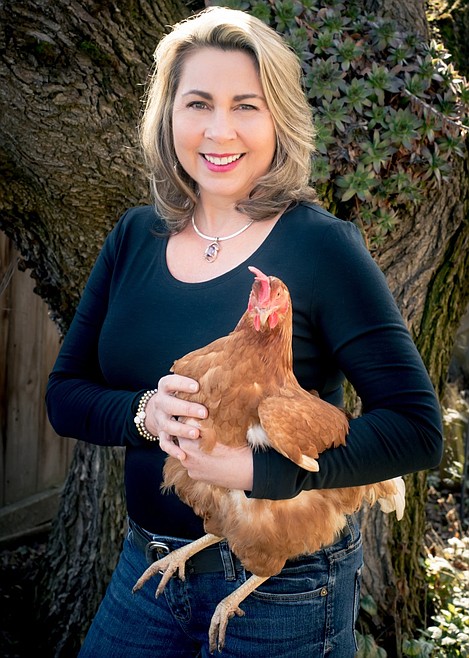
Candace Godwin is a certified Idaho Master Gardener, garden consultant, writer, and owner of The Coeur d’Alene Coop (thecoeurdalenecoop.com), a licensed nursery offering seasonal online plant sales.
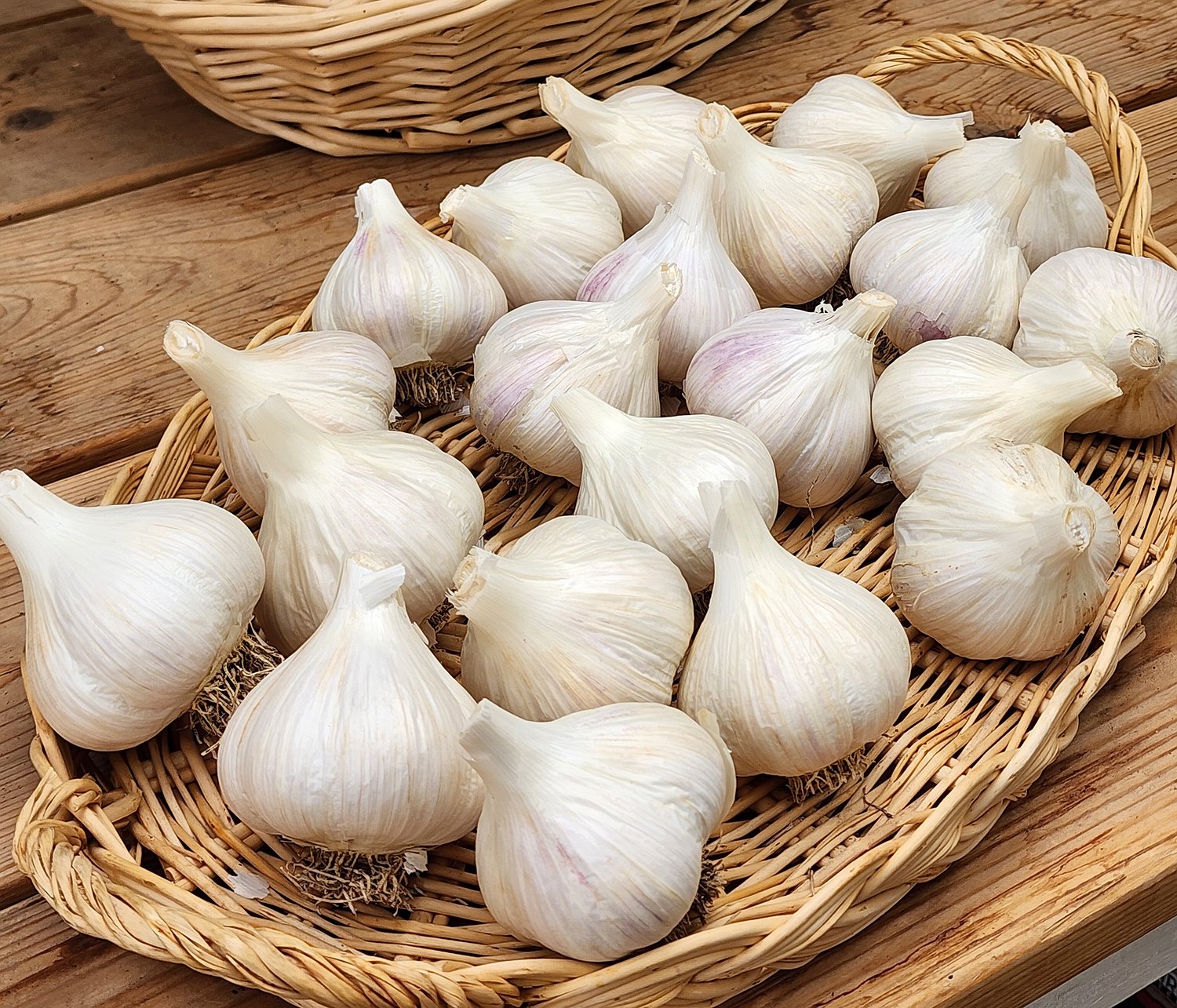 Garlic is one of the easiest and most satisfying vegetables to grow.
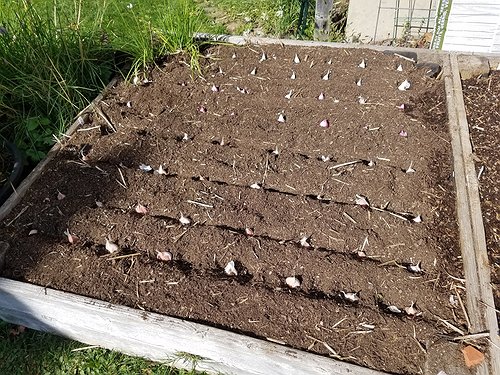 Garlic doesn’t require much garden space. A simple 4-by-4 raised bed can hold more than 60 plants.
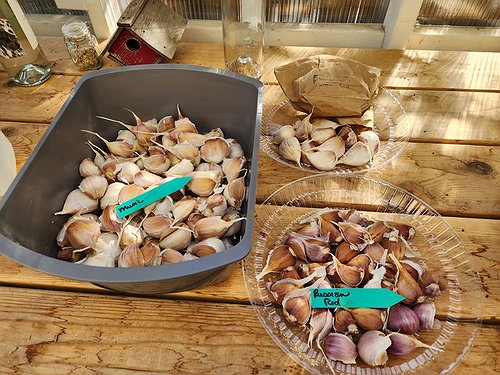 Garlic takes very little space in the garden, so you can experiment with growing several varieties.
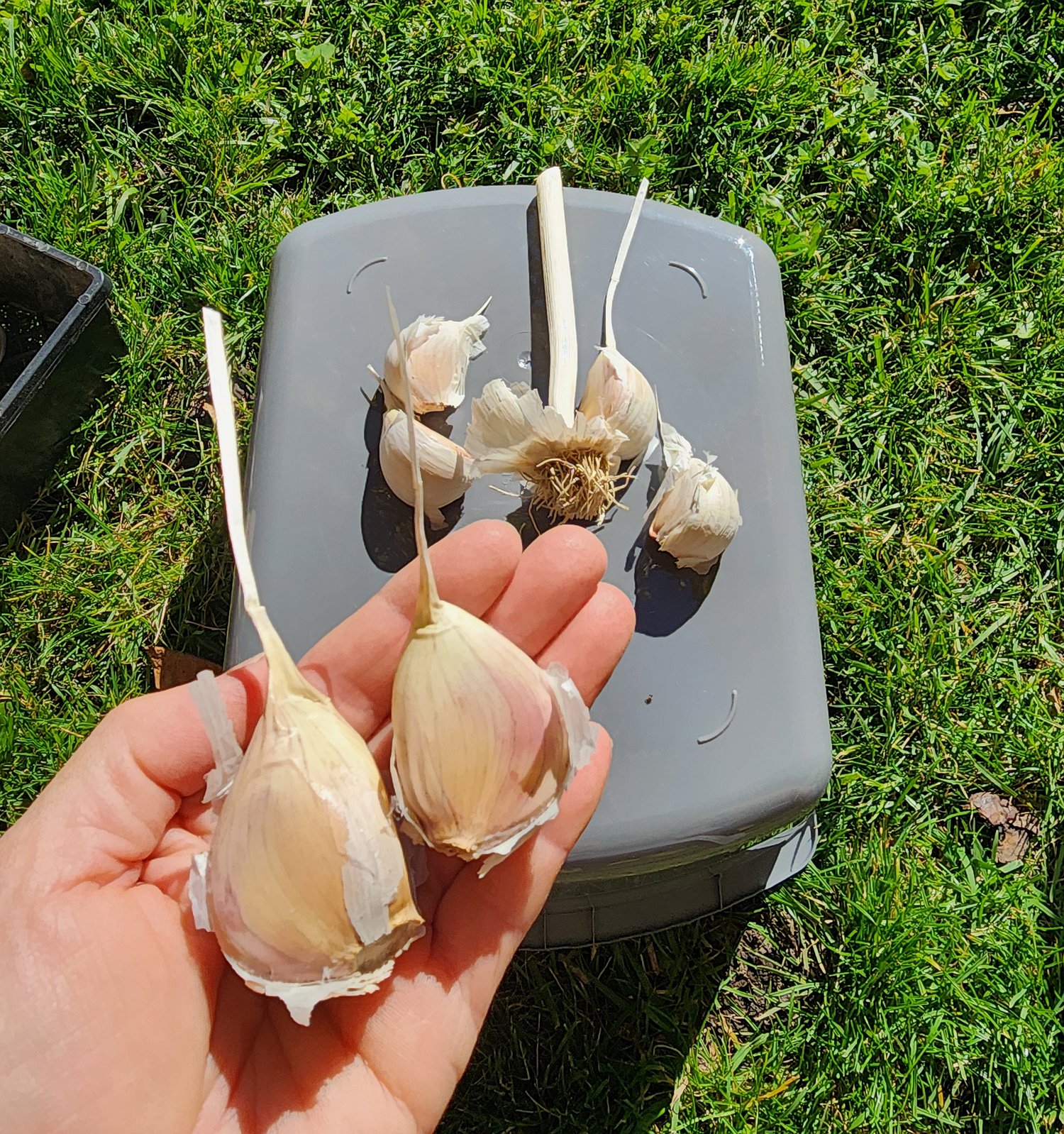 The hardneck cultivar, Music, produces large bulbs with only four or five cloves. It grows exceptionally well in our climate.
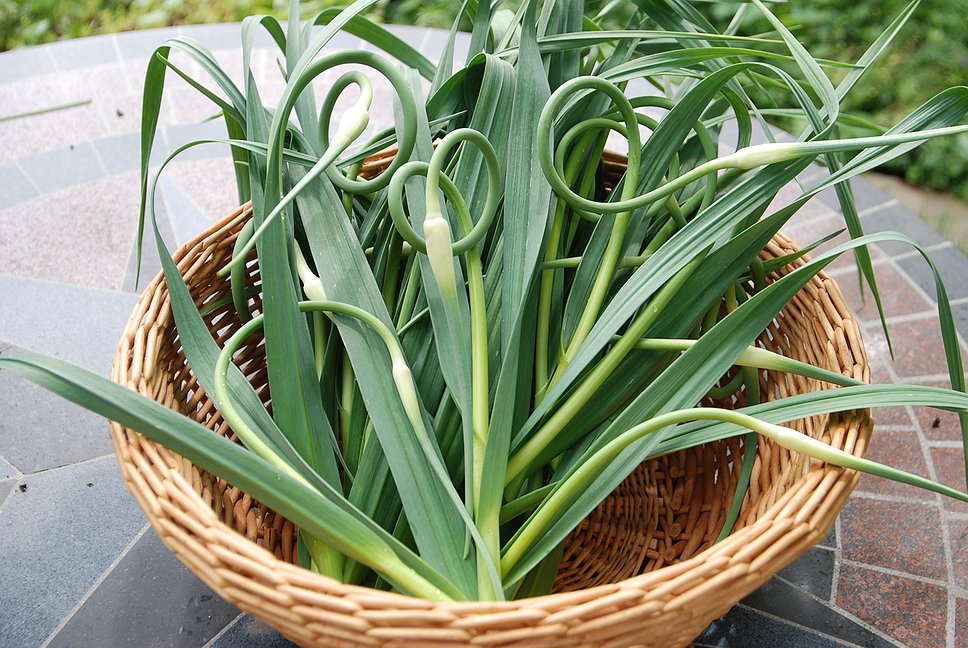 Garlic scapes are the flowing stalks of hardneck garlic and should be removed in late spring to divert plant energy into growing bigger bulbs.
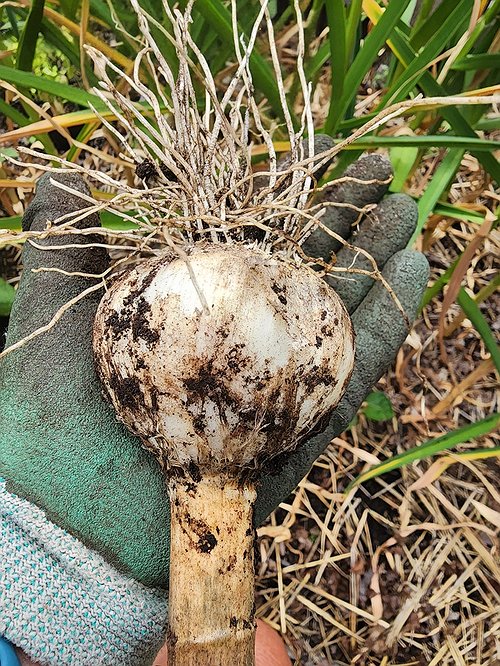 Once you taste fresh, homegrown garlic, you’ll never want store-bought again!
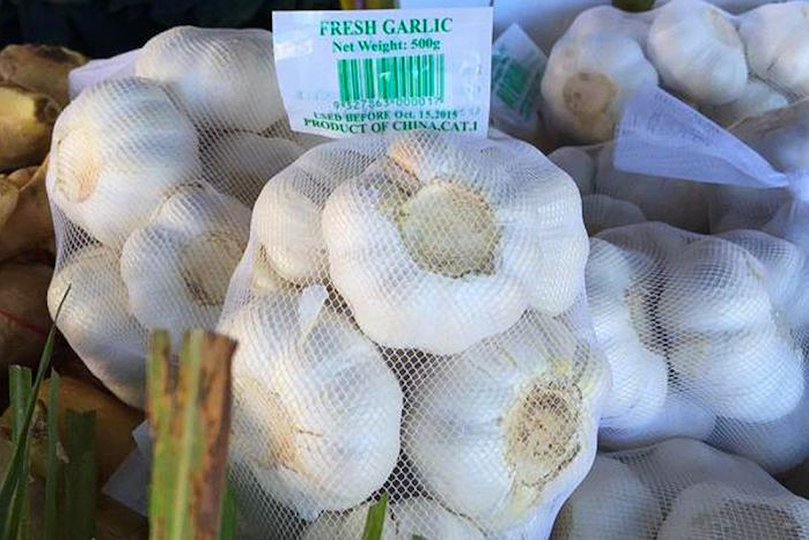 Store-bought garlic is fine for cooking, but it’s not the best choice for your garden.