
THE DIRT: When the water rises
Courtesy photo
The Lower Coeur d'Alene Basin is known for its scenic beauty, abundant wildlife, and popular recreation areas. While many areas look clean and inviting, contamination from more than a century of mining remains a major challenge. Lead-contaminated sediments continue to move through the river system, particularly during high-water events, creating ongoing concerns for human health and the environment.
One of the most difficult aspects of remediation in the Lower Basin is addressing recreational use areas. Beaches and shoreline access points naturally attract visitors, but these same areas can accumulate contaminated sediments during flooding. Protecting public health requires implementing remedies that can withstand future high-water events and reduce the risk of exposure to lead-contaminated soils and sediments.
A good example is the informal recreational use area across the river from the Black Rock Trailhead. As part of a pilot study at this particular site, portions of the beach area were replaced with riprap, a layer of rocks, to reduce public contact with contaminated sediments. The effectiveness of this approach was demonstrated after a December flood event. Subsequent sampling of sediments deposited between the riprap found lead concentrations ranging from 4,500 to 5,000 milligrams per kilogram—four to five times higher than cleanup levels. These results showed that contaminated material was redistributed during the flood and reinforced the importance of using protective measures such as riprap in areas vulnerable to recontamination.
While placing riprap may make some areas less inviting for traditional beach activities, the goal is not to eliminate recreation. Instead, the goal is to create durable barriers that protect human health even when flooding mobilizes contaminated sediments. Recontamination remains a primary factor influencing remedial decisions throughout the Lower Basin.
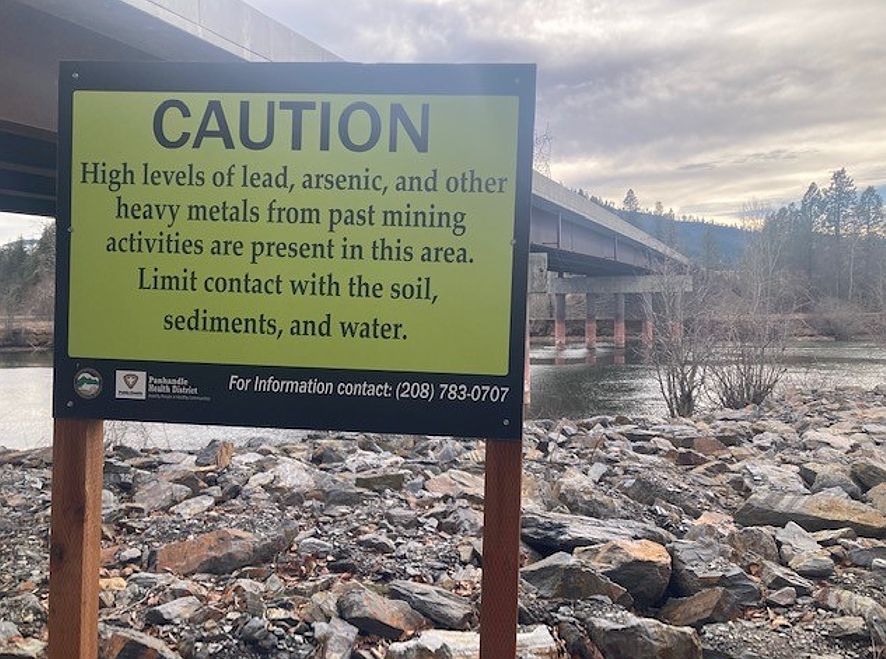
Warning signs posted throughout the Basin are not relics of the past—they remain relevant today. Agencies review conditions annually and continue to evaluate risks associated with recreational use. Visitors are encouraged to follow posted advisories and remain aware that contamination is still present in some areas.
Cleanup in the Basin follows a watershed approach, addressing contamination sources from upstream to downstream. Reducing contamination in upstream areas will ultimately decrease the amount of lead transported into the Lower Basin and improve the long-term effectiveness of cleanup efforts. However, contaminated sediments remain in some recreational areas along the South Fork and throughout the Lower Basin.
Until these areas are addressed, avoid direct contact with bare soil or sediment along the river and shoreline, particularly in areas where children may play. The best way visitors can protect themselves while enjoying the Lower Basin is to heed signs, avoid known high-lead areas, and "Play Clean." Wash hands before eating, drinking, or smoking, especially after spending time on beaches, shorelines, or riverbanks. Keep children from playing in bare soil or sediments and encourage them to wash their hands frequently. Remove contaminated sediment from belongings, clothing, blankets, toys, bags, watercraft, floaties and shoes before entering vehicles or homes to avoid tracking contaminated soil indoors. Be sure to rinse off pets that may have been playing in shoreline areas.
Following posted signs and advisories is also important, as they identify locations where contamination may still pose a risk. By taking these simple precautions, residents and visitors can continue to enjoy the Lower Basin's outstanding recreational opportunities while reducing their potential exposure to lead and other contaminants.
• • •
The Dirt is a series of informative articles focused on all aspects of cleanup efforts associated with the Bunker Hill Superfund Site. Our goal is to promote community awareness of contamination issues, provide tools to protect public health, and keep the community informed about current and future cleanup projects. The Dirt is a group of committed and local experts from multiple agencies, including the Basin Environmental Improvement Project Commission, Panhandle Health District, Shoshone County, Silver Valley Economic Development Corporation and the Idaho Department of Environmental Quality.