

Corneal abrasion is why a speck of sawdust feels like a nail
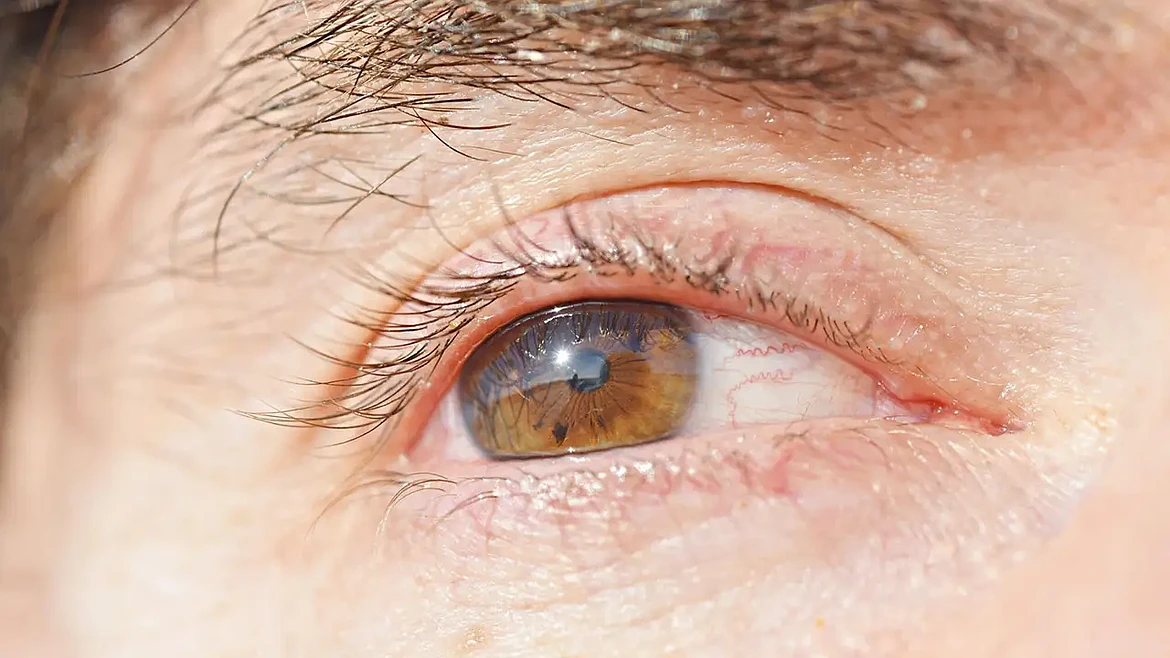
A corneal abrasion is a scratch on the clear surface at the front of the eye. Even a very tiny speck of sawdust can cause intense pain because the cornea has a dense nerve supply, so a small scratch may feel far worse than it looks.
A speck of sawdust can be nearly invisible, yet your eye may react as if something much larger hit it. One blink can turn loose debris into a very painful scrape. The result may be very sharp pain, tearing, redness, blurry vision, or strong light sensitivity.
Eye fatigue usually feels tired, dry, or sore after very long periods of focus. A scratch often appears suddenly after an eye injury or debris exposure.
Knowing the difference matters because some symptoms need very prompt care. Simple first-aid steps can also keep a small problem from becoming a much larger one.
How Do You Know if You Have a Corneal Abrasion?
A scratched cornea often causes sudden pain, watering, redness, blurred vision, light sensitivity, and the feeling that something is still in the eye. Those symptoms can remain after the original foreign body washes out.
An eye care professional may use fluorescein dye and a blue light to make the scratch easier to see. A slit-lamp exam can also help find trapped debris or other surface damage.
How Long Does a Corneal Abrasion Take to Heal?
Many small abrasions improve within one to two days. Larger scratches may take several days or about a week, depending on the injury.
Pain should gradually improve as the surface heals. Worsening pain, continued blurred vision, or symptoms that fail to improve deserve professional evaluation. Infection, ulcers, or other complications can occur in some cases.
Why Can a Tiny Scratch Hurt So Much?
The cornea is among the most sensitive tissues in the body. Its dense network of sensory nerves helps detect small threats and trigger protective tearing and blinking.
A very small scratch can therefore create a strong pain signal. Each blink may move the eyelid across the injured area. Severe pain does not always mean the scratch is large.
How Sawdust Turns Into an Eye Injury
Sawdust, dust, sand, and very tiny wood particles can enter the eye during cutting, sanding, sweeping, or cleanup. A loose particle may sit under the eyelid or move across the cornea as you blink. Wood shavings are a known cause of corneal scratches.
Rubbing the eye can make irritation worse. A lingering foreign body may also keep scraping the surface.
People researching "causes of sharp stabbing pain in eye" should remember that debris is only one possible cause of sudden eye pain. Consulting a medical professional can help detect any other underlying causes for eye pain.
Corneal Abrasion Versus Everyday Eye Fatigue
Eye fatigue commonly follows screen use, reading, driving, or other long periods of focus. It tends to cause tired, dry, burning, or sore eyes and often improves with rest.
A corneal abrasion is more likely when pain starts after debris or direct contact with the eye. Common warning signs include:
- Sudden sharp or gritty pain
- Heavy tearing
- Pain with blinking
- Redness after debris exposure
- Ongoing "something is in my eye" sensation
- New blurred vision
- Strong light sensitivity
Sudden pain after an eye incident should not be dismissed as routine fatigue.
Which Symptoms Call for Same-Day Care?
Prompt evaluation is important when pain is severe, vision changes, or debris will not rinse free. Same-day care is also reasonable when the eye remains very painful after the particle seems to be gone.
Seek urgent medical attention for:
- Severe pain
- Reduced vision
- An embedded object
- A high-speed particle injury
Suspected penetration is an emergency.
Eye fatigue without trauma, severe pain, or vision loss is less likely to need emergency care. Persistent symptoms still deserve an eye exam if rest does not help.
What Should You Do Right After Sawdust Gets in Your Eye?
Rinse the eye with clean water or sterile saline. Blink several times to help tears move loose material away. Avoid rubbing the eye.
Do not use tweezers or other tools on the cornea. An embedded object should be left for a trained professional to remove.
Contact lenses should stay out while the eye heals. Professional care may include:
- Debris removal
- Prescription medicine to lower infection risk
- Lubrication
- Pain control
- Follow-up
Eye Protection Matters Before the Saw Starts
Good eye protection is easier than treating a scratched eye. Work that creates flying particles calls for proper safety eyewear, including side protection when flying objects are a hazard.
A few seconds spent putting on proper eye protection can prevent days of pain and help protect vision.
Frequently Asked Questions
Can a Corneal Abrasion Cause Lasting Vision Problems?
Most small abrasions heal without lasting vision changes. Deeper injuries, infection, corneal ulcers, or scarring can cause more serious problems. New vision loss, increasing redness, discharge, or worsening pain should not be watched at home.
An eye care professional can check whether the surface is healing normally and whether a complication is developing.
Why Does the Eye Still Feel Scratched After the Debris Is Gone?
The debris may already have scraped the corneal surface before it washed out. The eyelid then moves over the injured area with every blink, so the gritty feeling can continue during early healing.
A small particle may also remain hidden under an eyelid. Continued discomfort or blurred vision after rinsing is a good reason to have the eye examined.
Can You Wear Contact Lenses After a Scratched Cornea?
Contact lenses should stay out while the cornea heals. A lens can irritate the injured surface and may increase infection concerns.
Contact lens wearers need careful assessment because corneal infections can become serious. An eye care professional can explain when it is safe to restart lens wear.
Protect Your Vision After a Corneal Abrasion
A corneal abrasion can turn a speck of sawdust into sharp, memorable pain. Quick rinsing, proper eye protection, and prompt care for severe or persistent symptoms can help protect the eye while it heals.
Pay attention when eye pain feels different from ordinary fatigue. Continue exploring our other guides and articles for more practical information on health, injury prevention, and everyday wellness.
This article was prepared by an independent contributor which helps us continue delivering quality content to our audiences.