

MY TURN: The future of health care needs us in the same room
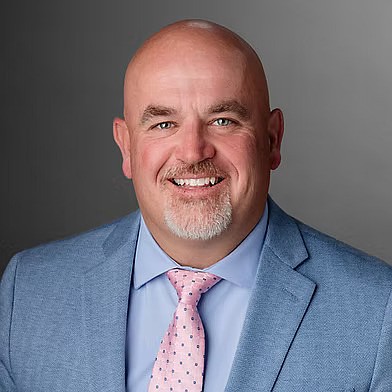
Heritage Health CEO Mike Baker
Last week I sat beside Dr. Thomas Fletcher, interim director of Panhandle Health District, at a public forum in Coeur d'Alene. The goal was simple. Talk about where health care in North Idaho goes next.
Dr. Fletcher and I agree on more than people might expect. The data he brought tells a compelling story, and an epidemiologist in the audience added some helpful context on specific numbers. That's the kind of conversation I came for. Wherever you land on the details, it's hard to argue with the big picture. Americans aren't living our healthiest lives. Maybe it's access. Maybe it's food. It's probably all of it. And it shows up hard in places like Shoshone, Boundary and Benewah counties, where community health centers are doing tough work on thin margins.
But on the drive home, something else stuck with me. We came to talk about the future, and we kept getting dragged back to 2020. Vaccines. Masks. Mandates. Who was right. Who was wrong. Some of that pull came from the crowd. Some came from the front of the room. When the leader of our health district answers a question about herd immunity with "no," and about vaccines with "maybe, some of them," the old fight is sitting right up on stage.
Those conversations matter, and we should keep having them. But every community meeting around here seems to end the same way. Everyone is an epidemiologist now. Everyone already knows the answer. We pick a side, dig in, and push the wedge between neighbors a little deeper.
I understand the anger. People here got hurt. Small businesses closed. Churches and families split. And a lot of those decisions were made in D.C. and Boise, far from the folks who work at our local health district. That frustration is earned. It shouldn't get to decide the next 20 years.
So let me be plain. I support Panhandle Health District, and the people who do its work, no matter who sits in the director's chair.
I support the people who inspect the diner kitchen and the fair food booths. Who permit the septic systems and test the wells that keep our lakes and drinking water clean. Who help a young mom in Bonners Ferry feed her baby through WIC. Who offer family planning so women can make their own choices about their own lives. Who track down an outbreak before most of us hear a word about it. That work happens quietly across five counties, and you'd notice fast if it stopped. Those people coach our kids and sit next to us in church.
Heritage Health has partnered with Panhandle Health for years, and we want to do more, including real partnerships on clinical care. Our Center for Healthy Living will bring medical, dental, behavioral health, pediatrics, substance use treatment and pharmacy under one roof. But no single building or organization can carry five counties. It takes a village. Rural health centers, hospitals, independent doctors and our health district each hold a piece. The tighter we work together, the fewer people fall through the gaps.
Public health is part of that foundation. You don't fix a house by tearing out the footings.
Let's argue about how public health should work and how it earns back trust. Bring data. Ask hard questions. Expect straight answers. That's how we do it up here. But tearing it down over decisions made years ago, by people who've never driven Highway 95, is a mistake our grandkids would pay for.
At the forum I talked about my daughter, and how lost our family felt trying to get her care for endometriosis. I never want anyone here to feel unheard or unbelieved. That includes people on both sides of these fights. Most of us want the same things: healthy kids, parents cared for as they age, and a place close to home where someone knows your name.
North Idaho takes care of its own. We show up when a barn burns, when the snow piles up, when a neighbor is sick. We need that instinct now.
I believe this region can lead the nation in what primary care looks like. We'll only get there together, in the same room.
Mike Baker is the CEO of Heritage Health in Coeur d'Alene.