Post Falls support group helps EDS patients find answers
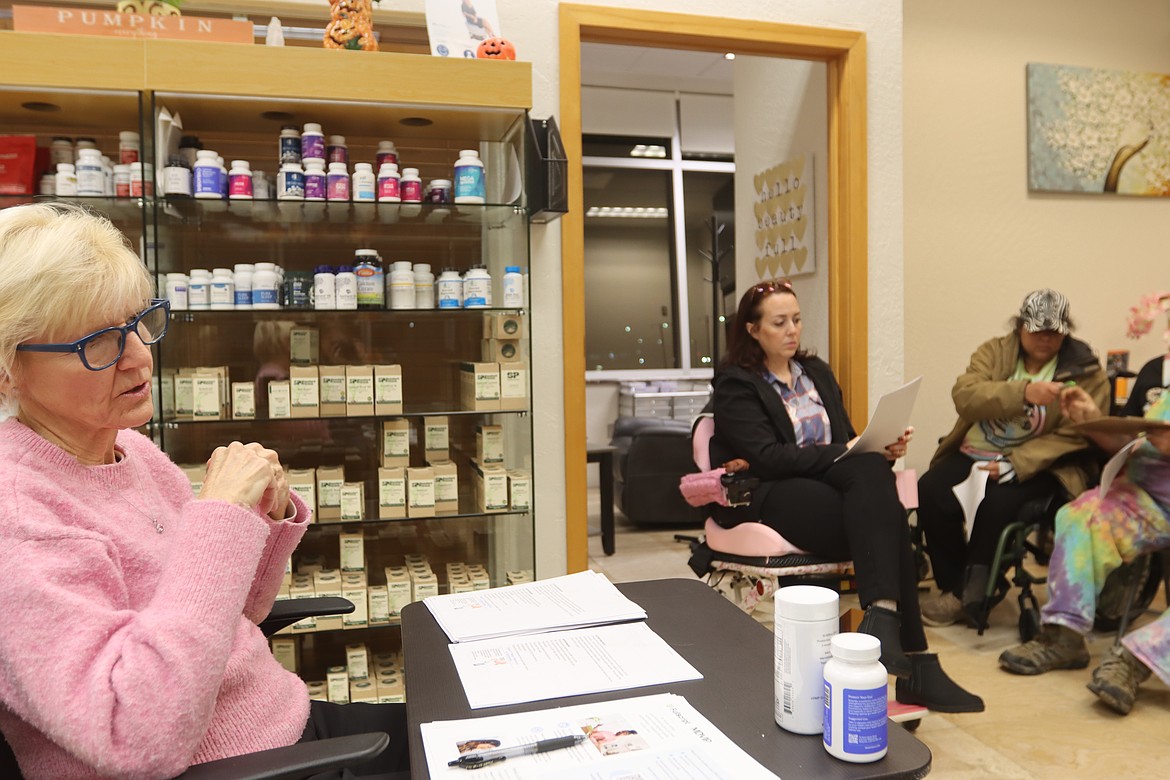
Dr. Susan Ashley leads the Post Falls EDS support group.
AUDREY HERRIN/Press
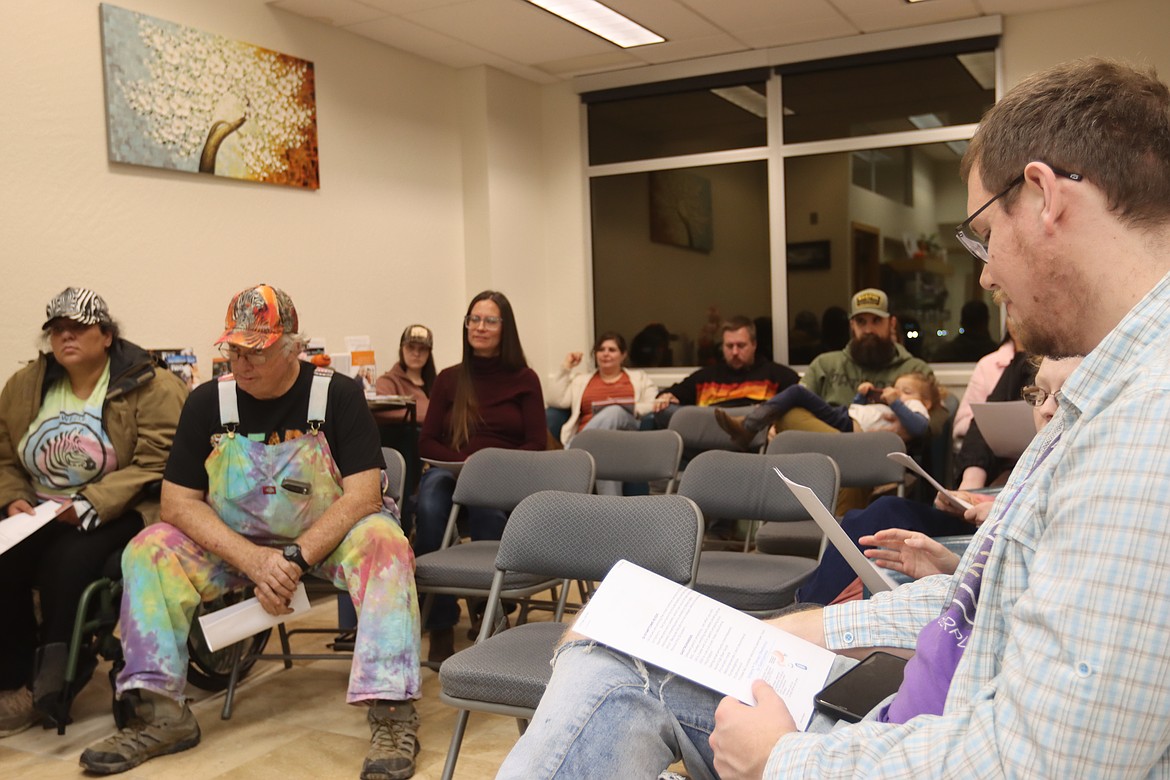
Post Falls EDS support group members Rachel Symons, Erica Irvine, Katelynn West, Kae Ashley Chaney, Claire McMichael, Zoe Tuttle, Laura Michaelson, EliAnn Oaks, Ashlie Winings and others.
AUDREY HERRIN/Press
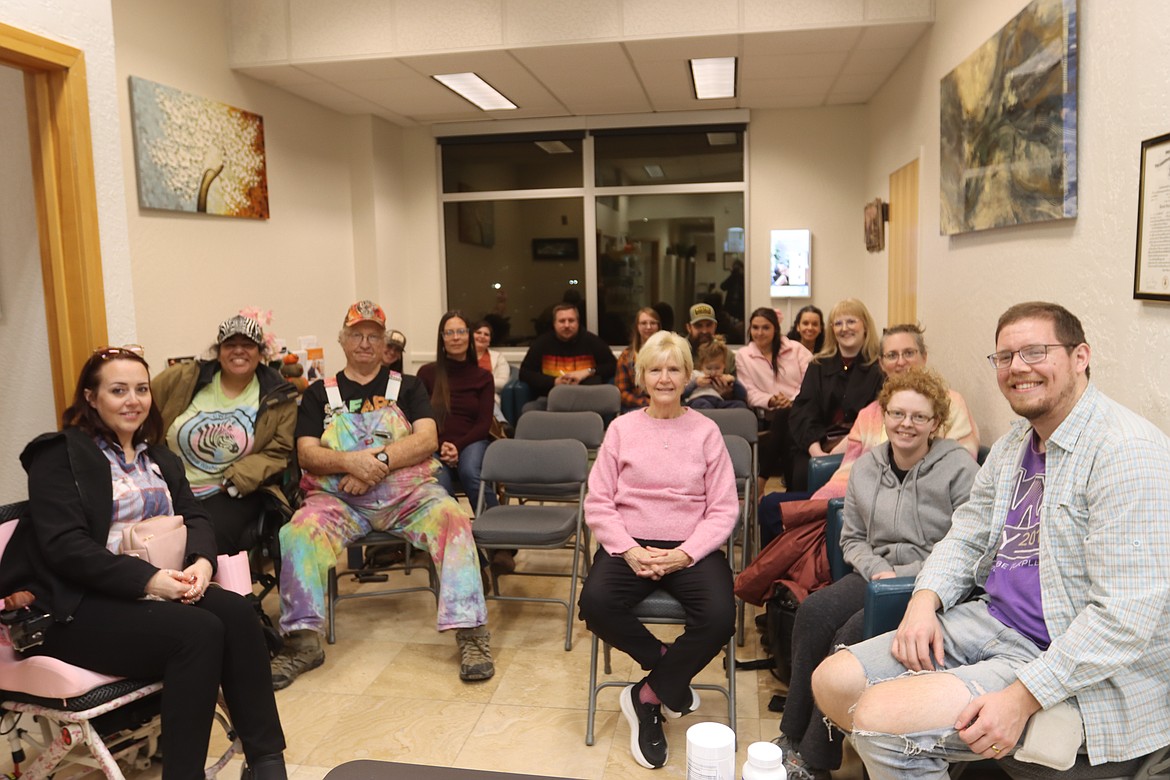
Dr. Susan Ashley and Post Falls EDS support group members Rachel Symons, Erica Irvine, Katelynn West, Kae Ashley Chaney, Claire McMichael, Zoe Tuttle, Laura Michaelson, EliAnn Oaks, Ashlie Winings and others.
AUDREY HERRIN/Press
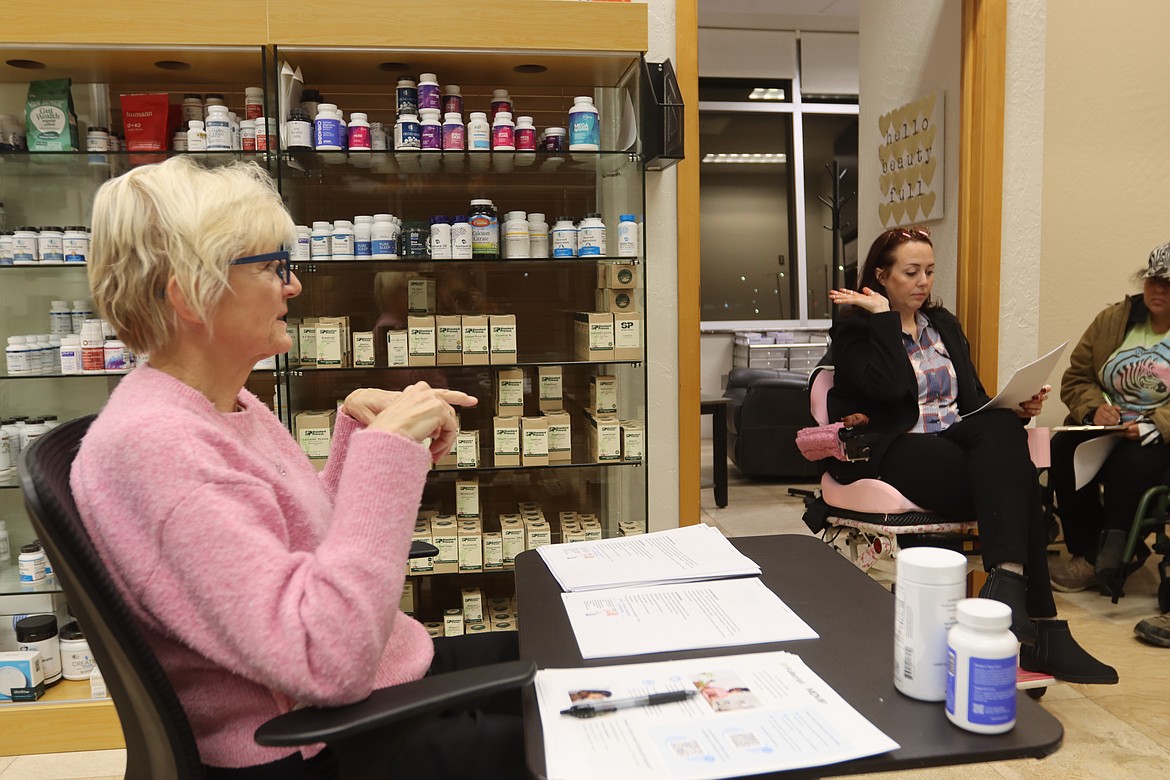
Dr. Susan Ashley leads the Post Falls EDS support group.
AUDREY HERRIN/Press
When Dr. Susan Ashley's daughter was diagnosed with the debilitating connective tissue disorder Ehlers-Danlos syndrome (EDS), the course of her life changed.
Even as a doctor, Ashley knew next to nothing about the disorder. So, she began to educate herself so she could treat her daughter. Now, she hosts an EDS support group each month at her office in Post Falls, with 25 members and growing.
"I just want to let people know they're not alone," Ashley said. "The disease is much more widespread than we thought, there should definitely be more education on it."
EDS affects the body's connective tissues, which are found in the skin and joints, causing a variety of seemingly unrelated symptoms and comorbidities, according to Ashley. It causes hypermobile, or overly flexible, joints and skin that bruises and scars easily.
Individuals with EDS live with chronic symptoms such as pain, fatigue and digestive issues. The condition also causes autonomic dysfunction and postural orthostatic tachycardia syndrome (POTS), which can cause dizziness and fainting.
"It's a very complex illness, it's not just one thing," Ashley said.
The complexity of the disorder makes it difficult to diagnose. Patients are often told their symptoms are caused by something else and struggle to receive treatment. Getting treated for rare disorders such as EDS is especially challenging in rural areas like North Idaho, she said.
"There's such a critical shortage of every specialty," she said. "The group at Kootenai is fantastic but they are so shorthanded."
The Post Falls EDS support group is an offshoot of the Central Washington EDS and Rare Diseases Support Group, based in Wenatchee. Group administrator and patient advocate EliAnn Oaks said the group has more than 200 members in central and eastern Washington, and membership is spreading into Oregon and Idaho.
"Had it not been for support groups, a lot of us would be unnecessarily suffering," Oaks said.
Oaks has a severe form of EDS herself and knows the barriers people with EDS face. She has seen countless specialists to address her symptoms.
"Patients are not believed, they are told their symptoms are not real," Oaks said. "Doctors are taught to treat the most common disorders, not the rare ones."
Post Falls EDS support group member Ashlie Winings said her journey to an EDS diagnosis began when she experienced chronic pain in 2019 and later developed difficulty breathing in 2024. She received other diagnoses, but Ashley was the first doctor to recognize that she has EDS earlier this year.
"EDS is one of the hardest to actually get a diagnosis, especially in this area," Winings said. "I've heard time and time again 'there's nothing we can do for you.'"
She said she found out about the Post Falls EDS support group through Facebook.
"It has been a huge help for me," she said. "It is really hard for people with chronic illness to find people who understand them, because if you don't have it, you just don't understand."
EDS support group members support one another. They share which treatment options have worked for them and recommend medical providers who are knowledgeable about EDS. They also regularly keep in touch through a group chat.
"I've enjoyed watching their friendships form," Ashley said, "and they share a lot of information."
The Post Falls EDS support group meets on the third Wednesday of each month at Ashley's office. Ashley gives a presentation on a different EDS-related topic, such as gastrointestinal issues. Sometimes she invites guest speakers. A physical therapist, a yoga instructor with EDS and a chiropractor have presented to the group.
To learn more, visit the Ehlers-Danlos Syndrome Support Group on Facebook or visit the Ehlers-Danlos Society website.
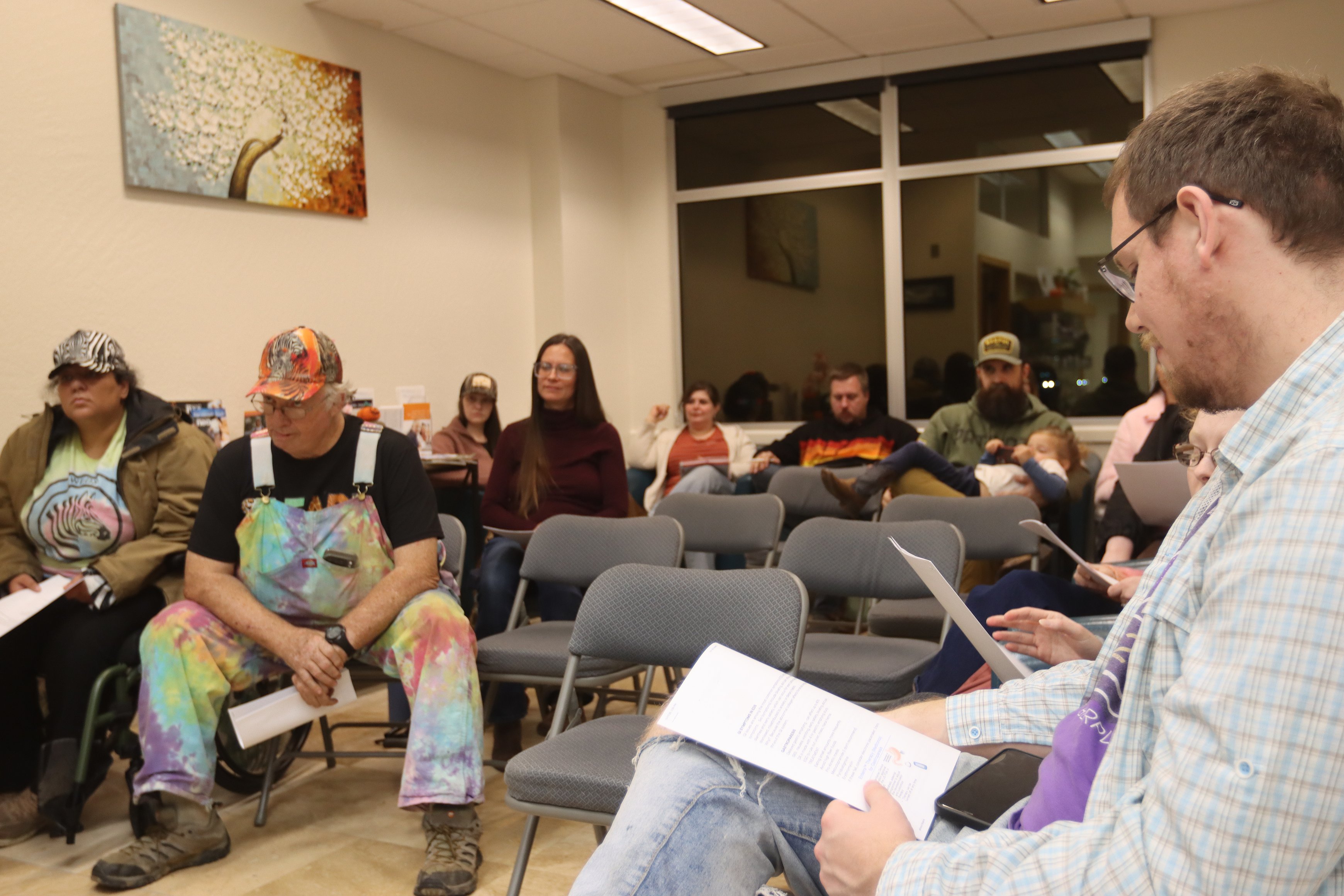 Post Falls EDS support group members Rachel Symons, Erica Irvine, Katelynn West, Kae Ashley Chaney, Claire McMichael, Zoe Tuttle, Laura Michaelson, EliAnn Oaks, Ashlie Winings and others.
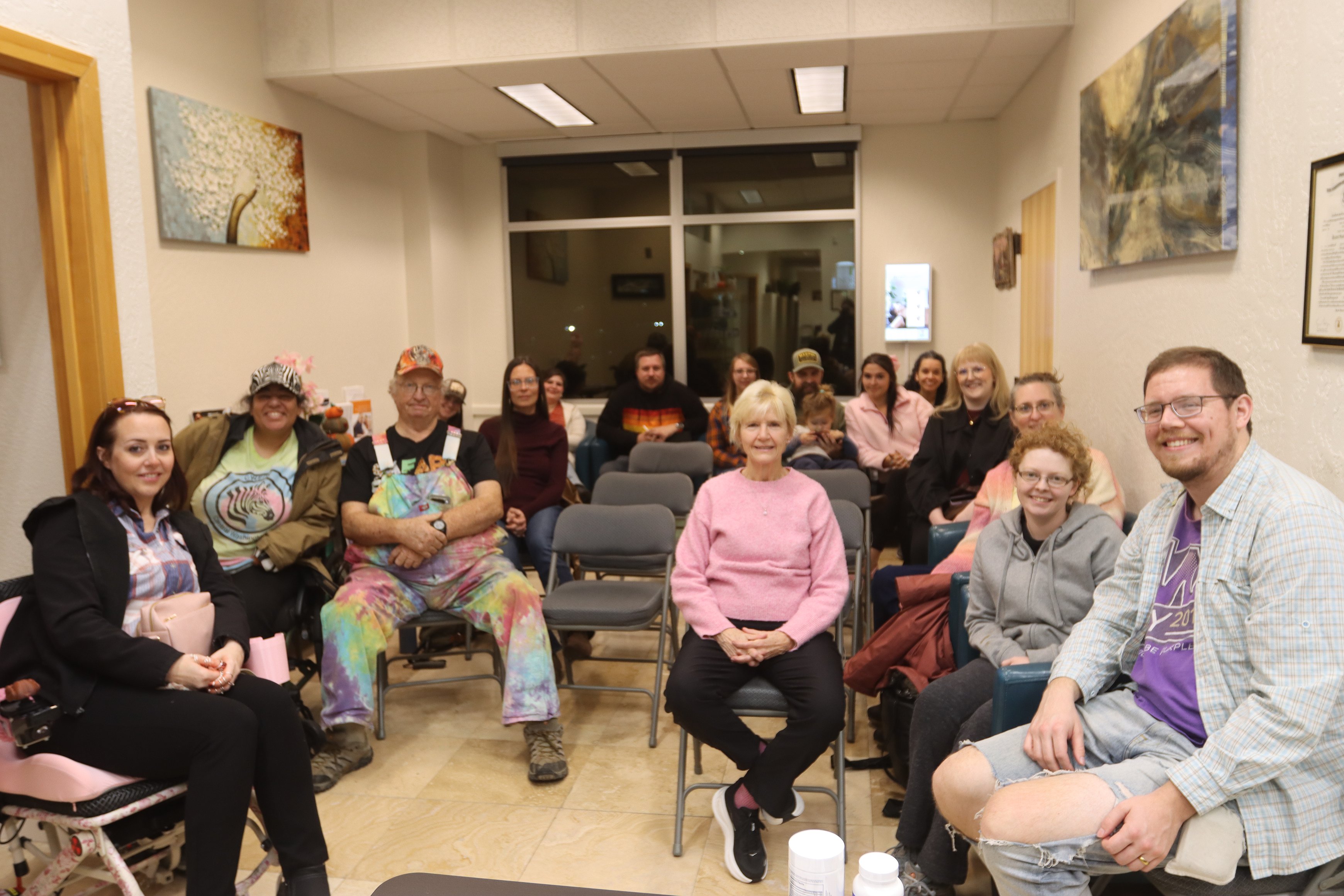 Dr. Susan Ashley and Post Falls EDS support group members Rachel Symons, Erica Irvine, Katelynn West, Kae Ashley Chaney, Claire McMichael, Zoe Tuttle, Laura Michaelson, EliAnn Oaks, Ashlie Winings and others.
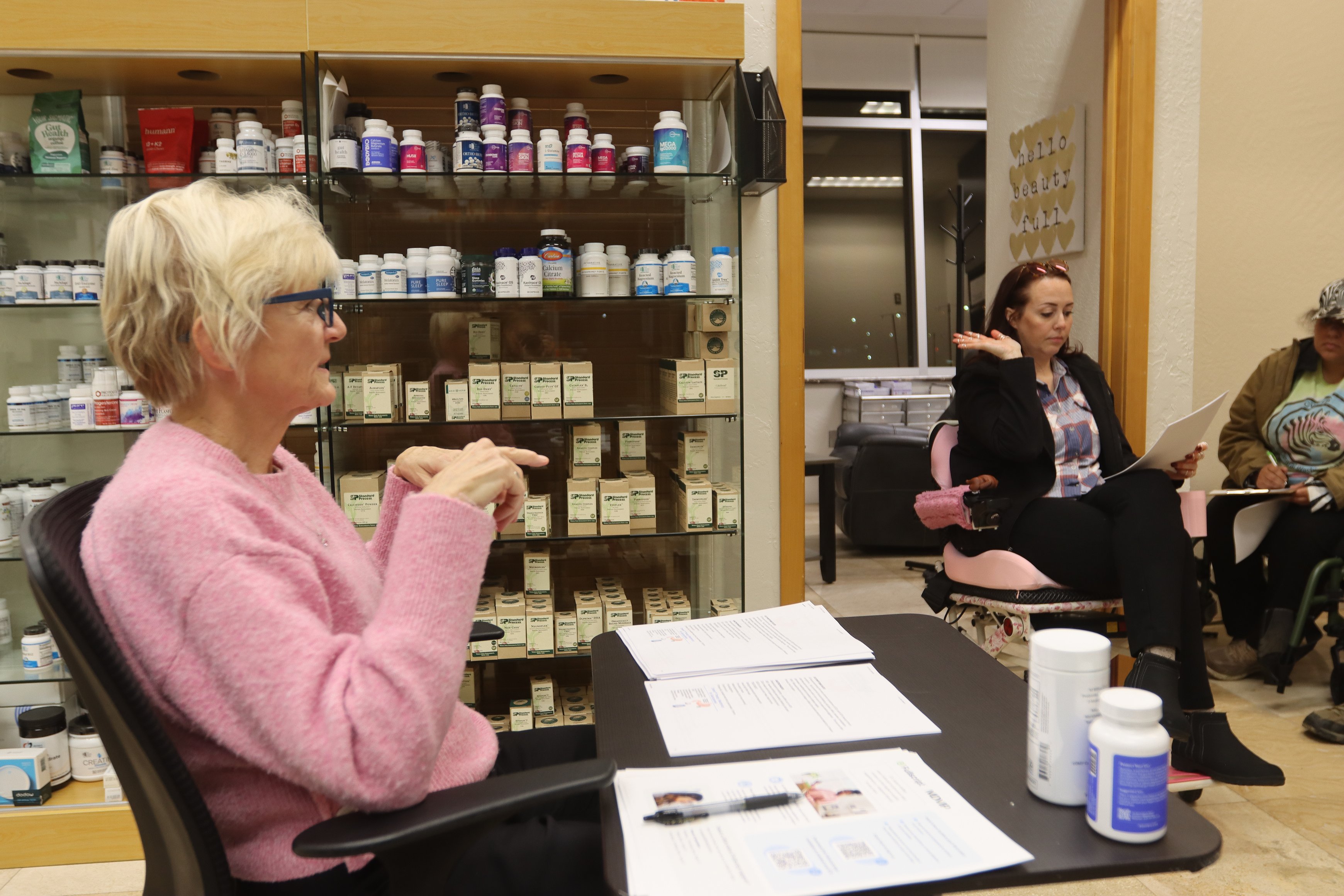 Dr. Susan Ashley leads the Post Falls EDS support group.