
Check out these simple ways to lower stress and prevent dog bites during walks
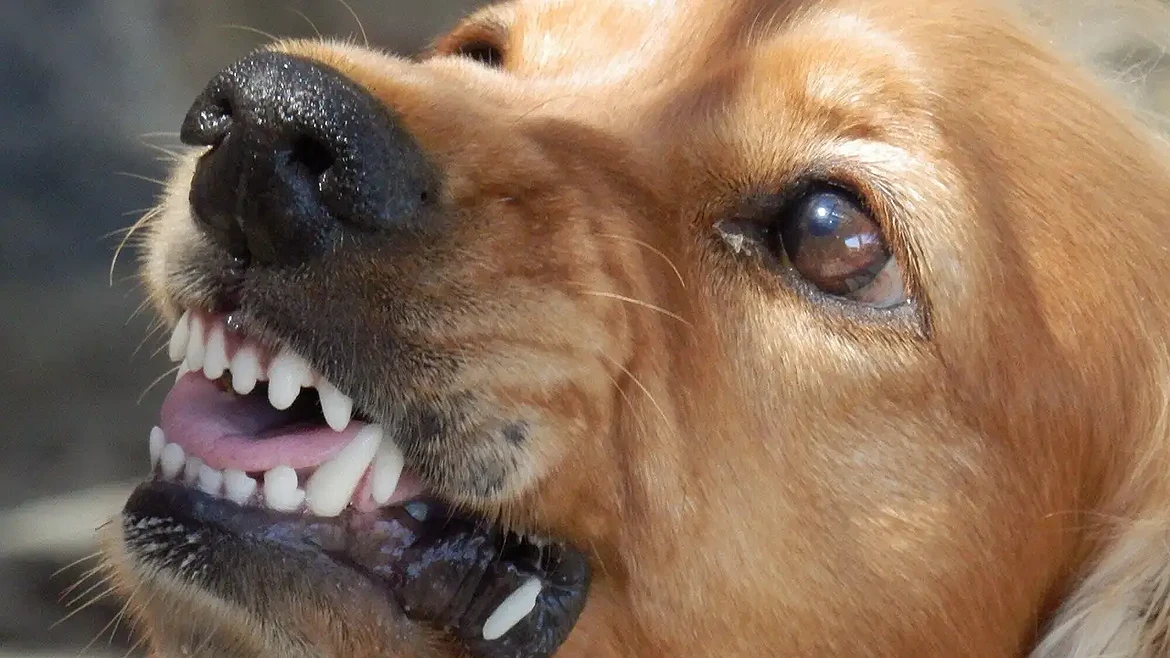
Preventing dog bites during neighborhood walks starts with recognizing warning signs and avoiding unnecessary confrontations. Give unfamiliar dogs plenty of space, keep a firm hold on your leash, and avoid forcing interactions. Simple precautions can lower stress and make daily walks safer for everyone.
You're enjoying a peaceful afternoon walk when a barking dog suddenly charges toward the sidewalk. Your dog freezes, the leash tightens, and you're left wondering what to do next.
Even familiar neighborhoods can bring unexpected encounters with aggressive or frightened dogs. Knowing how to respond can help you stay calm and prevent a frightening situation from turning into a bite.
How Can You Choose Safer Routes for Neighborhood Walks?
Choosing the right walking route can help reduce unexpected encounters with unfamiliar dogs. Look for streets with wide sidewalks and clear visibility. Avoid areas where dogs frequently roam without supervision or rush toward pedestrians from unsecured yards.
Pay attention to neighborhood activity before heading outside. Busy parks and crowded walking trails may increase the chances of unwanted interactions, especially if your dog becomes nervous around other animals. Quieter residential streets can offer a more comfortable environment.
Practicing good outdoor pet etiquette also makes shared spaces safer. Respect other owners' personal space and keep your dog from approaching unfamiliar pets without permission. Give other walkers enough room to pass, and avoid blocking narrow pathways.
Try walking your usual route at different times to identify when foot traffic is lowest. If you regularly encounter an aggressive dog near a particular property, choose an alternative street rather than risking another confrontation.
Why Is Understanding Dog Body Language Important?
Dogs often communicate discomfort through subtle changes in their behavior before reacting aggressively. Recognizing these warning signs can help you avoid situations that might lead to biting. A dog that appears friendly at first may become defensive if someone approaches too quickly.
Watch for signs such as:
- Stiff body posture
- Flattened ears
- Repeated lip licking
- A tucked tail
Growling and showing teeth are more obvious warnings that an animal needs space. Remember that a wagging tail doesn't always indicate friendliness.
Understanding these signals is especially important when calming an anxious dog during neighborhood walks. If your pet freezes or begins backing away from another animal, increase the distance rather than forcing an interaction. Allowing your dog to move somewhere quieter can help reduce its distress.
Avoid reaching toward unfamiliar dogs that appear frightened or uncomfortable. Even gentle attempts to pet an anxious animal may trigger a defensive reaction. Give the dog room to retreat and let its owner handle the situation.
Neighborhood Dog Safety: Getting Professional Help
Some dogs continue to struggle during walks despite consistent training at home. Frequent lunging, excessive barking, or aggressive reactions toward unfamiliar animals can make neighborhood outings stressful.
Professional guidance may help owners understand what's causing these behaviors and how to manage them safely.
A qualified dog trainer can observe your pet's reactions and identify situations that trigger fear or defensive behavior. Scheduling a free dog training consult can help you discuss your concerns and learn which training methods may suit your dog's needs. This initial conversation also gives you an opportunity to ask about the trainer's experience with reactive or aggressive animals.
Look for professionals who use positive reinforcement rather than punishment or intimidation. Reward-based training encourages desirable behavior and can help dogs develop more comfortable responses to unfamiliar situations. Ask prospective trainers how they handle setbacks and what exercises you can practice during daily walks.
Leash Reactivity Tips
Some dogs bark, lunge, or pull aggressively when they encounter unfamiliar animals during walks. This behavior often develops when dogs feel frightened or restricted by their leash. Although these reactions may appear aggressive, they don't always indicate that a dog intends to bite.
The first step is identifying what triggers your dog's reactions. Pay attention to how close another animal gets before your pet becomes uncomfortable. Maintaining enough distance can help prevent unwanted behavior and give your dog a chance to stay calm.
Practice redirecting your dog's attention before it becomes overwhelmed. Use a familiar command or reward your pet with a treat when it notices another dog without reacting. Gradually practicing at a comfortable distance can help your dog develop more positive associations with unfamiliar animals.
Avoid tightening the leash unnecessarily when another dog approaches. Excessive tension can restrict your pet's movement and make an already stressful encounter more difficult. Instead, maintain a secure grip and calmly guide your dog away when necessary.
Frequently Asked Questions
What Time of Day Is Best for Walking a Reactive Dog?
Early mornings or late evenings are often the best times to walk a reactive dog because sidewalks tend to be quieter. Fewer encounters with unfamiliar dogs can reduce stress and make it easier to maintain a comfortable distance.
Choose a time when neighborhood activity is low. Stick to routes with good visibility. Avoid busy school pickup periods or popular dog-walking hours that could lead to unexpected encounters.
Consistency can also help your dog become more comfortable with daily outings. Gradually introduce busier environments as your pet develops better coping skills, and avoid forcing interactions that cause distress.
What Are the Signs of Heat Exhaustion in Dogs?
Dogs experiencing heat exhaustion may show:
- Excessive panting
- Heavy drooling
- Weakness
- Unusual restlessness
- Bright red gums
- Vomiting
- Rapid breathing
- Difficulty walking
If your dog shows these symptoms, immediately move them to a cool area and offer small amounts of water without forcing them to drink. Begin cooling their body with cool water and airflow, avoiding ice-cold water.
Contact a veterinarian immediately. Heat-related illness can quickly become life-threatening.
What Are the Signs That a Dog Needs More Exercise?
Dogs that aren't getting enough exercise may show signs of:
- Restlessness
- Excessive barking
- Destructive chewing
- Constant attention-seeking
Some may pace around the house or struggle to settle down after spending long periods indoors.
Unexplained weight gain can also indicate that a dog needs more physical activity. However, behavioral changes may have other causes, so consult a veterinarian if problems persist.
Prevent Dog Bites With Safer Walking Habits
Prevent dog bites on neighborhood walks by staying alert and practicing safe handling habits that make every outing less stressful.
Discover more practical pet safety tips and helpful advice to make everyday outings safer and more enjoyable.
This article was prepared by an independent contributor which helps us continue delivering quality content to our audiences.