
Surreal experience in Washington, D.C.
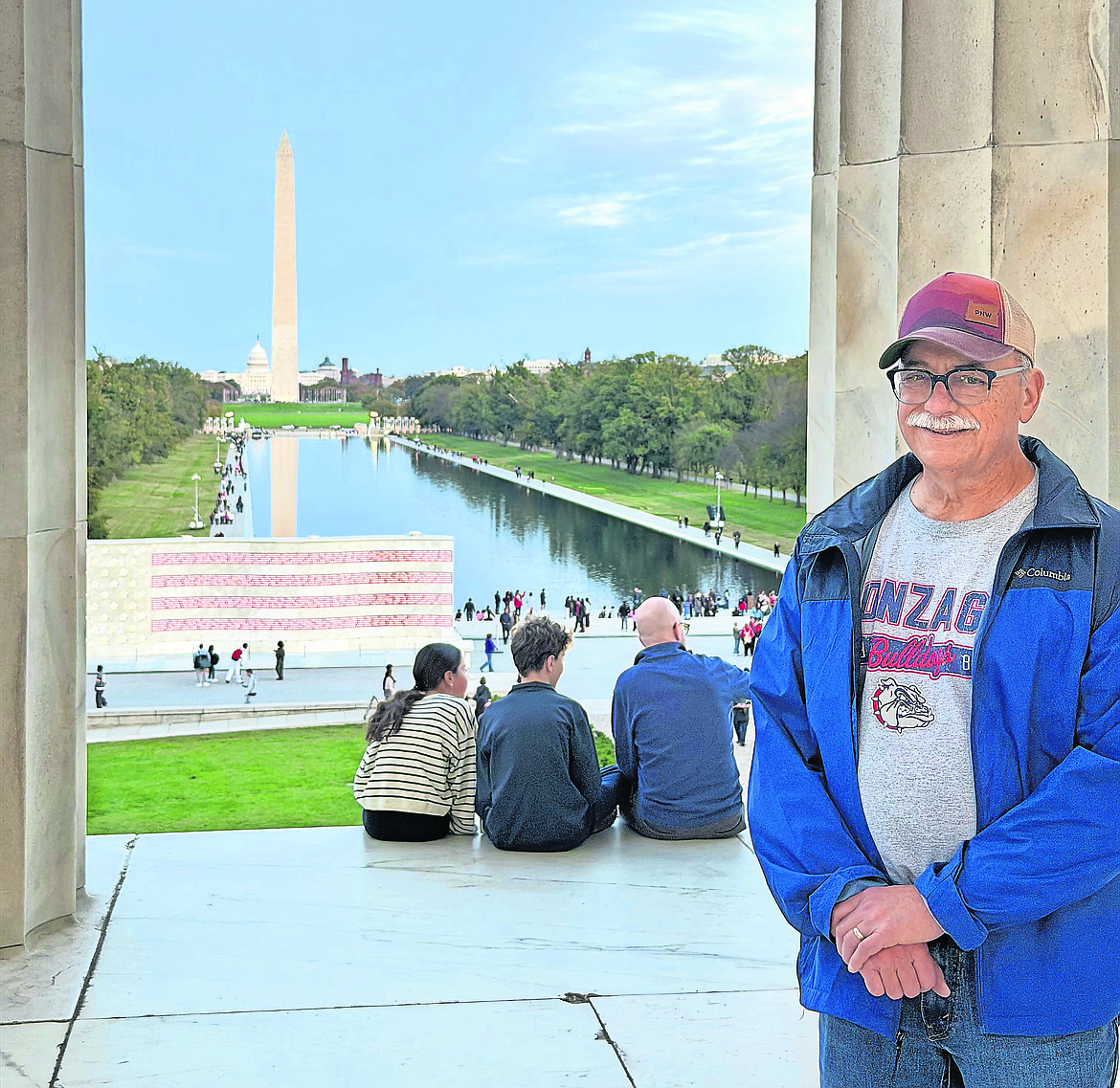
This line-of-sight view from the Lincoln Memorial before the midterm election offered my son and I a large slice of American history. Martin Luther King Jr. gave his immortal “I Have a Dream” speech only feet away. The controversial Reflecting Pool points east to the Washington Monument, with the U.S. Capitol in the distance, 2 ½ miles away.
Dave Oliveria photo
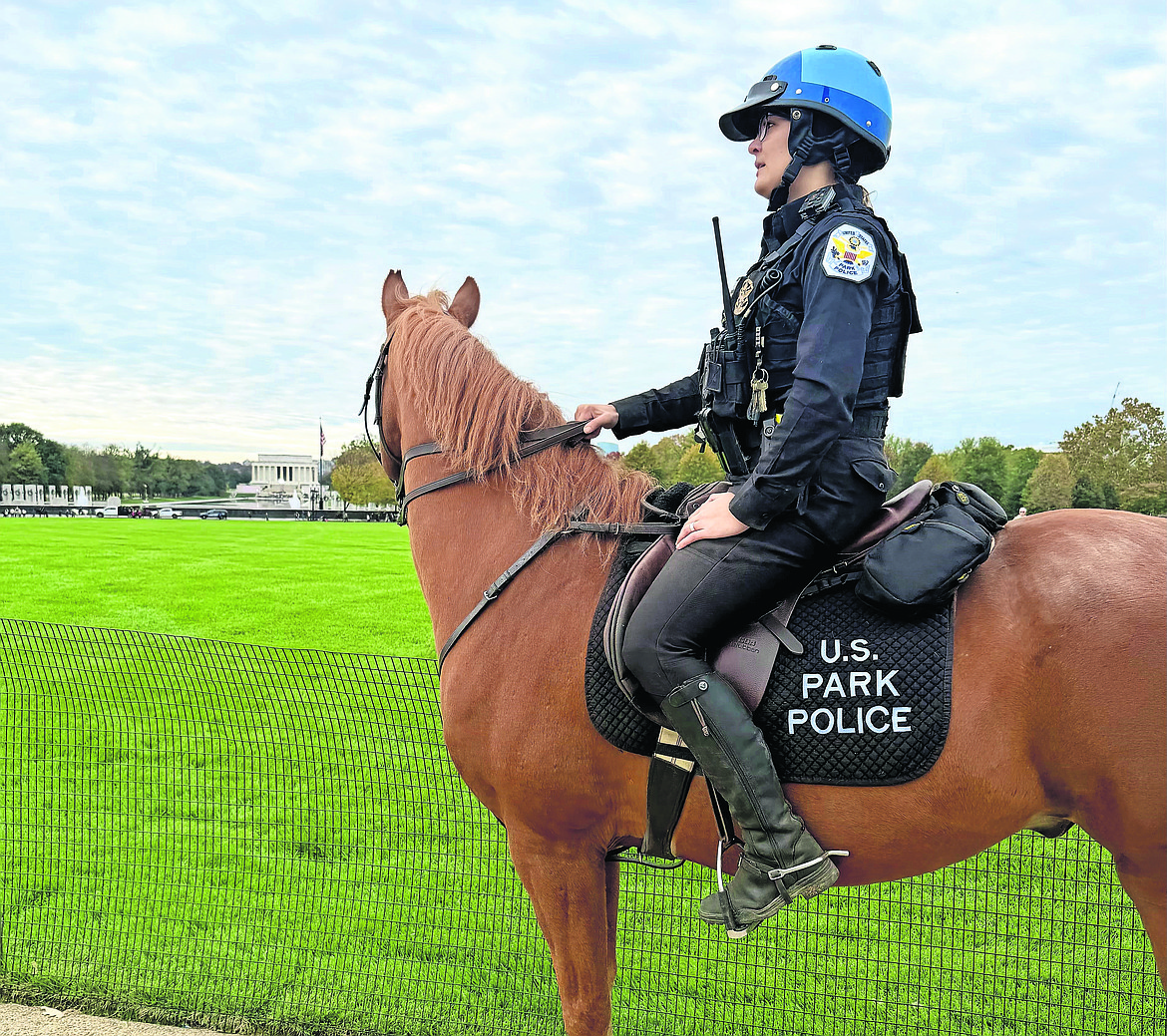
On November, May 2, a mounted U.S. Park Police officer blocked visitors near the Washington Monument from directly watching President Donald Trump’s speech about the Reflecting Pool at the Lincoln Memorial a mile away.
Dave Oliveria photo
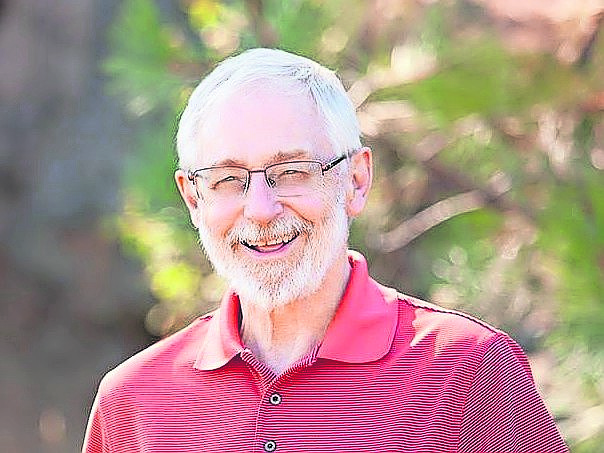
During his 1996 race for Kootenai County clerk, Dan English’s vote on the City Beach thong ban three years earlier returned to haunt him.
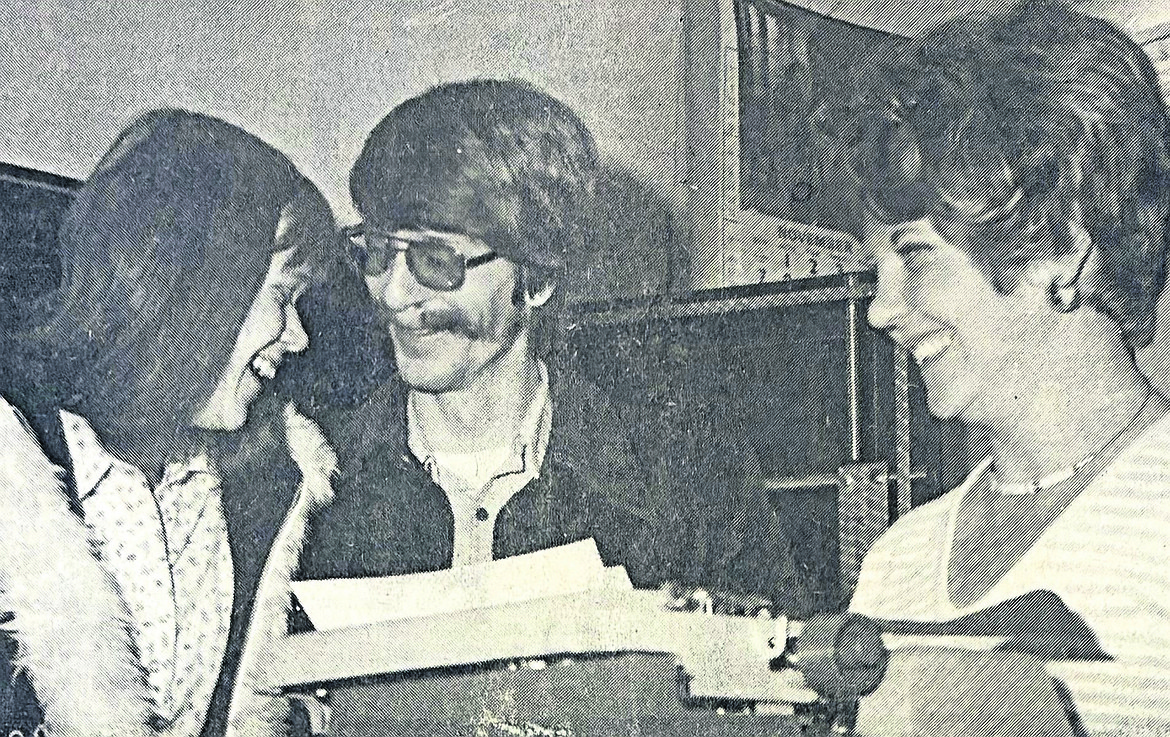
In 1976, Stanley Hohn of St. John, Wash., (center) and Bonnie Beach of Kamiah, Idaho, applied for a marriage license while county deputy clerk Sue Jacklin, right, assisted them.
Coeur d'Alene Press Archive
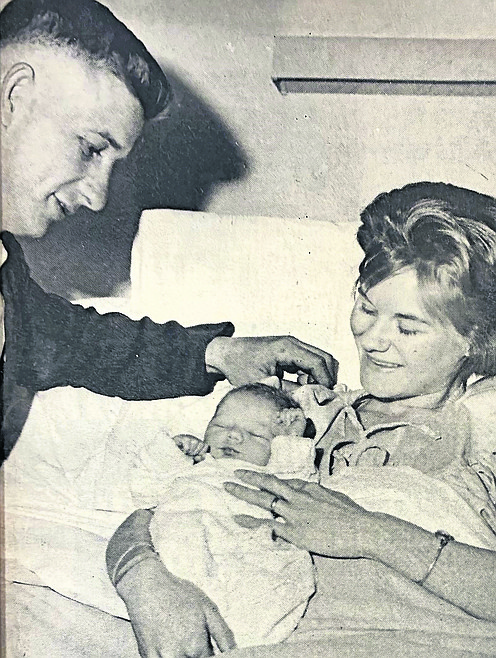
In November 1966, Mr. and Mrs. Jimmy Oliver of Nordman, Idaho (Bonner County) welcomed the first baby to be born at the new Kootenai Memorial Hospital — a 6-pound, 5-ounce baby boy named Neil.
Coeur d'Alene Press Archive
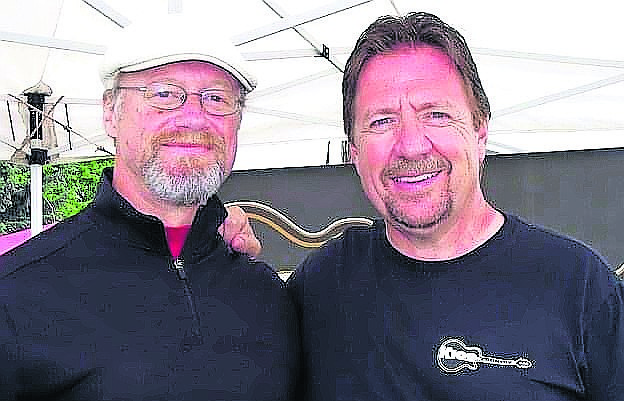
For nearly two decades, the late Jeff McLean and Dick Haugen formed a sports broadcast team for KVNI-AM radio. Before that, McLean broadcasted local sports with Steve Myklebust.
Coeur d'Alene Press Archive
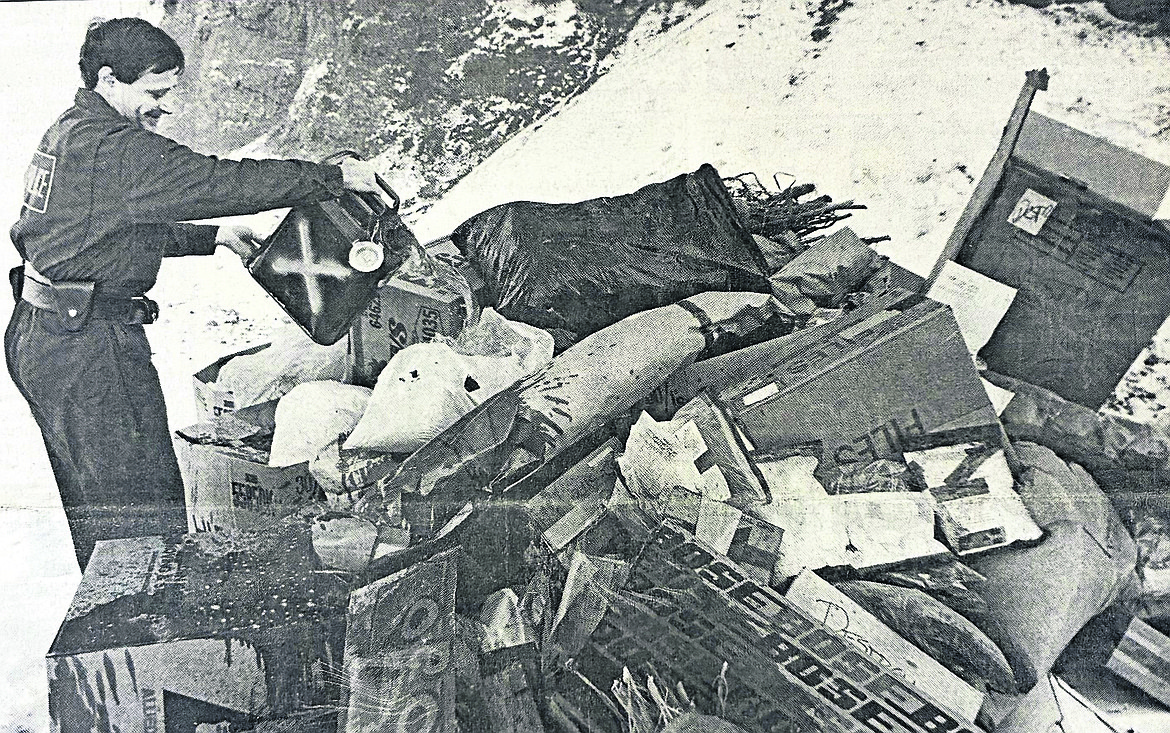
In 1986, Lt. Wayne Longo, then with the Idaho Department of Law Enforcement, torched $6 million worth of illegal drugs.
Coeur d'Alene Press Archive
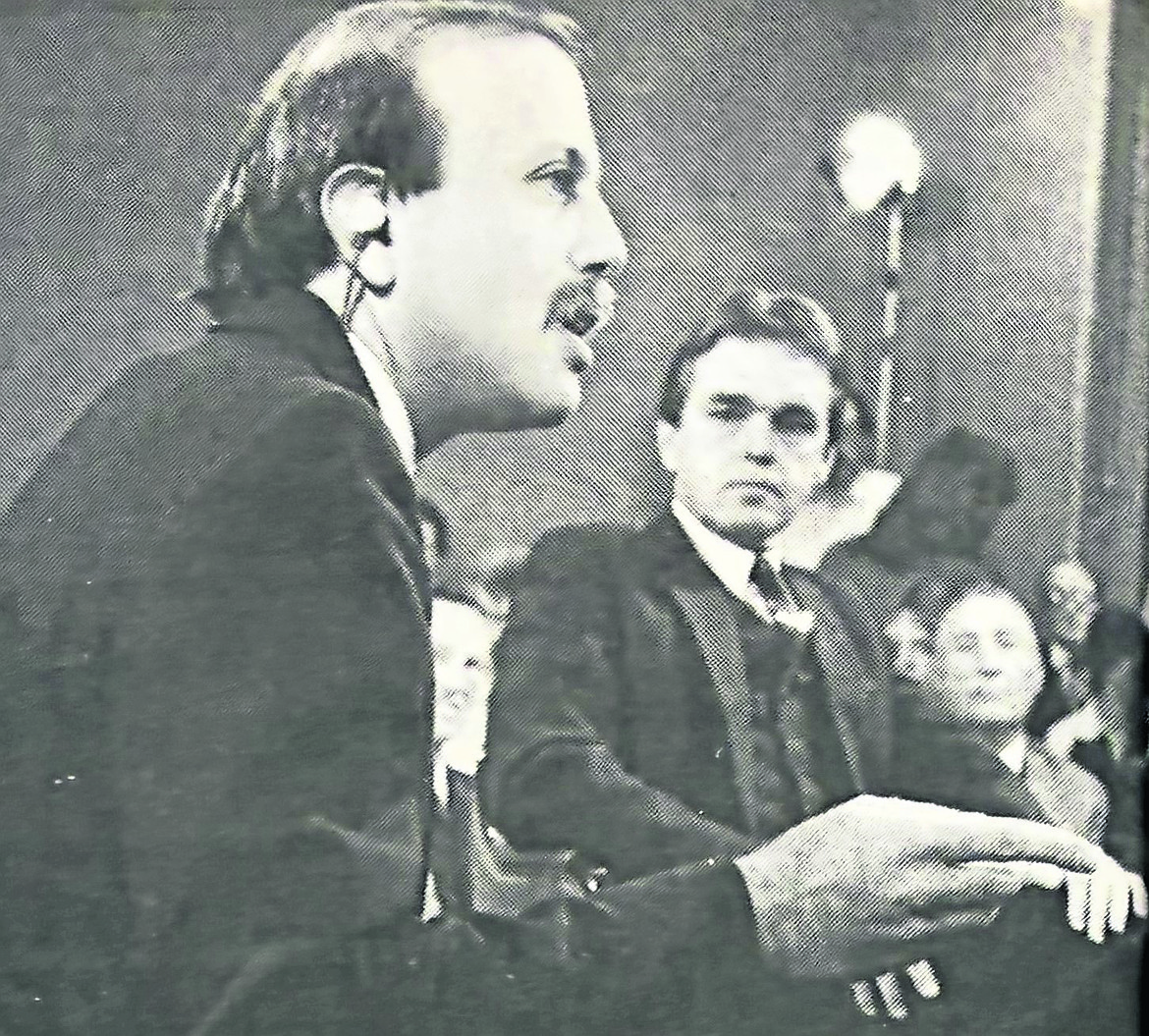
In 1986, moderator Scott Miller of Portland’s KGW-TV made a point while Kootenai County Prosecutor Glen Walker, center, and Aryan Nations founder Richard Butler listened.
Coeur d'Alene Press Archive
My son and I were walking along the National Mall in Washington, D.C., on the day before the midterm elections when the Secret Service, National Guard and police swarmed us.
We were looking for the Vietnam Memorial Wall to pay homage to the fallen when well-armed, camouflaged, serious officers shut down Constitution Avenue, shooing us onto the sidewalk. A black screen fence blocked us from approaching the Lincoln Memorial.
We had considered attending President Trump’s speech at the Reflecting Pool that afternoon. But only park rangers, selected personnel and the media were allowed to do so. Instead, we stood on a street corner waiting for the president’s motorcade to pass.
Then, a stern Secret Service officer on a bicycle ordered three gabbing members of the National Guard to keep an eye on the spectators. “If they try to leave the sidewalk,” he growled, “don’t let ’em.” And he ordered the soldiers: “Turn and face the crowd. Not me.”
Soon afterward, the 20-vehicle motorcade roared by, including Cadillac One, “The Beast,” carrying the president, and two facsimiles. Once they passed, everyone relaxed.
Then, we watched the president’s speech on our cellphones from the Washington Monument, accompanied by a handful of intimidating U.S. Park Police on horseback. The Washington Monument and the Lincoln Memorial are about a mile apart.
I was surprised that the president spent much of his speech, with the midterms a day away, praising the Reflecting Pool. But it was nice to see the iconic pool in good shape.
As we took in the historic sites of the nation’s capital — the monuments, museums, Capitol Building, Library of Congress and Arlington Cemetery — we saw pockets of National Guard and Washington police. The place was clean. It felt safe. And people behaved.
We spotted little that suggested an important election was hours away.
It was surreal to be in Washington, D.C., during the election. The residents went about business as usual while visitors gawked. A waitress told us that the gravity of the historic town was lost on her. She viewed the National Mall simply as a place to have a picnic.
Washington is a special place. A bucket-list place. A city on a hill. Words on its monuments — “I have a dream,” “We hold these truths to be self-evident,” “Of the people, by the people, for the people” — still inspire us, even as we contend for our own personal values.
Despite our deep divisions today, we still embrace the quotes carved in stone, the acres of graves at Arlington Cemetery, the statues of historic leaders and the symbols around the national capital as our true north. It’s in our DNA. It’s much more than a picnic area.
Thong Man Redux
Dan English’s vote against banning thong swimsuits from City Beach in July 1993 returned to bite him on the backside three years later. Remember?
As a Coeur d’Alene councilman, Dan voted with the 4-2 majority in July 1993 to permit Tim Bowman of Coeur d’Alene (aka Thong Man) to wear a thong during what one Coeur d’Alene Press reporter called that “Thong Hot Summer.”
The vote upset many.
And some didn’t forget about it in fall 1996 when Dan, then the appointed Kootenai County clerk, ran as a Democrat to retain his job. He was surprised when a political action committee, named Citizens in Action, backed his opponent, Republican Lee Knowles.
Led by ex-legislator Ron Vieselmeyer, Citizens in Action endorsed only Republicans in contested races. When The Press asked about the endorsements, Ron couldn’t recall why his group backed Knowles, saying only that Dan’s vote against the ban was “concerning.”
Dan, who founded the local Youth for Christ and Anchor House, a shelter for troubled youth, was offended. Citizens in Action hadn’t contacted him: “I sense they judged and invalidated my personal faith without so much as a ‘how do you do.’”
Dan maintained then, as he does now, that a thong ban would be unenforceable. In 1996, Dan cruised to victory with 58% of the vote and served as county clerk until 2010.
The thong issue faded away. But thongs on City Beach certainly haven’t.
Marriage Capital
Idaho has long been an easy-peasy place to marry.
Out-of-state residency? No problem. Waiting periods? Never heard of them. Witnesses? Only If a love-smitten couple wanted them. Underaged bride or groom? If you’re 16 and your parents approve, why not?
Fifty years ago, marriage licenses in Coeur d’Alene sold briskly although Lake City wasn’t exactly Las Vegas, according to Dr. Victoria Carbury of the Coeur d’Amour Wedding Chapel and pastor of The Church of Truth. In November 1976, she told The Press. “By giving the couples a dignified ceremony, we are making life just a little better for our future leaders.”
Dr. Carbury had conducted more than 25,000 marriage ceremonies in 22 years here.
Meanwhile, Sue Jacklin, a Kootenai County deputy clerk, reported that 3,148 marriage licenses had been issued in the county in 1976 through mid-November — 51 more than for the same period in 1975. Idaho’s no-waiting policy and the heavy tourist trade in Coeur d’Alene were drawing cards, she said.
At the time, the waiting period for nearby states varied from three to five days. Washington and Oregon still have three-day waiting periods. So, out-of-state couples keep coming.
Huckleberries
• Poet’s Corner: By the millions / does God make them, / but never comes / around to rake them — The Bard of Sherman Avenue (“Autumn Leaves”).
• Name Changes: Our hospital was known by other names before it became Kootenai Health in July 2013 — Coeur d’Alene General, Kootenai Memorial, Kootenai Medical Center. In October 1966, it moved from downtown into a $1.6 million facility in the suburbs. Drs. E.R.W. (Ted) Fox and Alexander Barclay performed the first surgery. And Mrs. Jimmy Oliver of Nordman, Idaho, had the first baby: Neil Garland Oliver.
• Oopsy: On Nov. 1, Huckleberries misidentified a longtime sports broadcaster for KVNI-AM. For decades, beginning in the 1980s, Jeff McLean announced local sports — first with Steve Myklebust and then with Dick Haugen. Mea culpa.
• Burn Baby Burn: Lt. Wayne Longo, formerly of the Idaho Department of Law Enforcement, knows what it’s like to see $6 million go up in flames. On Nov. 12, 1986, Wayne poured gas on $6 million worth of marijuana, cocaine, heroin and amphetamines — and lit a match. Idaho law agencies had seized all that contraband since 1979. Law enforcement still incinerates illicit drugs today. Good riddance.
• Say Hey: If you get the chance to do so, come by The Press between 1:30 and 4:30 Friday afternoon to say hello, check out my new book, “Coeur d’Alene Chronicles,” and help me celebrate my birthday: No. 77. Yeah, I’m old as the hills.
Parting Shot
During the heyday of the Aryan Nations (1980s-1990s), locals debated how to treat Richard Butler and his racist followers. Many wanted to ignore them. Others, like Undersheriff Larry Broadbent, warned that neo-Nazis would expand from 60 to 600 locally if we did.
So, you can imagine the uproar on Nov. 10, 1986, when county Prosecutor Glen Walker debated former Klan leader Robert Miles at Templin’s Resort in Post Falls.
Hosted by KGW-TV of Portland, Ore., the debate attracted a crowd of 150, most of which jeered Miles constantly. Founder Butler and a few Aryans were sprinkled in, too.
Miles came out swinging, according to The Press.
He taunted that North Idaho was a perfect place for his followers to live, saying, “You already have a white homeland. … We want to live among you.” Prosecutor Walker responded, “We don’t want you.” Defiant Miles said, “You can’t keep us out.”
The audience booed. KGW host Scott Miller concluded that “dialogue is better than silence.” And the Aryans continued to make news until fall 2000 when an adverse $6.3 million civil verdict bankrupted Butler and his organization.
• • •
D.F. (Dave) Oliveria can be contacted at [email protected].
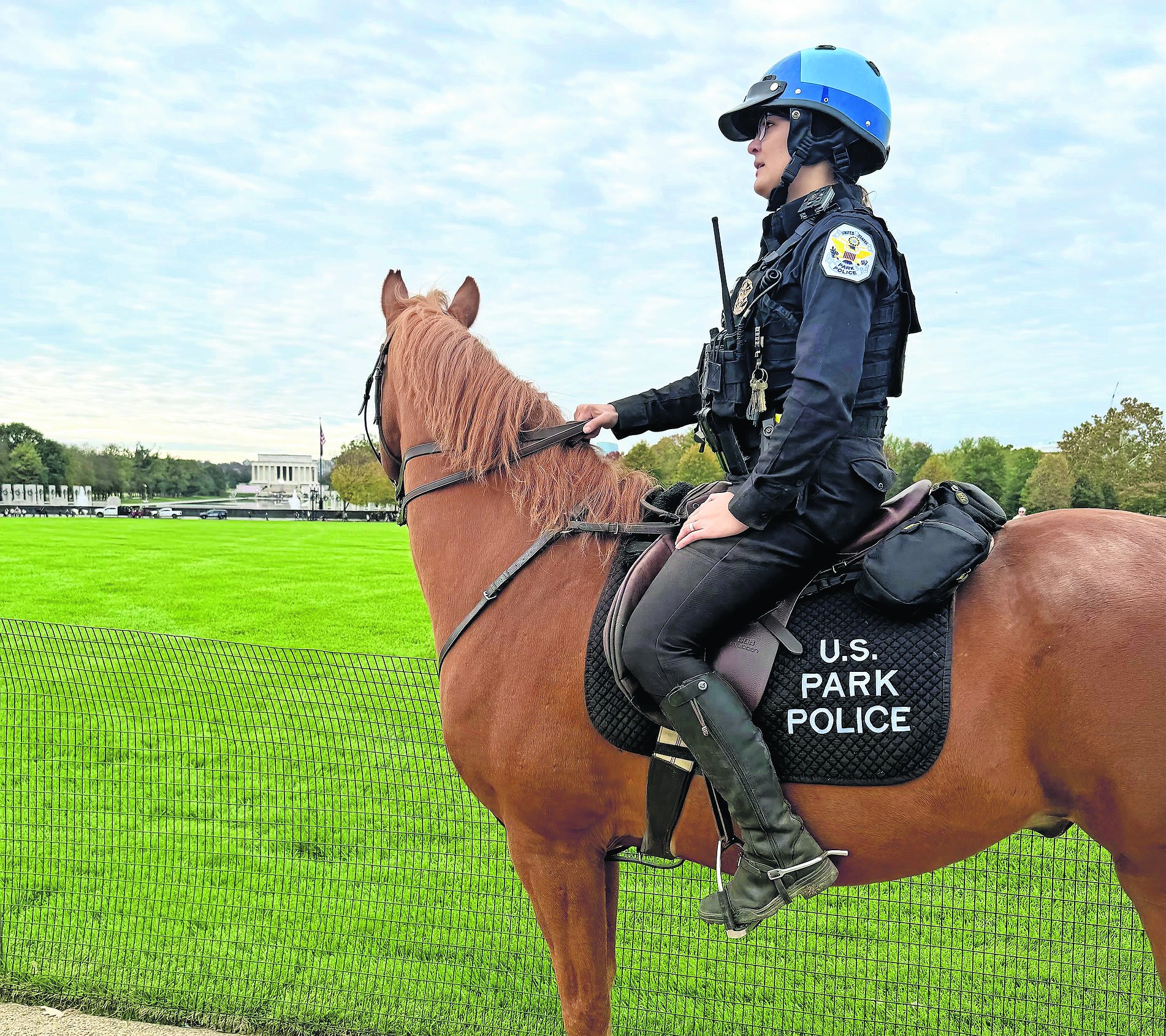 On November, May 2, a mounted U.S. Park Police officer blocked visitors near the Washington Monument from directly watching President Donald Trump’s speech about the Reflecting Pool at the Lincoln Memorial a mile away.
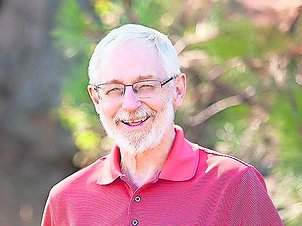 During his 1996 race for Kootenai County clerk, Dan English’s vote on the City Beach thong ban three years earlier returned to haunt him.
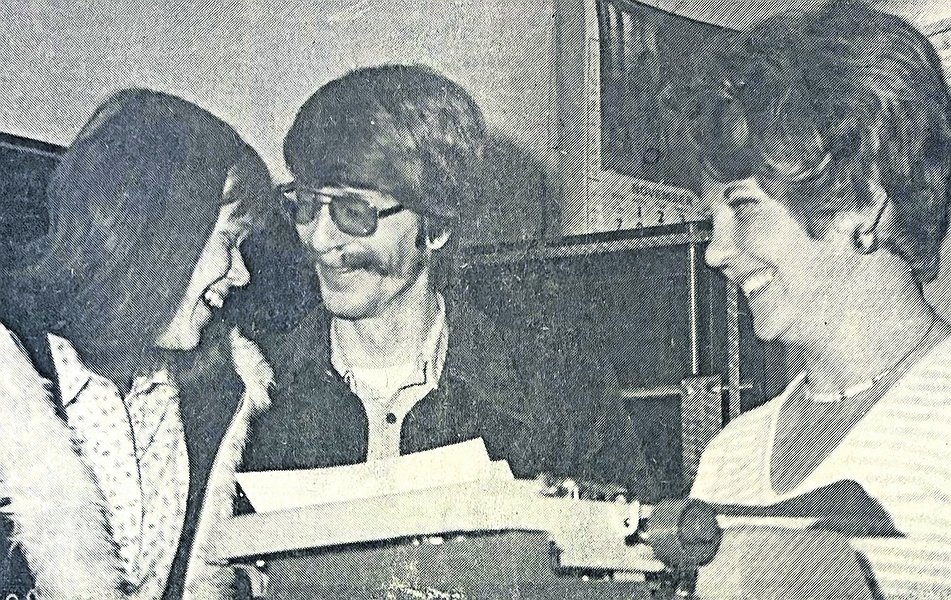 In 1976, Stanley Hohn of St. John, Wash., (center) and Bonnie Beach of Kamiah, Idaho, applied for a marriage license while county deputy clerk Sue Jacklin, right, assisted them.
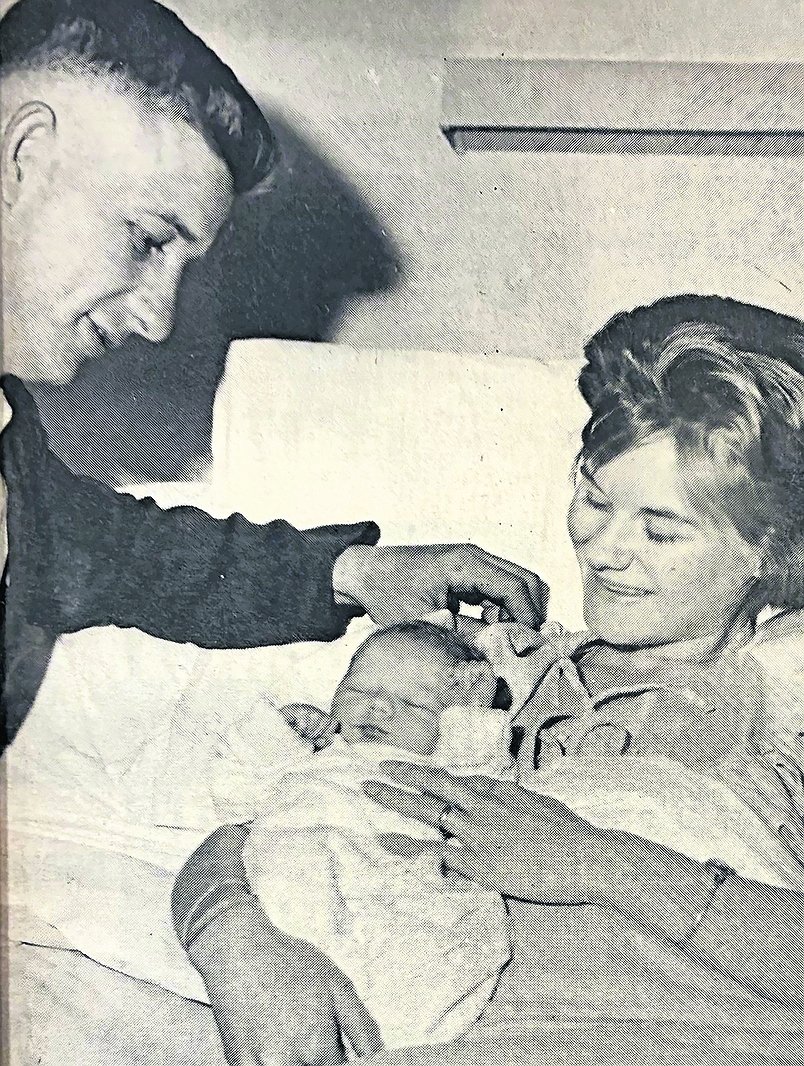 In November 1966, Mr. and Mrs. Jimmy Oliver of Nordman, Idaho (Bonner County) welcomed the first baby to be born at the new Kootenai Memorial Hospital — a 6-pound, 5-ounce baby boy named Neil.
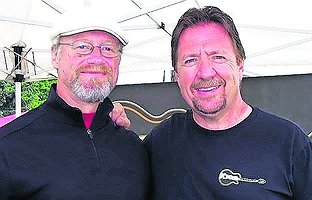 For nearly two decades, the late Jeff McLean and Dick Haugen formed a sports broadcast team for KVNI-AM radio. Before that, McLean broadcasted local sports with Steve Myklebust.
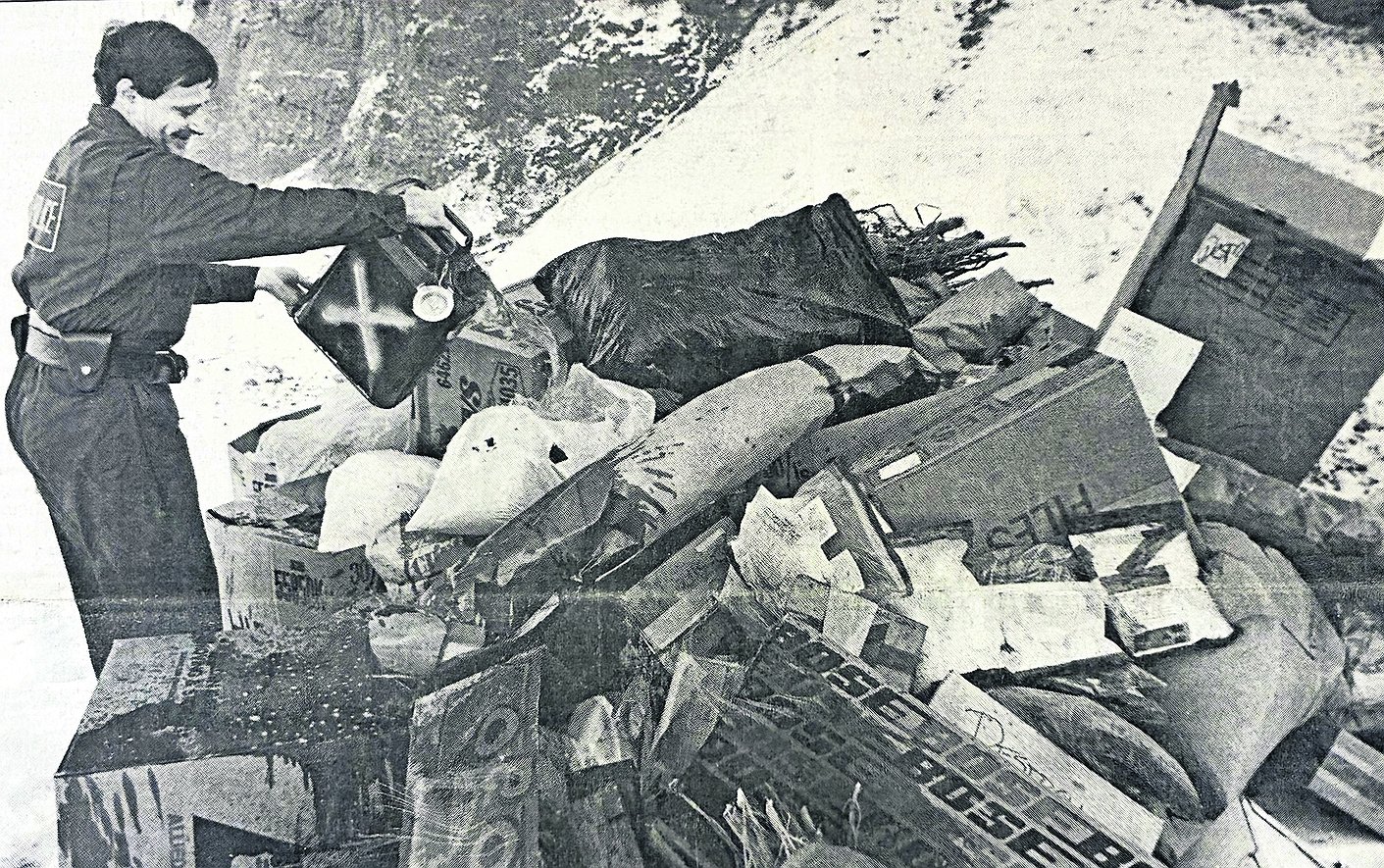 In 1986, Lt. Wayne Longo, then with the Idaho Department of Law Enforcement, torched $6 million worth of illegal drugs.
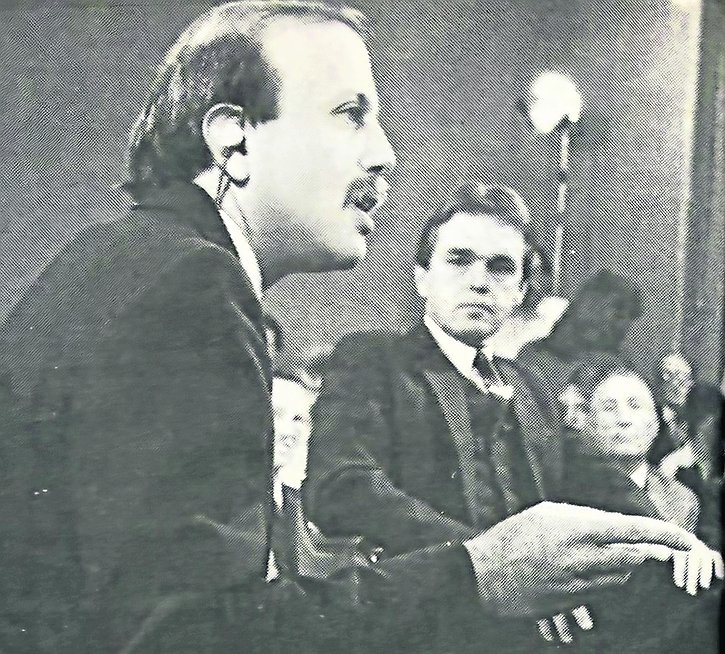 In 1986, moderator Scott Miller of Portland’s KGW-TV made a point while Kootenai County Prosecutor Glen Walker, center, and Aryan Nations founder Richard Butler listened.