
Understanding the invisible hand behind your daily credit card transactions
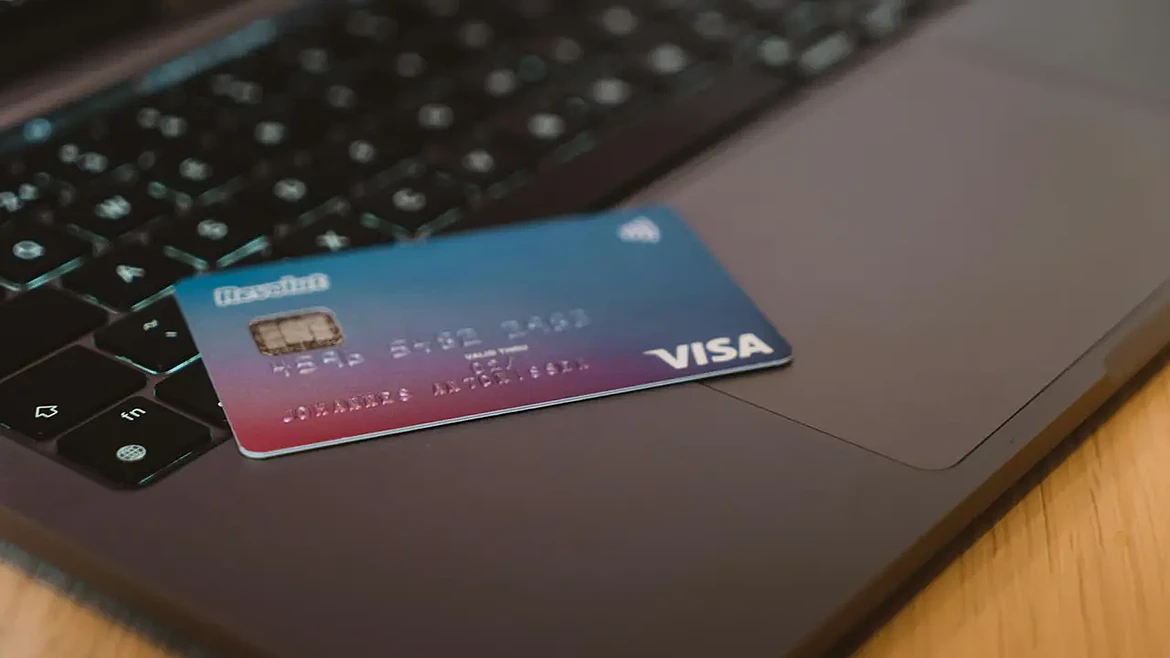
Each time you swipe, tap, or use your credit card online, several financial institutions and technology providers work together to make the payment go through without a hitch. Unpacking the process behind day-to-day purchases like this helps demystify how money moves between customers, businesses, banks, and payment networks, even when the entire transaction takes no more than a few seconds.
Although credit card transactions feel straightforward on the surface, the systems working in the background are quite complex. Each transaction involves everything from communication and verification to security checks and financial transfers. Outlining these elements and how they work together can help both consumers and business owners get a grip on modern payment system functionality.
So What Really Happens When You Pay for Something With a Credit Card?
Every legit transaction begins with you either presenting your card in person or inputting the details for an online checkout process. The payment terminal at a given store or a website will collect only the necessary info and then send it through a series of connected systems for double-checking.
One crucial aspect of this is called the "payment gateway," which securely transfers payment info from a business's site or point-of-sale system to the relevant payment processor. Gateways also use some level of encryption, among other security measures, to protect any sensitive customer data.
Once in the processing system, the customer's bank should receive a formal request to actually authorize the purchase. The bank checks several details, including the following:
- Whether the card is valid and not expired
- Whether sufficient credit is on hand
- Whether the transaction appears suspicious or not
If no red flags crop up, the issuing bank should approve the transaction and send an authorization response back through the payment network. After the merchant receives confirmation, the customer can complete the purchase. It may sound complicated, but if there are no snags, then everything happens almost as fast as lightning.
However, authorization doesn't mean the money has instantly teleported into the business's bank account. The transaction still needs to jump through the hoops of clearing and settlement. This is when the applicable financial institutions step in to calculate and transfer the funds.
Who Exactly Are the Main Players Behind Credit Card Processing?
There's no one organization in charge of the entire process, but rather several that each take care of a specific responsibility. Breaking them down is the easiest way to see the various gears that go into financial relationships.
In addition to the cardholder and merchant, there are the following:
- The issuing bank that gave the credit card to the customer and approves or rejects transactions
- The acquiring bank that processes card payments on behalf of the merchant and handles the transfer of funds
- The payment network, such as Visa and Mastercard, that helps route transactions between financial institutions
- The payment processor responsible for transmitting transaction information between all parties
Don't forget about the merchant account. It makes it possible for businesses to accept card payments in the first place.
For anyone interested in learning even more, a guide to issuer and acquirer differences can help parse why these two banking roles are absolutely essential to the payment process. While issuers work with cardholders, acquirers work with merchants. It's a kind of symbiosis.
Such cooperation lets customers spend using credit without businesses needing direct relationships with every single customer's bank. After all, that would be a painstaking process and far from efficient.
Why Do Businesses Have to Pay Fees for All Credit Card Transactions?
There's no denying that accepting card payments provides convenience for customers, and it helps businesses reach more potential buyers, too. There's also no getting around the fact that the infrastructure behind each purchase comes with certain operating costs.
Transaction fees cover the services provided by the following:
- Banks
- Payment networks
- Processors
- Other companies involved in completing a given purchase
Although the exact pricing can vary quite a bit, businesses tend to encounter several main types of charges.
Interchange fees go right to the issuing bank and make up a considerable portion of the general processing cost. Payment networks may also charge assessment fees for facilitating transactions through their systems.
Processors and payment service providers charge additional fees for the following:
- Handling transactions
- Maintaining payment infrastructure
- Providing cutting-edge security tools
Make no mistake, everything from the card you have to the transaction type can affect the final processing fees involved.
Frequently Asked Questions
Can a Credit Card Transaction Be Declined Even When There's Available Credit?
Unfortunately, yes. Having enough available credit on hand is no 100% guarantee that a purchase will be approved. Banks have to use several security measures to flag potentially unauthorized activity alone, and transactions that come across as unusual may get declined even when the cardholder has all the credit in the world.
Other reasons include the following:
- Incorrect card details
- Expired cards
- Spending restrictions
- Suspected fraud
- Temporary technical problems with merchant processing
Customers who come up against repeated declines should stop trying their card and instead reach out to their issuing bank. It's better to get to the bottom of the situation and confirm whether any restrictions need to be resolved first.
Is It Safe to Use a Credit Card for Online Purchases?
In general, it can be, but you need to ensure businesses use only reputable payment providers and the right security measures. Everything from encryption to tokenization can go a long way toward protecting sensitive info.
Plenty of banks even offer extra authentication requirements to double-check a customer's identity before approving certain purchases.
Credit Card Transactions Aren't As Simple as They Seem
By familiarizing yourself with the ins and outs of credit card transactions, you can better protect yourself and figure out what, if anything, went wrong with a payment. After all, knowledge is indeed power.
Our publication comes out with helpful articles and in-depth news on a regular basis. We cut right through the noise so that you can have a clean-cut perspective on what's happening locally and abroad. We invite you to subscribe today so that you don't miss out later on.
This article was prepared by an independent contributor which helps us continue delivering quality content to our audiences.