
Hepatitis C testing matters more now that the virus is curable
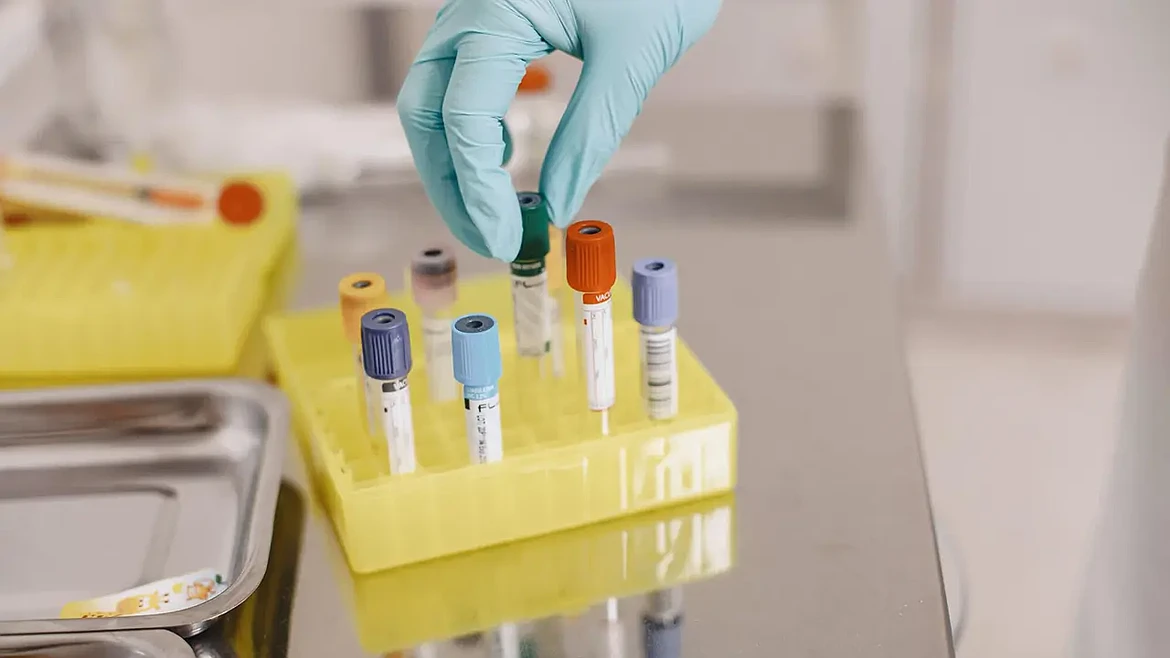
Routine hepatitis C testing helps detect infections that may remain unnoticed for years, giving you a chance to prevent serious liver damage. Understanding who needs screening, how testing works, and what treatment involves can help you protect your long-term health.
An estimated 47 million people worldwide live with chronic hepatitis C, and about 900,000 new infections occur each year, according to the World Health Organization. Hepatitis C testing matters because the infection can stay hidden while harming the liver.
A blood test could reveal a health problem you never knew you had. You might feel fine, keep up with work, and have no reason to suspect an infection. Hepatitis C often causes no warning signs for years.
Meanwhile, untreated infection can slowly injure the liver. The good news is that a diagnosis no longer means facing a lifelong infection. Simple medicines can now cure most cases.
The challenge is finding the virus before serious damage occurs. Knowing who needs a test and what happens afterward can make an important health decision much easier.
Is Hepatitis C Curable?
Many people ask, "Is hepatitis C curable?" The answer is yes.
Today's direct-acting antiviral medicines stop the virus from multiplying. Most patients take pills for eight to 12 weeks. According to the Centers for Disease Control and Prevention, treatment cures more than 95% of cases.
Follow-up testing checks whether the virus is gone. Your clinician will review your medicines and liver health before choosing treatment.
A cure is possible, but the first step is knowing you have the infection.
Who Should Get Tested for Hepatitis C?
The CDC recommends screening for every adult age 18 or older at least once. Pregnant patients should be screened during each pregnancy. You should not wait for symptoms or assume a healthy lifestyle makes testing unnecessary.
Some people need testing more often. Talk with a healthcare professional if you:
- Have shared needles or injection equipment.
- Receive long-term dialysis.
- Have HIV or unexplained liver test results.
- May have been exposed to infected blood.
Mention any blood transfusion before July 1992. Ongoing exposure may call for repeat tests.
Why Do So Many People Go Undiagnosed?
An infection can remain unnoticed long after it begins. The CDC reports that roughly 75% to 85% of people with hepatitis C have no symptoms. Nearly one in three people with the virus do not know they have it.
Possible symptoms include:
- Fatigue
- Nausea
- Dark urine
Symptoms alone are unreliable clues.
Untreated hepatitis C can lead to:
- Cirrhosis
- Liver cancer
- Other serious liver disease
Early detection gives you an opportunity to seek treatment before more harm occurs.
What Happens During Hep C Screening?
Hep C screening usually begins with a small blood sample. The first test looks for antibodies, which show past exposure. A rapid antibody test may provide results in about 30 minutes.
Why the Second Test Matters
A positive antibody result does not always mean you are infected now. A second test looks for hepatitis C RNA, the genetic material of the virus. Ask for automatic follow-up testing on the same sample.
The results guide your next step:
- Antibody negative: No evidence of past infection in most cases.
- Antibody positive, RNA negative: No current infection detected.
- RNA positive: The virus is present, and treatment should be discussed.
Recent exposure may require RNA testing despite a negative antibody result.
Where Can You Find Testing and Support?
You can request a test from a primary care office, public health department, or community clinic. Some centers offer free health screening for hepatitis C, although services and eligibility vary by location.
Certain clinics also offer a rapid HIV test during a broader health visit. HIV and hepatitis C require different tests, though. A negative HIV result does not rule out hepatitis C.
For example, someone searching for a trusted health clinic in Phoenix, AZ can review local testing appointments and hepatitis C services. Ask if confirmatory testing and treatment referrals are available.
What Should You Do After a Diagnosis?
A positive RNA test calls for a care plan. Your clinician may:
- Check liver function
- Review medicines
- Assess scarring
- Test for hepatitis B and HIV
To protect your health while arranging treatment:
- Avoid sharing needles, razors, or toothbrushes.
- Ask about hepatitis A and B vaccines.
- Limit or avoid alcohol.
- Check before taking new supplements or medicines.
Take treatment as directed and keep follow-up visits. Advanced liver scarring may require monitoring after a cure.
Frequently Asked Questions
How Soon After Exposure Can Hepatitis C Be Detected?
Timing depends on the test. Viral RNA can appear one to two weeks after exposure. Antibodies often take eight to 11 weeks.
An early antibody test can therefore miss an infection. Tell your clinician when exposure happened.
They may order RNA testing or schedule a repeat test. You do not need symptoms to justify testing. Getting tested at the right time improves the chances of finding an infection and receiving appropriate care.
Can Hepatitis C Return After Successful Treatment?
A cure usually lasts, but another exposure can cause reinfection. Treatment does not create immunity.
Clinicians check viral RNA at least 12 weeks after treatment ends to confirm that the virus remains undetectable. Antibody tests may remain positive after treatment.
If future exposure is possible, ask about repeat RNA testing instead. Prevention remains important after a cure.
Can You Catch Hepatitis C Through Everyday Contact?
No. Hepatitis C spreads when infected blood enters another person's body. Hugs, meals, handshakes, coughing, and shared rooms do not spread the virus.
Family members can continue ordinary activities. However, never share items that may carry blood, including:
- Razors
- Toothbrushes
- Needles
Cover cuts and clean blood spills carefully. Accurate information protects families without creating fear or stigma.
Make Hepatitis C Testing Part of Your Health Plan
Hepatitis C testing offers a simple way to find a serious infection while effective treatment is available. Ask about screening if you have never been tested, and follow up on any result that needs confirmation. Knowing your status gives you a chance to act.
Continue browsing our other guides and articles for more practical information about preventive care and everyday health.
This article was prepared by an independent contributor which helps us continue delivering quality content to our audiences.