
Earthjustice: Grizzly mortalities in Greater Yellowstone reach record Levels
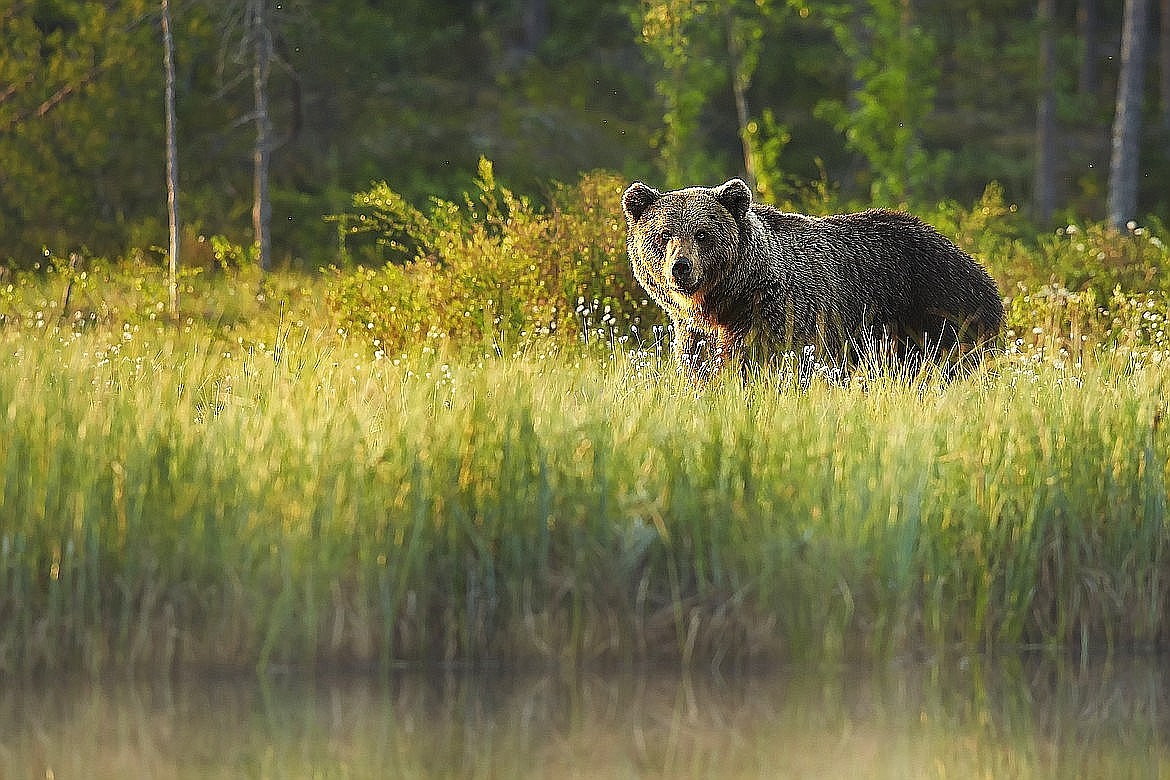
A grizzly bear is pictured in a field in this Idaho Department of Fish and Game photo. In 2022, IDFG officials reported an increased amount of human and grizzly encounters in the Panhandle region. (Photo courtesy IDAHO DEPARTMENT OF FISH & GAME)
Grizzly bear mortalities in the Greater Yellowstone Ecosystem have reached record levels for the third year in a row, with over 80 bears already dead and two months remaining in the year, according to a Tuesday press release from Earthjustice.
Conservation groups said they are sounding the alarm over the increased bear deaths, at least 50 of which were human-caused, with another 15 under investigation. The groups urged the Trump administration to avoid doing even more harm by finalizing a management rule that would allow for more bear killing or delisting the species, which is currently listed as threatened under the Endangered Species Act.
“It is incredibly alarming that the administration is seeking new ways to harm or kill grizzly bears as the species faces three years of record mortality,” said Jenny Harbine, managing attorney for Earthjustice’s Northern Rockies Office. “This is the absolute worst time to be caving to political pressure from Northern Rockies states that will do even more harm to the species if they take the reins."
In July, the Trump administration proposed a revised 4(d) rule that would hand over greater management of the species to Northern Rockies states. While bears would temporarily retain their Endangered Species Act listing, the rule would function as a backdoor delisting without the prerequisite findings that federal protections are no longer required to sustain the species, the press release said. The revised proposal is expected to be finalized in the coming weeks.
The Trump administration has also openly stated that it intends to push for delisting immediately after the rule is finalized.
Several conservation groups have said they plan to challenge the move to maintain protections for the grizzly bear, particularly in light of these new and emerging threats.
“Record high grizzly deaths show bears need more protection, not less, as they continue expanding their range and attempt to reoccupy the places they once freely roamed,” said Adam Rissien, rewilding manager with WildEarth Guardians.
He said it is no surprise conflicts are increasing and more grizzlies are getting killed.
"Bears are having to search for more food in more places because of shorter winters, more severe summer heat and drought, and a steep drop in whitebark pine nuts that they’ve historically relied on for a substantial portion of their fall diet," Rissien said.
Kristin Combs, executive director for Wyoming Wildlife Advocates, said with this many deaths occurring year after year, it’s obvious that there is a long way to go toward coexisting with grizzly bears.
“Much more needs to be done to reduce human-caused conflicts. It’s no secret that Wyoming intends to allow more grizzlies to be killed so removing protections would add more deaths to an already beleaguered population," she said. "Because grizzlies are so slow to reproduce, this could undo decades of recovery work.”
Dead grizzlies are the predictable price of putting more cattle in grizzly country, said Patrick Kelly, Montana director for Western Watersheds Project.
"Livestock conflict has killed more Greater Yellowstone grizzlies this year than any other cause, yet the Trump administration is pushing national forests across the region to restock vacant grazing allotments, and several already have," he said. "Now the same administration wants to finalize a 4(d) rule handing grizzly management to states that have made clear they want fewer bears. That’s not recovery. It’s a plan for more dead grizzlies.”
Nick Gevock, Sierra Club Northern Rockies campaign strategist, said more motorized use and logging, along with putting livestock onto lands that were specifically closed to alleviate conflicts with grizzlies, have only led to more deaths.
"It further proves that with hostile states eager to drive the grizzly population down, now is no time to remove federal protections for this iconic species," he said in the release.
The Idaho Department of Fish and Game confirmed a grizzly bear sighting in the Coeur d'Alene National Forest in September.
A hunter reported seeing the bear Monday in the Skookum Saddle area of the Coeur d'Alene National Forest, about an hour and a half outside town. Based on trail camera photos, wildlife officials said Wednesday the bear appeared to be an adult in good health.
Most grizzly bears reside in Boundary and Bonner counties, but they can be found throughout the Panhandle, making the Kootenai County sighting unusual but not unheard of.
The latest minimum population number for the Cabinet-Yaak Grizzly Bear Recovery Area, which spans about 2,600 square miles in northwestern Montana and northeast Idaho, is about 50 bears.
About 70 bears live in the U.S. portion of the Selkirk Mountain Grizzly Bear Recovery Area, which includes about 6,700 square miles in Northern Idaho, northeastern Washington and southeastern British Columbia.