
ADVERTISING: ADVERTORIAL - Talking to your family about your estate plan: How communication prevents disputes
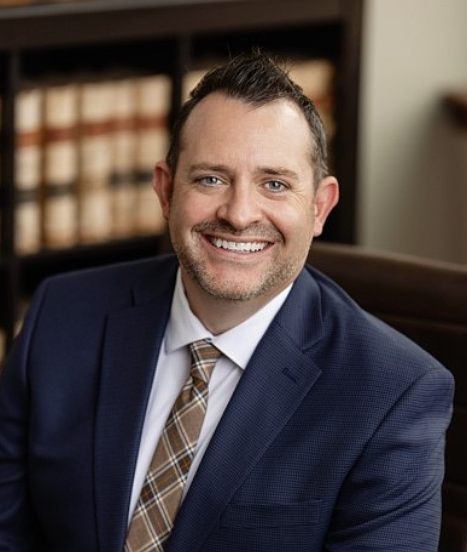
Robert J. Green
Some of the most painful family conflicts I see in my practice aren’t really about money. They’re about surprise. An adult child learns, after a parent’s death, that their sibling was named successor trustee — or that the family cabin is going to a stepchild — and the resentment that follows can fracture relationships for decades.
A well-drafted estate plan can survive almost anything except being a shock to those you love. The single most effective tool for preventing disputes after your death or incapacity isn’t a no-contest clause or an airtight trust. It’s a conversation.
Why Silence Breeds Conflict
When loved ones don’t understand your reasoning, they fill in the blanks themselves — and the story they invent is almost always worse than the truth. Unequal distributions get read as favoritism. The selection of one child as agent under a power of attorney gets read as a judgment about the others. A gift to a charity or a friend gets read as something a sibling must have “talked you into.”
Most of these interpretations are wrong. But once a parent dies, the person who could have explained is gone, and what remains is suspicion.
What to Share — and With Whom
You don’t have to disclose dollar amounts to have a productive conversation. In fact, I usually recommend against leading with numbers. The information that actually prevents disputes is structural and motivational:
• Who is in charge of what. Identify your personal representative, successor trustee, agent under a financial power of attorney, and healthcare agent. Tell those people directly, and tell the rest of the family who you’ve chosen. Tell them who the backup choices are too.
• Why you chose them. Geography, professional skill, temperament, willingness to serve — there’s almost always a practical reason. Saying it out loud removes the sting.
• The shape of your plan, not the spreadsheet. “The house goes to your sister; the retirement accounts are split equally; there’s a specific gift to the church.” That level of detail is usually enough.
• Your reasoning for anything unusual. Unequal shares, lifetime gifts being equalized, a disinheritance, a special-needs trust for one beneficiary — these are the provisions that generate litigation. Explain them now.
• Update everyone when you make changes. If you have these types of conversations, but you change your mind about something later and change your documents – tell the same people you talked to originally, so everyone is on the same page and suspicion doesn’t become a cloud over your estate later.
When and How to Have the Conversation
Don’t ambush people at Thanksgiving. Pick a calm time, give everyone a heads-up that you want to talk about your plan, and consider whether to meet collectively or one-on-one. Blended families and high-conflict relationships often do better with a family meeting so that everyone hears the same words from you, at the same time, with no room for the telephone game of multiple interpretations.
If face-to-face isn’t possible, a letter of explanation kept with your estate planning documents can fill some of the gap. It won’t replace a real conversation, but a clear written statement of your reasoning, in your own voice, is powerful evidence if anyone later tries to argue you were confused or coerced. Just be sure the letter doesn’t claim to be a will or an amendment to your will.
Document the Conversation, Too
After significant family meetings, I often suggest clients send a short follow-up email summarizing what was discussed. It’s not legally binding, but it creates a contemporaneous record showing that your family knew your intentions and had a chance to ask questions. Idaho courts considering will or trust contests look closely at whether the testator’s wishes were consistent and clearly communicated over time. Transparent, repeated communication is one of the best protections against a successful challenge.
The estate plan you sign in my office is the legal scaffolding. The conversations you have around it are what hold the family together when you’re no longer there to explain.
My law firm is currently offering free telephonic, electronic, or in-person consultations concerning probating estates or creating estate planning documents.
• • •
Robert J. Green is an Elder Law, Trust, Estate, & Guardianship Attorney and the owner of Kootenai Law Group, PLLC in Coeur d’Alene. If you have questions about estate planning, probates, wills, trusts, powers of attorney, guardianships, Medicaid planning, or VA Benefit planning, contact Kootenai Law at 208-765-6555, [email protected], or visit www.KootenaiLaw.com.
This has been presented as general information and not as legal advice. Do not engage in legal decision-making without the advice of a competent attorney after discussion of your specific circumstances.