
Inside the billion dollar weight loss industry that is reshaping Hollywood and social media
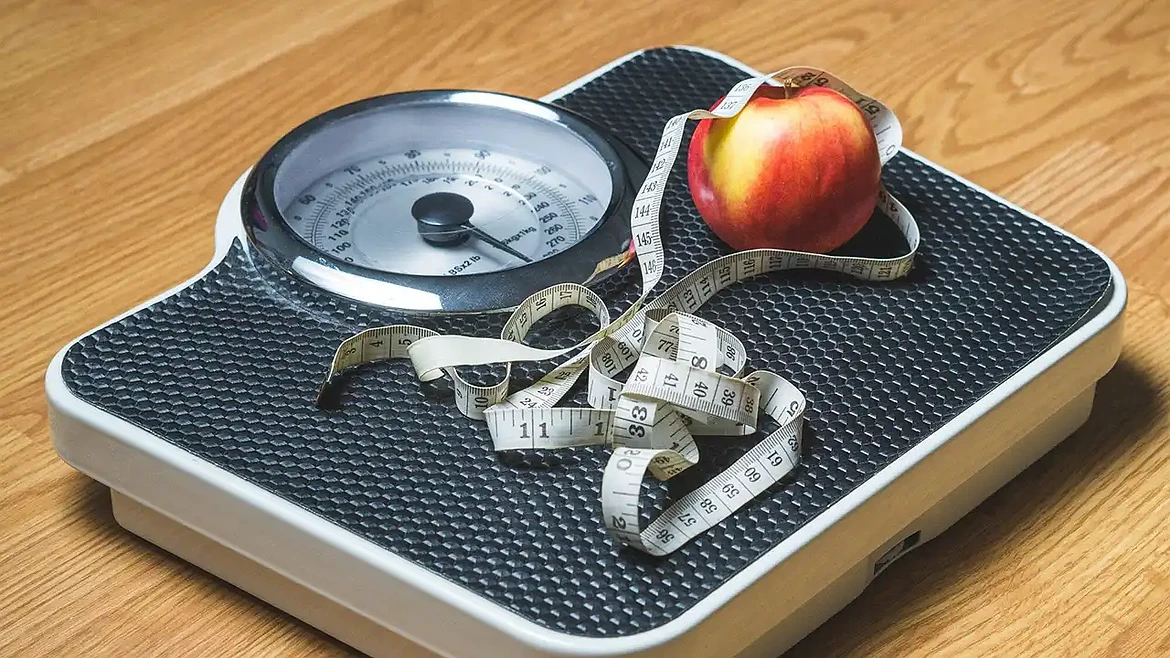
A single red-carpet photo can now spark rumors, medical questions, and millions of social media views before the night is over. As celebrities appear slimmer and online audiences search for the method behind the change, the weight loss industry has moved from private doctors' offices into the center of pop culture.
Obesity is no longer a private health concern discussed only in exam rooms. In 2022, roughly one in every eight people worldwide was living with obesity, according to the World Health Organization.
That global reality has collided with celebrity culture, where every slimmer waistline can become a headline, a rumor, and a viral debate. Prescription drugs, influencer content, medical clinics, and old-school weight loss programs now compete for attention in a culture obsessed with visible transformation.
Fans want to know what changed, which treatment was used, and whether they can get the same result. That attention has made the weight loss industry more powerful and more profitable.
Why Are Celebrities Using Weight Loss Drugs?
Celebrities are using weight loss drugs because many GLP-1 medications can reduce appetite, quiet the food cravings, and support weight management when prescribed for the right patient. These drugs are tools, not a magic wand.
Hollywood has always sold image. Red carpets, movie roles, brand deals, and social media campaigns can reward thinness. A star who appears slimmer may attract praise, questions, concern, or criticism in the same news cycle.
Many people also view weight loss injections as a shortcut. Medical experts warn against that idea. GLP-1 drugs still require:
- Careful eating
- Protein intake
- Strength training
- Long-term medical guidance
Celebrity stories can also hide harder details, such as:
- Side effects
- Monthly costs
- Prescription access
- Muscle loss risk
- Weight regain after stopping treatment
A smaller body does not always mean a healthier body. A safe plan should consider:
- Medical history
- Nutrition
- Mental health
- Long-term habits
How Big Is the Weight Loss Industry?
The weight loss industry is worth billions because it now reaches far beyond diet books and gym plans. It includes:
- Prescription drugs
- Medical programs
- Coaching apps
- Supplements
- Meal plans
- Fitness platforms
- Online content
Novo Nordisk noted that more than one billion people worldwide have obesity. This explains why investors, health systems, pharmacies, and digital wellness brands are racing into the market. Demand is no longer limited to people trying to lose weight fast before an event. Many consumers are searching for:
- Medical help
- Long-term support
- Clearer answers
Ozempic is one of the medications often discussed in the broader conversation around GLP-1 treatment and celebrity weight loss. People searching for affordable Ozempic for weight loss should speak with a licensed medical professional before using any prescription drug.
Why Social Media Makes Weight Loss Trends Move Faster
Social media turns body changes into public events. A single photo can lead to:
- Speculation
- Praise
- Backlash
- Product searches
Algorithms then push similar content to users who already show interest in:
- Health
- Beauty
- Celebrity news
- Fitness
That cycle benefits the weight loss industry.
Brands gain visibility. Clinics gain leads. Influencers gain engagement.
Audiences get a steady stream of transformation content that can feel normal, even when the methods are private or medically complex. Celebrity weight-loss trends can make risky choices look glamorous.
Social media often shows the result, not the medical screening, side effects, cost, or maintenance plan behind it. That missing context matters.
The Rise of GLP-1 Medications
GLP-1 drugs mimic hormones that help regulate appetite and blood sugar. Some were first known for diabetes care. Others are now approved for chronic weight management.
Public interest grew as celebrities discussed or were rumored to use medications such as:
- Ozempic
- Wegovy
- Mounjaro
- Similar drugs
Ozempic's own website states that Ozempic is not a weight-loss drug, even though it may lead to weight changes for some patients with type 2 diabetes. Medical use should depend on a patient's health profile. A doctor may review:
- Body mass index
- Diabetes risk
- Heart health
- Medication history
- Previous attempts at losing weight
GLP-1 drugs can help some patients, but they can also cause side effects. Possible issues include:
- Nausea
- Vomiting
- Constipation
- Diarrhea
- Stomach pain
- Heartburn
- Fatigue
Some people tolerate treatment well. Others stop because the symptoms are too difficult.
Weight Loss Programs Are Changing Too
Traditional weight loss programs are adapting. Many now combine:
- Coaching
- Nutrition plans
- Lab work
- Medication support
- Digital check-ins
- Strength training advice
Older programs often focused on calorie restriction and weekly weigh-ins. Modern programs may focus on:
- Metabolic health
- Food noise
- Sleep
- Stress
- Hormone health
- Muscle preservation
Frequently Asked Questions
Are Weight Loss Injections Safe for Everyone?
No. Weight loss injections are not safe or appropriate for every person. A medical professional should review a patient's health history before prescribing for them. People with certain medical risks, medication conflicts, or severe side effects may need another option.
Safety also depends on follow-up care. Regular check-ins can help monitor:
- Symptoms
- Nutrition
- Hydration
- Muscle loss
Buying medication without proper medical guidance can raise serious risks.
Why Do Some People Regain Weight After Stopping GLP-1 Drugs?
Some people regain weight because appetite signals and food cravings may return after treatment ends. GLP-1 drugs can reduce hunger while they are being used, but they do not erase long-standing eating patterns.
Long-term results often depend on:
- Protein intake
- Strength training
- Sleep
- Stress control
- A realistic maintenance plan
Doctors may recommend a lower maintenance dose for some patients.
Can Weight Loss Programs Work Without Medication?
Yes. Many weight loss programs can work without medication, especially when they include:
- Nutrition support
- Movement
- Behavior coaching
- Medical screening
Some people need medication because biology, hormones, or chronic disease make losing weight harder. Others may do well with structured lifestyle support. The best approach depends on the person, not the trend.
The Weight Loss Industry Will Keep Growing, So People Need Clearer Information
The weight loss industry is reshaping Hollywood, social media, and everyday health conversations. Celebrity transformations may drive curiosity, but smart decisions require more than viral photos or quick claims.
Explore more guides and articles on our website for practical news, health, lifestyle, and consumer insights that help you understand the trends shaping daily life.
This article was prepared by an independent contributor which helps us continue delivering quality content to our audiences.