THE DIRT: The National Historic Preservation Act
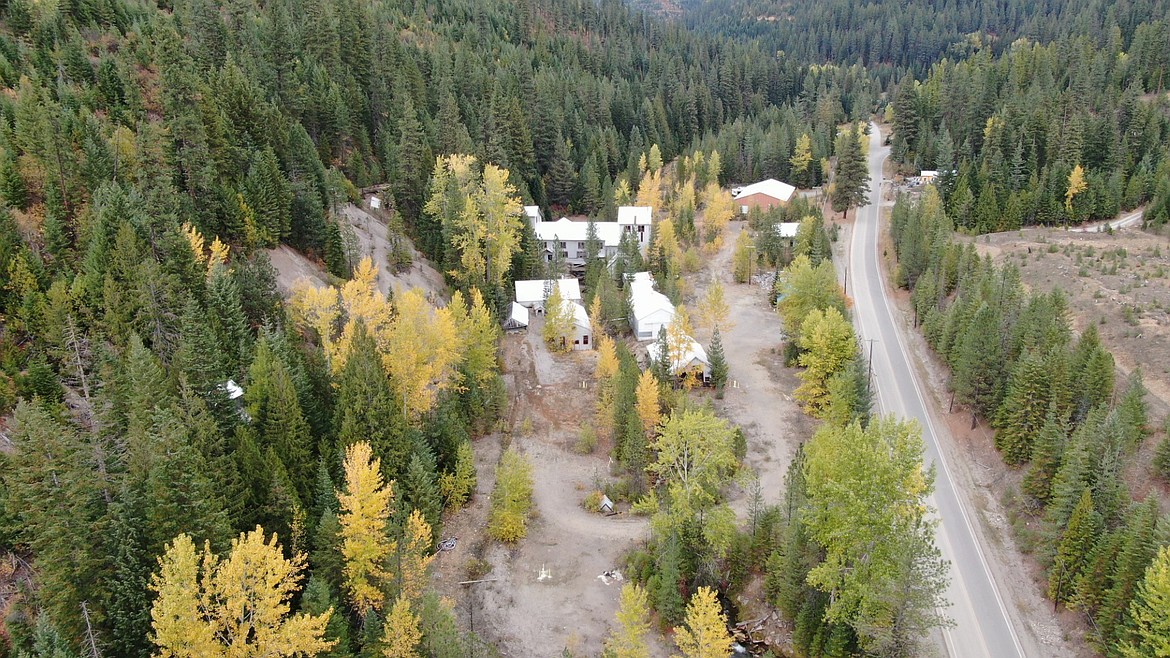
The Dayrock Mine.
Courtesy photo
The Silver Valley has a rich history dominated by silver, lead, and zinc mining, which began in the late 1870s and established the region as the world's largest silver producer by the early 1900s. Visitors come to explore this past, touring local museums to learn about mining practices as well as visiting old mining structures that are peppered throughout the region. People are drawn to history because it not only reveals where we’ve been but also helps us better understand the world we live in today.
As a nation, we collectively value historic places, a belief that led to the enactment of the National Historic Preservation Act (NHPA) in 1966. Created to ensure that future generations can appreciate and enjoy the country’s rich heritage, the NHPA established a framework for recognizing historic places at risk of being lost or altered. It provides a systematic process for identifying, evaluating, and protecting historic resources, and it requires federal agencies to consider how their actions may affect historic properties, helping safeguard the nation’s cultural legacy.
Become a Subscriber!
You have read all of your free articles this month. Select a plan below to start your subscription today.
Already a subscriber? Login