

‘Suyako’ the lifesaver
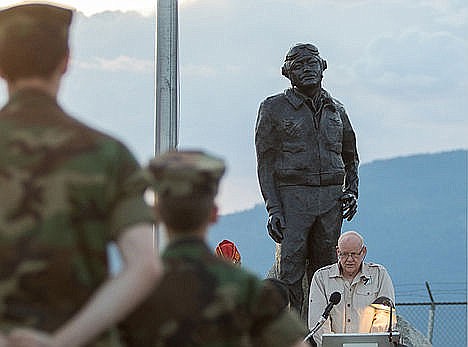
Gregory Boyington Jr. speaks at the dedication of his father’s statue at Coeur d’Alene Airport — Pappy Boyington Field in Hayden in 2015.
Coeur d'Alene Press Archive
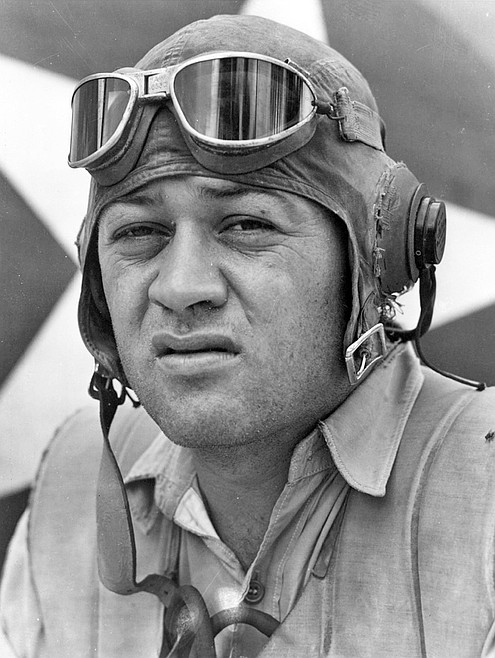
Pappy Boyington (undated photo).
Coeur d'Alene Press Archive
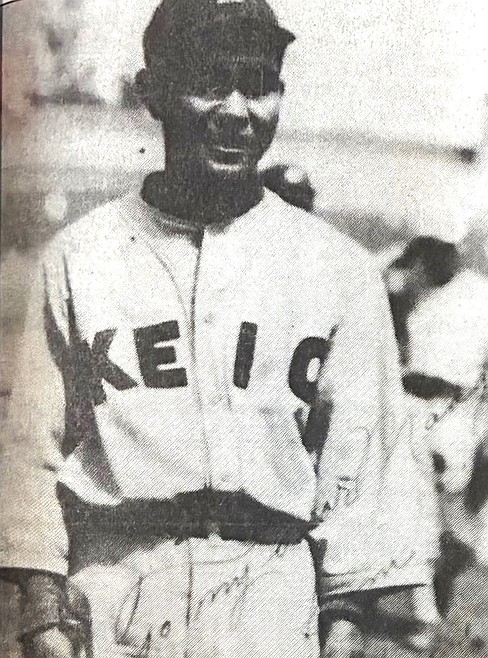
Edward Chikaki Honda (aka “Suyako”) is shown in his Keio University baseball uniform in 1938.
Coeur d'Alene Press Archive
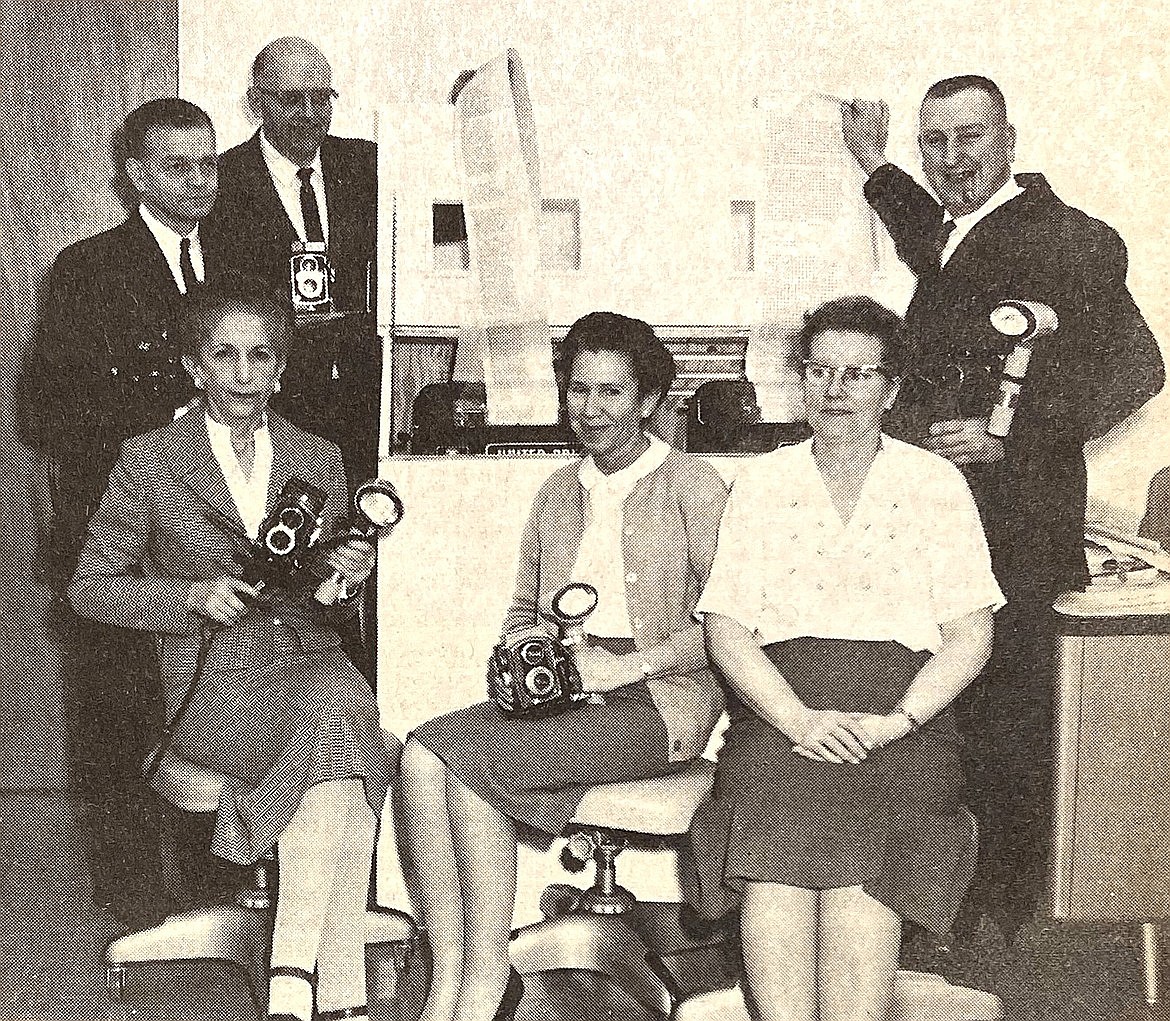
Frances Cope (seated left) is shown with the Coeur d’Alene Press staff (undated photo circa 1960s).
Coeur d'Alene Press Archive
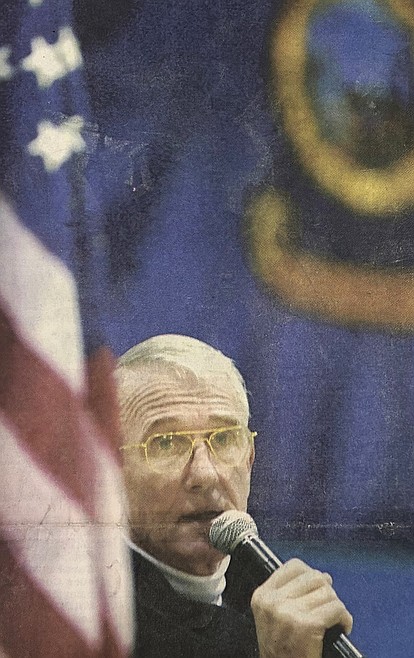
Retired Maj. Gen. Denny Hague of the Washington Air National Guard speaks at a Coeur d’Alene High assembly for Veterans Day 2000.
Coeur d'Alene Press Archive
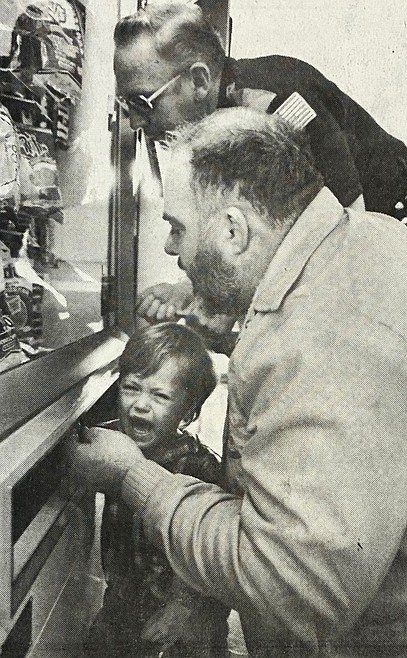
First responders Blaise Koep and Harlan Fritzsche help 5-year-old Michael Richards in 1986.
Coeur d'Alene Press Archive
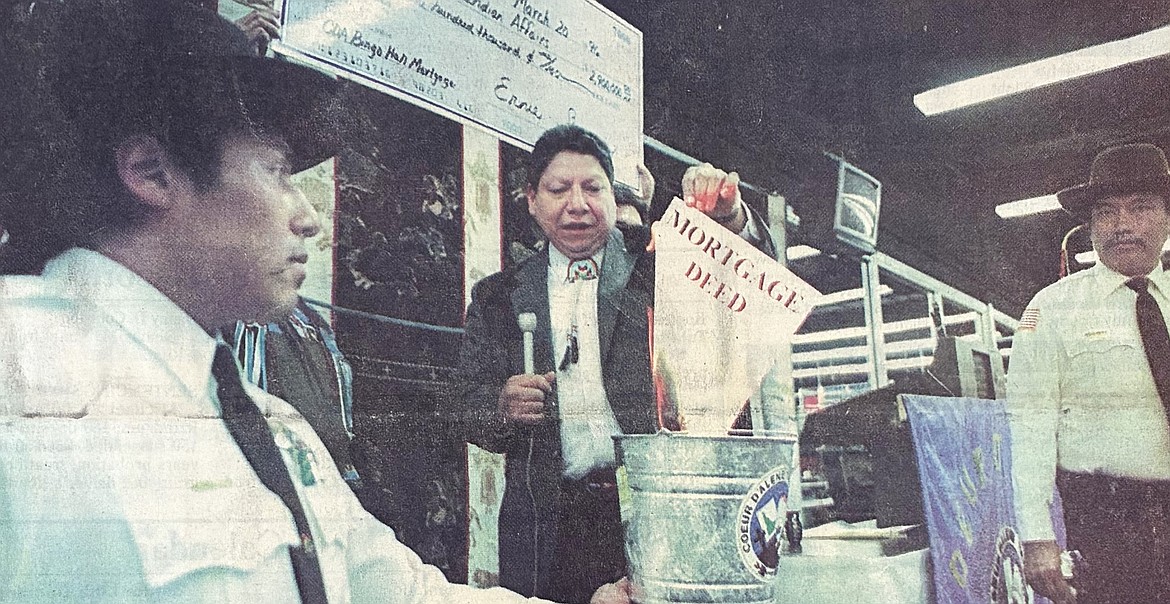
Ernie Stensgar of the Coeur d’Alene Indian Tribe burns the Tribal Bingo/Casino mortgage deed in 1996.
Coeur d'Alene Press Archive
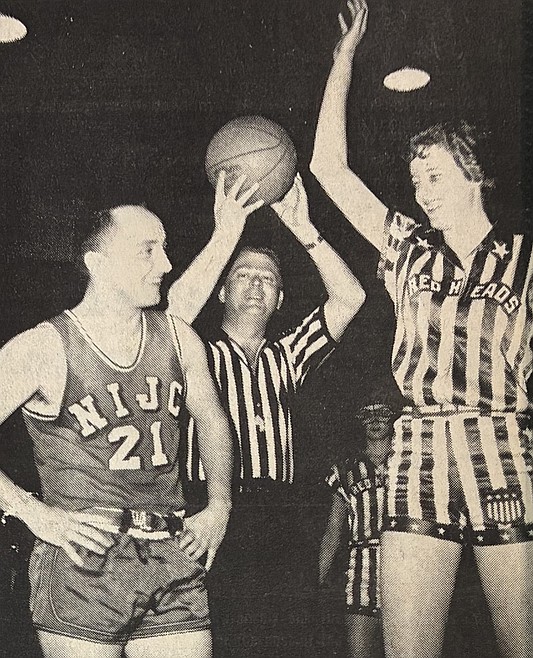
Immaculate Heart of Mary Coach Gene Boyle of the Panhandle Coaches prepares to tip off against 6-foot-3 Patty Eubanks of the all-American Red Heads in the 1966. Red Halpern of the parks and rec department referees.
Coeur d'Alene Press Archive
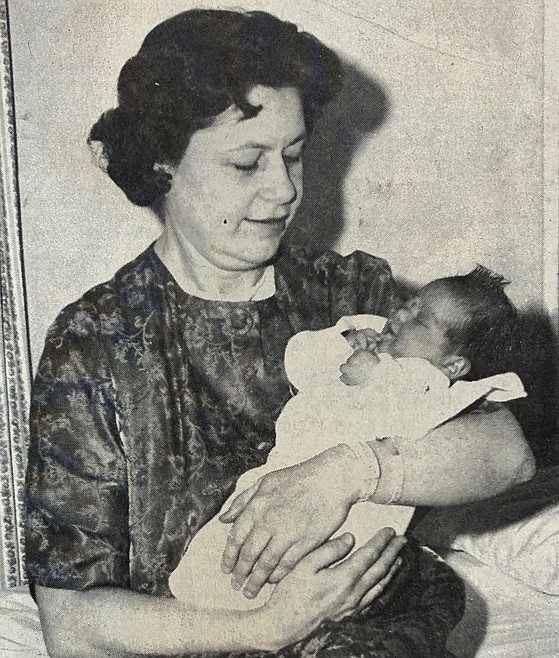
Pat Castellan and her baby daughter, Colleen, share a birthday on St. Patrick’s Day 1966.
Coeur d'Alene Press Archive
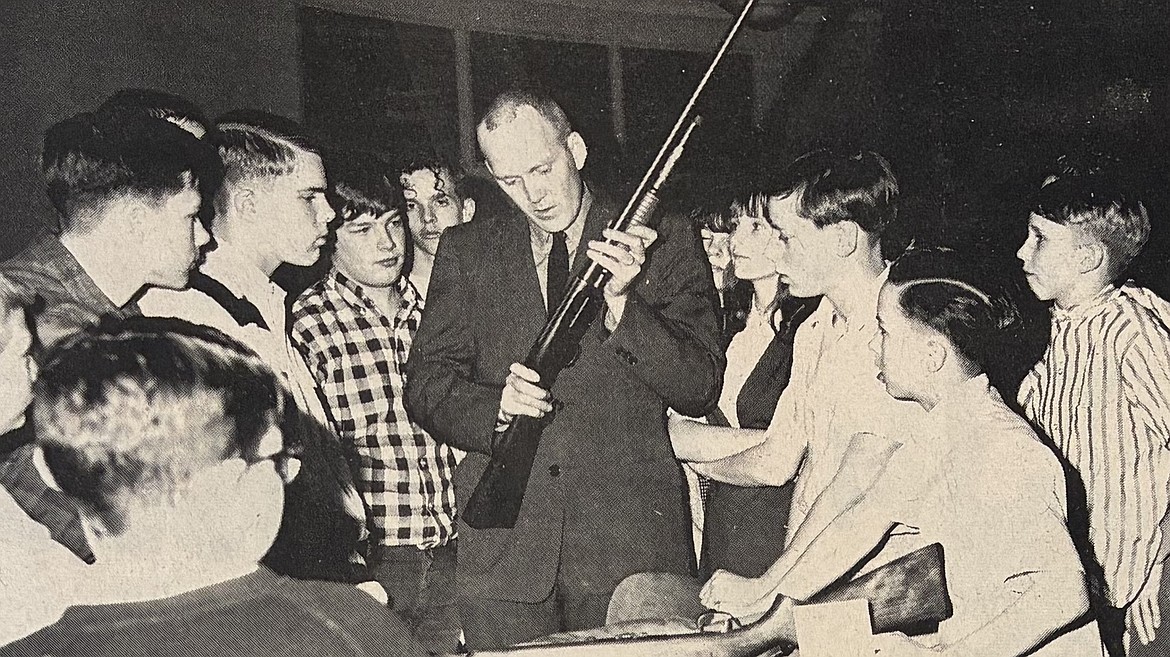
Hunter safety instructor John Anthony shows students how to handle a gun in 1966.
Coeur d'Alene Press Archive
Without the noble "Suyako,” Marine Col. Gregory (Pappy) Boyington dies overseas.
And the Coeur d’Alene combat pilot doesn’t write his autobiography about the World War II exploits of his famous Black Sheep Squadron.
And “Baa Baa Black Sheep,” the 1976-78 TV series, based on the book, isn’t filmed.
But the Japanese interpreter that Pappy knew only as “Suyako” was there to save him.
On March 17, 1996, Mike McLean of The Press told the story of Pappy and “Suyako.”
Based in the Solomon Islands in 1943-44, Pappy and his Black Sheep Squadron terrorized the Japanese. Pappy downed 28 enemy fighters before being shot down in December 1944.
The military thought he was dead.
But a Japanese submarine surfaced near his life raft and transported him to a secret POW camp on the island of Rabaul. There, wounded from bullets and shrapnel, he was interrogated and tortured.
Enter “Suyako.”
The translator gave Pappy this life-saving advice: Tell them something, even if it isn’t true, but be sure to stick to your story. Pappy later said he didn’t know that much of military value to the Japanese anyway. So, it wasn’t hard to lie.
“In February 1944, “Suyako” saved Pappy again, along with five others, by getting them and himself transferred to Tokyo. He knew about the orders to execute the Rabaul POWs when Allied Forces closed in.
Shortly after the war, Pappy returned the favor.
A War Crimes Commission suspected Hawaiian-raised “Suyako” of treason. (But it later dropped the charge because the man had renounced his U.S. citizenship prior to the war.) “Suyako,” who was captured while wearing Pappy's wristwatch, was also accused of theft. But Pappy confirmed he had given his then-broken watch to the former interpreter.
And Pappy added: “He is a good gent, treat him right.”
After WWII, Boyington asked war historian Henry Sakaida of Temple City, Calif., to find “Suyako.” The researcher specialized in reuniting war adversaries. But he promptly hit a snag. He didn’t have a real name to go on.
“Suyako” was a corrupted form of the Japanese word for interpreter. The historian didn’t learn the Japanese man’s identity until he studied Australian war crime documents in the mid-1990s. Only one civilian interpreter left Rabaul for Tokyo in 1944: Edward Chikaki Honda.
By then, Pappy (1988) and Ed Honda (1989) were dead. The two never met again.
Quart of Rain?
Coeur d’Alene once was as baffling to Americans as the land of Oz.
Not only did fellow citizens mispronounce the town’s name but many doubted that it existed, including now-extinct telephone operators.
In her Along the Byways column on Jan. 16, 1961, Frances Cope of The Press told of a Christian Science Monitor article about Coeur d’Alene. It was written by former resident Gordon Grindstaff, then a junior high administrator in Evanston, Ind.
Upon hearing the name Coeur d’Alene for the first time, a student’s mother asked Gordon: “That’s also a musical composition by Chopin, isn’t it?”
A telephone operator told him she was familiar with the name because her “boyfriend served on that atoll during the Second World War.”
Another operator seemed to know about Coeur d’Alene. But then said: “I bet it is raining there tonight. It always does out on the coast.”
And then there was the operator who chided Gordon for mispronouncing the “Coeur” part as “core” instead of the French “cur.” When Gordon protested that “folks out there” say, “core,” she responded: “Well, sir, if you don’t care to pronounce the name correctly …”
And, finally, there was the operator who fielded a call from Coeur d’Alene and told Gordon: “You won’t believe this, but it’s from someplace out West called “Quart of Rain.”
Guardian Angel
A veteran Air Force officer stationed in South Vietnam during the Vietnam War called it: “the most daring rescue I have heard of since World War II.”
The objects of his praise were three bold fighter pilots who saved a downed airman during the Battle of A Shau Valley on March 10, 1966.
One of the rescuers was Capt. Dennis B. (Denny) Hague, a 1954 Coeur d’Alene High grad who later commanded the Washington Air National Guard.
Sixty years ago, Denny helped provide cover fire while Major Bernard Fisher of Kuna, Idaho, landed to save his wingman. Major Stafford W. Myers of Newport, Wash., was hiding in a ditch after he crash-landed on an airstrip and jumped from his flaming cockpit.
“I could see Communist troops all over the place,” Myers said later.
A Viet Cong got within 20 feet of Major Fisher’s plane before Hague and another “guardian angel” killed him from above the treeline.
Denny Hague was awarded a Distinguished Flying Cross for his bravery that day.
After seven years of active service, he returned home to become a partner in Harris Dean Insurance and a tireless community booster. In May 2014, he was inducted into the Idaho Hall of Fame for "Outstanding Achievement as a Military Hero and Community Leader.”
Huckleberries
• Poet’s Corner: First clouds, then sun, then rain and snow / in quick succession come and go / and thus we have the springtime’s way — / three months of weather in one day — The Bard of Sherman Avenue (“Spring Day”).
• Candy Trap: At 5, Michael Richards of Post Falls learned that life isn’t fair on March 19, 1986. He put his coins in a candy machine and got — nothing. So, he put his hand into the machine and got — caught. Then came the tears — and first responders Blaise Koep and Harlan Fritzsche. Michael was soon free. His arm was sore. But he got his candy. As a bonus, he was pictured on the front page of the next day’s Press.
• Bingo! The Coeur d’Alene Tribe hit the jackpot when it opened the Bingo-Casino on March 23, 1993 -- and so did local education. First, the Coeur d’Alenes paid off the $2.7 million mortgage in 1996, 12 years ahead of schedule. Secondly, they donated $37 million and counting, as of last fall, to local schools from casino proceeds. The total includes $1.7 million to the Plummer-Worley schools in the last decade alone.
• Seeing Red: A tip-in at the buzzer by Coach Ken Maren of Post Falls High gave the Panhandle Coaches a 68-66 OT win over the All-American Red Heads on March 23, 1966. The visitors were a red-headed, female version of the Harlem Globetrotters. In 1965, the Red Heads had a 140-60 record against male teams. The exhibition game here drew a crowd of 1,500.
• Birthday Girls: The “luck of the Irish” was with Mrs. M.R. (Pat) Castellan of Coeur d’Alene on her 1966 St. Patrick’s Day birthday. She gave herself the best birthday present ever by delivering baby daughter Colleen. Four other babies were born at Lake City General Hospital that St. Paddy's Day. If all five are still on Planet Earth, they celebrated their 60th birthday last week.
Parting Shot
Today, school officials and parents recoil at the thought of an armed student on campus.
But in March 1966 some 500 grade school students, including girls, registered for gun safety courses held on school grounds. The sponsoring Coeur d’Alene Wildlife Federation encouraged youngsters to handle guns safely.
Shooting practice was held at the junior high and the Immaculate Heart of Mary Academy. Students fired pellet guns during the exercise.
No one was hurt. No student threatened another. Society was safer.
• • •
D.F. (Dave) Oliveria can be contacted at [email protected].
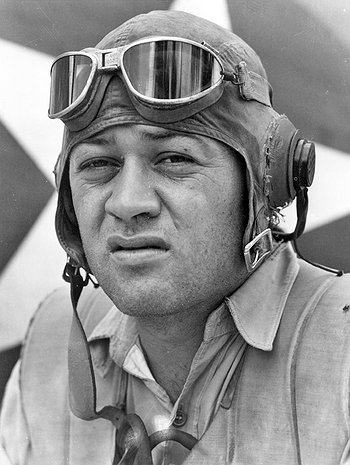 Pappy Boyington (undated photo).
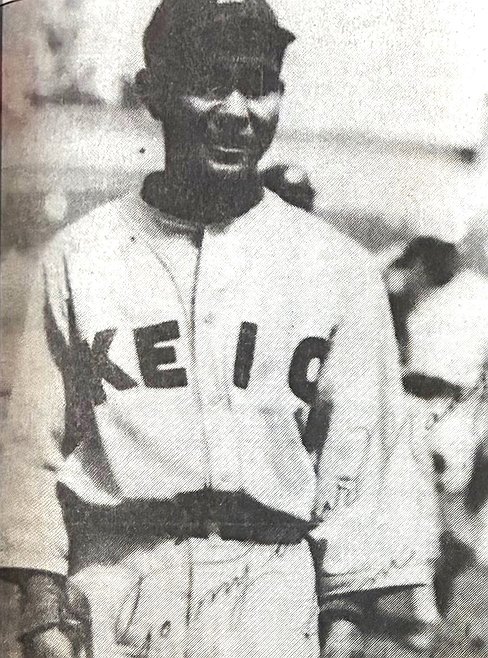 Edward Chikaki Honda (aka “Suyako”) is shown in his Keio University baseball uniform in 1938.
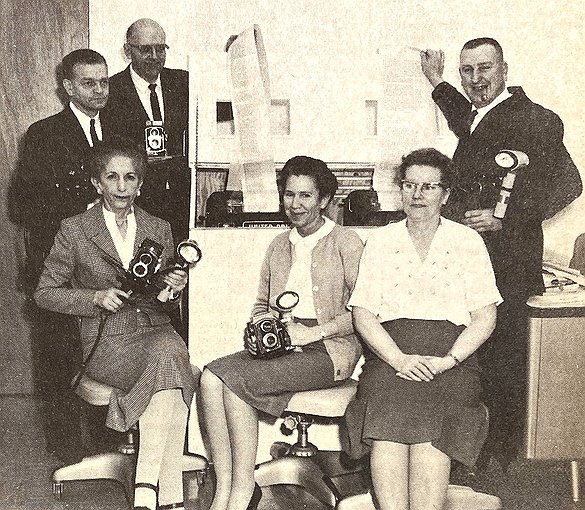 Frances Cope (seated left) is shown with the Coeur d’Alene Press staff (undated photo circa 1960s).
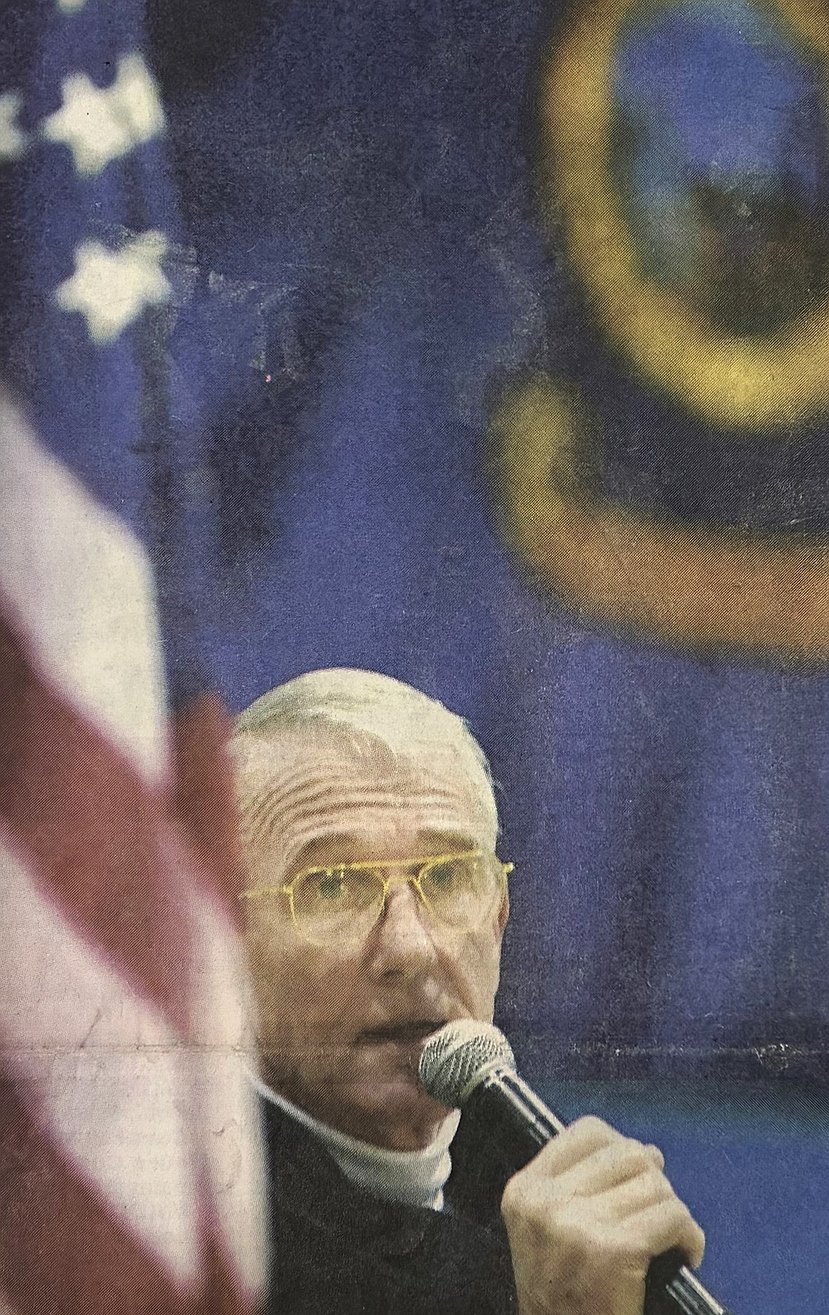 Retired Maj. Gen. Denny Hague of the Washington Air National Guard speaks at a Coeur d’Alene High assembly for Veterans Day 2000.
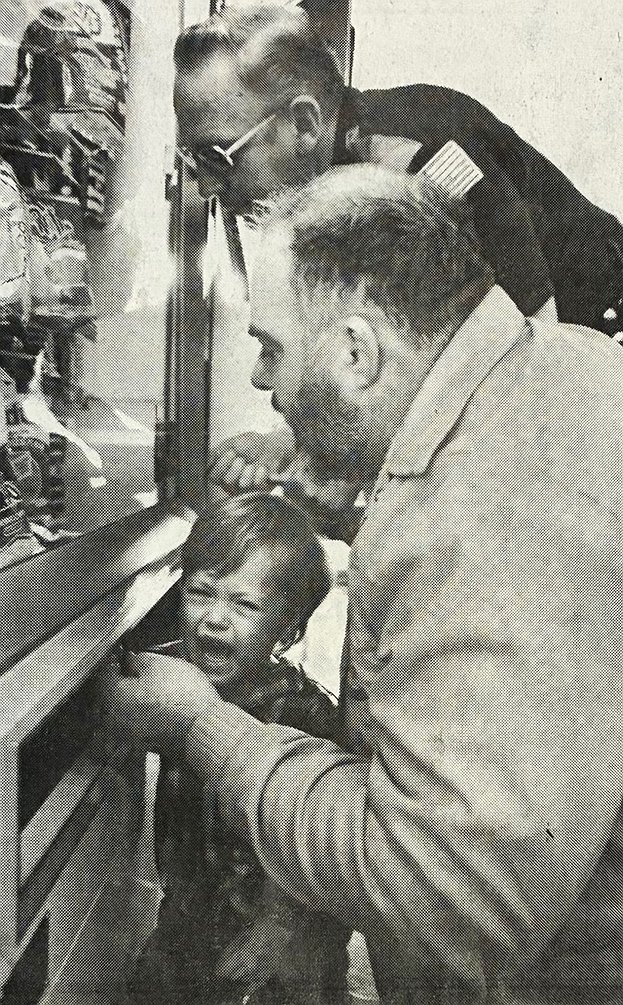 First responders Blaise Koep and Harlan Fritzsche help 5-year-old Michael Richards in 1986.
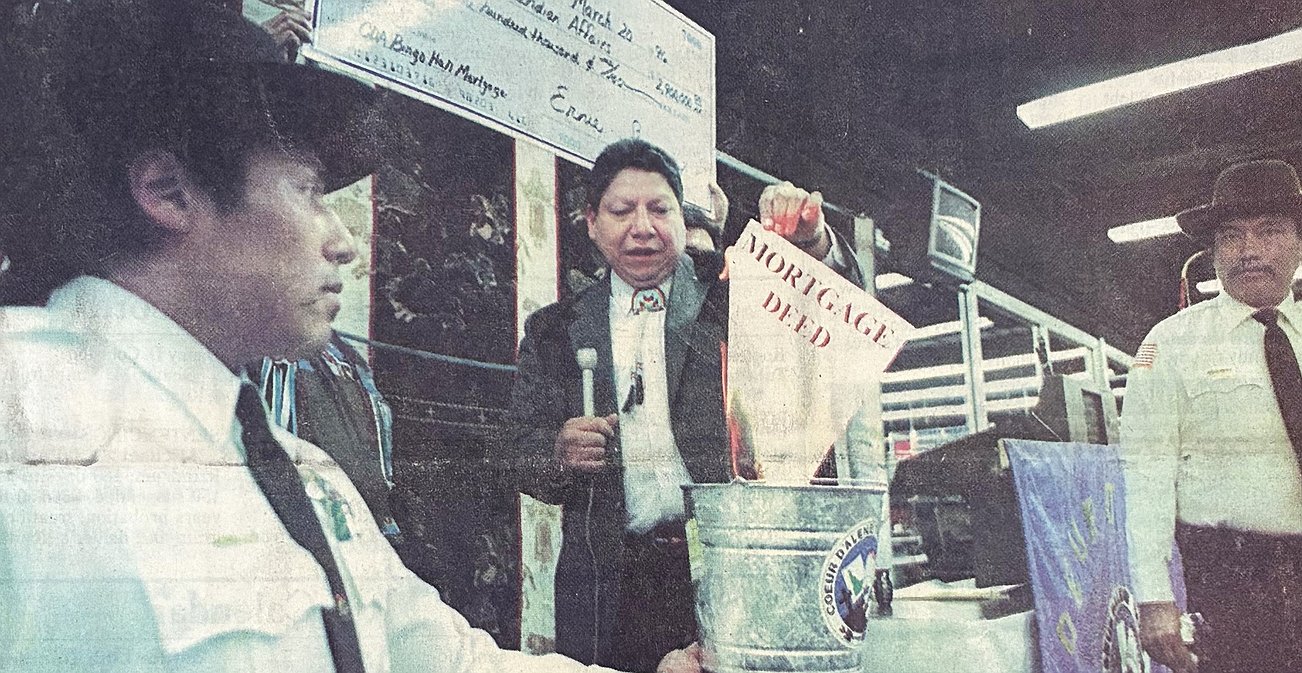 Ernie Stensgar of the Coeur d’Alene Indian Tribe burns the Tribal Bingo/Casino mortgage deed in 1996.
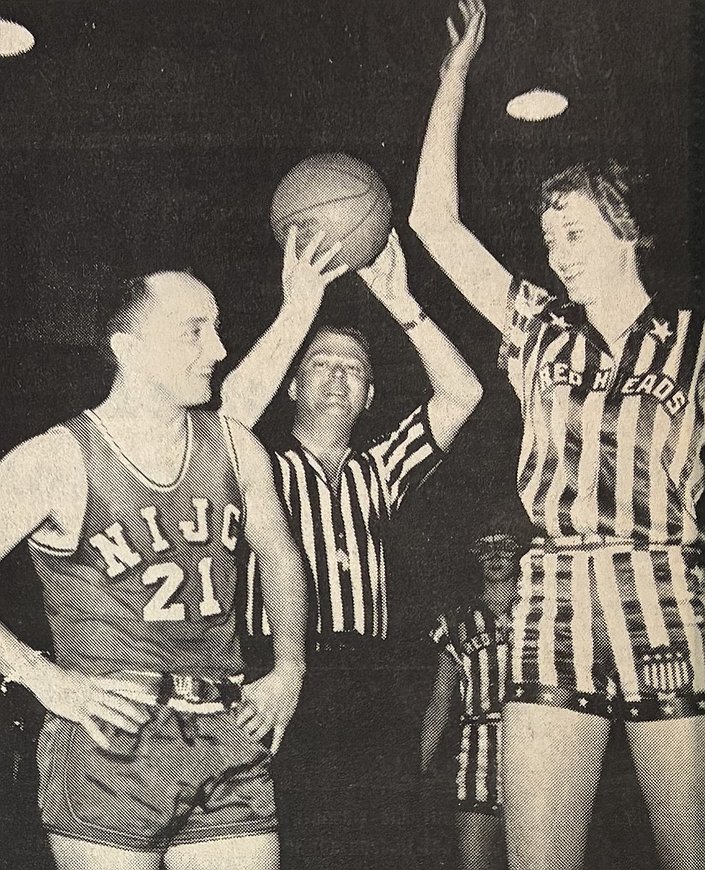 Immaculate Heart of Mary Coach Gene Boyle of the Panhandle Coaches prepares to tip off against 6-foot-3 Patty Eubanks of the all-American Red Heads in the 1966. Red Halpern of the parks and rec department referees.
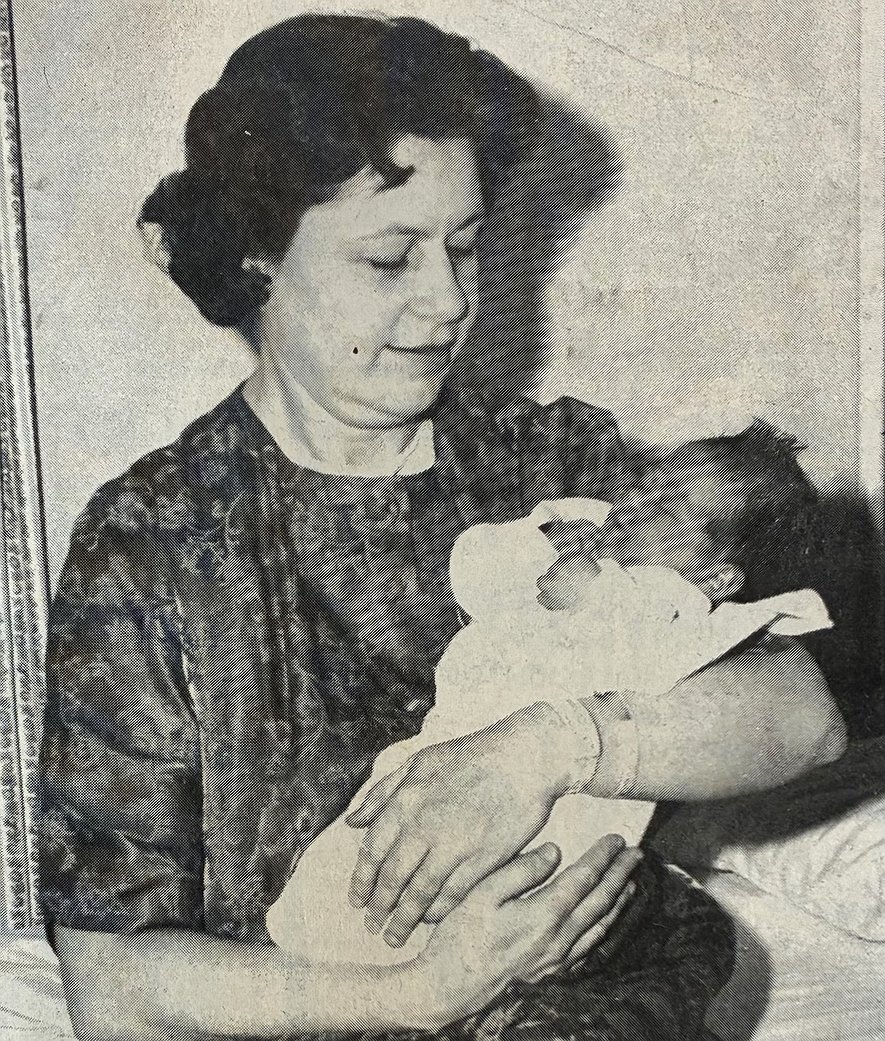 Pat Castellan and her baby daughter, Colleen, share a birthday on St. Patrick’s Day 1966.
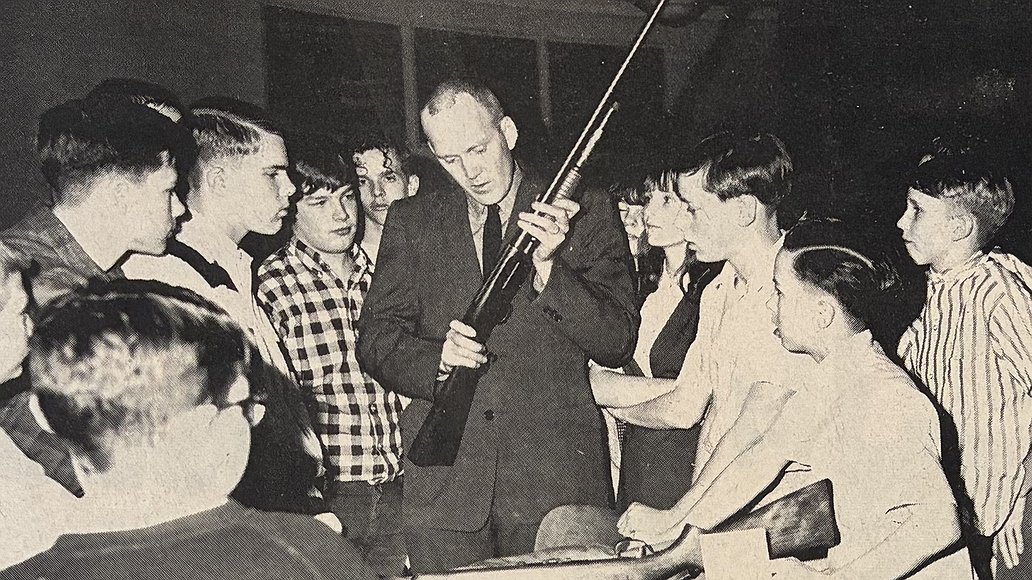 Hunter safety instructor John Anthony shows students how to handle a gun in 1966.