State of moviedom: Mergers, Oscars and 'The Bride!'

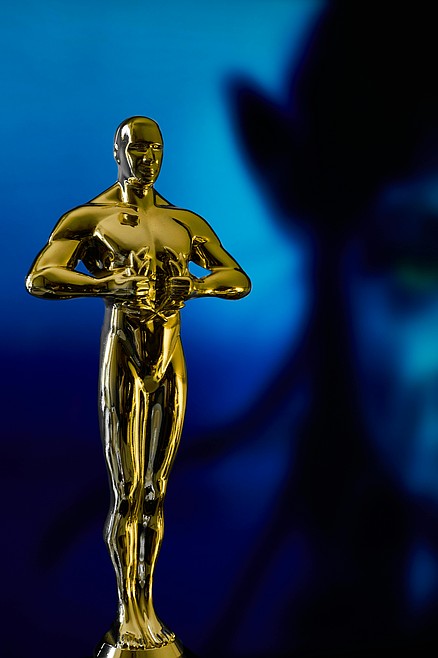
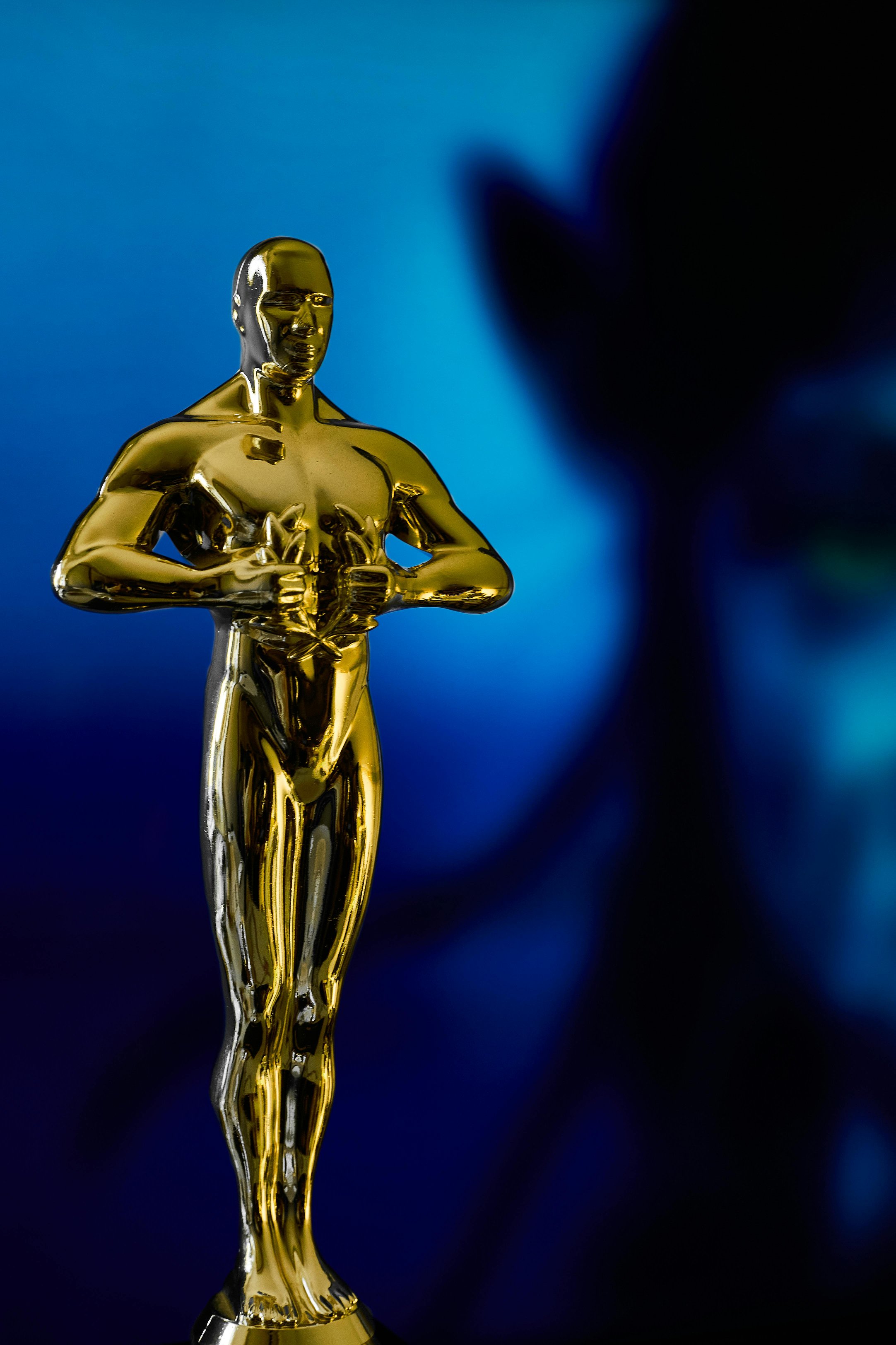
For all the talk about the Oscars being “out of touch” with moviegoers, the industry tried its best to celebrate the best of what distinguishes cinema from other entertainment consumption.
Two genuinely excellent movies dominated the Academy Awards on Sunday, both non-intellectual-property projects from dynamic filmmakers. “Sinners” had already become a massive box office success last spring, and “One Battle After Another,” even with its bloated budget, will be a perennial money maker for Warner Bros. because of its status as a largely adored Best Picture winner.
Well, the new owners of Warner Bros. will make plenty of money off both movies going forward.
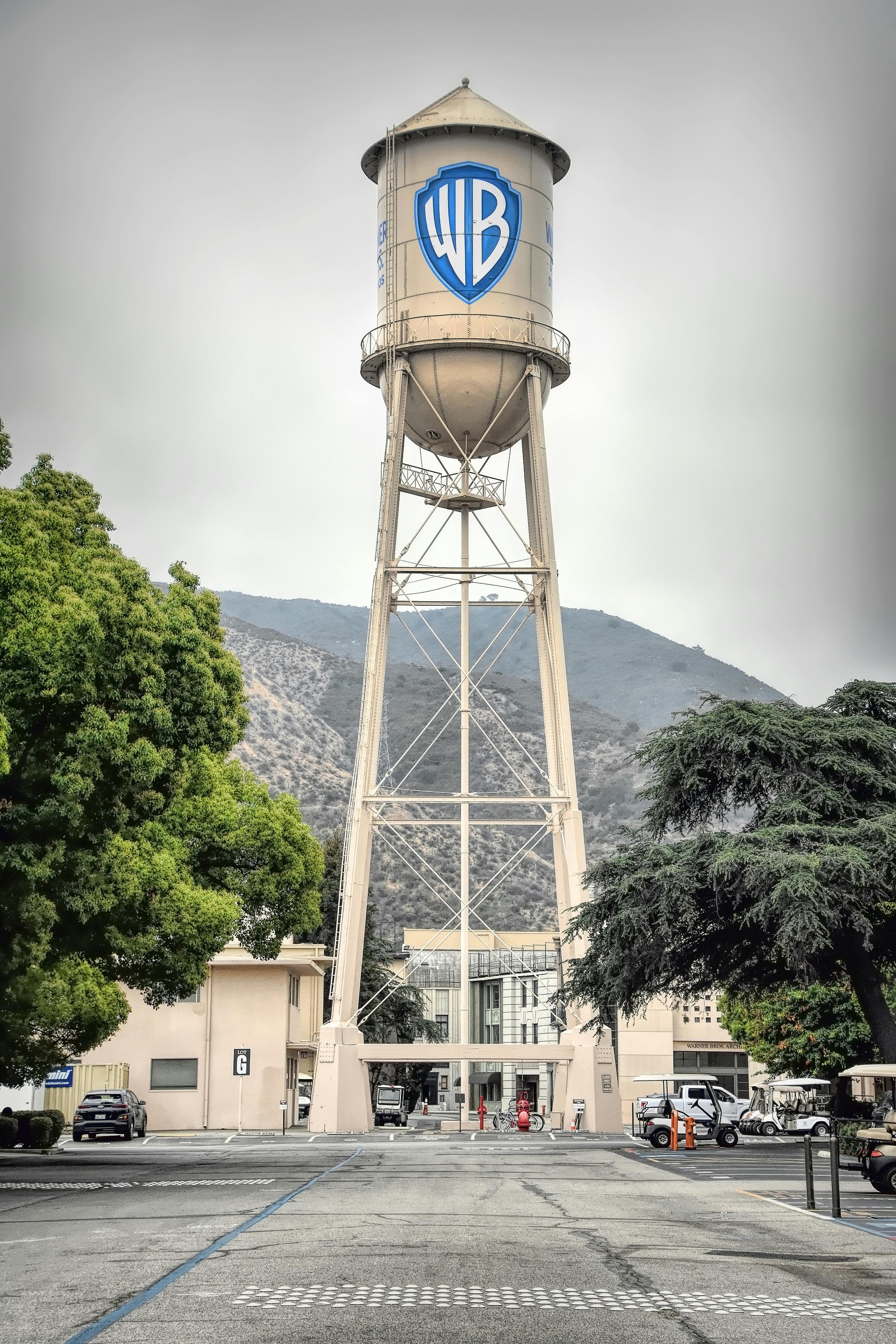
The new owner is likely Paramount, who successfully outbid Netflix for the movie studio, its HBO Max streaming service and its various television assets. It comes on the heels of a lucrative winning streak for Warner Bros., which included a string of box office success with “The Minecraft Movie,” “Superman,” “Weapons” and the two big award players.
That streak finally ended with the underperformance of “The Bride!” this month. More on that in a minute.
For all the concern about Netflix taking over Warner Bros. and potentially killing theatrical moviegoing, there’s plenty of reason to be worried about Paramount controlling the largest chunk of the industry’s theatrical output. And no, it has nothing to do with the owners’ political affiliations.
Layoffs are the immediate impact. With Paramount consolidating the assets, hundreds of jobs within the company will be superfluous. It happens with every major media consolidation.
More concerning is Paramount’s recent theatrical output — IP, IP and more IP. If it doesn’t have brand recognition, movie studios consider it a financial risk. This is true of Paramount, Universal, Disney, Amazon, Netflix and, until more recently, Warner Bros.
But Warner Bros. did take creative risks these past couple years. It greenlit risky, expensive projects made by unique creative voices. It gave Paul Thomas Anderson and Ryan Coogler basically everything they wanted for “One Battle” and “Sinners.” Those movies work in large part because they have clear creative voices, free from studio meddling and hyper-concerns about “turning a profit.” The logic was, “Make a good movie and people will see it.”
Warner Bros. even took risks on its IP. Why else hire the director of “Napoleon Dynamite” to add a bunch of bizarre story elements in “The Minecraft Movie” that had nothing to do with Creepers or Ender Dragons?
For the most part, the focus on original material and original voices paid off for Warner Bros. in 2025. At a time when Disney could no longer count on massive box office for a Marvel movie (both “Thunderbolts” and “Fantastic Four” were considered “financial disappointments”), the studio made money by focusing on quality, no matter the brand value.
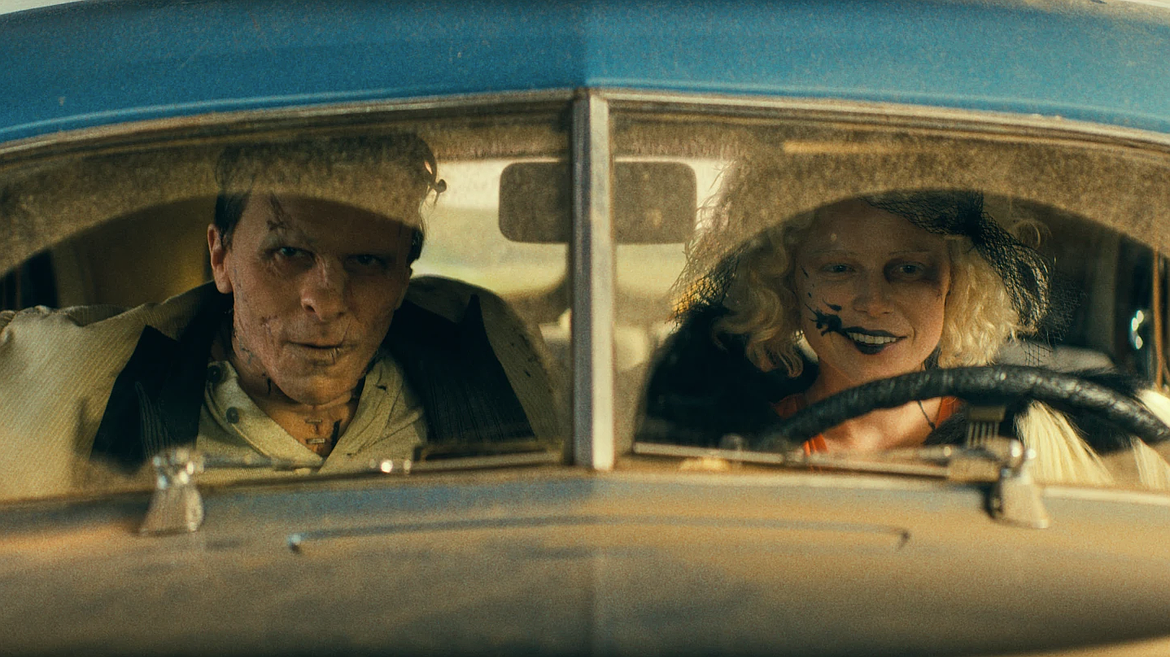
Unfortunately, not every original swing will be financially successful, and, sadly, the Paramount merger looms just when Warner Bros. finally blew its impressive winning streak. While Maggie Gyllenhaal’s “The Bride!” isn’t original on paper (it tells the story of Frankenstein and his reanimated bride), the movie takes some major creative risks with the well-worn horror property.
Audiences didn’t want to see those risks, and the $80 million-budgeted “The Bride!” opened far below expectations.
I saw the movie and can confirm it’s a huge mess, despite an entertainingly deranged lead performance from newly minted Oscar winner Jesse Buckley.
The movie simply can’t sustain its ambitious ideas. I imagine it will garner a significant cult following at some point, but right now, it’s easy to understand why it bombed.
Bombs will happen with a strategy focused on original ideas. When too many bombs come in a streak, studios get nervous and executives lose their jobs. The next executives then greenlight more “Jurassic World,” Star Wars,” “Minions” and “Mission: Impossible.”
Sure, I like “Star Wars” and “Mission: Impossible,” but with fewer studios, and the surviving ones already so focused on sequels and known commodities, I worry about an industry with fewer and fewer movies. You don’t need a 14-screen multiplex if all of them play an “Avengers” movie at 25% capacity.
For all the handwringing about Netflix not sending movies to theaters, it at least invests significant money on a variety of content. Sure, much of it isn’t particularly good, but it’s the last place to find projects aimed at different demographics. Paramount, Disney and Universal only want to risk money on “four-quadrant” titles that appeal to the widest of audiences.
Theaters no doubt love it when an “Avengers” movie explodes at the box office. But in a world where a billion-dollar earner like “Avatar: Fire and Ash” is considered a “disappointment,” studios won’t have the budgets to populate a year with more titles.
It wasn’t long ago when you could go to a theater and find three to four new titles every single weekend. We’re lucky to get one now, maybe with a smattering of smaller movies that used to bypass theaters and go straight to Blockbuster, then Redbox.
I want movies to survive, and a steady diet of superhero movies and horror sequels won’t keep theaters open forever. Netflix not winning Warner Bros. isn’t stopping the looming cinematic apocalypse. Making fewer movies will, especially when every movie that does come to theaters looks and sounds exactly like what you’ve seen a thousand times before.