
Horse fly prevention methods equestrians are using this season
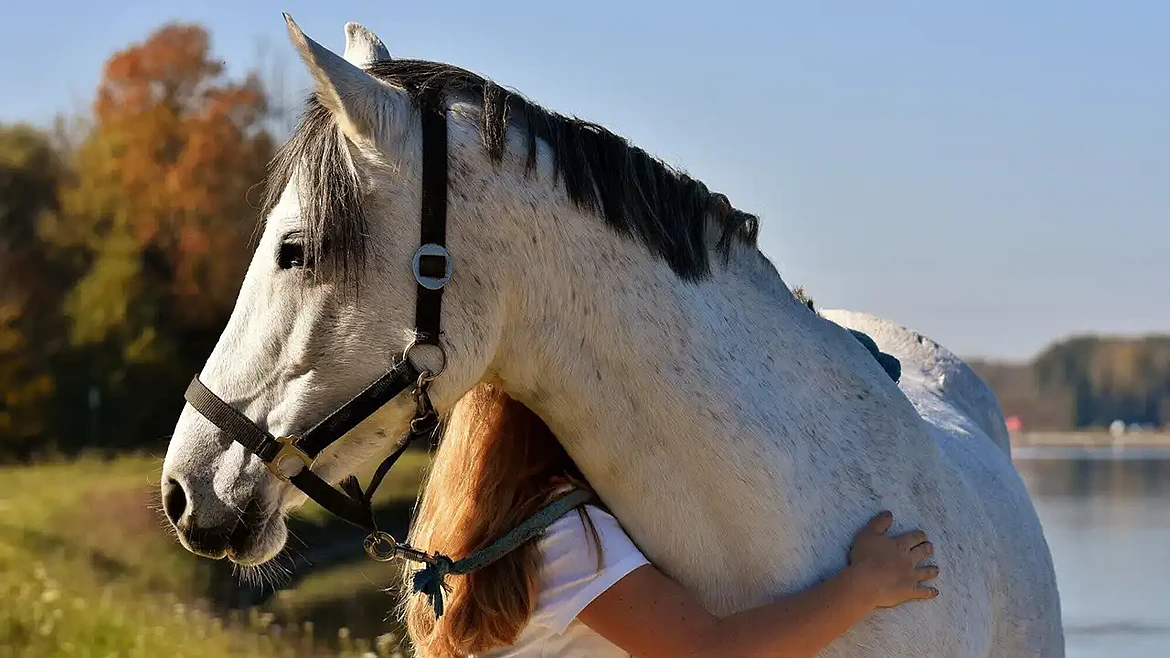
Effective horse fly prevention combines physical barriers, topical repellents, and environmental controls into a layered strategy that protects horses throughout summer. Relying on a single spray or product leaves gaps that flies will find. Starting early before peak fly season keeps populations manageable and horses more comfortable.
Horse flies bite hard and pursue relentlessly. According to the USDA, flies and biting insects cost the U.S. livestock industry an estimated $2.4 billion each year in productivity losses and control costs. For horse owners, that pressure shows up as weight loss, skin irritation, and horses too distracted to perform.
There's a better way to manage the season, and it starts with the right combination of tools.
Why Are Horse Flies So Difficult to Keep Away?
Horse flies are persistent, motivated biters, and they're harder to deter than most insects. Female horse flies need blood meals to reproduce, so they push hard to get past any barrier.
They're active during daylight hours, typically peaking in warm, humid conditions. That's exactly the kind of weather horses spend the most time outside. Standard sprays often lose their effectiveness after an hour or two, especially in heat and sweat.
Populations can actually build resistance to certain active ingredients over a season. A single product applied once a day rarely keeps up with that kind of pressure. For that reason, fly season tips from experienced equestrians tend to focus on layering methods rather than leaning on one solution.
Horse flies are also strong fliers, traveling up to a mile from their breeding sites to find a host. That means controlling your own property helps, but flies from neighboring land can still find their way to your barn.
Physical Barriers: The Gear Creating a First Line of Defense
Fly sheets for horses have become a go-to layer of protection on properties across the country. A well-fitted sheet covers the body, belly, and neck, the areas flies target most often.
Many modern options also offer UV protection for horses, which reduces sun bleaching on darker coats and lowers the risk of sunburn on pink or lightly pigmented skin. Collections like the Stateline Tack fly sheets collection carry a range of styles suited to different climates and turnout conditions, so finding a breathable option for summer heat is fairly straightforward.
Fly masks shield the eyes and face, where horse flies are fairly relentless. Leg boots protect the lower limbs from bites that lead to stomping, skin irritation, and stress.
Fit matters a lot with all of these items. A sheet that gaps at the chest or a mask that sits too low on the nose can actually create friction points that are just as uncomfortable as the flies themselves.
Some useful additions to a barrier setup include:
- Tail bags that protect dock skin during travel and turnout
- Ear nets that attach to halters or bridles for trail riding
- Belly bands worn under fly sheets for extra coverage on sensitive areas
- Throat covers that extend mask protection down toward the jaw
Which Repellents Are Equestrians Reaching for This Season?
Topical repellents are a core part of horse summer care, and the options available this season have expanded quite a bit. Long-acting formulas now combine multiple active ingredients like acetamiprid and etofenprox to deliver fast knockdown and several hours of protection in a single application. These work well for horses with high fly pressure or those turned out during peak daylight hours.
Natural sprays using citronella, lemongrass, or peppermint oil offer a gentler option, especially for horses with sensitive skin or those reacting to synthetic formulas. Apply them with a soft cloth to the face and ears rather than spraying directly. Reapply after exercise, rain, or heavy sweat to keep coverage consistent throughout the day.
Rotating between product types over the course of the season can also help slow resistance. Some equestrians use a synthetic formula during turnout and a natural option for grooming and close handling.
Controlling the Environment to Cut Fly Populations at the Source
Strong equine fly control starts on the ground, before flies ever reach a horse. Horse flies breed in moist, organic material, such as manure piles, wet bedding, and standing water.
Removing manure daily and keeping stalls dry cuts off those breeding sites pretty effectively. Even small improvements in drainage around water troughs and paddock gates can reduce the damp patches that flies seek out.
Fans placed in stall openings create airflow that flies struggle to move through. Sticky traps and bag traps placed away from the barn draw flies away from horses and reduce overall pressure on the property. Positioning traps at the perimeter rather than right at the barn entrance tends to intercept flies before they reach horses.
Some tools that support environmental management include:
- Parasitic wasps that target fly pupae in manure before they hatch
- Feed-through supplements that disrupt larval development in fresh manure
- Water troughs cleaned weekly to prevent organic buildup at the edges
- Sealed feed bins that reduce odors attracting flies to the barn
Frequently Asked Questions
Are Fly Prevention Products Safe Around Foals or Pregnant Mares?
Many topical repellents carry label warnings about use on young foals or breeding stock. Read product labels carefully and check with a veterinarian before applying any repellent to foals under six months old or pregnant mares.
How Do I Know If My Horse Is Reacting to a Repellent?
Signs of a reaction include hives, redness, hair loss, or excessive rubbing at the application site. Rinse the area thoroughly with water, stop using the product, and contact a vet if symptoms don't clear up within 24 hours.
Can Horse Flies Transmit Disease?
Horse flies can carry and transmit pathogens through their bites, including the virus that causes equine infectious anemia. The bite itself can also introduce bacteria into broken skin, which sometimes leads to secondary infections in horses with thin or sensitive coats.
Build a Horse Fly Prevention Routine That Works
Protecting horses from fly pressure takes a consistent, multi-layered plan built around barriers, repellents, and smart property management. Combining these approaches, and starting before peak season hits, gives horses the best chance at a comfortable, productive summer. Horse fly prevention works best as a routine, adjusted as conditions change.
Explore our Local section for regional resources to help you find the right fit for your horse.
This article was prepared by an independent contributor which helps us continue delivering quality content to our audiences.