

HUCKLEBERRIES: Boom, baby!
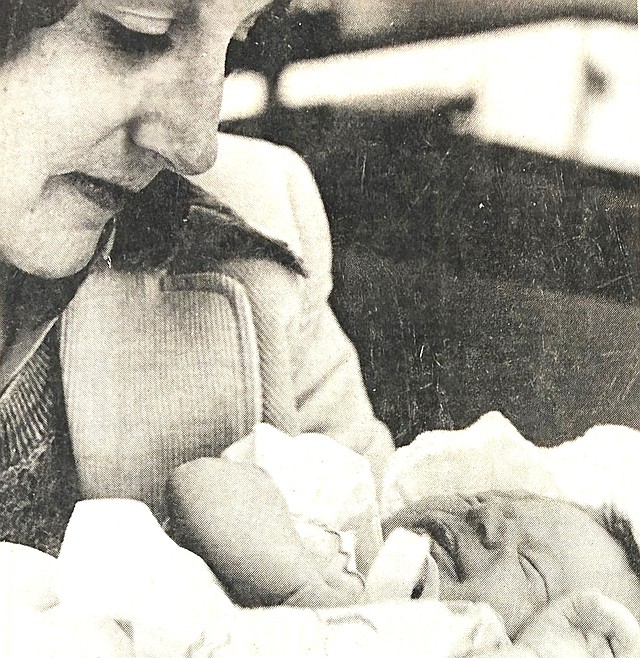
Carla Taylor holds her “Ash Baby,” Ashlee Beth, in 1981.
Photo courtesy of the Coeur d'Alene Press archives
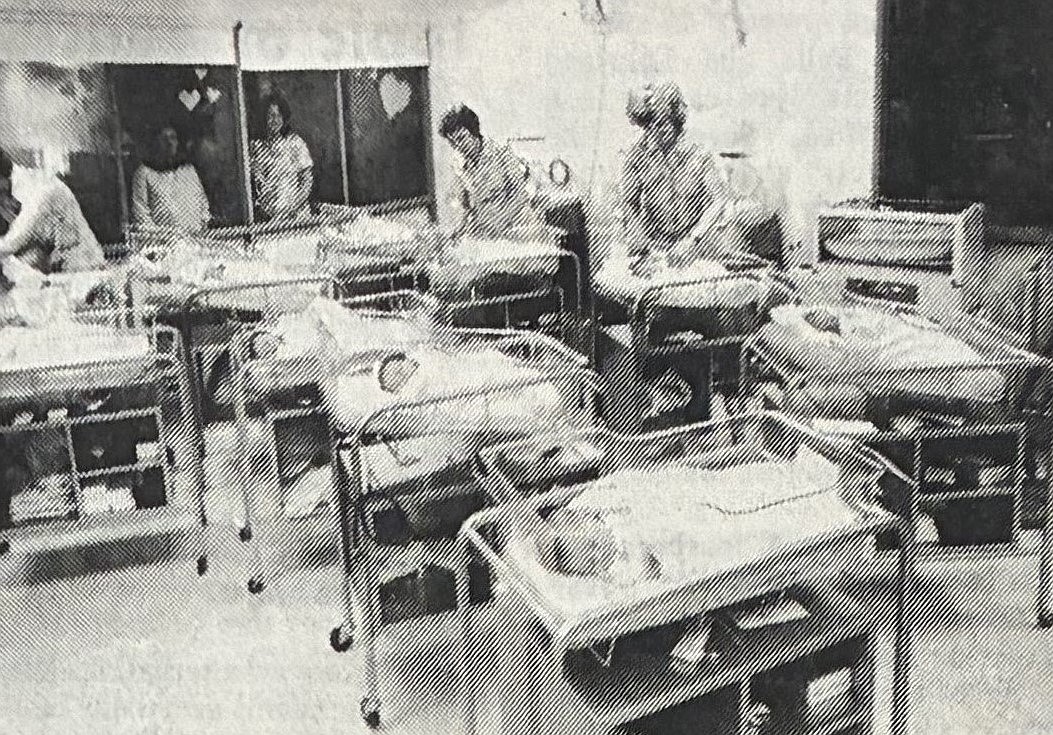
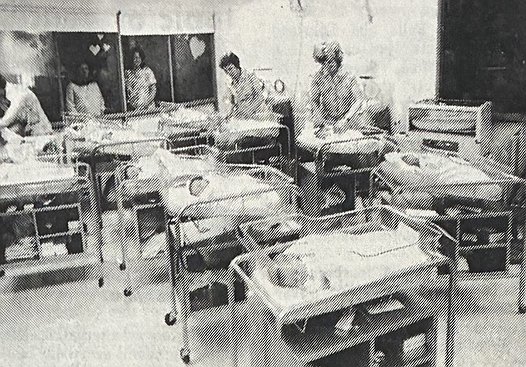
Nurses at Kootenai Medical Center hustle to keep up with the baby boom of February 1981.
Photo courtesy of the Coeur d'Alene Press archives
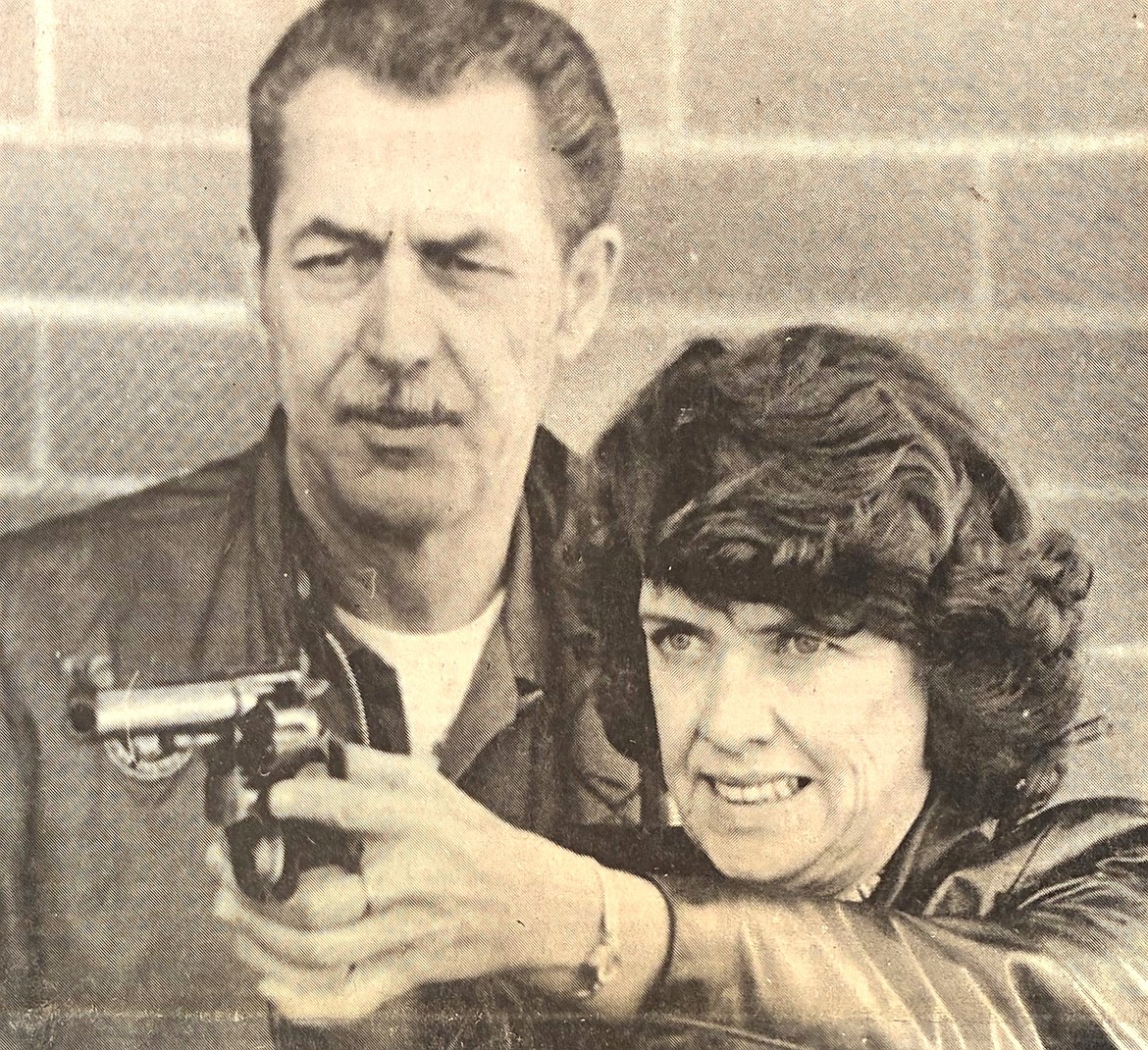
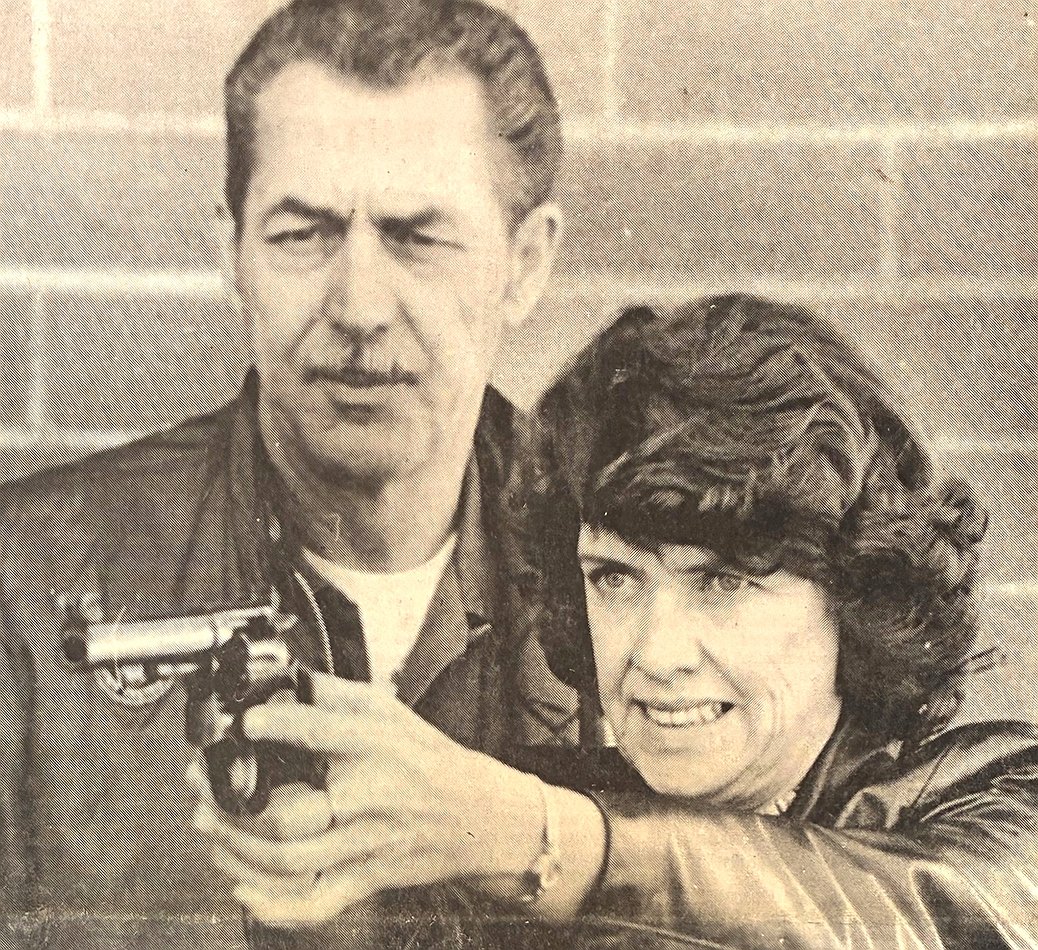
Instructor Al Kulig shows Carol Moffitt how to handle a gun in 1981.
Photo courtesy of the Coeur d'Alene Press archives
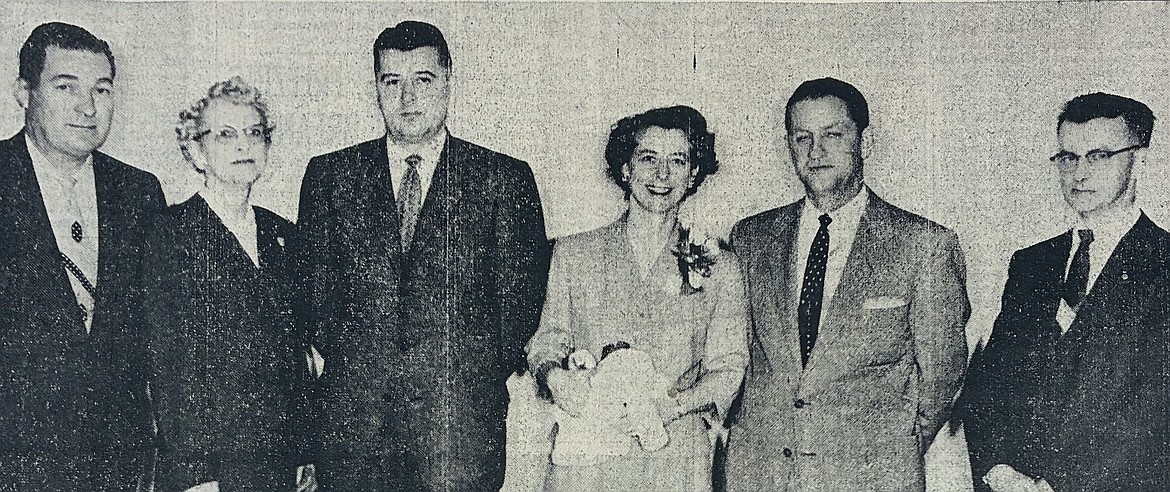
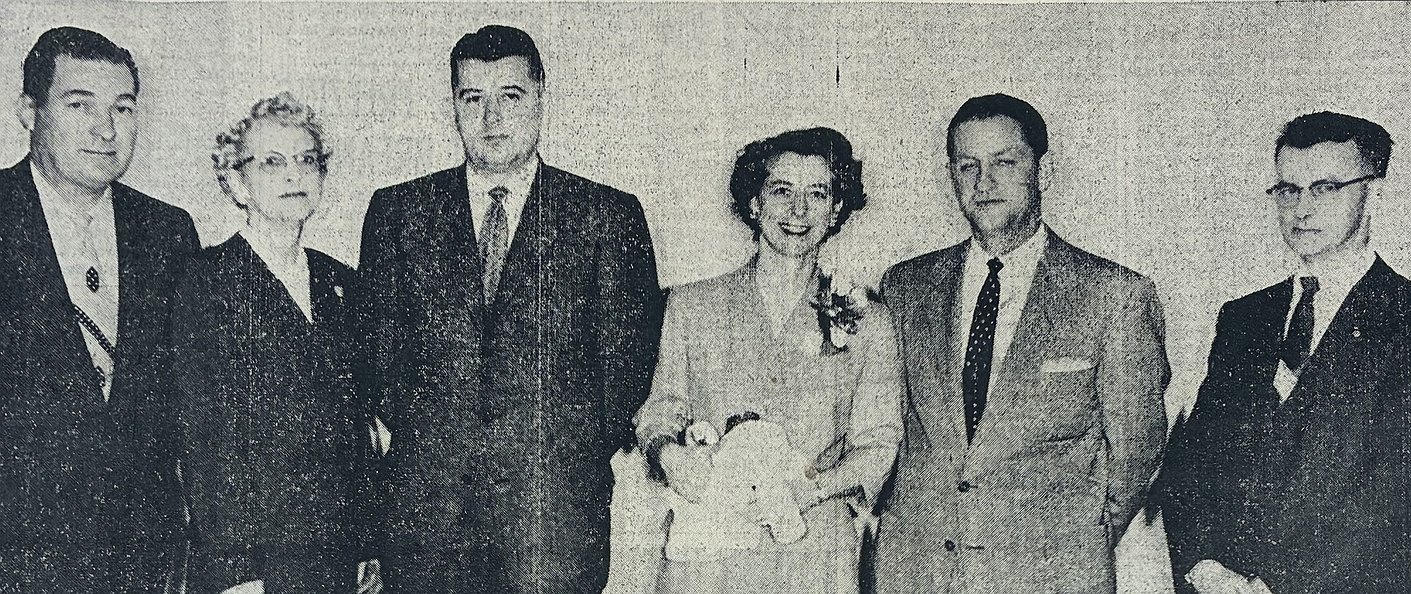
Louise Shadduck, center, launches her congressional campaign in Coeur d’Alene in 1956 surrounded by supporters, including, from left, Jim Parsons of Sandpoint; Florence Nichols and William D. McFarland of Kootenai County; Shadduck; treasurer Ted Hoff Jr. of Horseshoe Bend; and Ralph Wickberg of Shoshone County.
Photo courtesy of the Coeur d'Alene Press archives

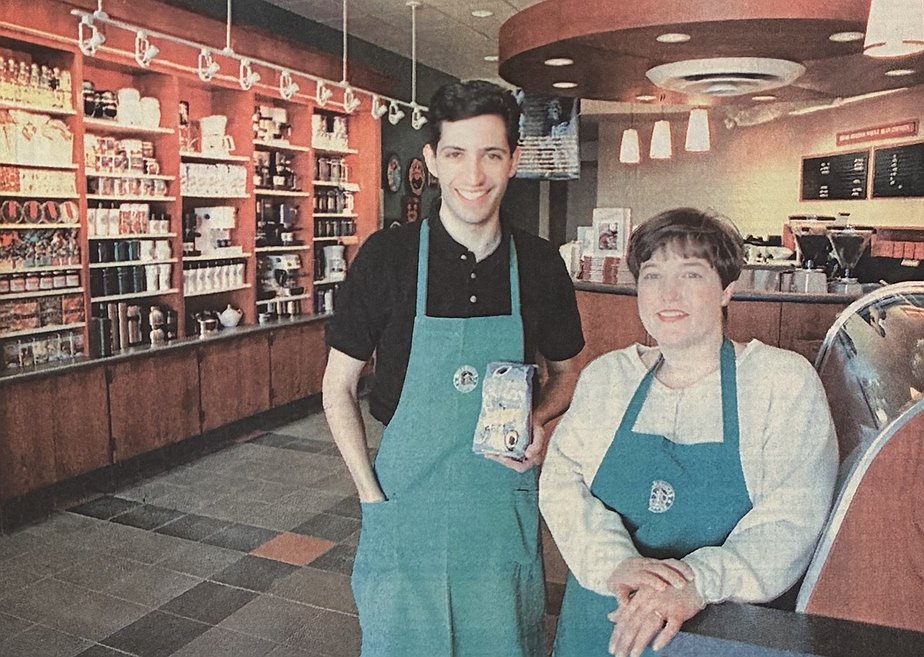
Manager Samantha Gordon and employee Derek Richey open Idaho’s first Starbucks coffee bar at Coeur d’Alene’s Ironwood Square in 1996.
Photo courtesy of the Coeur d'Alene Press archives
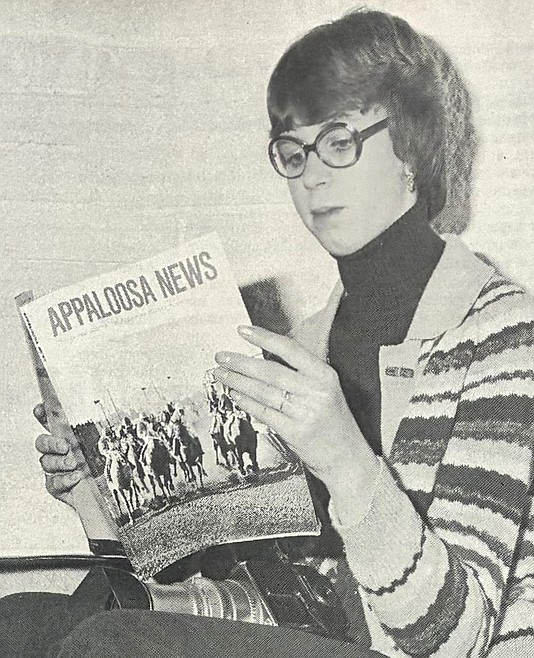
Chris Steinley Holloway, 15, reads the March 1976 edition of Appaloosa News with her racing photo on the cover.
Photo courtesy of the Coeur d'Alene Press archives
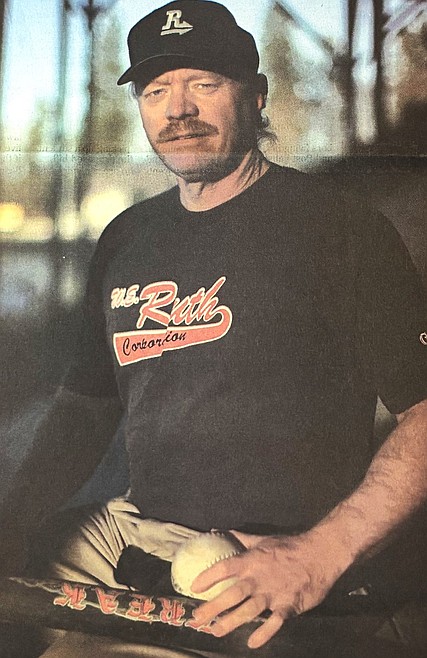
Marlin Harris of Hauser was elected into the Idaho Softball Hall of Fame in 2006.
Photo courtesy of the Coeur d'Alene Press archives
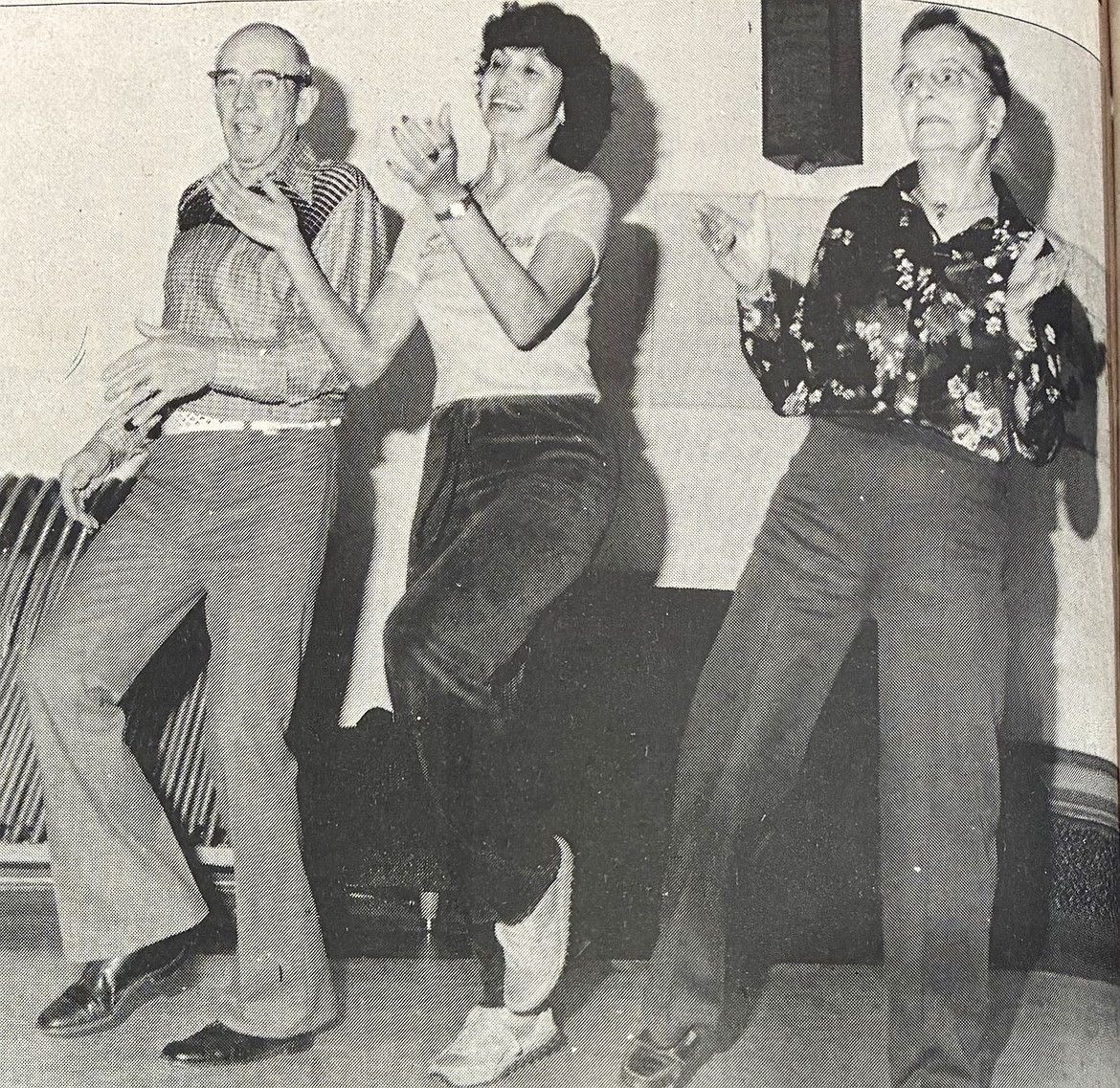
Instructor JoAnn Dilorio, center, leads Paul Streeter and Wanda Myhre in a disco dance in 1981.
Photo courtesy of the Coeur d'Alene Press archives
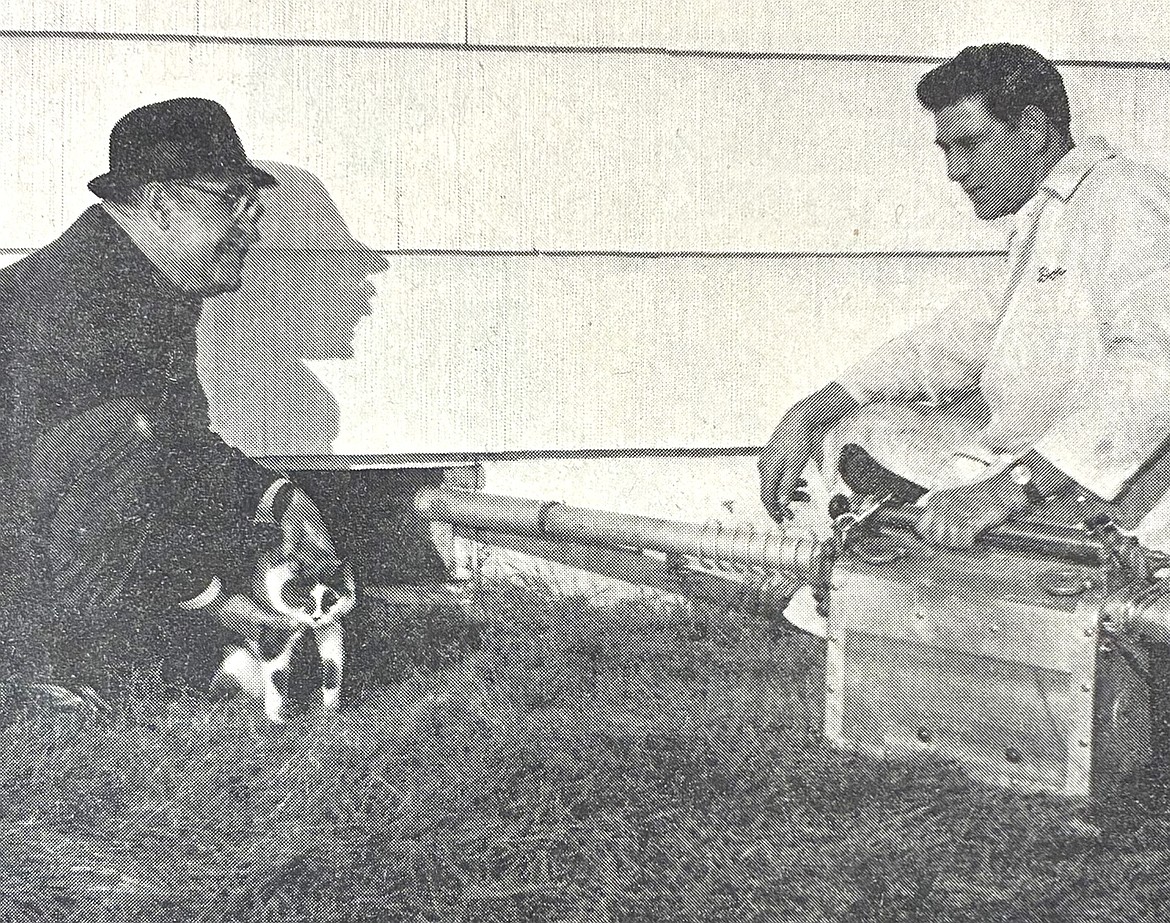
Joe Whitley of the Community Theatre and pest controller Don Killian pose with Joe’s cat, Spooky, in 1966.
Photo courtesy of the Coeur d'Alene Press archives
It rained ash first, and then it rained babies.
In February 1981, nine months after Mount St. Helens blew, doctors at Kootenai Medical Center delivered a bumper crop of newborns — 100 in all.
The hospital staff dubbed them “Ash Babies.”
“We had 4 inches of ash, so we were forced to stay inside,” said Cheryl Sieveke of Tekoa, Wash., who came to KMC to have her baby. “We weren’t planning on getting pregnant. It just happened that way. We’re happy about it!”
Another new mom told The Press that she couldn’t leave the house to buy a contraceptive. But she and her husband wanted another baby anyway.
The February baby boom fell just short of the hospital's monthly record of 104, which, oddly, was set in May 1980, the month the volcano erupted. But, as hospital officials noted for reporter Nils Rosdahl, February has three fewer days.
Sixty-five babies were born at the hospital in the first 17 days of February, almost four per day. At the time, the hospital nursery had room for 12 new moms and their babies. During one period, nurses scrambled to find more space for 19 mothers and their babies.
Coeur d'Alene's Dawn of the Ash Babies made national news.
Both wire services — Associated Press and United Press International — picked up Rosdahl’s story. It was published from Miami to Seattle, from Denver to Washington, D.C. It was aired on Ted Turner’s national cable network from Atlanta — twice.
Hospital administrator Joe Morris said his mother in Portland heard him speak about the baby bonanza over her car radio.
Morris said, “If the hospital had burned down and 20 people had been killed, it wouldn’t have gotten the national coverage which the ‘Ash Babies’ have.”
Strangely, none of the babies was named “Ashley” or “Helen” — before Rosdahl’s Feb. 18 story. But an Ashlee was born five days later, Feb. 23. Dan and Carla Taylor of Post Falls named their baby Ashlee Beth.
The couple insisted they’d settled on the baby’s name before Ash Sunday, May 18, 1980.
Carla Taylor said, “We wanted to name her something unique and had decided on Ashlee long ago.”
Deadly force
A 1981 made-for-TV thriller starring Sally Struthers (Babette of "Gilmore Girls") launched a self-defense class in Kootenai County, targeting local women.
In “A Gun in the House,” Struthers’s character Emily Cates shoots and kills one of two men who break into her house and rape her. And then she faces a murder charge.
She obtained her gun after being cautioned at a self-defense class that there needs to be a "clear and present danger of death or great bodily injury to justify taking a life."
The movie prompted Al Kulig, a former Hayden police chief, and Gordon Andrea to open the Northwest Gun Safety School. Not only did the school teach students how to shoot, but also when to shoot.
“We want to look at the use of deadly force and when it should be applied,” Kulig told The Press. “I’ve found that a person with experience is much less likely to shoot than one who is inexperienced.”
The two firearms experts said their series of 10 classes was open to anyone age 18 or older who had never committed a felony.
Kulig quipped, “We don’t want to train anybody to hold up gas stations.”
Temporary insanity
Louise Shadduck, the “Lioness of Idaho,” later would say that she ran for Congress during “a fit of temporary madness.”
But, on Feb 23, 1956, the local Republican was all in when she announced her candidacy to unseat incumbent Democrat Gracie Pfost.
Louise said she reached the decision after “careful deliberation and prayerful consideration.”
Shadduck, the daughter of the local pioneering Shadduck family, made history by running. Her race marked the first time in U.S. history that two women faced each other as major party candidates for a congressional seat, according to Shadduck biographer Mike Bullard.
Louise lost 55.1% to 44.9%.
And then she resumed her preferred role in which she operated behind-the-scenes to influence politicians and to shape Idaho. When she was appointed Idaho’s Commerce secretary, she became the first woman in the country to serve in a governor’s cabinet.
Bullard’s biography, “Lioness of Idaho: Louise Shadduck and the Power of Polite,” is a must-read for those who admire strong women.
Huckleberries
• Poet’s Corner: Next time we free/Our fellow man/It might be wise/To have a plan — The Bard of Sherman Avenue (“Iraq Lesson”).
• Starbucks, Anyone? The first Starbucks Coffee in Idaho opened at Ironwood Square, east of Albertson’s (Safeway) on Leap Year Day 1996. Manager Samantha “Sam” Gordon said the coffee bar was a natural extension of the Spokane market. She said, “Over and over, our customers were filling out comment cards saying, ‘When are you coming to Coeur d’Alene?’ The company heard and here we are.”
• Shutter Bug: At age 15, Chris (Steinley) Holloway achieved “what many photographers never capture,” said The Press. Her photo of a horse race at the old Coeur d’Alene Turf Club landed on the front page of the national Appaloosa News. Chris’s father, Oscar, of course, was a fine photographer, too. Later, Chris distinguished herself further by managing the fairgrounds superbly from 1999-2012.
• Hometown Slugger: By day, Marlin Harris, 56, was a Lakeland High math teacher. On nights and weekends, he played more than 100 slow-pitch softball games for various teams. And he was still a slugger. In the early 1990s, he socked 100 HRs and batted .790 or better for two straight years. On June 17, 2006, Marlin's softball prowess for 30-plus years was rewarded when he was inducted into the Idaho Softball Hall of Fame.
• Tuesday Fever: The disco craze had peaked elsewhere in the 1970s, but it was still throbbing here in the '80s — at least among Seasoned Citizens. A YMCA disco exercise class taught by JoAnn Dilorio in February 1981 attracted 20 old-timers each Tuesday. Dilorio described her students as active social dancers with “very good rhythm.”
Parting shot
Seems Rum Tum Tugger and the “Cats” cast were enjoying a Jellicle Ball in the crawl space of the Community Theatre’s new home 60 years ago.
On Valentine’s Day 1966, the local troupe discovered a dozen or so basement felines when it moved into the old Latter-day Saints church building at 14th and Garden.
So, Community Theatre president Joe Whitley called pest control to smoke out the frisky felines. However, Whitley was surprised when the Great Coeur d’Alene Smokeout yielded but one mouser: his family pet, Spooky.
Sheepishly, Whitley said, “I don’t know what happened to the cats or what Spooky was doing there.”
Spooky, meanwhile, calmly licked his paw and wondered: Why all the fuss?
• • •
D.F. (Dave) Oliveria can be contacted at [email protected].
 Nurses at Kootenai Medical Center hustle to keep up with the baby boom of February 1981.
 Instructor Al Kulig shows Carol Moffitt how to handle a gun in 1981.
 Louise Shadduck, center, launches her congressional campaign in Coeur d’Alene in 1956 surrounded by supporters, including, from left, Jim Parsons of Sandpoint; Florence Nichols and William D. McFarland of Kootenai County; Shadduck; treasurer Ted Hoff Jr. of Horseshoe Bend; and Ralph Wickberg of Shoshone County.
 Manager Samantha Gordon and employee Derek Richey open Idaho’s first Starbucks coffee bar at Coeur d’Alene’s Ironwood Square in 1996.
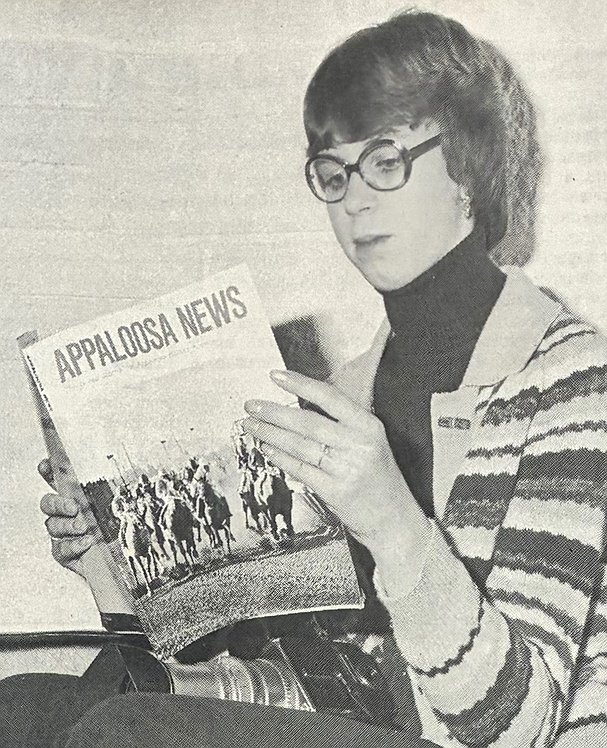 Chris Steinley Holloway, 15, reads the March 1976 edition of Appaloosa News with her racing photo on the cover.
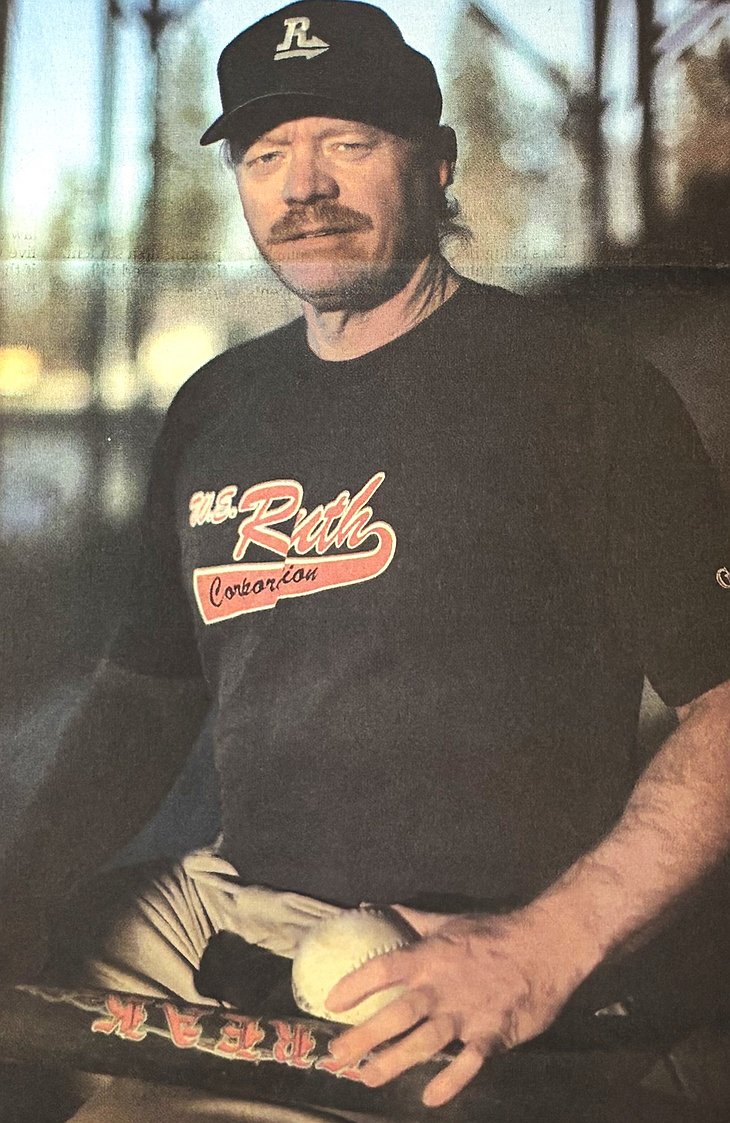 Marlin Harris of Hauser was elected into the Idaho Softball Hall of Fame in 2006.
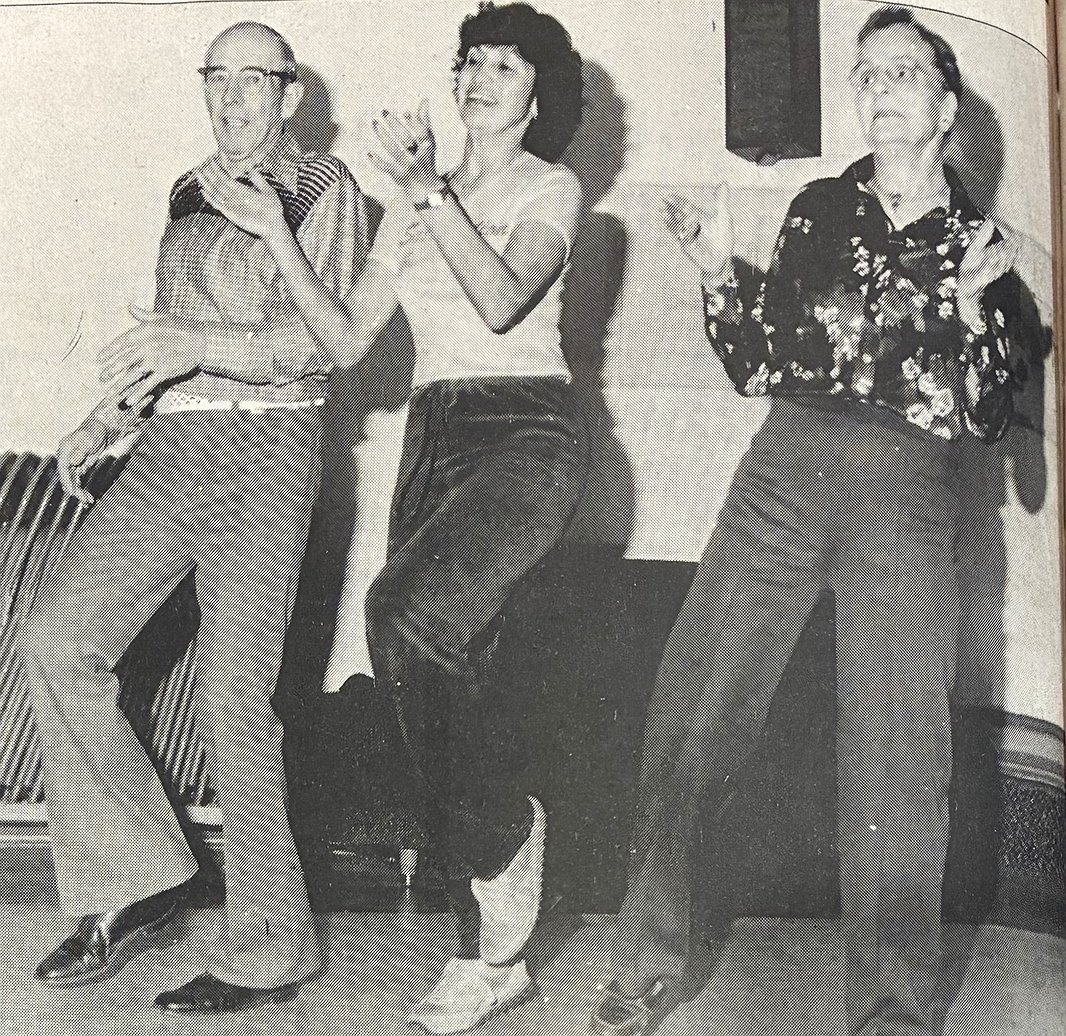 Instructor JoAnn Dilorio, center, leads Paul Streeter and Wanda Myhre in a disco dance in 1981.
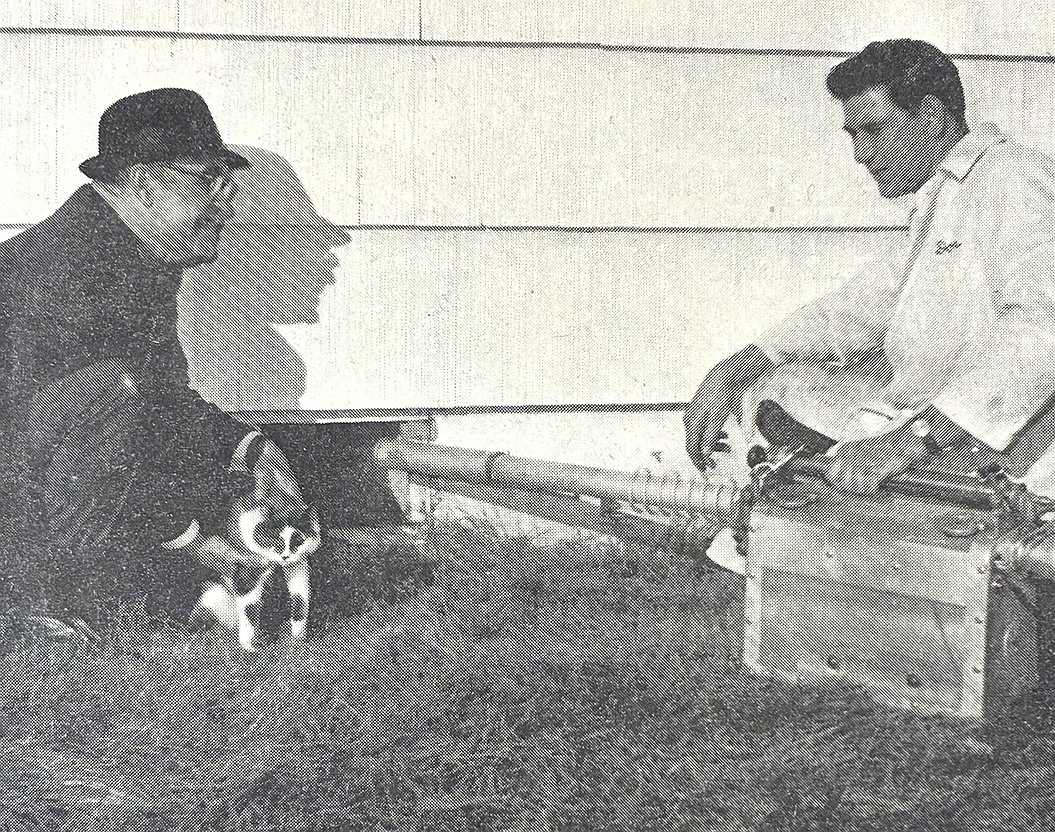 Joe Whitley of the Community Theatre and pest controller Don Killian pose with Joe’s cat, Spooky, in 1966.