

FAST FIVE: John Shovic and the rewards of robotics

John Shovic wrote the "Python All-In-One for Dummies" and is the director of the Center for Intelligent Industrial Robotics, a research center within the University of Idaho headquartered in Coeur d'Alene on the North Idaho College Campus.
Courtesy photo

Poppy the Morkie (a cross between a Maltese and the Yorkshire Terrier).
Courtesy photo
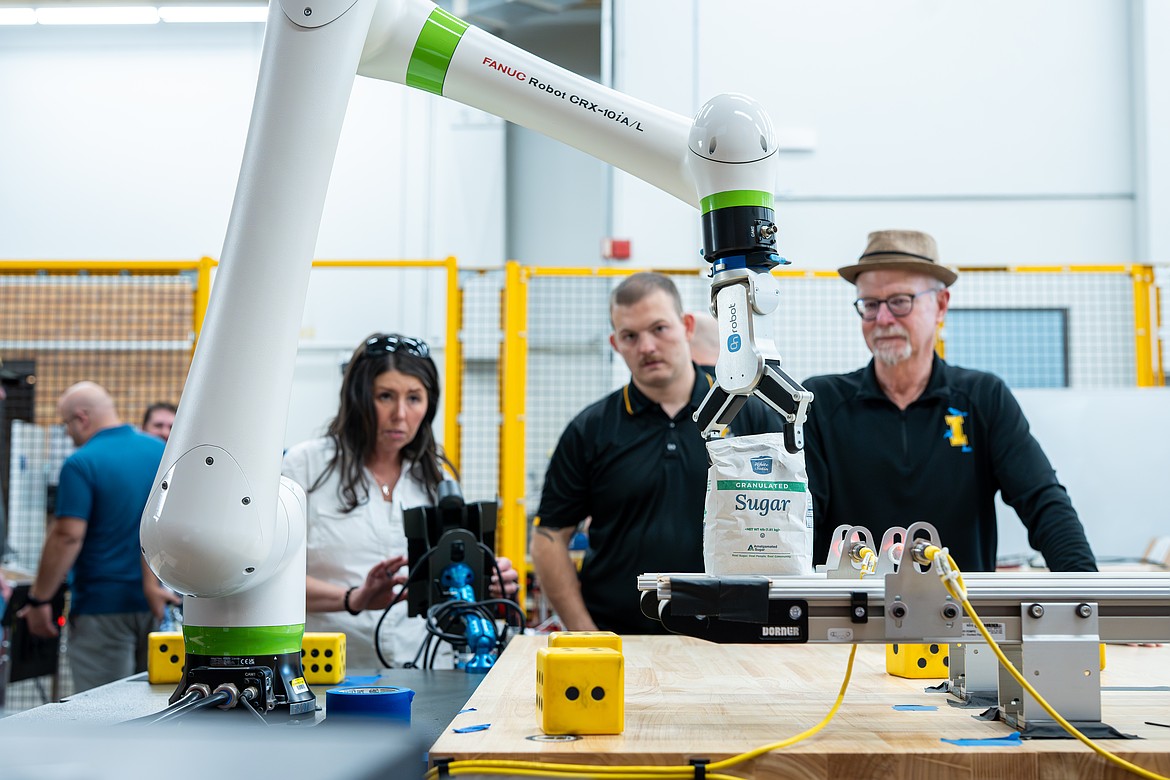
A photo behind the scenes of the Amalgamated Sugar Project at the Center for Intelligent Industrial Robotics.
Courtesy photo
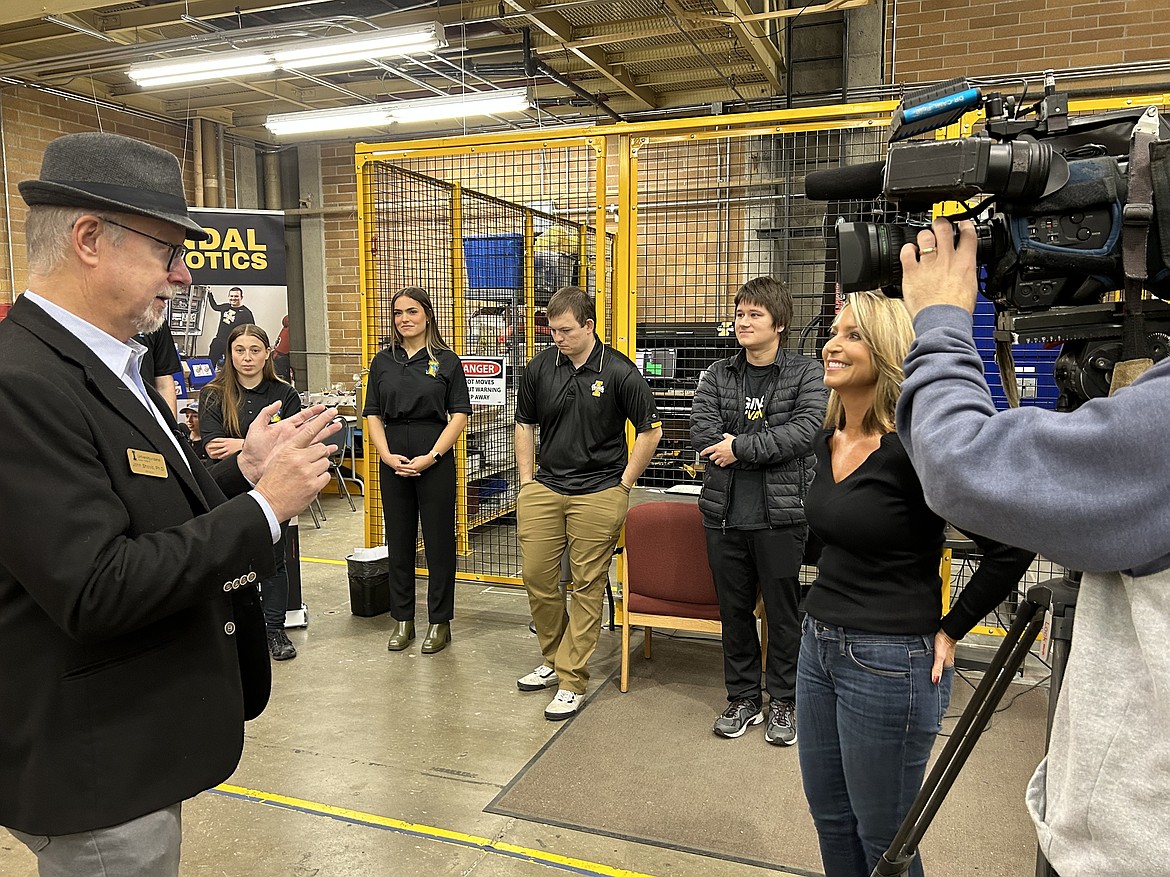
John Shovic speaks about a project.
Courtesy photo
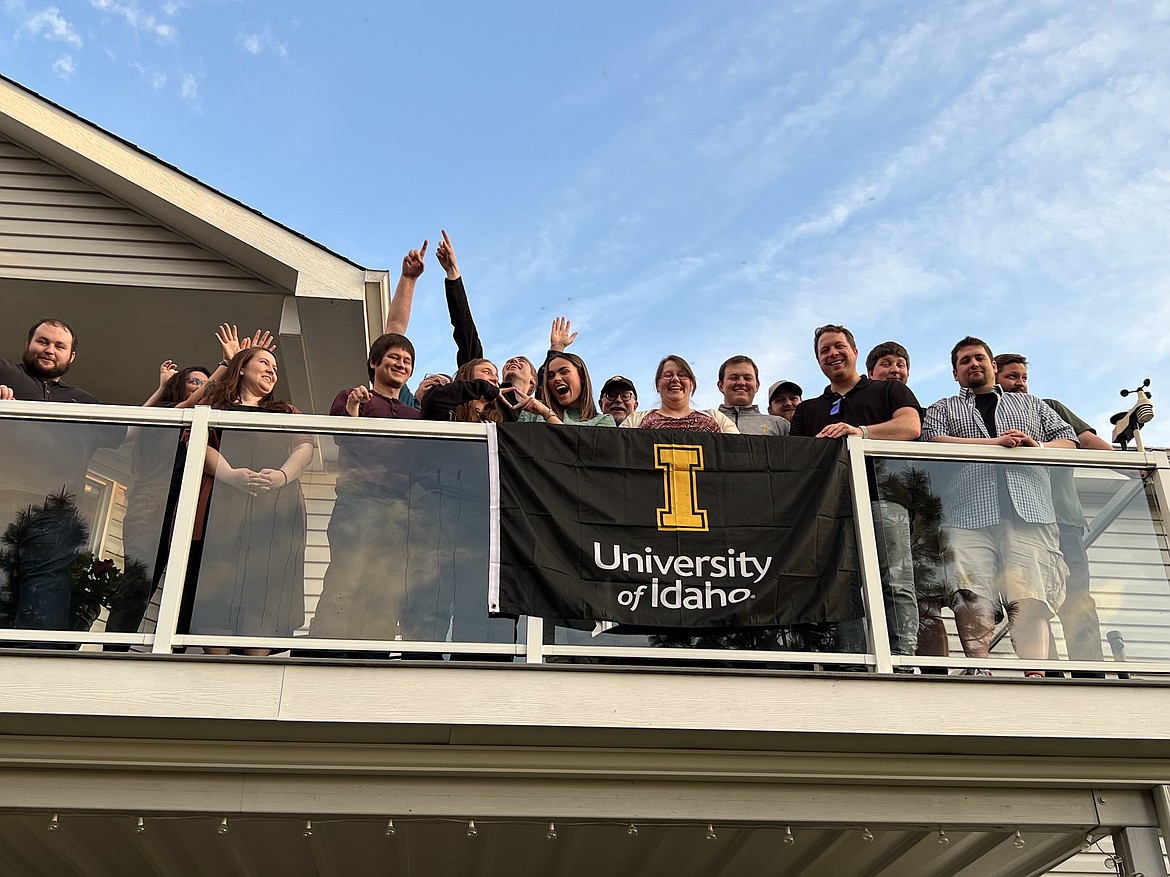
John Shovic is the director of the Center and a member of the Computer Science department.
Courtesy photo
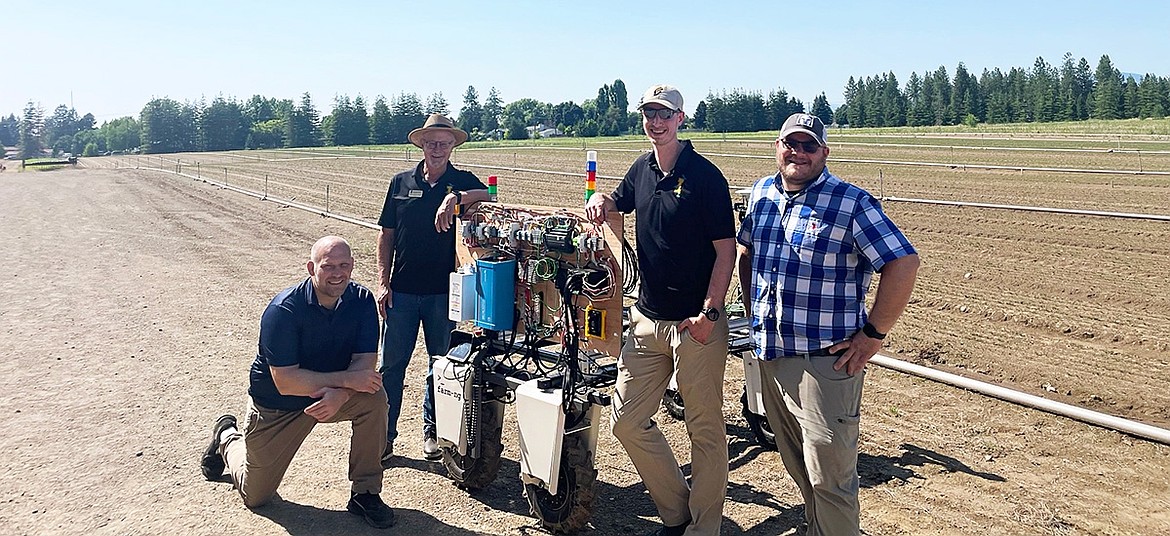
John Shovic and associates work on a project out in the field.
Courtesy photo
John Shovic speaks about a project.
Courtesy photo
John Shovic has been active in the Coeur d'Alene community for many years. Originally from Central Montana, he received his doctorate degree from the University of Idaho and has been off doing fun things since. John joined the University of Idaho as Research Faculty in AI, Robotics and Automation in 2017 after 30 years in industry, including numerous companies in CDA. He has founded multiple companies: Advance Hardware Architectures, TriGeo Network Security, Blue Water Technologies, InstiComm, SwitchDoc Labs and bankCDA.
In 2021, he was appointed director of the Center for Intelligent Industrial Robotics, a research center within the University of Idaho headquartered in Coeur d'Alene on the North Idaho College campus.
1) What work do you do at the Center for Intelligent Industrial Robotics?
I am the director of the Center and a member of the Computer Science department. Because of the nature of robotics and AI, I also have appointments in Mechanical Engineering and Electrical and Computer Engineering. The boring stuff is that I am responsible for budgets, hiring, recruiting and navigating through all of the complexities of being inside and R1 University. The fun stuff is that I have 12 PhD students (all smarter than me) doing absolutely cutting-edge world-class research work in developing and applying AI and automation in manufacturing companies to improve productivity, quality and safety in manufacturing.
We have a robust program here at the UI in CDA. Ours is a 2+2 program with North Idaho College. NIC teaches the first two years and UI teaches the junior and senior courses, all right here in CDA. We have a remarkable partnership with NIC that is unique in the state and the northwest.
We have numerous joint projects with NIC students doing undergraduate research with UI students and graduate students. We call this joint program X-Labs and NIC brings excellent students from multiple disciplines into these projects.
Our robotics and automation lab is shared with NIC providing an excellent experiential learning experience for both sets of students. We have over 20 robots in the Hedlund building and NIC/UI is installing a complete full size manufacturing line in the fall for students to work on from the new NIC Industrial Robotics and Automation program and for our seniors and graduate students to learn how to operate and design full manufacturing lines. What are we going to build? Probably really cool swag for NIC and UI.
That's what the students want to do! Wait, wait. There is bit more. The UI is launching an BS in AI degree in the fall and it will be taught in Coeur d'Alene too!
I've also written a couple of books you may have heard of. "Python All-In-One for Dummies" and with Dr. Marz (my associate director) "Python and AI" coming out in August.
2) What is Project Evergreen and the Amalgamated Sugar project?
Project Evergreen is a robot designed by CIIR graduate students for the USDA, specifically for the CDA Nursery. It rolls along the rows of little trees in the nursery using AI to look for weeds. When it finds one, it stops over the weed and another robot mounted on top moves to the XY position and drops an electrode down on to the weed and zap, 3,500 volts takes out the weed. It's really fun to watch. I really enjoyed watching this project go from paper design to out in the field (literally).
The Amalgamated Sugar project is a huge success for my AI research program. The PhD student on this project, Hunter Hawkins, is a Coeur d'Alene native and invented a method of analyzing millions of pieces of data coming off their giant three-story tall steam dryer at their Nampa plant.
He figured out a way of predicting that the dryer was going to shut down in 20 minutes. This event could shut down the entire plant for hours to days if the operator didn't do something and now, he gets a warning and he can do something. I have to tell you that when Hunter came into my office and told me what he had discovered, the hair went up on the back of my neck. I knew he had invented magic.
Three last things about Hunter. He is now Dr. Hawkins. He is now with us as a full-time research scientist. And he just had his first baby! That's a heck of a trifecta for a single month.
And pay attention to the paper this fall. We are now doing a similar project with the Idaho Forest Group (IFG). We have awesome people to work with at IFG.
3) What part does failure play a part in discovery?
Now this makes me laugh you would ask this question. I give out a coveted award each year called the "Crown of Destruction."
It is given to the student that breaks something that gives me the most angst. Breaking things is part of learning things in the lab. The real measure of the award is not how much it costs to fix things, but rather the angst factor. To give you a great example is with the Project Evergreen robot.
Two days before our big demo out at the nursery (with all six national nurseries present), I get a text message at 9 p.m. telling me that they have blown up the robot with 10,000 volts. Remember we are supposed to be electrocuting weeds, not robots.
They assured me they could fix it and for the next 24 hours I experienced angst at a high level. The next day, they told me they had it fixed. I thought for a moment and said, great. Turn off the 10,000 volts until after the demo, since they weren't sure they had fixed the problem. The demo went smoothly, but no one but us knew that while it looked like we were zapping weeds, it actually wasn't.
They fixed it with help from Dr. Herb Hess in Moscow and were happily zapping weeds a couple of weeks later, much more safely, and only using 3,500 volts. Brent Knopp, PhD student (now working on the IFG project) was the winner of the Crown of Destruction award that year.
4) What is something people would be surprised to know about you?
Well, I have never had a dog in my entire life. Only cats. Now, thanks to an amazing set of coincidences, I have a Morkie (a cross between a Maltese and the Yorkshire Terrier) named Poppy. I am totally delighted with this dog. Of course, I take the dog to work occasionally and make all my students meet her. It's now a requirement to get a PhD in my group. If you don't like my dog, don't bother to apply. Total conversion to dog lover. Some students send her treats home. Smart students.
5) What have been your proudest moments in robotics?
That is an easy question to answer. My proudest moment in robotics, is not the robots, but the students I have the privilege of working with. I've now graduated three PhDs (12 more in progress!) from this program here in CDA and those three have been the proudest moments in my life. I'm also happy to announce that all three of these new doctors (Dr. Marz, Dr. Hunter and Dr. Jacob) are all staying on as research scientists in our group and are doing amazing things every day. I have the best job in the world.
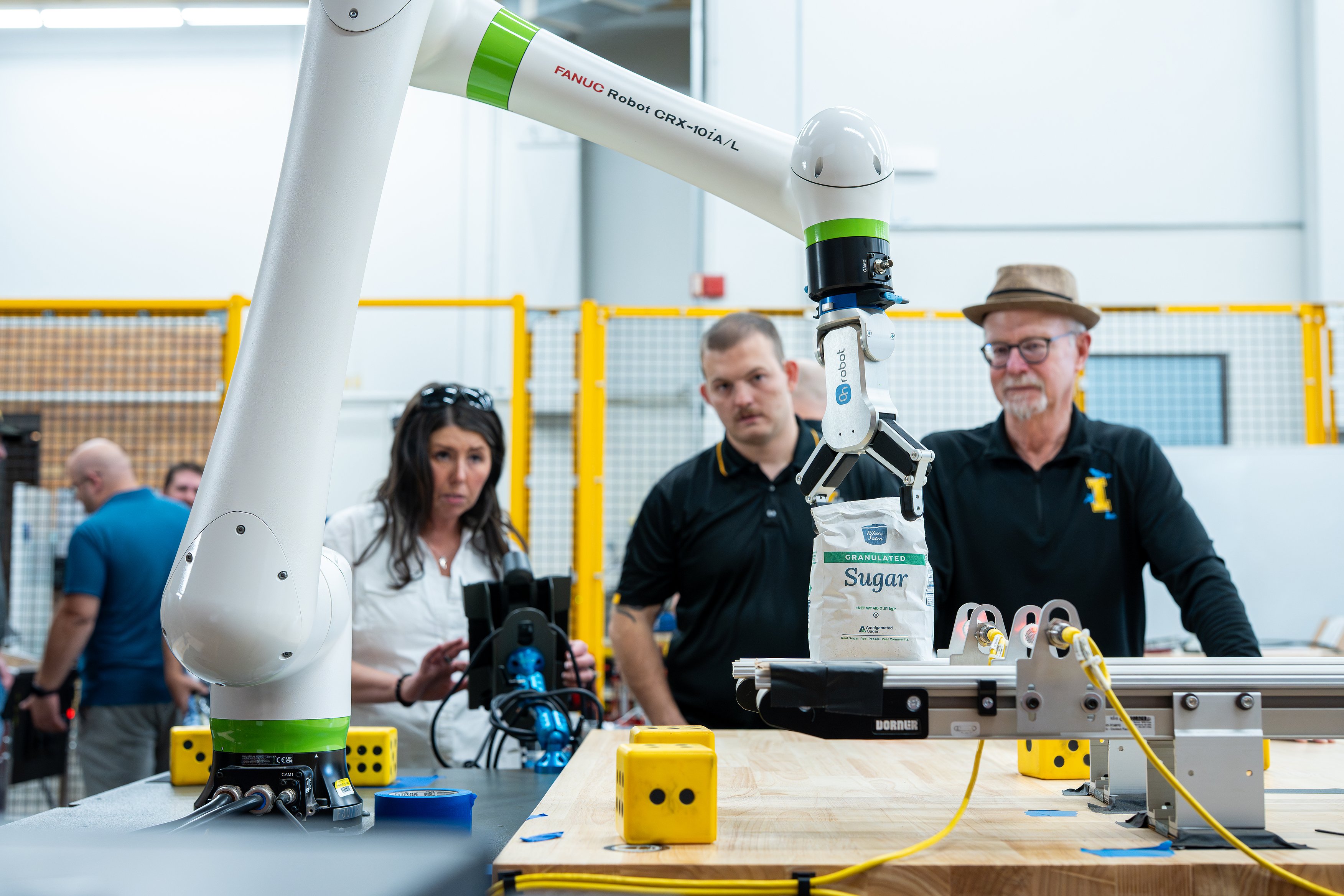 A photo behind the scenes of the Amalgamated Sugar Project at the Center for Intelligent Industrial Robotics.
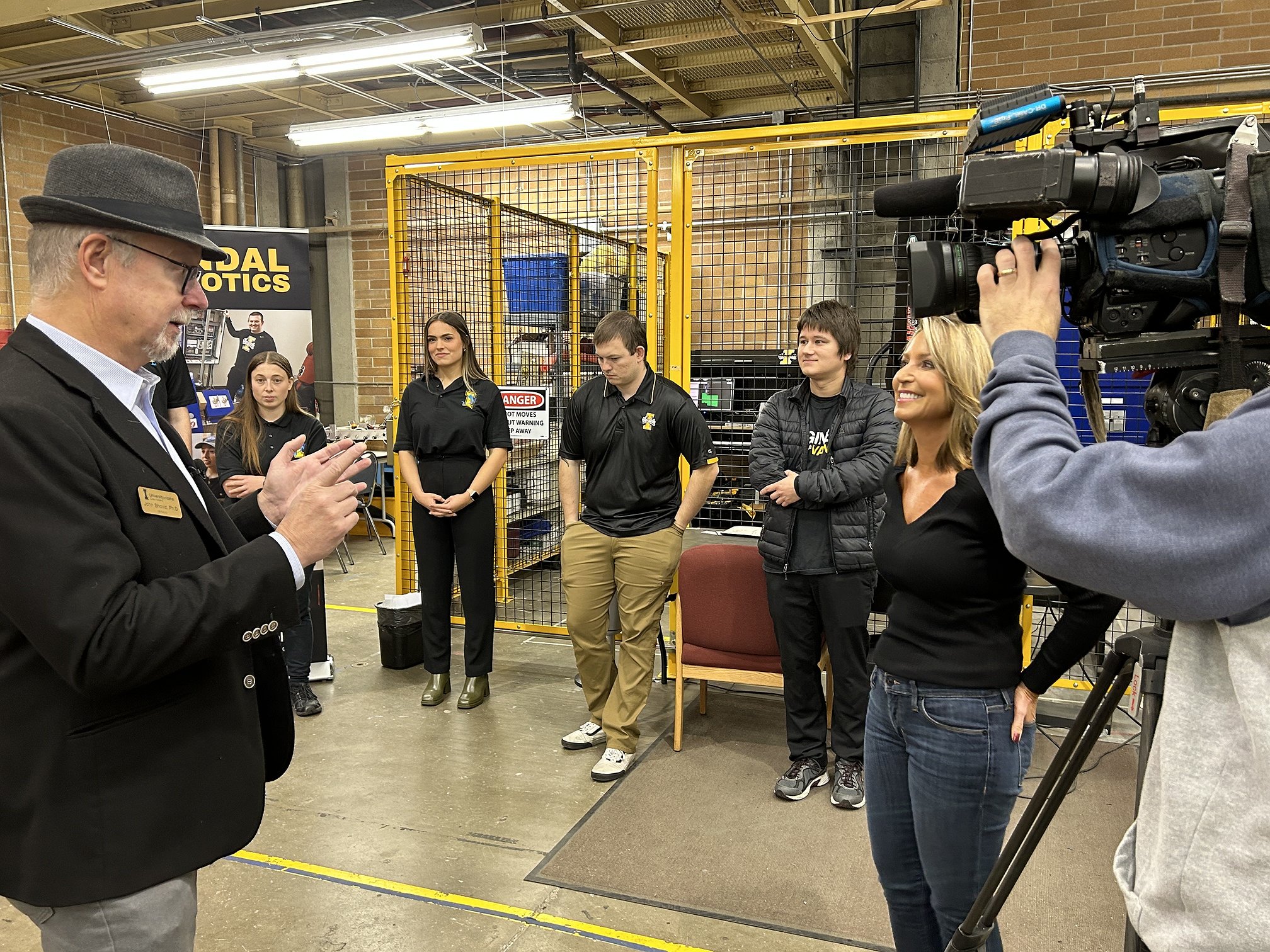 John Shovic speaks about a project.
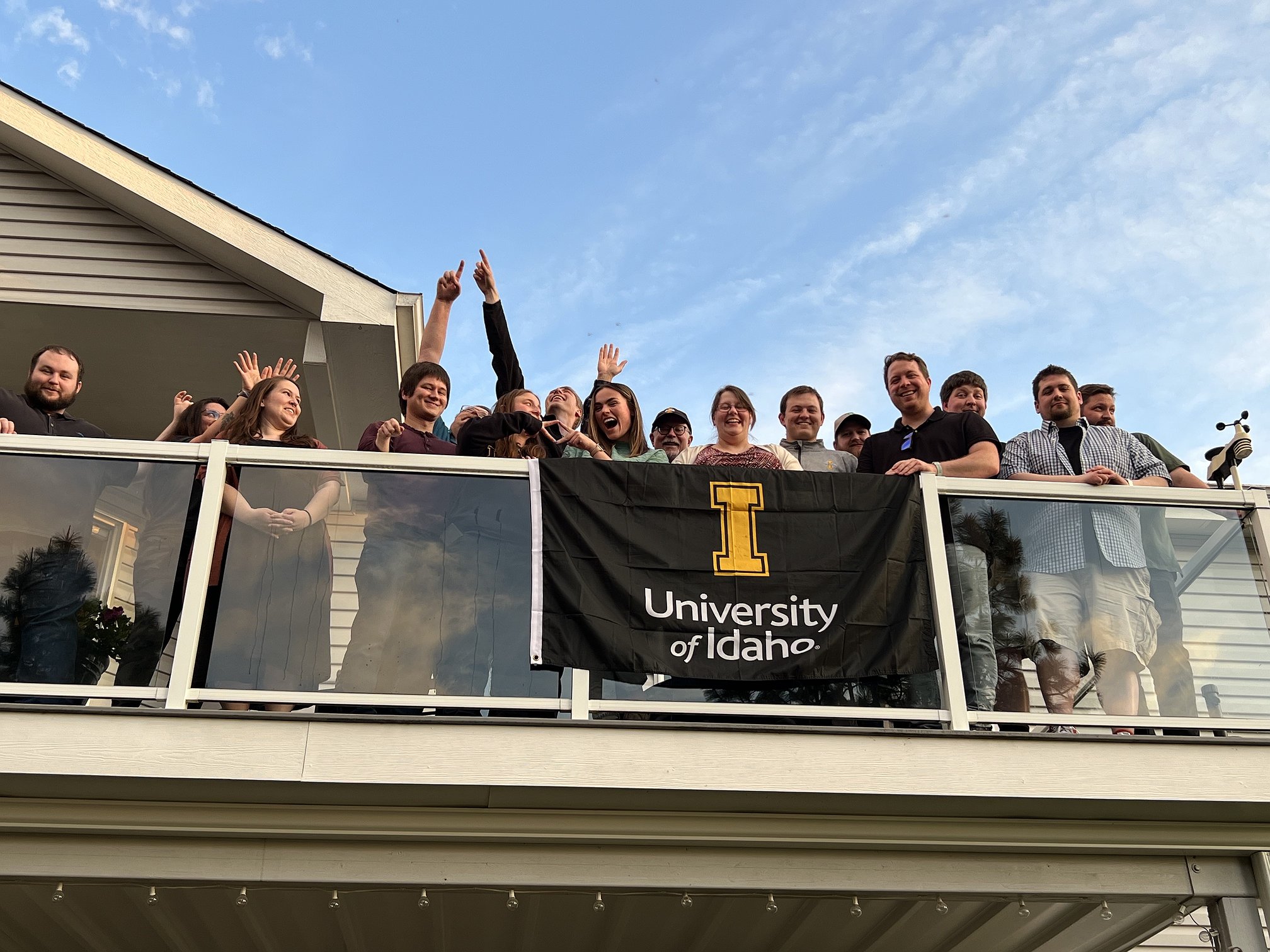 John Shovic is the director of the Center for Intelligent Industrial Robotics.
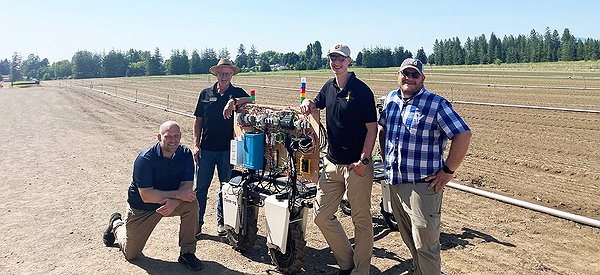 John Shovic and associates work on a project out in the field.
 Poppy the Morkie (a cross between a Maltese and the Yorkshire Terrier). John Shovic speaks about a project.