

What to prioritize when updating an older Florida home
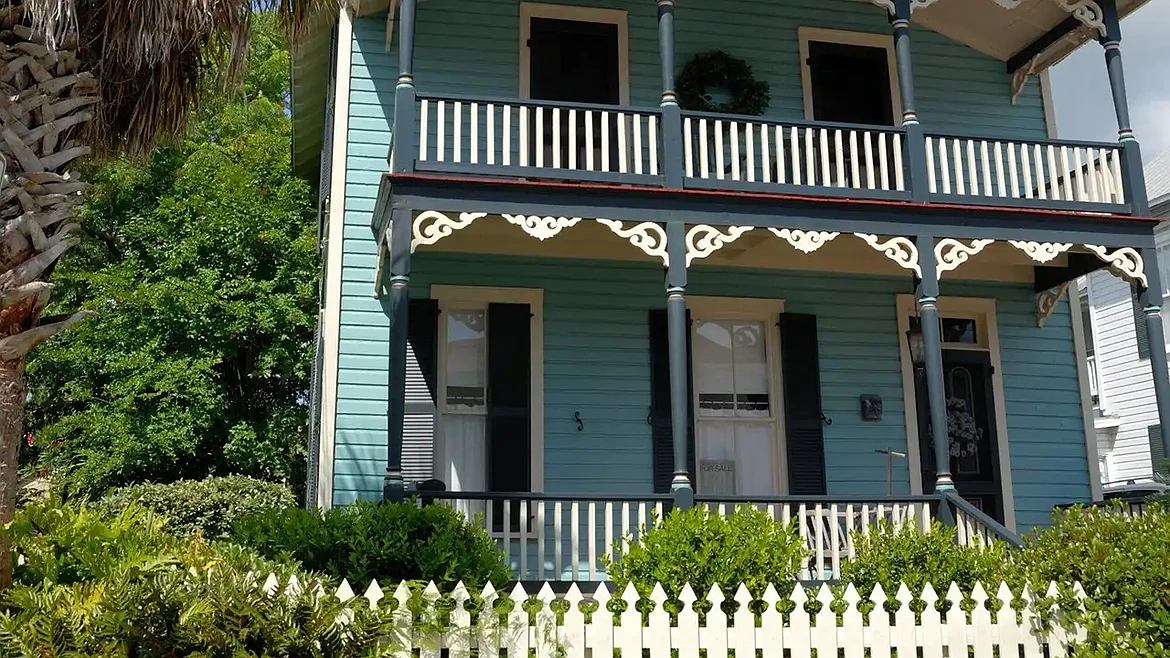
Windows, roofing, moisture control, and electrical systems should come before cosmetic updates in an older Florida home, since insurability and structural risk both depend on the building envelope.
The typical Florida home was built in 1988, according to PropertyShark. Hurricane Andrew arrived four years later, and the statewide building code written in response to it did not take effect until 2002. This leaves a great many houses sitting on the wrong side of a fourteen-year gap, built to a standard the state has since decided was insufficient.
Updating one of them comes down to order of operations. The instinct is to start with the kitchen, because you look at it every morning. The money, though, almost always does more good somewhere you probably never think of often.
Windows and Impact Protection Come First
Windows are the weakest point in most older Florida homes, and they fail in a way that takes the rest of the house with them. Once wind gets inside through a broken pane, pressure builds against the roof from underneath and lifts it off.
Single-pane aluminum from the 1980s also leaks conditioned air continuously, which shows up on every bill in a climate that runs the AC ten months a year.
Then there is the insurance side, which homeowners tend to underestimate. Florida law requires carriers to offer discounts for verified wind mitigation features, and opening protection carries some of the largest credits available. The inspection afterward converts the home upgrade into a lower premium.
Impact-rated replacements from Reece Windows in Sarasota meet the pressure ratings required along the Gulf Coast, which sit higher than what inland counties call for.
Humidity Is the Slow Damage Nobody Budgets For
Hurricanes get the attention, but it's the humidity that does the steady, unglamorous work of taking a house apart over twenty years.
Homes built before the 1990s often lack the vapor barriers and sealed ductwork that are standard now, so moisture moves freely through wall cavities until a bubble appears in the drywall.
Oversized air conditioning makes it worse. A unit too large for the square footage cools fast, shuts off before it has been on long enough to pull moisture out, and leaves the house cold and clammy at once.
The following are also worth checking:
- Duct connections in the attic, where leaks pull humid air into the system
- Bathroom fans venting into the attic instead of outside
- Grade around the foundation, which should slope away from the slab
- Indoor humidity, which should sit between 45 and 55%
The Roof Determines Everything Under It
A roof past a certain age stops being a maintenance question and becomes an insurability question. Florida carriers routinely decline to write policies on shingle roofs older than 15 years, and some draw the line at 10.
Material matters as much as age. Asphalt is cheapest upfront and shortest in service life under this much UV, while metal costs more and lasts decades longer. Tile sits between the two, with the wrinkle that individual tiles crack under debris while the underlayment ages out on its own schedule.
The underlayment is where older roofs fail first, and a roof can look sound from the driveway while the membrane doing the waterproofing has gone brittle underneath.
Older Electrical Systems Carry Known Problems
Some of the worst electrical work in Florida housing dates to a narrow window and is well documented. Aluminum branch wiring went into homes between roughly 1965 and 1973 and connects poorly to standard outlets, and Federal Pacific Stab-Lok panels have a long history of breakers that fail to trip.
Carriers recognize both by name, and one found during an inspection will typically have to be replaced before a policy gets written at all.
Beyond those two, older homes tend to have too few circuits for the way people use electricity now: two-prong ungrounded outlets, no GFCI protection near water, and a panel that was adequate for a 1980s household running one television.
Cosmetic Work Belongs Last
Kitchens and bathrooms return real value at resale, and there is nothing wrong with wanting them during a home renovation. Timing is what gets people.
New cabinets installed under a fifteen-year-old roof are a bet that the roof holds. Quartz countertops in a house with a Federal Pacific panel are an expensive distraction from the thing most likely to cause a fire.
There is also a practical argument for waiting. Structural work is disruptive and dirty, and doing it after a renovation means tearing into finishes that were just paid for. Windows come out, drywall gets patched, attic access gets used and used again.
Frequently Asked Questions
What Do Insurance Inspectors Look At?
A four-point inspection covers roof, electrical, plumbing, and HVAC, and most Florida carriers require it on homes past about 30 years. A separate wind mitigation inspection documents features like opening protection and roof-to-wall connections, and it exists to lower your premium rather than to qualify you.
How Do You Handle Unpermitted Work Done by a Previous Owner?
Unpermitted work can complicate a claim, a sale, or both, since an insurer may deny coverage for damage traced to it. Counties generally offer a retroactive permitting process, though it usually means opening walls for inspection. A local permit expediter or real estate attorney can tell you whether the cost is worth it in your situation.
What Should Be Prioritized on a Limited Budget?
Anything a carrier could non-renew you over comes first, since losing coverage is more expensive than any single repair. Roof and electrical usually top that list, followed by opening protection where wind mitigation credits offset part of the cost.
Is It Worth Updating Older Homes Versus Buying Newer?
The math depends on location and how much deferred maintenance has stacked up. A house needing roof, windows, and panel work at once can approach the price gap with newer construction, which is why getting an inspection before closing matters more in Florida than in most states.
Older Florida Home Rewards Owners Who Work From the Outside In
Everything inside an older Florida home depends on the shell around it holding up: windows, roof, moisture, and wiring. Get through that list and the house is insurable, dry, and worth putting a new kitchen into.
Stay hooked to Coeur d'Alene Press for more stories, insights, and expert perspectives across a variety of subjects.
This article was prepared by an independent contributor which helps us continue delivering quality content to our audiences.