
Sunday, September 20, 2026
53.0°F

Land conservation and economic vitality go hand in hand, new study finds
| July 24, 2026 1:00 AM

BOISE — Land conservation and economic vitality go hand in hand, according to a new report commissioned by the Idaho Coalition of Land Trusts (ICOLT). 

Idaho land trusts help sustain jobs, rural economies, family farms and ranches, recreation opportunities and the quality of life that makes Idaho special. 

Together, ICOLT’s member land trusts generate nearly $190 million in annual economic activity, support more than 800 jobs and contribute to more than $7 million in tax revenue each year, according to the report. 

"Idaho land trusts work diligently every day to protect the things we all cherish most about our state — productive agricultural lands, wildlife habitat, open spaces and recreational opportunities,” said Charli Williams, executive director of Lemhi Regional Land Trust and president of the ICOLT board of directors. "Idaho land trusts generate nearly $190 million in total economic impact, a particularly impressive feat given that there are only seventeen members of ICOLT working across the state.”  

Idaho's land trusts benefit everyone from ranchers who graze their cattle on protected land to visitors who come to bike or hike on protected lands to businesses that rely on open spaces. 

“Whether you’re a hunter, a birder, a boater, or a rancher, you benefit from these protected landscapes,” said Heath Mann, executive director of Sagebrush Steppe Land Trust and vice president of the ICOLT board of directors. “There aren’t a lot of things in this world that can benefit such a broad range of our population.” 

Sandpoint’s Kaniksu Land Trust, for example, protects a 643-acre property that supports a working ranch and local business, Western Pleasure Guest Ranch. One family has managed the ranch for over 80 years. 

“It’s a beautiful example of how a conservation easement can allow a family to keep hold of their land and keep utilizing it ... to make a livelihood for themselves and for their employees,” said Katie Egland Cox, executive director of Kaniksu Land Trust (KLT). “Open spaces are more than a beautiful landscape — they provide value to everyday Idahoans and are an economic resource for the entire state.” 

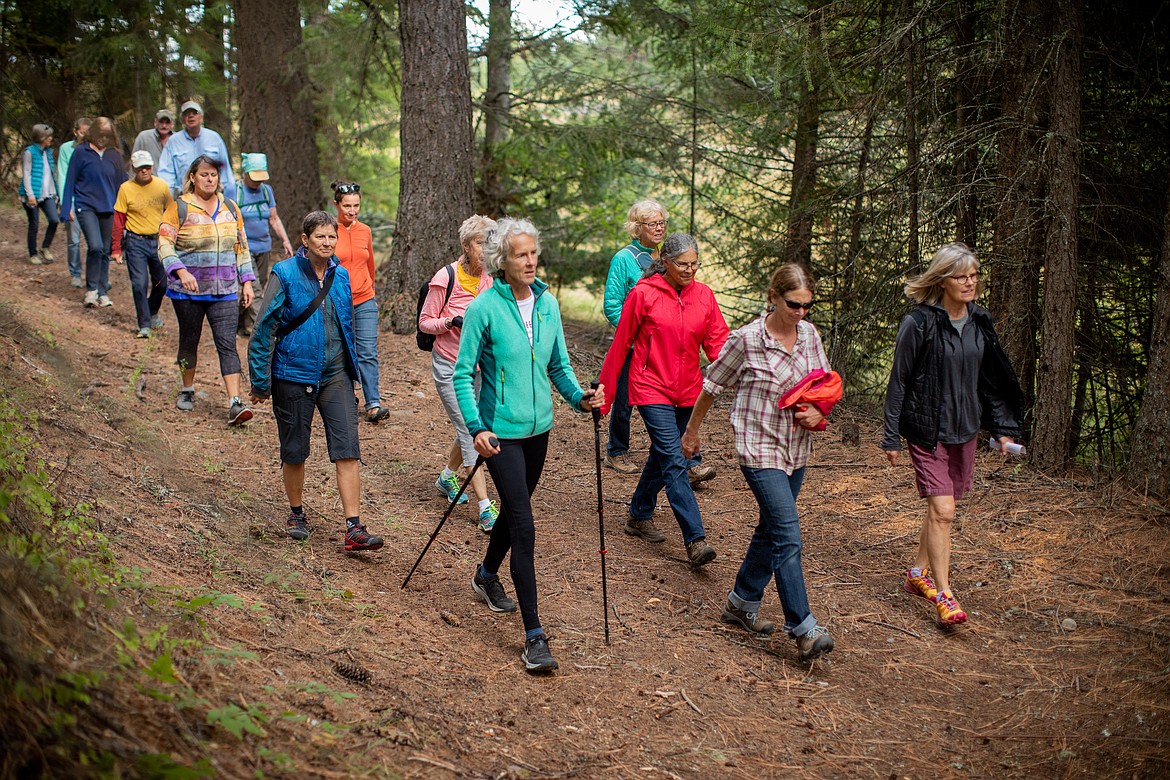
KLT also protects 180 acres of rolling hills, woodlands and trails — called Pine Street Woods — that are open to the public year-round for biking, hiking, Nordic skiing, trail running and snowshoeing. 

“The gift of space, birdsong and fresh air ... has been a true blessing,” said Diana Gore, a  Sandpoint resident. 


The trails are also a destination for out-of-state users who boost the economy while in town. 


“We get so many visitors up there recreating and using the trails that are here for the weekend or the week on vacation,” Egland Cox said. “You can go into the parking lot and see license plates from all over the country.” 

More than 204,000 people visit land trust properties each year, and the tourism associated with those lands generates more than $14 million in economic activity, according to the study. 

Hundreds of miles away in Driggs, local farmers and ranchers are just as grateful for protected lands. 

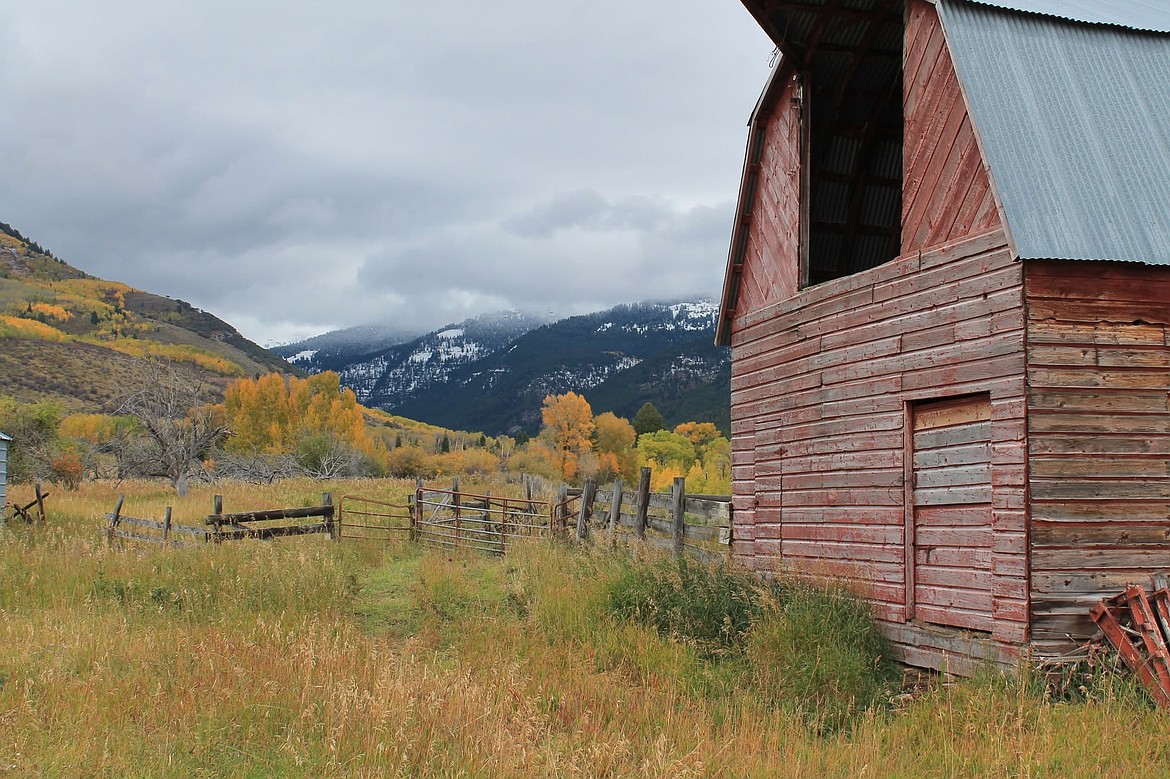
Teton Regional Land Trust worked with local farmer Boyd Bowles to protect his three properties — totaling 511 acres — at the mouth of Darby Canyon. 

“For the past few years, I have been working with the land trust to preserve the ground to keep it in agriculture,” Bowles said. “I think it’ll be continued farming for at least another 40 years, or better. I’m not afraid to tell somebody that I preserved it. You’ll be able to come back in 100 years, and it’ll still look basically the same.” 


Working farms and ranches make up more than 185,000 protected acres within the Idaho land trust network, according to the study. Agriculture is the largest economic contributor among all sectors analyzed, accounting for more than $114 million in total economic activity. 


"We are a net positive,” Mann said of Idaho land trusts. "We provide a benefit to our local, state and national economies, not just in jobs and wages, but also in helping our ranches and farms be viable for the future.” 


The Idaho Coalition of Land Trusts is a nonprofit network of land trusts and conservation organizations dedicated to protecting private lands. 


Land trusts are nonprofit organizations that work with willing landowners to conserve land that is important to communities. Most often, they do this through voluntary agreements that allow families to retain ownership while ensuring the land remains available for uses such as farming, ranching, forestry, wildlife habitat and recreation.


    Teton Regional Land Trust worked with local farmer Boyd Bowles to protect his three properties at the mouth of Darby Canyon. Photo courtesy of Teton Regional Land Trust.
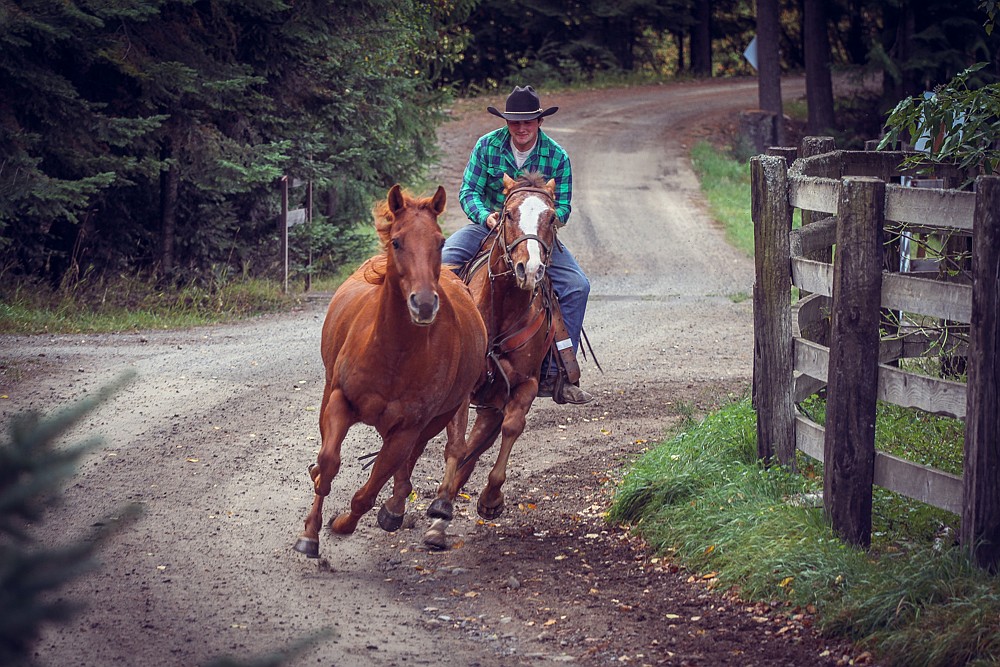
 
 
    Western Pleasure Guest Ranch is an example of how a conservation easement can allow a family to retain their land and continue using it. Western Pleasure Guest Ranch courtesy photo.