

Microgrids gain momentum as businesses seek energy security
No matter the industry, reliable electricity is an absolute necessity, which is why microgrids have been gaining impressive momentum. After all, businesses want greater control over their power supply, protection from outages, and more predictable energy costs.
The skyrocketing demand for dependable electricity is encouraging companies to invest in systems that can keep operations up and running even when the main grid experiences one or more disruptions. Even with the best infrastructure, power interruptions can halt production, interrupt customer service, damage equipment, and more.
The solution involves looking for smarter ways to generate, manage, and store electricity. The logical answer is microgrids because they come with everything from sustainability to far-sighted planning.
Why Exactly Are More Businesses Investing In Microgrids?
A microgrid is a cutting-edge, localized energy network. It can operate alongside a regular electrical grid or on its own whenever necessary. Businesses tap into microgrids to boost reliability while reducing their dependence on a single source of electricity that could go out at any time.
The following have all contributed to mounting concerns about grid reliability:
- Extreme weather
- Aging infrastructure
- Cyber threats
- Rising electricity demand
It's no exaggeration to say that every hour without power can become pricey. This is true of manufacturers, healthcare providers, data centers, and countless other organizations that depend on steady operations.
Modern business energy solutions solve many of these concerns by combining the following into a single, streamlined system:
- Power generation
- Battery storage
- Intelligent controls
Facilities can continue working during outages while using energy more efficiently during normal conditions.
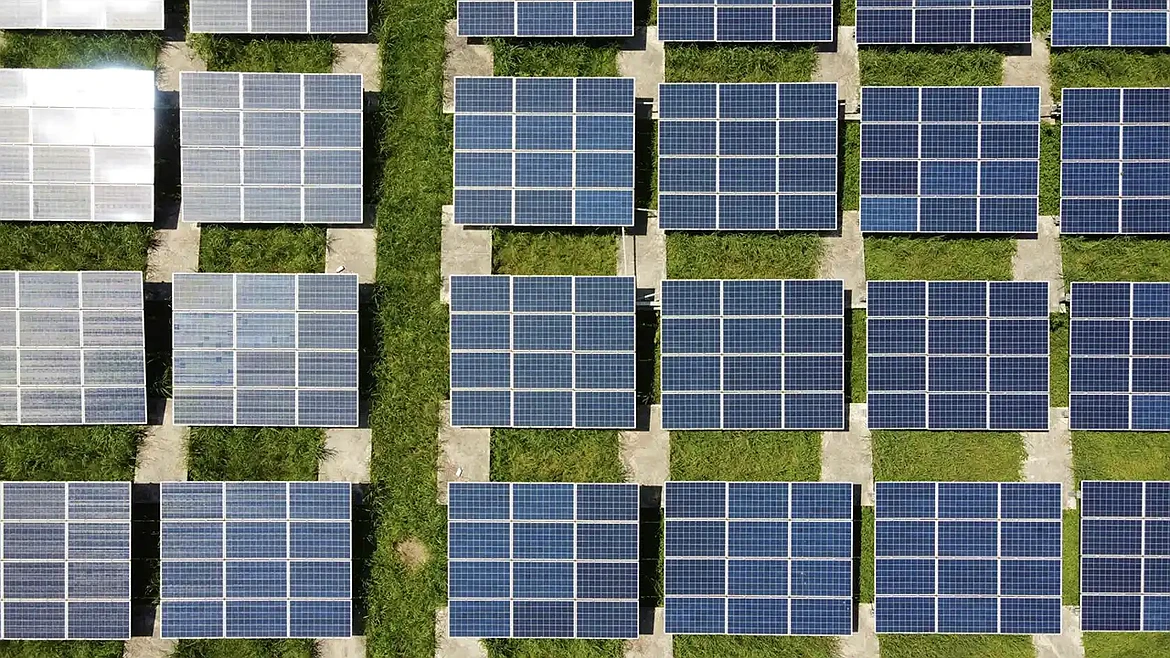
Plenty of organizations also incorporate renewable energy systems like solar panels or even wind turbines into their microgrids. Renewable generation works alongside batteries and backup generators for an even more balanced and dependable energy supply.
What Are the Biggest Benefits of Microgrids for Businesses?
There's no denying the amazing advantage of greater operational continuity that comes with a microgrid. Rather than being at the mercy of utility power, businesses can continue serving customers and protecting critical equipment even if it goes down.
There's also the amazing benefit of more easily managed energy costs. Smart controls can recognize when to use the following based on precise demand and pricing:
- Locally generated electricity
- Stored battery power
- Utility power
Fine-tuned management often leads to improved efficiency and lower operating expenses in the long run.
Another crucial benefit involves higher power quality. Sensitive equipment performs far better when voltage fluctuations and interruptions are minimized. Doing this also reduces maintenance costs and prolongs the life of the equipment.
Greater grid independence gives organizations extra flexibility. Facilities are less vulnerable to widespread blackouts because they can isolate themselves from the larger grid whenever conditions call for it. Even companies that remain connected to the utility benefit from having additional energy options at the ready.
Businesses interested in resilient distributed power often look to experienced technology providers for guidance. Resources available through innio.com prove how flexible generation technologies can support commercial and industrial facilities in need of dependable energy. At the same time, they can integrate cleaner power sources into long-term operational strategies.
Challenges Businesses Should Consider Before Adopting a Microgrid
Microgrids come with business-altering advantages, but detailed planning remains critical.
Upfront installation costs can be substantial, especially for larger facilities with complex energy requirements. Decision-makers should take the time to evaluate long-term savings rather than focusing only on initial expenses.
The following all influence system design:
- Facility location
- Available space
- Existing electrical infrastructure
- Day-to-day energy demand
A thorough energy assessment goes a long way toward pinpointing the perfect combination of generation, storage, and backup capacity.
Regulatory requirements also vary from location to location. Everything from permitting and utility agreements to environmental regulations may affect project timelines and design choices.
Don't forget about the responsibility of ongoing maintenance. The following require regular inspections and servicing to maintain pitch-perfect performance throughout their operating lives:
- Generators
- Batteries
- Control systems
Working with experienced engineering and technology partners ensures a rock-solid foundation. They can help businesses develop systems that match operational goals to a T while staying flexible enough to accommodate future expansion.
Frequently Asked Questions
Is a Commercial Microgrid Expensive?
The exact cost varies quite a bit. All of the following can affect the final price tag:
- Facility size
- Energy demand
- Power generation equipment
- Battery storage capacity
- System complexity
Smaller commercial projects may cost hundreds of thousands of dollars, for instance, while large industrial installations can require investments of several million dollars or more. When calculating return on investment, wise organizations should evaluate total lifecycle savings, avoided downtime, and operational benefits rather than just installation costs.
Are Renewable Energy Sources Enough To Power a Microgrid?
There's no denying that renewable resources tend to form a vital part of a microgrid. However, most commercial systems combine multiple technologies for a higher degree of reliability.
Solar panels, wind turbines, battery storage, and backup generators work in sync to maintain a stable power supply even when weather conditions aren't favorable for renewable energy production.
Which Industries Benefit the Most From Microgrids?
So many industries can thrive with microgrids, so it's difficult to pinpoint only a few. A handful include the following:
- Manufacturing facilities
- Hospitals
- Data centers
- Universities
- Logistics centers
- Airports
Government facilities, utilities, and critical infrastructure operators also gain a great amount of value from microgrids. Simply put, any organization where power interruptions can cause safety risks or sizable financial losses can benefit from improved reliability and energy resilience.
Microgrids Can Take Energy Usage To the Next Level
With microgrids, organizations can ensure that they can operate even if their main power source goes out. This kind of adaptability, among other benefits of energy innovation, makes it worth every penny.
From local and state news to national and global matters, you can always rely on our publication to keep you informed. Whether you're interested in business, real estate, entertainment, or all of the above and more, you'll be glad to know that we post frequently.
The most reliable way to get new content as soon as it's available is by subscribing.
This article was prepared by an independent contributor which helps us continue delivering quality content to our audiences.