

Medication guide searches rise as older adults seek safer prescription habits
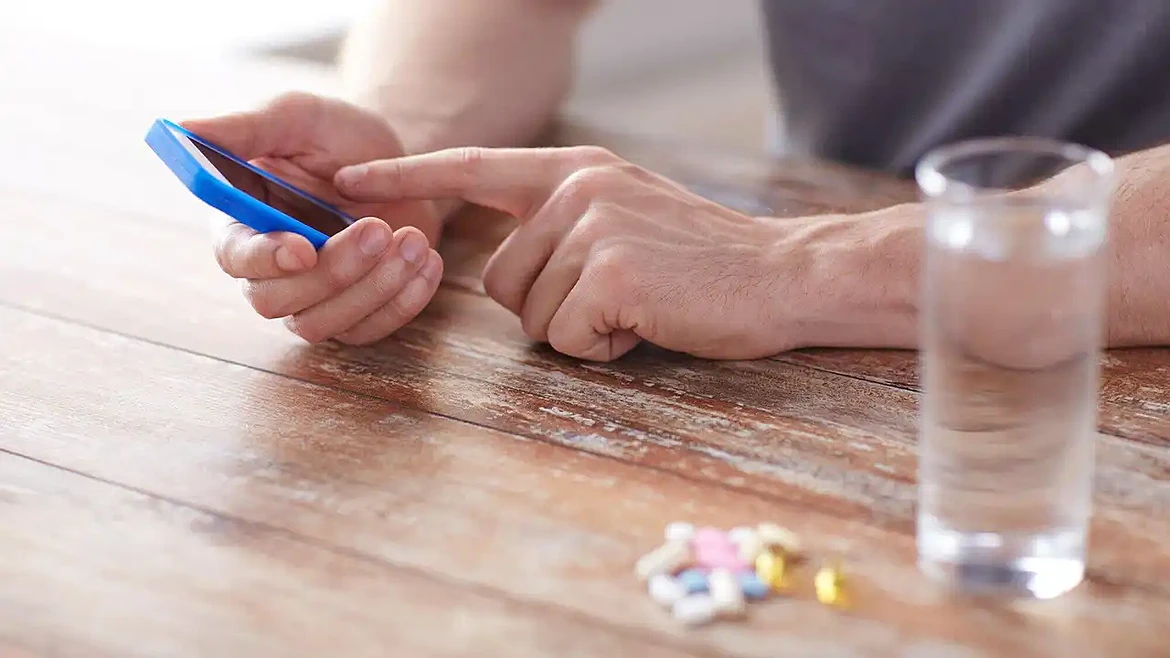
Learning how to safely use every single medication you take will help reduce the risk of making mistakes. It's easy to mix up doses when you're on several medications. Instead of throwing out a medication guide, keep it to understand what a drug is meant to do and the best times to take it.
According to KFF, 66% of adults are currently taking at least one prescription medication. You don't have to guess how you should use each medication as you work on improving your health. By reading a prescription drug label, you'll feel more informed and in control.
What Is a Medication Guide?
A document with all the details you need on how to use a drug safely. It just takes you a few minutes to read the information that comes with drugs when you buy them.
Pharmacists also provide printed copies when you pick up your prescription. A medication guide will have details on:
- What the medicine treats
- The food and drinks you should avoid when taking it
- All the side effects you may get
- Warning signs that you need medical attention.
A lot of medication is affected by heat and direct sunlight. Check the drug guide once you get home. It will help you store it the right way.
What Is RX or OTC?
RX is for prescribed drugs, and OTC abbreviates over-the-counter medicines. You don't have to see a healthcare provider when you need something like Tylenol.
You can just buy it at a grocery store or pharmacy in North Idaho. It's still important to be careful.
A lot of older adults are on prescription medicines to treat issues like:
- High blood pressure
- Diabetes
- Blood clots
- Heart disease
- Arthritis
The drugs meant to treat such issues need a prescription. They are usually stronger than what you would get OTC.
Answering Your Questions With a Medication Guide
Taking medication without having any details about it can be very dangerous. You might end up in the hospital because you overdosed or mixed it with something that you weren't supposed to use together.
Always ask yourself questions anytime you refill your prescription or start taking new drugs.
What Is My Medicine Supposed to Do?
A lot of people stop taking medication after just a few days because they have been feeling a bit better or aren't noticing improvements yet. You should know why a doctor asked you to take a specific drug.
If you threw out the guide you got, call your pharmacist for help. They can send you another copy.
Reaching out to your doctors is a good idea too. They'll explain to you how long the results may take to appear. You're more likely to be patient and follow your treatment plan once you get such details.
When and How Should I Take It?
Taking some medication with your food or on an empty stomach makes it easier for your body to absorb it. A medication guide will have such information, so don't ignore it.
Crushing medicine into food or drinks sometimes makes them easier to swallow. You shouldn't do such things without reading instructions first. Your medication will work better for you if you use it as you're supposed to.
Can I Save Money Without Giving Up Quality?
It might be hard to keep up with the cost of your treatments if you also need to be on a special diet to have them. Get prescription coupons to start saving money each time you go to the pharmacy.
You don't have to skip doses hoping the medication will still help you.
If you go for a generic option, read the guide to see if the medication still works as well as the other one does. You'll have peace of mind once you find ways to save without compromising on efficiency.
Skipping refills also leads to more costs later because you may end up being hospitalized or needing costly procedures. These are some options to consider:
- Insurance plan reviews
- Prescription medication discounts
- Manufacturer savings programs
For instance, taking Eliquis has been helping a lot of older adults who need blood thinners live a healthier life. When you start learning more about Eliquis cost, you'll be able to prepare financially before going for another refill.
Go to a pharmacy with great discounts instead of skipping doses. You can also use Eliquis coupons to save more money.
Frequently Asked Questions
Can I Take Vitamins and Prescription Medicine Together?
It depends on what they contain and how each one works. Before you start taking any supplement, check if it's okay to mix it with the medication you're on.
Your doctors might be able to recommend a safer alternative. Let them know about your supplements when you go for a checkup or treatment.
Why Is It Important to Read the Prescription Drug Label Every Time?
You might find new information the manufacturer added after doing more research. Companies sometimes change the formulation of their drugs so they can work better or to get rid of some side effects.
When you read the label each time, you might find new:
- Storage instructions
- Dosage guides
- Important warnings
You've probably memorized some instructions and know all the things you should avoid after taking the same medicine for many years. It's still important to read the guide for your safety.
Can a Family Member Read My Medication Guide?
Yes. It's a good idea to ensure whoever is looking after you or living with you also reads the guides on your medication. They might remind you when you forget about a dose.
Older adults sometimes don't notice side effects because they might think it's just a sign of aging. A family member who has read about potential side effects can help you go to a doctor if they see unusual changes.
Following Safer Prescription Practices
Taking the time to always read a medication guide will give you peace of mind, and you also learn how a drug is supposed to work. You can call your doctor in case you have questions, or you lost the guide.
Avoid taking supplements or other drugs with your medication if they don't work well together. Guides make it easy for you to avoid mistakes that put you at risk. Get more health and safety tips on our news page.
This article was prepared by an independent contributor which helps us continue delivering quality content to our audiences.