

Families are rethinking home safety as multigenerational living becomes more common
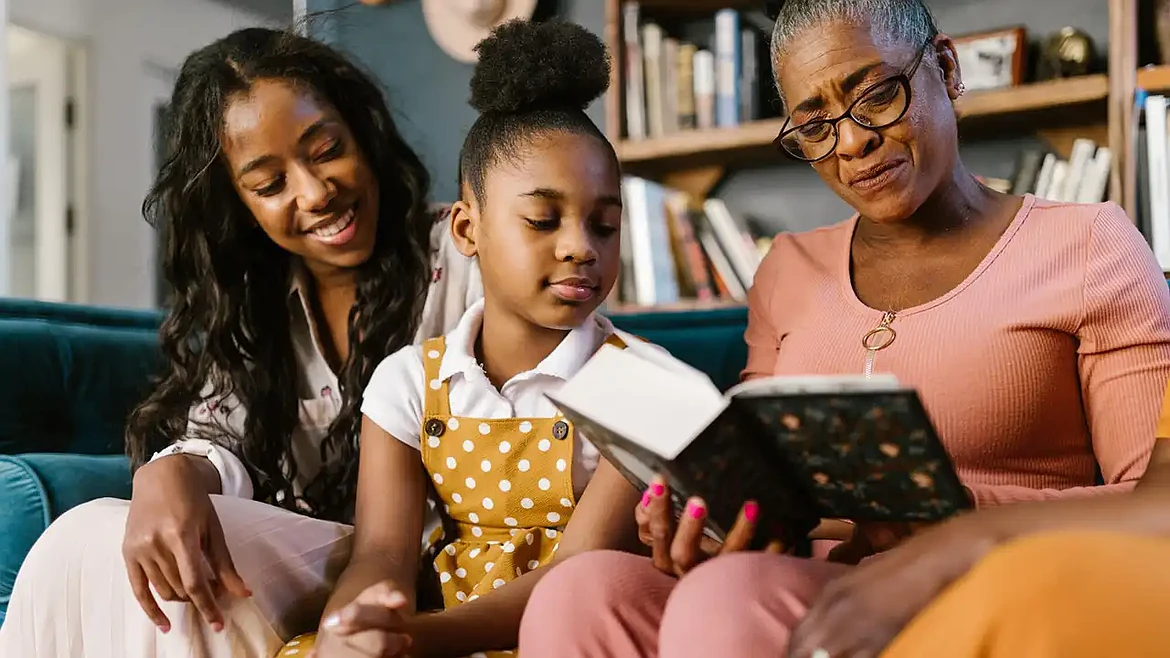
Safety in homes where families choose multigenerational living is crucial since older adults face a higher risk of falls and young children need protection from everyday hazards. Mobility limitations, chronic illnesses, and caregiving responsibilities also create new challenges that call for safer, more accessible living spaces. Home improvements can also help reduce accident risks, support aging in place, and prevent injuries that often lead to expensive medical care.
The National Association of Realtors found that multigenerational households accounted for a record 17% of home sales. As more generations share the same home, families are making safety a central part of home design.
What Defines a Multigenerational Household?
A multigenerational household is a home where two or more adult generations live together. Families often choose this arrangement to:
- Reduce housing and living costs
- Care for aging parents or relatives
- Help raise children
- Support family members during major life changes
What Are the Safety Hazards in the Home for the Elderly?
Falls are the biggest risk for older adults and can lead to broken bones, long recovery times, or a loss of independence. Simple obstacles such as loose rugs or poor lighting can increase the likelihood of falls. Other hazards to look out for in multigenerational homes include:
- Stairs without secure handrails
- Cluttered walkways
- Electrical cords across walking paths
- Hard-to-reach storage areas
Why Home Safety Matters More in Multigenerational Homes
A multigenerational home may include older parents, young children, family caregivers, and adults with different health or mobility needs, all sharing the same space. In a home like this, safety deserves extra attention for the following reasons.
Aging Increases Fall Risk
As people age, muscle strength, balance, vision, and reaction time naturally decline, making it easier to lose footing during everyday activities. Falls can happen anywhere in the home, but bathrooms present one of the highest risks because of wet, slippery surfaces. A trusted bathroom remodeling contractor can improve safety by installing:
- Grab bars near showers and toilets
- Walk-in showers with low thresholds
- Slip-resistant bathroom flooring
- Comfort-height toilets
- Built-in shower benches
Young Children Are Vulnerable to Household Injuries
Exploring every room through crawling, climbing, and touching is a normal part of early childhood, but it also increases the chance of injuries. Common hazards include stairs, electrical outlets, sharp corners, cleaning products, and unstable furniture. You can reduce these risks by:
- Installing safety gates on stairs
- Securing furniture and televisions to the walls
- Covering unused electrical outlets
- Locking away medicines and cleaning products
- Keeping small objects out of children's reach
Disabilities and Mobility Limitations Increase Accident Risks
Using a wheelchair, walker, cane, or other mobility aid can make everyday obstacles much harder to manage. Narrow doorways, steps, uneven flooring, and high thresholds often become barriers that increase the risk of trips in homes designed for multigenerational living. To make your home easier to move around in:
- Widen doorways
- Install ramps or step-free entrances
- Keep walkways clear of clutter
- Add handrails
Chronic Illnesses Require Safer Environments
Chronic illnesses make routine activities such as bathing, cooking, and climbing stairs more difficult and less safe. The right home modifications help people do these things safely in a shared household. Examples of conditions that require extra home safety measures include:
- Arthritis
- Parkinson's disease
- Stroke recovery
- Dementia
- Low vision
More Caregiving Happens at Home
Daily caregiving involves lifting, bathing, transfers between a bed and chair, and managing medication. Designing a shared space that supports these routines helps reduce physical strain and lowers the risk of injuries. Consider adding the following feature to your home to make caregiving safer:
- Adjustable beds
- Walk-in showers
- Bedside lighting
- Medication storage stations
- Handheld shower heads
- Transfer poles
More People Sharing One Home Increases Accident Risk
More people living under one roof means more movement through the same hallways, staircases, kitchens, and shared spaces. Clutter in these busy common areas increases the chance of accidents during everyday routines. Keeping frequently used areas organized and free from obstacles is one of the simplest ways to create a safe home for everyone.
Families Want Older Relatives to Age in Place
Many families would rather help older relatives stay in a familiar home than move into assisted living. Making that possible means creating a safer environment that supports changing mobility and everyday routines. To support aging in place, a well-designed floor plan layout should include:
- A bedroom and bathroom on the ground floor
- Short, direct paths between key rooms
- Plenty of room to move between furniture
Preventing Injuries Is Cheaper Than Treating Them
Recovering from a serious injury involves hospital bills, rehabilitation, home care, and time away from work. Investing in home safety improvements before an accident happens helps you avoid many of these costs while protecting the people you love.
Frequently Asked Questions
Who Performs a Home Safety Evaluation?
Several professionals can perform a home safety evaluation depending on your family's needs. Common options include:
- Occupational therapists who assess home safety and daily living needs
- Aging-in-place specialists who recommend long-term accessibility improvements
- Accessibility consultants who identify mobility barriers
- Licensed contractors who install home safety modifications
What Happens During a Home Assessment?
A home assessment identifies areas that could increase the risk of falls, injuries, or make everyday tasks harder. The goal is to find practical improvements that make the home safer and easier to use for everyone living there. Recommendations are tailored to the household's layout and the needs of the people who use it.
How Do You Build a Multigenerational Home?
A home that works for every generation balances accessibility, privacy, and shared living. When building a multigenerational home, include features such as:
- Private bedrooms
- Separate living areas for quiet time
- Plenty of storage for shared belongings
- Good sound insulation between bedrooms
- More than one full bathroom
Creating Safer Homes for Multigenerational Living
Creating a home that supports multigenerational living means planning for the different needs of every family member. The right home improvements help reduce everyday risks while making the home easier for everyone to use.
Did you find this guide helpful? If so, explore this site for more practical tips on creating a safer, more comfortable home for every stage of life.
This article was prepared by an independent contributor which helps us continue delivering quality content to our audiences.