
Speaker: It takes businesses, nonprofits to build a city
Daron Babcock
Median household income rose from $19,000 to $40,000. Home values increased 128%. Graduation rates climbed from 54% to 77%. Teen pregnancy dropped from 26% to 12.3%. Property crime, violent crime and murder dropped 61% in aggregate.
That is not theory. That is real transformation.
So what did it take?
Not another slogan. Not another committee. Not another disconnected program. It took people getting close to the problem, telling the truth, taking risk, building practical solutions, measuring what worked and having the guts to stop doing what did not.
One of the men who helped inspire that kind of transformation is coming to Coeur d’Alene this Friday.
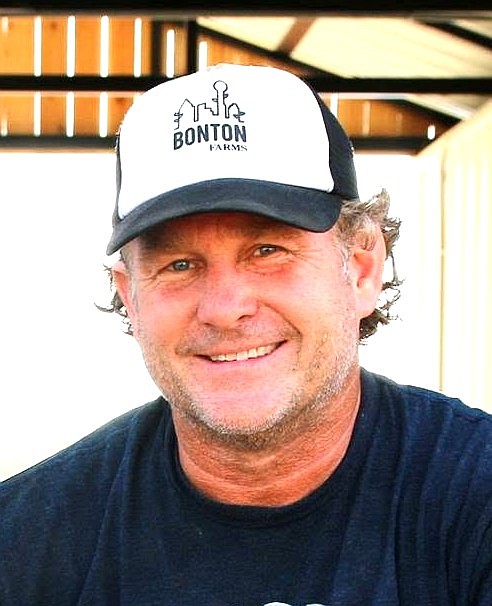
Daron Babcock, founder of Bonton Farms and managing director of Community Transformation at Stand Together Foundation, will lead “What Good Looks Like: A Build Cities Workshop with Daron Babcock” at 418 E Lakeside Ave.
That matters.
Daron is not just a guy with a nice story. He now serves inside one of the most significant philanthropic networks in the country. Stand Together was founded by Charles Koch and helps changemakers tackle root causes of major problems, from education and work to poverty, broken communities and social division. Charles Koch has donated an estimated $1.8 billion to nonprofit causes over his lifetime, and the broader Stand Together network represents a major national force in philanthropy, systems change and bottom-up problem solving.
Daron has done the work on the ground. Now he helps communities across the country learn the playbook.
His message is simple: cities change when good business and good nonprofit work finally get in the same room and start building together.
Business brings discipline, sustainability, jobs, market demand, accountability and creative financing. Nonprofits bring trust, mission, proximity and a deep understanding of people who are too often overlooked.
When those two worlds work together, charity can become capacity. Compassion can become ownership. Good intentions can become measurable outcomes.
Before the transformation, the neighborhood Daron served faced deep poverty, poor health, crime, incarceration, food deserts, transportation barriers and limited access to banking and basic opportunity.
But Daron did not see a community without value.
“What I saw was trapped potential,” he said.
Daron argues that durable change starts with proximity.
“Proximity is the thing that unlocks the will, that unlocks the strategy, that unlocks the resources that lead to durable change,” he said.
At first, residents said they needed jobs. But then the real issues showed up. Many people were too sick to work. Others lacked transportation, fresh food, health care, banking, safe housing or the confidence to explain their value to an employer.
What looked like a jobs problem was actually a systems problem.
“If you do not have your health, it is impossible to be a contributor,” Daron said.
So, the work became practical.
Create jobs. Build local businesses. Bring people into the neighborhood. Keep dollars circulating. Create health access. Solve transportation barriers. Help people become bankable. Use creative financing. Build the conditions where people can actually flourish.
That is the work.
Real city transformation requires builders. It requires people willing to run experiments, learn best practices, make hard decisions and accept that not every idea will work.
“We have been trying to heal communities without building a healthy foundation first,” Daron said.
“What Good Looks Like: A Build Cities Workshop with Daron Babcock” takes place Friday at 418 E. Lakeside Ave. in Coeur d’Alene.
Session 1 runs from 11 a.m. to noon. Session 2 runs from 4:30 to 6 p.m., with a community dinner after.
Register: luma.com/build-csci