

How reclaimed bricks support more sustainable construction
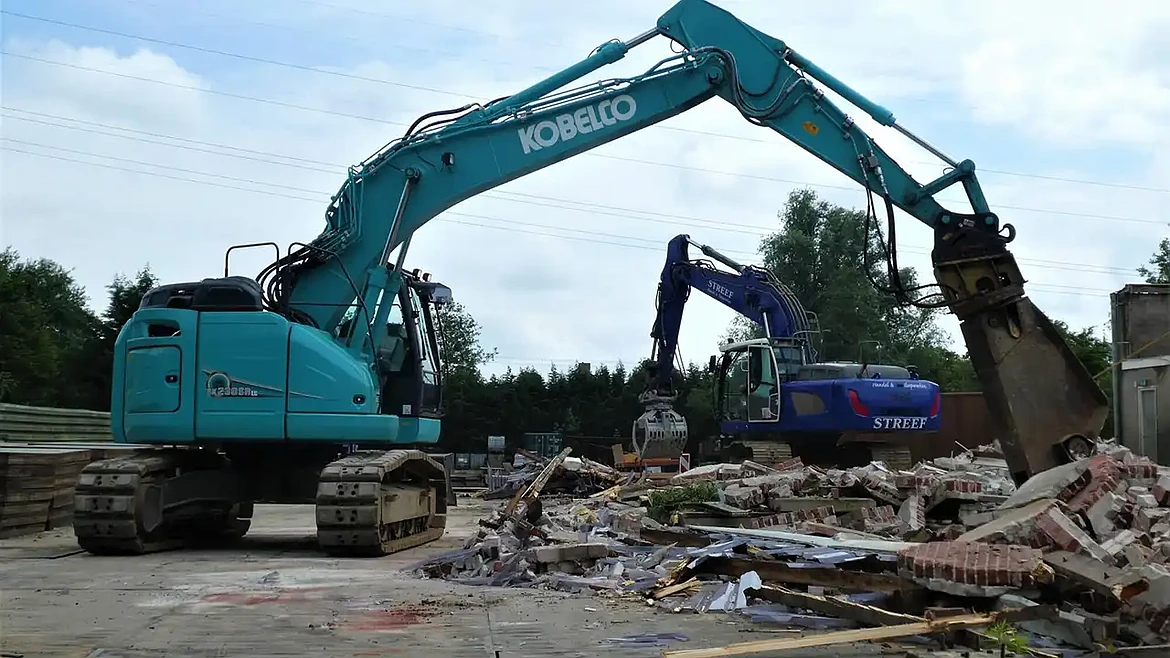
Reclaimed bricks support more sustainable construction by reducing landfill waste, lowering demand for new raw materials, and giving existing building materials a second life. They also add lasting character and durability to residential, commercial, and restoration projects while helping builders reduce the environmental impact of construction.
A warehouse scheduled for demolition could easily become another pile of construction waste. Instead, its carefully recovered bricks are cleaned, sorted, and reused in a new home or commercial development, preserving valuable materials that might otherwise be lost. As interest in sustainable building continues to grow, reclaimed bricks are becoming a practical choice for people looking to combine environmental responsibility with timeless design.
Reduce Construction Waste With Reclaimed Building Materials
Environmentally friendly construction and demolition projects generate large amounts of waste, but many building materials still have years of useful life remaining. Reclaimed bricks, timber, stone, and other salvaged materials can be recovered, cleaned, and reused instead of being sent to landfills. This approach conserves valuable resources while reducing the environmental impact of new construction.
Choosing reclaimed materials also supports a more circular approach to building. Rather than relying solely on newly manufactured products, builders can incorporate materials and sustainable building practices that have already proven their durability.
Suppliers like Chief Bricks help make this possible by offering reclaimed bricks that combine sustainability with lasting quality. Reclaimed building materials reduce waste while adding distinctive character that newly manufactured products often cannot replicate.
Lower Demand for New Manufacturing
Every reclaimed brick used in a construction project is one less brick that needs to be manufactured from raw materials. Producing new bricks requires extracting clay or shale, transporting those materials, and firing them in high-temperature kilns.
Those all consume energy and generate emissions. Reusing existing bricks helps reduce demand for these resource-intensive processes while making better use of materials already in circulation.
Lower demand for new manufacturing also helps conserve natural resources for future generations.
Keep Your Home Durable
Sustainability is not only about reducing environmental impact. It also means choosing materials that stand the test of time. Reclaimed bricks have already demonstrated their strength by lasting through decades of changing weather and everyday use.
When properly installed and maintained, reclaimed bricks can continue performing for generations. Their durability makes them well-suited for:
- Exterior walls
- Patios
- Garden features
- Fireplaces
- Walkways
Choosing long-lasting materials also reduces the need for frequent repairs or replacements, helping homeowners save resources while creating a home built to last.
Eco-Friendly Building Materials: Boost Curb Appeal
Choosing environmentally responsible materials can make a property more appealing to buyers who value:
- Quality
- Sustainability
- Distinctive design
Reclaimed bricks offer a sense of craftsmanship and history that helps a home stand out in competitive real estate markets. Their timeless appearance complements renovations without following short-lived design trends.
Reclaimed brick features also require relatively little maintenance compared to many other exterior finishes. Their long lifespan and classic look can help preserve a property's appearance for years, making them a practical investment for homeowners planning to stay in their home or improve its market appeal before selling.
Make Your Home Design More Creative
Reclaimed bricks give homeowners the freedom to create features that feel unique and personal. Since no two reclaimed bricks are exactly alike, each project develops its own character through subtle variations. This natural diversity allows designers to create spaces with warmth and visual interest that manufactured materials often cannot match.
These bricks can be incorporated into both large and small design projects throughout the home. Homeowners often use reclaimed bricks to:
- Frame doorways
- Create statement fireplaces
- Build kitchen backsplashes
- Define outdoor seating areas
- Add decorative garden walls
Mixing reclaimed brick with materials such as wood, steel, glass, or concrete also creates striking contrasts that suit both rustic and contemporary homes without sacrificing timeless appeal.
Frequently Asked Questions
Are Reclaimed Bricks Frost-Resistant?
Many reclaimed bricks are frost-resistant, particularly those originally manufactured for exterior use in cold climates. Their ability to withstand repeated freeze-thaw cycles depends on factors such as:
- The original manufacturing process
- Brick density
- Overall condition
- The quality of installation and mortar
- Exposure to local climate conditions
Bricks that have remained intact after years of outdoor exposure have often already demonstrated good resistance to frost.
Before using reclaimed bricks, it is important to have them inspected for:
- Cracks
- Chips
- Signs of deterioration
Can Reclaimed Bricks Be Reused Multiple Times?
Reclaimed bricks are often used multiple times if they remain structurally sound and are removed carefully. Brick is an exceptionally durable building material, and many reclaimed bricks are decades old before being added to new construction or renovation projects.
Before reuse, bricks are typically inspected for cracks, excessive wear, or other damage that could affect performance. Bricks that pass inspection can be cleaned and reused for applications such as:
- Walls
- Patios
- Walkways
- Fireplaces
- Landscaping features
Are Reclaimed Bricks Available Year-Round?
Reclaimed bricks are generally available year-round, although inventory can vary depending on:
- Demolition projects
- Salvage operations
- Regional demand
- Seasonal construction activity
- Availability of historic buildings for reclamation
Common reclaimed bricks are usually easier to find, while bricks with specific colors, sizes, or historic characteristics may have more limited availability.
If your project requires a large quantity or matching bricks for a restoration, it is often best to source materials early. Working with a reputable reclaimed brick supplier can improve the chances of finding consistent materials and securing enough bricks before construction begins.
What Factors Influence the Price of Reclaimed Bricks?
The price of reclaimed bricks depends on several factors, including:
- Age
- Condition
- Rarity
- The extent of preparation required before reuse
Bricks recovered from historic buildings or those with distinctive manufacturing styles often command higher prices.
Availability also affects cost. Bricks salvaged from local demolition projects may be less expensive than those transported over long distances. Additional services can also increase the final price. These might include:
- Cleaning old mortar
- Sorting bricks by size
- Matching bricks for restoration work
- Separating interior and exterior-grade bricks
- Palletizing materials for safe storage and transport
Invest in Reclaimed Bricks For Sustainable Construction Today
Reclaimed bricks can be transformative for sustainable construction, along with reducing environmental impact. Make sure you know what you want out of your design, and you'll have your dream home in no time.
Do you need more home redesign advice? Explore some of our other posts.
This article was prepared by an independent contributor which helps us continue delivering quality content to our audiences.