

Wildfire risk grows where homeowners let cheatgrass take the ground
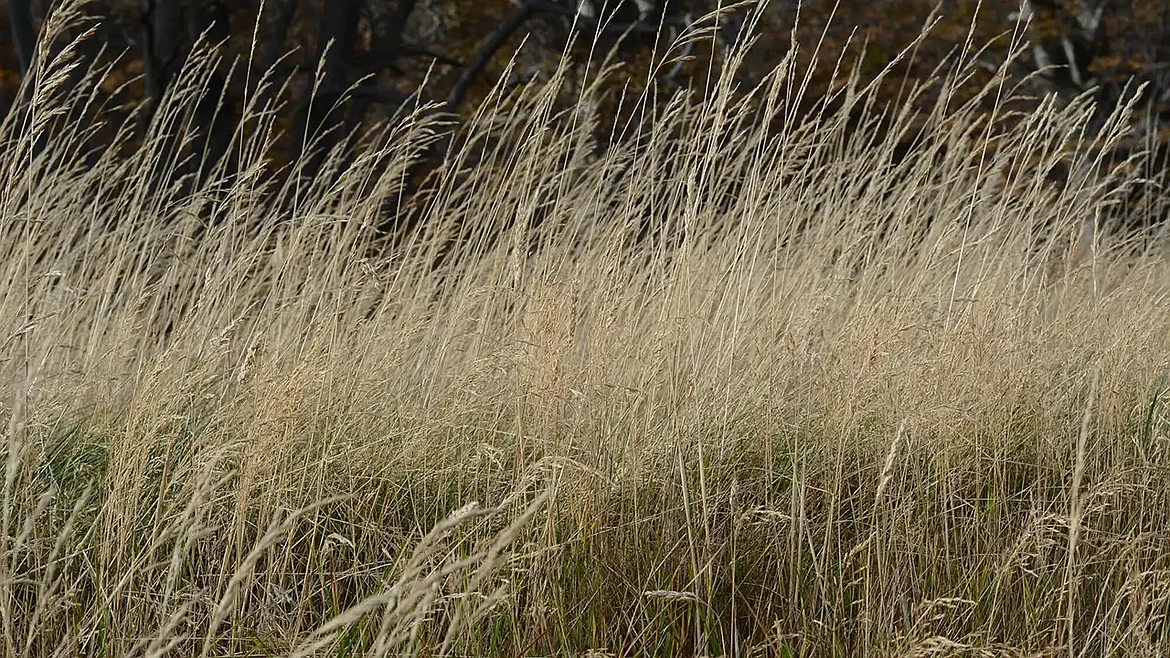
Anyone living in a rural Western area faces increased wildfire risk due to the presence of cheatgrass, an invasive species that creates a blanket of combustible fuel. It dries faster than surrounding plants and has strong seeds that survive fires, but homeowners can create defense zones by clearing it out. Further protect yourself with proper weed control, native planting, and the strategic use of some animals.
The National Wildlife Federation states that invasive species are the main risk for 42% of threatened or endangered species. These invasives also affect human health, particularly by increasing wildfire risk, which exposes people to smoke and toxic fumes, injuries, and fatalities. As summer is in swing, wildfire season is on, meaning now is the time to clear out potential fuel that puts your home in danger.
Why Is Cheatgrass Such a Wildfire Risk?
Like all invasives, cheatgrass is a surrounding threat to native vegetation, but not just because of overgrowth that chokes them out by depleting soil nutrients. It enhances the grass fire cycle by drying out faster than other grasses, producing a dense dry blanket of combustible material early in fire season.
Its dense concentration of up to 10,000 plants per square yard makes it even easier for a fire to spread over far distances. The dried-out plant can ignite as easily as tissue paper and acts as ladder fuel for larger and hotter-burning native vegetation or nearby structures, from sagebrush to a house. According to the University of Nevada, cheatgrass can produce flames higher than 8 feet and capable of traveling 4.5 mph.
As a fire rushes through these areas, it's killing off native ecosystems, but the cheatgrass will return for more. That's because it's already reestablished in disturbed soil, as its seeds can survive and regrow again.
How Can Homeowners Practice Rural Property Fire Prevention?
Look out for a plant characterized by a nodding seed head resembling a shepherd's crook with a red or purple tinge in its hairy, bright green leaves. It can grow up to 18 inches tall and turn to straw-color as it dries out.
Create a defensible space from cheatgrass wildfire by clearing the plant within the immediate 5-foot zone from the home. Between 5 to 30 feet, keep strict control by mowing it 4 inches or less. Reduce potential ladder fuels nearby, such as low tree branches.
Hand control can work for small patches as new plants pop up. If you have an infestation, it's best to call your local Weed Control experts in Arizona. A strategic use of herbicides that have cheatgrass on their label and targeted grazing in early spring before seeds form is a solid plan.
Once you clear out cheatgrass, don't leave the area bare, as it can make it easier for it to sprout again. Therefore, find a replacement native plant that can take over the area. Homeowners can check their U.S. Hardiness Zone Map to find the ideal native plants in their area. Some options include the deeply rooted Bluebunch Wheatgrass and Bottlebrush Squirreltail.
What Other Invasive Species Add to This Problem?
The Department of the Interior's Bureau of Land Management cites Medusahead and Ventenata as a problem. Medusahead is very flammable and forms a dense litter layer that decreases native plant germination. Its barbed awns can quickly hitchhike on people walking around on it.
Ventenata promotes frequent and large wildfires and invades non-forested areas and well-managed grass-hay systems. According to Science, researchers found that scablands in Oregon overtaken by this invasive now have excessive grass fuel loads 50 times greater than in areas free of the species.
How Are Municipalities Using Alternative Invasive Grass Control?
It turns out that goats may really be the G.O.A.T when it comes to natural means of invasive vegetation removal. They can quickly consume tough, invasive vegetation that other animals avoid, from thistles to blackberry bushes.
Once they poop it out in their manure, there's no worry about the continual spread of seeds, as their digestive systems are highly acidic and destroy that capability. Their grazing habits starve the root system and ultimately kill the plant by continuously munching on leaves and stems of weeds.
Frequently Asked Questions
What Happens if a Dog Eats Cheatgrass?
While the plant isn't chemically toxic, it can prove dangerous internally. If your dog eats cheatgrass, it may cause severe throat irritation and embed in their mouth and digestive system. If your dog inhales the seeds, they can get into the lungs or migrate to the abdomen or heart, which may require emergency surgery.
If your pup is in an area with this invasive, watch out for signs of problems, which may include:
- Persistent hacking or coughing
- Repeated pawing near their mouth or face
- Sneezing
- Stretching out their neck to breathe
- Difficulty swallowing
- Excessive drooling
What Eats Cheatgrass?
There are several types of livestock that can naturally remove this invasive. In addition to goats, use cattle and sheep, who will eagerly eat it up. Other wildlife, like rodents and mule deer, also consume it when it's young, green, and high in protein.
However, once it matures and produces dry seed, it can become unpalatable as it can puncture an animal's mouth and throat.
Are Foxtail and Cheatgrass the Same?
They're not the same plant, but both are invasive, non-native grasses that are dangerous fire and pet hazards. You can identify cheatgrass as it forms an open branching panicle that drips or strongly curves. The foxtail has seed heads that are fuzzy and compact, densely growing in a single thick spike.
Clear a Perimeter to Cheat an Invasive Fuel
Homeowners should understand how wildfire risk has increased with global warming and non-native species that can create a dense, dried thicket of fuel as the planet gets hotter.
Protect your space by clearing out cheatgrass and other invasives by using a combination of herbicides, hand pulling, and animal grazing. Further protect and enhance aesthetics with native grasses capable of forming deep roots and outmatching this overwhelming, curving grass.
Keep yourself and your home cool and safe this summer. Check out the website for more home improvement and environmental updates.
This article was prepared by an independent contributor which helps us continue delivering quality content to our audiences.