

House committee advances resolution condemning political violence
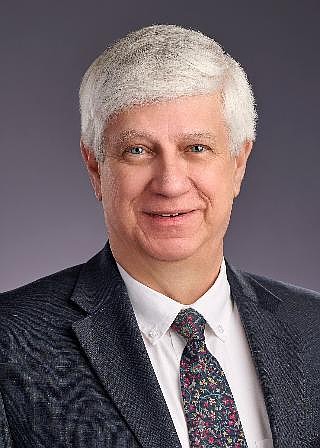
Alfieri
BOISE — The Idaho House State Affairs Committee voted to introduce a resolution Tuesday condemning political violence against state and public servants.
Rep. Monica Church, D-Boise, cited last year’s killing of conservative political commentator Charlie Kirk, the killing of Minnesota lawmaker Melissa Hortman and her husband, Mark Hortman, and the ambush of Coeur d’Alene firefighters in July as being among the recent acts of violence that inspired the resolution.
Rep. Joe Alfieri, R-Coeur d’Alene, moved to introduce the resolution for the House’s consideration, which was read for the first time on the House floor Tuesday.
“If this country is to survive, if this state is to survive, as a republic we must do this type of thing," Alfieri said. "We must not have political violence.”
Resolutions generally express the Legislature's sentiment on a matter, whereas bills propose changes to state law.
The resolution includes a formal condemnation of these crimes, commends the first responders who acted to find those responsible and urges “swift legal justice for all involved.” The resolution further encourages Idahoans of all backgrounds to come stand against political violence and recommit themselves to supporting “political discourse without fear of violence or retribution.”
During her introduction of the resolution, Church said her own experience had partly inspired her in the past year, after Idaho State Police reached out to discuss her security near the close of last year.
Church, who is the granddaughter of former U.S. Sen. Frank Church and former Idaho Gov. Cecil Andrus, spoke about how she perceived the political climate has changed since she got her start in the Capitol building at age 12 as a file clerk for the governor’s secretary.
She recalled how Andrus would drive her around Boise, waving to passersby in a car that clearly marked him as the sitting state governor and how he vetoed a bill seeking to criminalize doctors for performing abortions, “a veto he believed was right, despite his beliefs.” At the time of the veto, Church said her family didn’t need to “go into lockdown." Instead, through commitment to talking and listening, Andrus got reelected the following year, she said.
To shift from this climate of openness to one where she felt unsure of her own safety at the statehouse was “unconscionable” and a change that needed to be reversed through a commitment to an “unabridged political speech right.”