

HUCKLEBERRIES: Justice triumphing over hatred
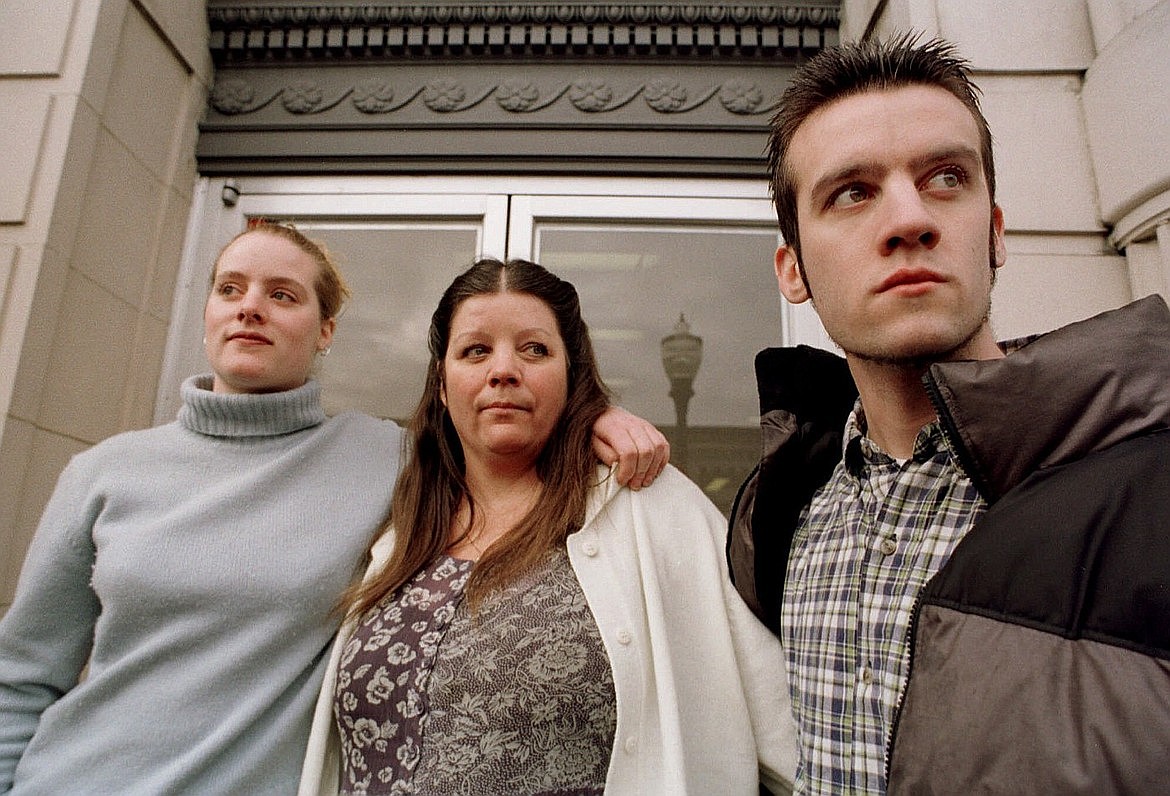
Victoria Keenan, center, is shown with daughter Sarah and son Jason at the federal courthouse in Coeur d’Alene in 2001.
Photo courtesy of the Coeur d'Alene Press archives
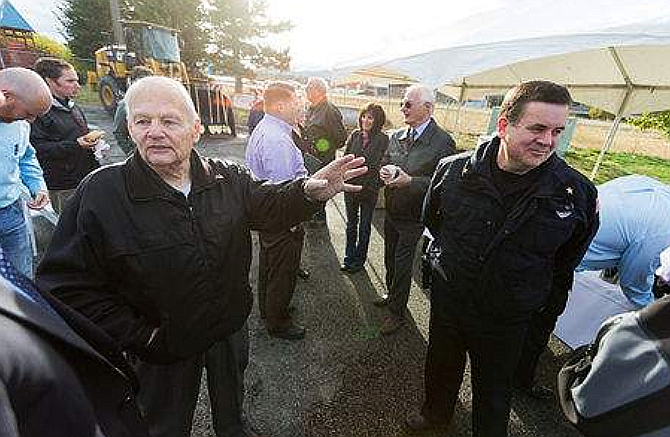
Former Post Falls Mayor Clay Larkin, left, and Police Chief Scot Haug are shown at a 2014 ground-breaking for the Greensferry Road overpass.
Photo courtesy of the Coeur d'Alene Press archives
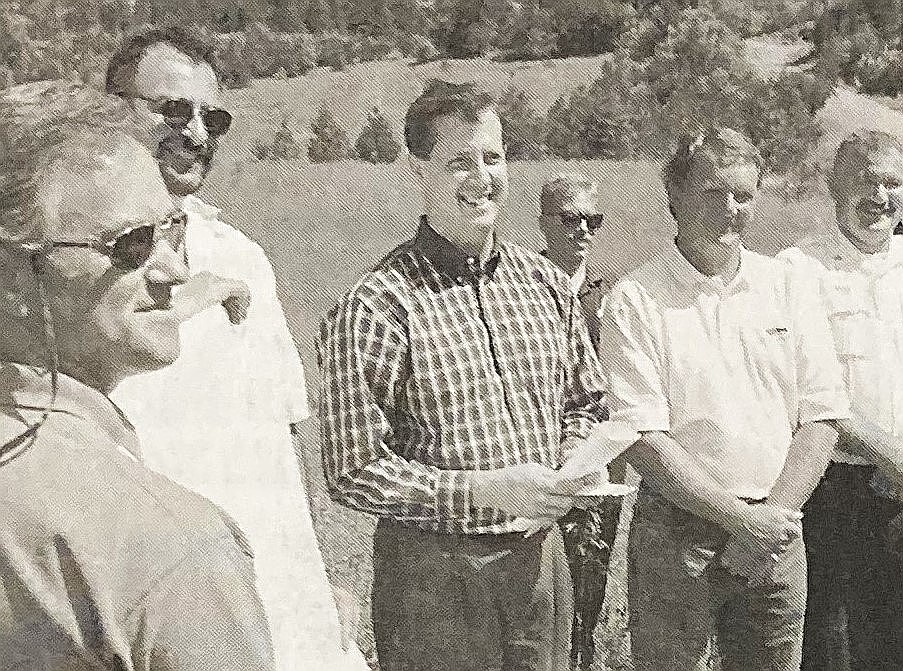
Mayor Steve Judy, center, announces the purchase of 33 acres of Cherry Hill in 1999. Others with him are, from left: Councilman Chris Copstead, Councilman Dave Walker, Judy, fireman Lee Holbrook, Realtor Pat Acuff and Fire Chief Rick Lasky.
Photo courtesy of the Coeur d'Alene Press archives
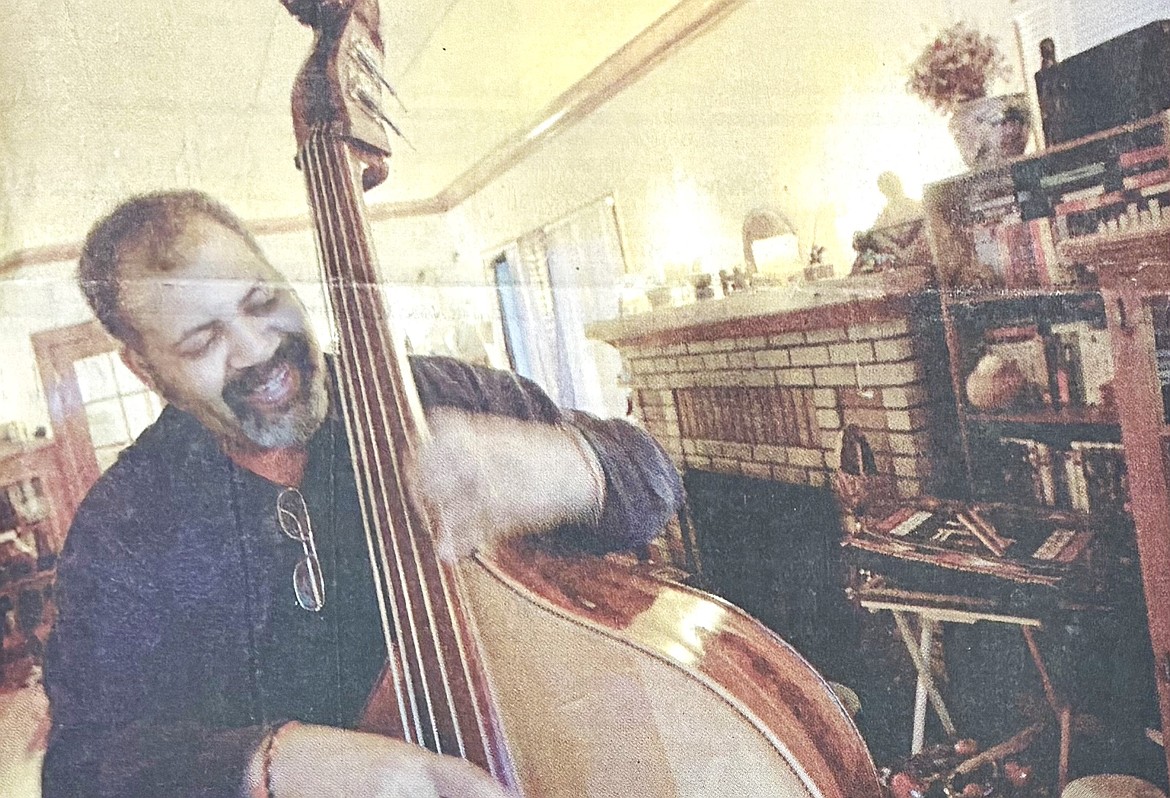
Tom Rutley plays his custom-built, upright bass at his Coeur d’Alene home in 2001.
Photo courtesy of the Coeur d'Alene Press archives
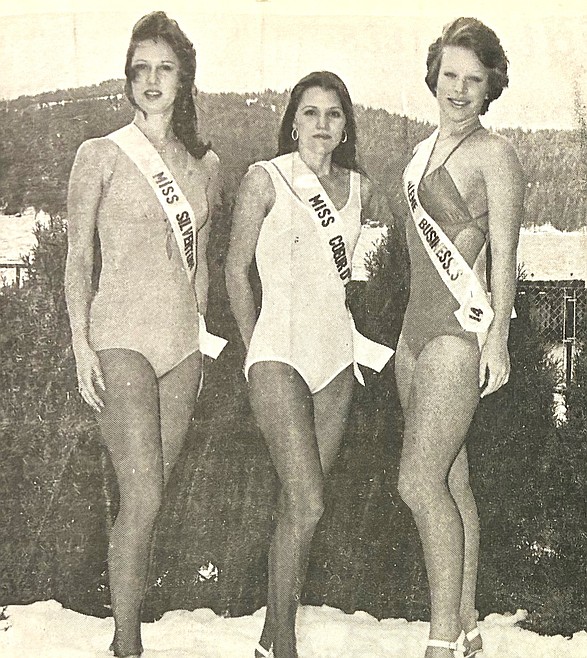
On a snowy day in January 1976, local Miss Idaho Universe Pageant contestants, from left, Cindy McKim, Susan Price and Rickie Jasper pose.
Photo courtesy of the Coeur d'Alene Press archives
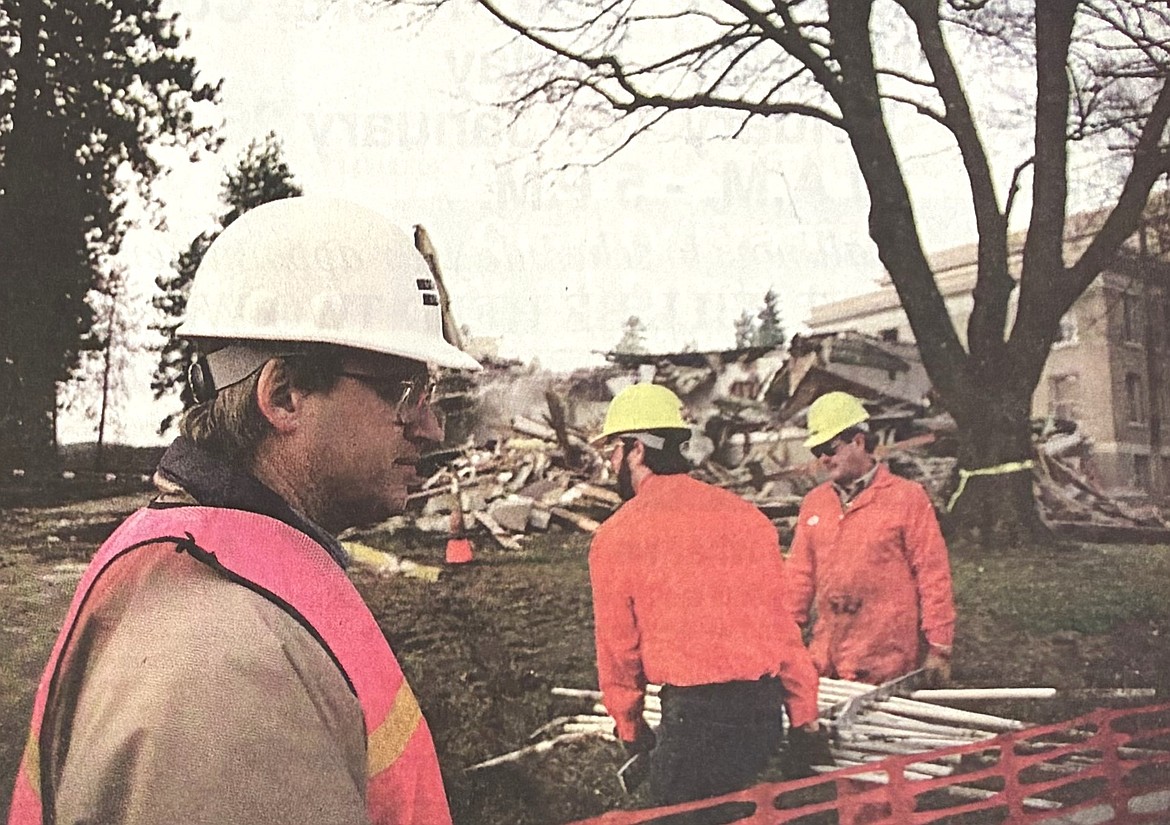
Director Steve Wulf of the county solid waste department supervises the demolition of the old jail in 1996.
Photo courtesy of the Coeur d'Alene Press archives
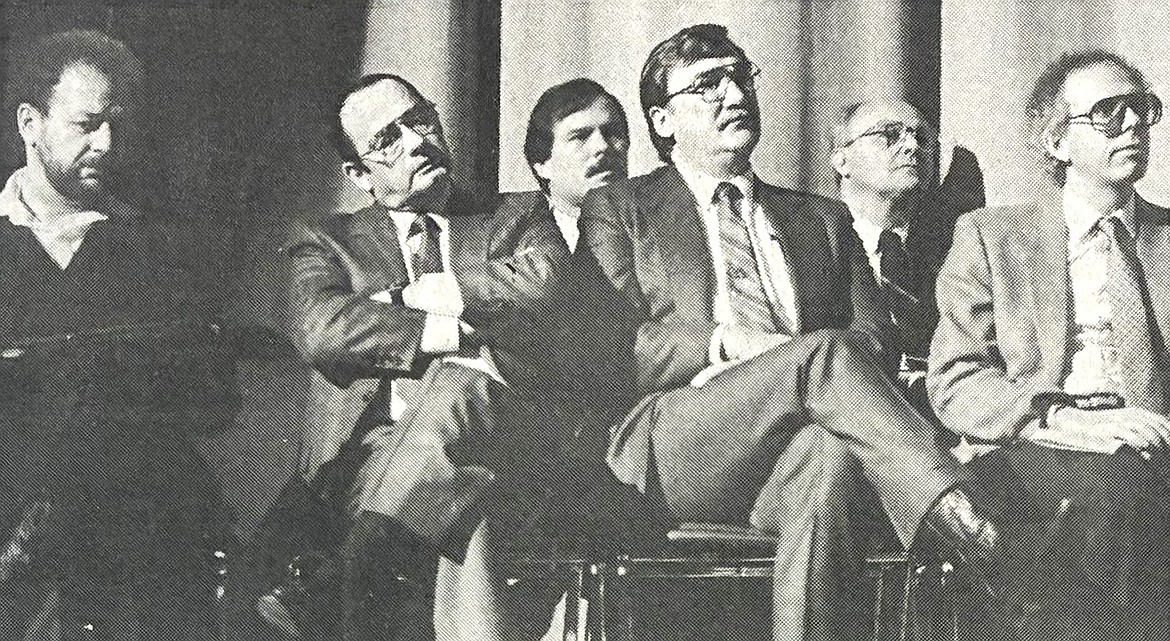
Human-rights leader Bill Wassmuth, far left, was the keynote speaker at the Coeur d’Alene observance of the first federal holiday honoring Martin Luther King Jr. on Jan. 20, 1986. Other speakers were, from left, Mayor Ray Stone, Rev. Richard Hermstad, Commissioner Glenn Jackson, President Barry Schuler of North Idaho College and NIC instructor Tony Stewart.
Photo courtesy of the Coeur d'Alene Press archives
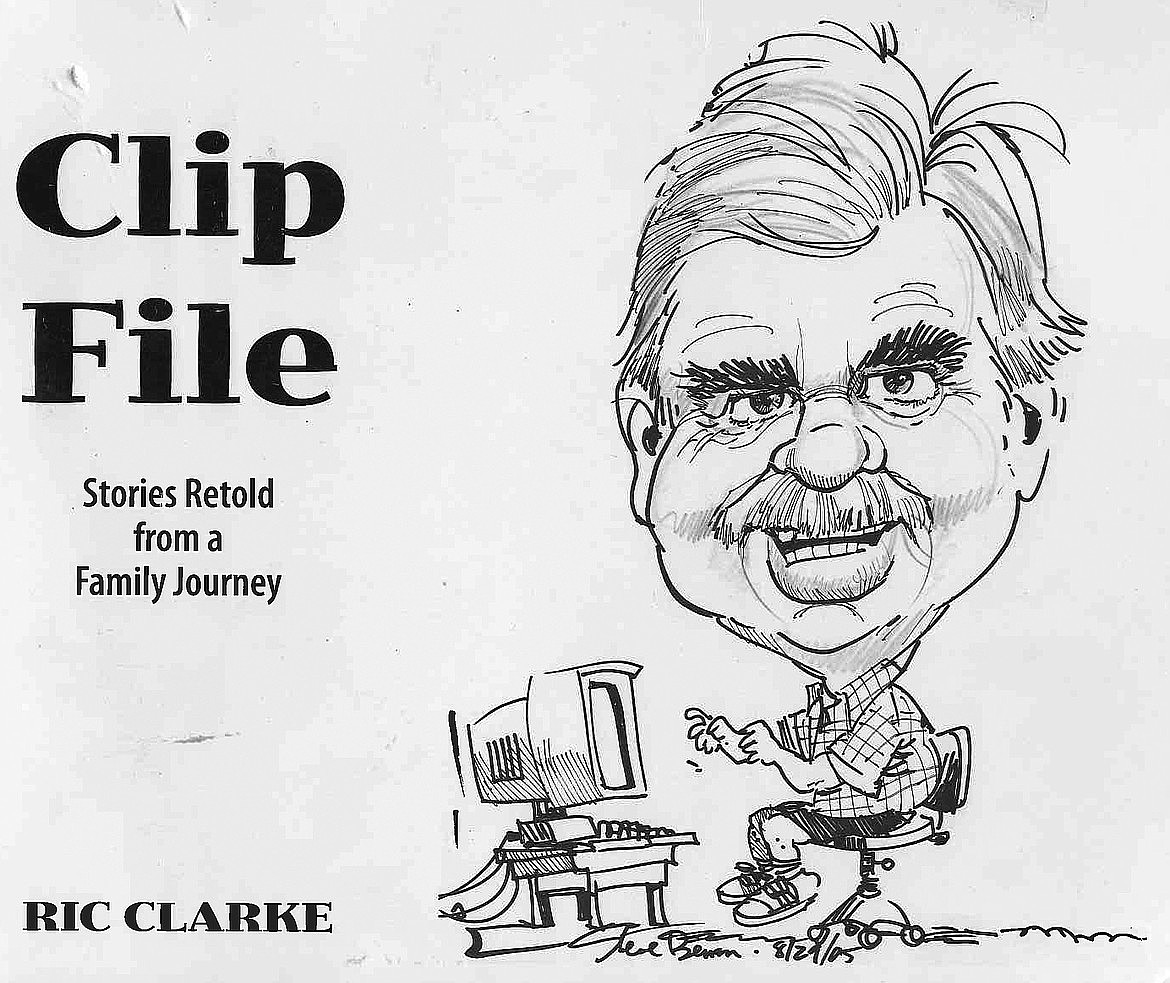
The cover caricature for Ric Clarke’s book, “Clip File,” was drawn by Steve Benson, a Pulitzer Prize-winning political cartoonist.
Photo courtesy of the Coeur d'Alene Press archives
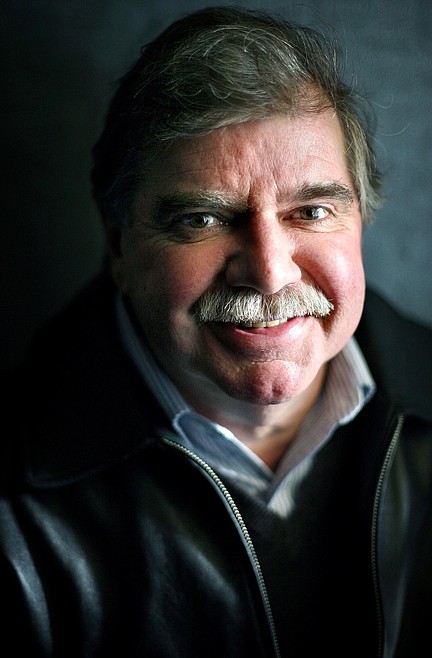
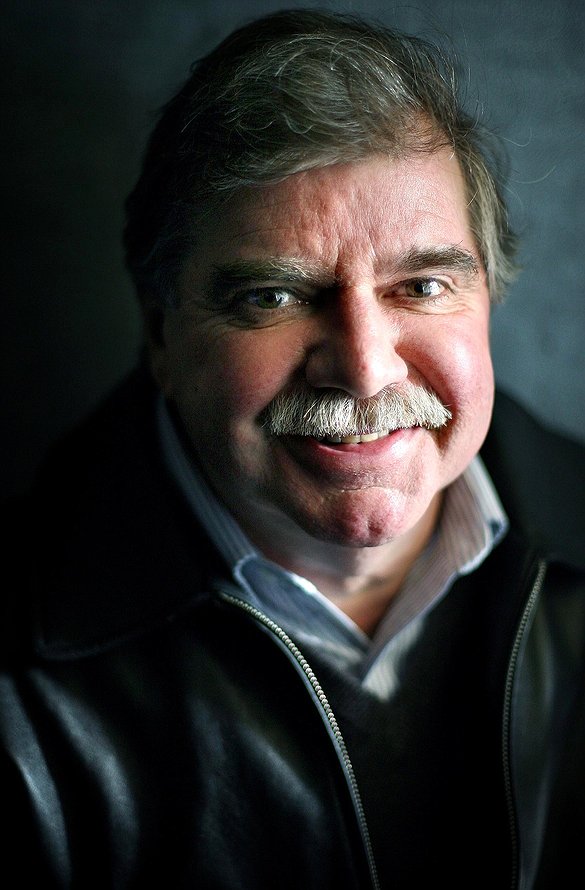
Ric Clarke
The beginning of the end for the Aryan Nations began with a backfire from a 1977 Datsun.
Paranoid security guards at Richard Butler’s compound along Rimrock Road thought the sound was a gunshot and gave chase.
Ultimately, after firing several bullets from an assault rifle into the fleeing car, the racists ran driver Victoria Keenan and her son, Jason, into a ditch.
Then, they threatened to kill them.
The chase July 1, 1998, led to the successful criminal prosecution of the trigger-happy assailants. And, on Sept. 7, 2000, it led to a $6.3 million civil verdict that bankrupted Butler and the Aryan Nations.
The judgment forced the defiant Butler off his 20-acre compound.
“At first, I was worried about taking away an old man’s house,” Victoria Keenan told the Coeur d’Alene Press in January 2001. “Now, I blame Butler. He is instigating all these people to do his dirty work, so he doesn’t get blamed for it. It upsets me that these people don’t think they are doing anything wrong.”
The 2001 interview marked the first time Victoria had talked to anyone about the incident outside the courtroom for the civil trial.
She had no regrets about the lawsuit or the publicity it brought to North Idaho.
“I did what I had to do to help save Coeur d’Alene,” she said. “Even if I save one child from being like them, that’s something.”
Victoria recalled the terror she felt while being chased for 2 miles by Aryans in a pickup. The attackers tried to flag her down. Then, one started shooting when she didn’t stop.
One bullet was lodged in the back of the driver’s seat. Another narrowly missed Victoria’s son. A third just missed the fuel tank. And a fourth pierced a tire rim as Victoria turned onto a crossroad, causing her to lose control of her car.
One of the thugs held his gun on her son. Another hit her in the ribs with the butt of his gun.
“I remember thinking that’s where we were going to die,” Victoria said.
The mother and her son were saved by a nearby neighbor who responded to the commotion. At that point, the racists gave a stiff “Heil Hitler” salute and left.
Although fearing reprisal if she reported the incident, Victoria listened to this advice from her mother: “These people hurt you and we need to bring them to justice. How would you feel if they killed or maimed someone else and you didn’t do anything about it?”
Call 911 … twice
The council meetings in Post Falls and Coeur d’Alene began as usual Jan. 16, 2001, but they didn’t stay that way.
Within a half hour, both mayors — Clay Larkin of Post Falls and Steve Judy of Coeur d’Alene — were on their way to Kootenai Medical Center.
Clay fell first.
At 64, the veteran councilman was enjoying his first moments as the new River City mayor when he passed out and tumbled from his chair. The incident occurred while he welcomed Jackie McAvoy as his council replacement.
Minutes later, in Coeur d’Alene, Mayor Judy, then 31, abruptly left the council chambers during a discussion.
No one knew what was going on until Councilman Ron Edinger glanced out the window and said: “I’d like to know why the fire trucks just pulled up outside, and there are people running into the building.”
An aneurysm had caused Clay to pass out. And Clay underwent surgery to fix the problem.
Meanwhile, Mayor Judy suffered chest pains after taking medication for strep throat. He was treated that night and released.
Treating two mayors at the same time was unique, said hospital spokesman Mike Regan: “Otherwise, they were just ordinary patients.”
Santana’s bassist
In 1971, Carlos Santana needed Tom Rutley — yeah, that Carlos Santana.
The legendary rock guitarist was only days from touring the United States, Peru and Brazil. And he had just lost his bass player to an injury. Schooled in jazz music, Tom Rutley had no problem handling Santana’s chords.
“Carlos was a combination of styles I already played,” Tom told The Press 30 years later. “It was a piece of cake. It was a lot of fun.”
In January 2001, Tom was 52 and living with his wife, Padma, in Coeur d’Alene, where he taught bass at North Idaho College and played with his band, Lake City Rhythm and News.
In his 20s, he toured with Santana for two years and later played with such musicians as Ray Charles, Marvin Gaye, Lionel Hampton and Mel Torme.
“I have been surrounded by monstrous players all of my life,” Tom said.
He still received royalty checks for working on Santana’s 1971 gold album, “Caravanserai.”
After Tom stopped touring in 1978, he and his wife moved to Bonners Ferry seeking a quieter life. In 1989, they moved to Coeur d’Alene.
Said Tom, who also sold and repaired Kirby vacuums: “We’ve been recovering ever since.”
Huckleberries
• Poet’s Corner: Please bless the hockey/and figure skate twirling,/but spare us, O Lord/from any more curling — The Bard of Sherman Avenue (“Prayer for the Winter Olympics”).
• Just Chillin’: To promote the Miss Idaho Universe Pageant at the old North Shore Convention Center 50 years ago, The Press photographed three local women outside in the snow and wind. The three — Cindy McKim, Susan Price and Rickie Jasper — wore one-piece swimsuits but nary a smile. The chilly wind whipped their coiffed hair around. And they dove for their overcoats when the insanity was over.
• Good Riddance: When it was razed Jan. 13, 1996, the old Kootenai County Jail was described as “dark,” “drab,” and “depressing.” Said Sheriff’s Cpl. Stu Kimball: “You’d walk in in the morning and immediately become depressed.” Built in 1923, the jail was condemned by a judge in the mid-1970s. So, Kootenai County housed prisoners in Shoshone County in Wallace until the current jail opened in 1987.
• A disease did what racists couldn’t — stilled the powerful voice of human-rights advocate Bill Wassmuth. In January 2001, the former St. Pius X priest announced that he had Lou Gehrig’s disease. Wassmuth was an early leader of the Kootenai County Task Force on Human Relations and the target of a 1986 house bombing. He is known for the statement: “Saying ‘yes’ to human rights is the best way to say ‘no’ to prejudice.” Wassmuth, 61, died Aug. 27, 2002.
Parting shot
Two decades ago, the late Ric Clarke compiled 122 pages of his Coeur d’Alene Press stories into “Clip File: Stories Retold from a Family Journey.”
Lynn Berk of The Press described the “twice-told stories” as a legacy and an apology. The book was Ric’s attempt to explain to his three, then-grown children, why he wasn’t around as much as he wanted to be.
In his introduction, Ric addresses his children: “I worked hard at it and paid a price. Too often, I found myself sitting through a city council meeting when I should have been sitting at the dinner table or chasing leads when I should have been chasing a Frisbee in the front yard with you.”
Ric, who died in 2018 at age 68, was a formidable beat reporter, storyteller, editor and wit from a bygone era of journalism. His sacrifice to bring local readers important news during the so-called “Great North Idaho Newspaper War” of the 1980-90s is still remembered by many.
If you can find a copy of “Clip File,” consider yourself lucky.
• • •
D.F. “Dave” Oliveria can be contacted at [email protected].
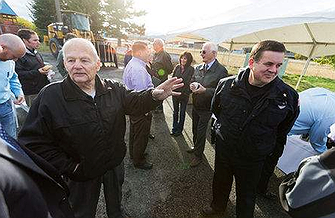 Former Post Falls Mayor Clay Larkin, left, and Police Chief Scot Haug are shown at a 2014 ground-breaking for the Greensferry Road overpass.
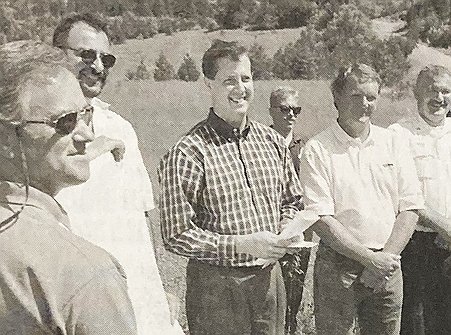 Mayor Steve Judy, center, announces the purchase of 33 acres of Cherry Hill in 1999. Others with him are, from left: Councilman Chris Copstead, Councilman Dave Walker, Judy, fireman Lee Holbrook, Realtor Pat Acuff and Fire Chief Rick Lasky.
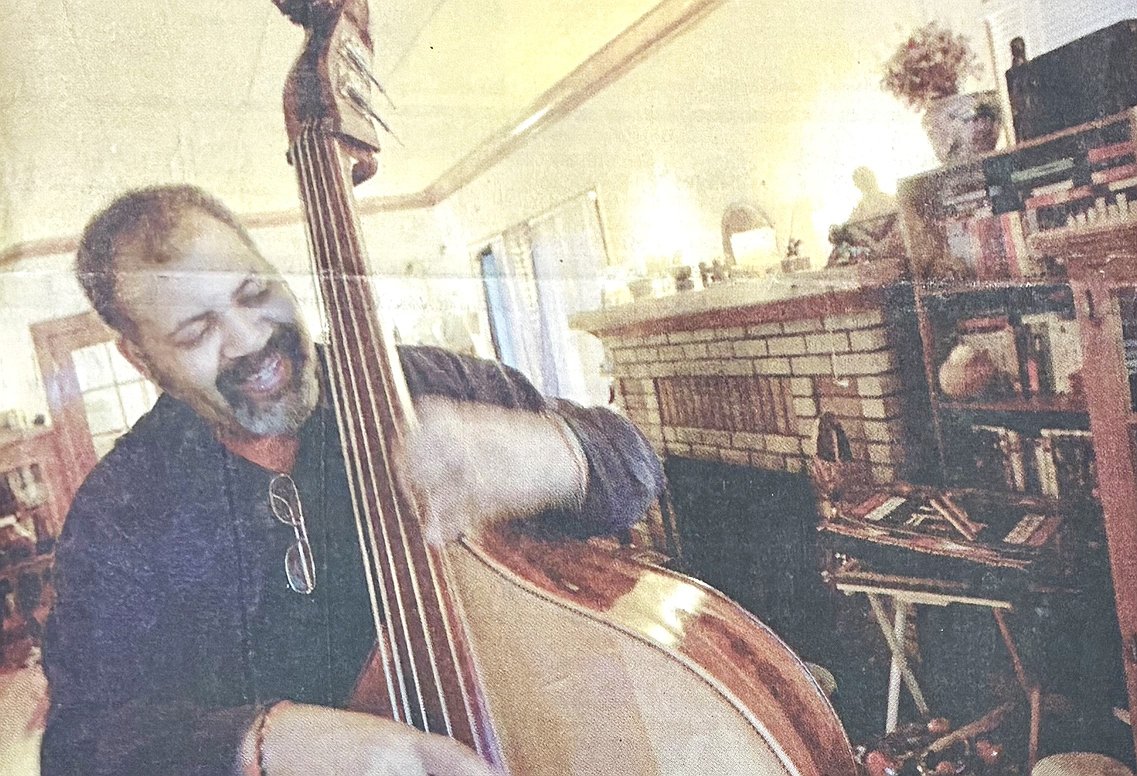 Tom Rutley plays his custom-built, upright bass at his Coeur d’Alene home in 2001.
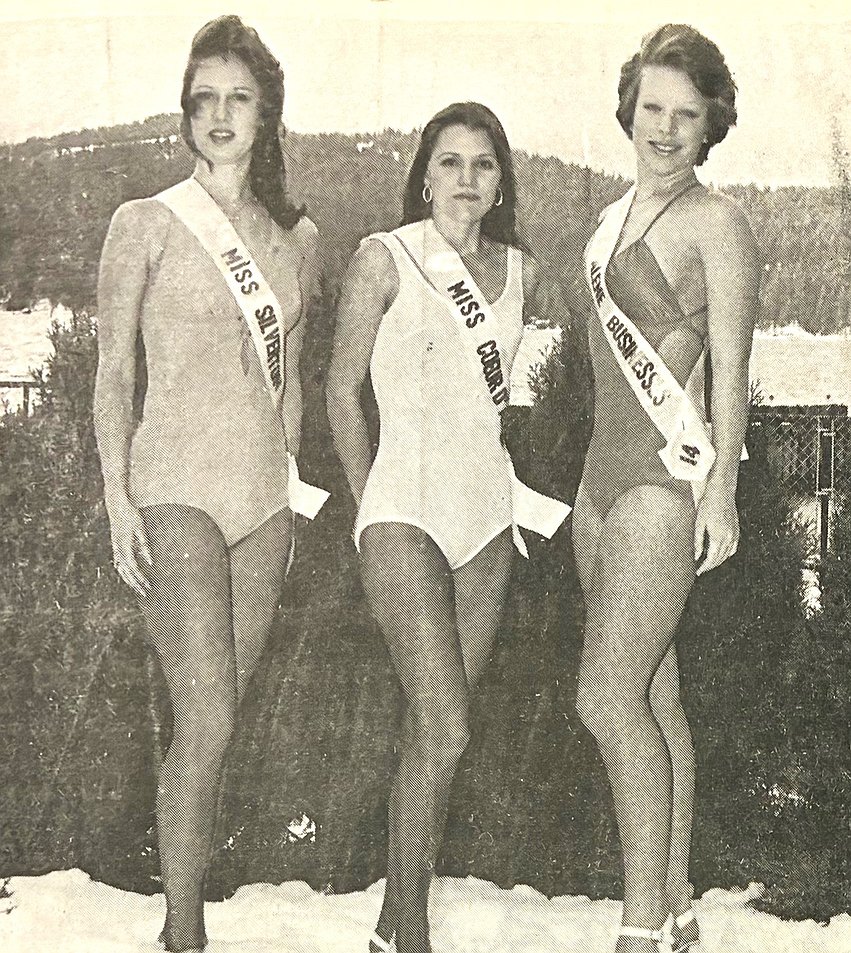 On a snowy day in January 1976, local Miss Idaho Universe Pageant contestants, from left, Cindy McKim, Susan Price and Rickie Jasper pose.
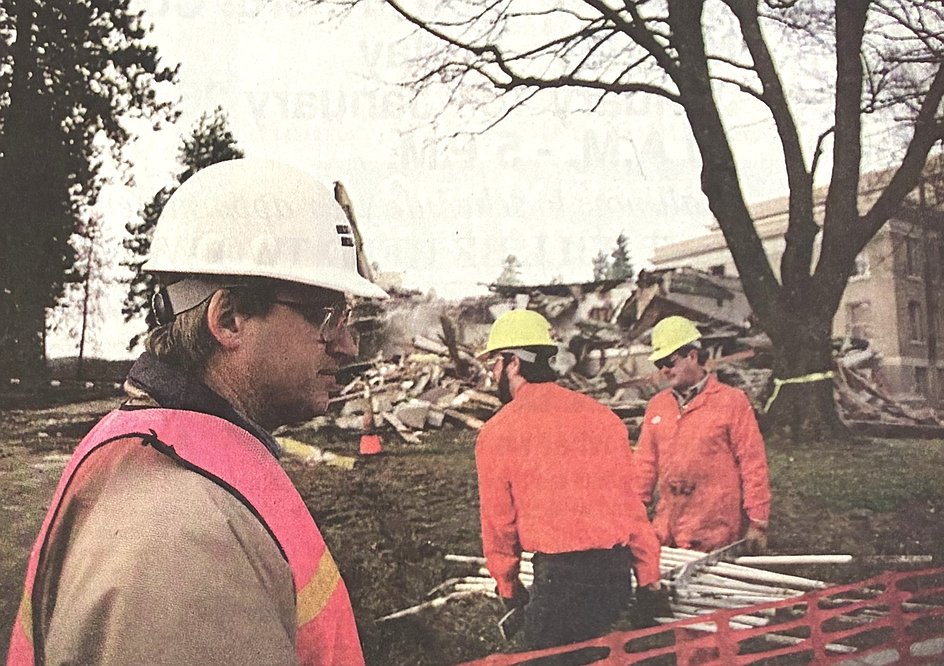 Director Steve Wulf of the county solid waste department supervises the demolition of the old jail in 1996.
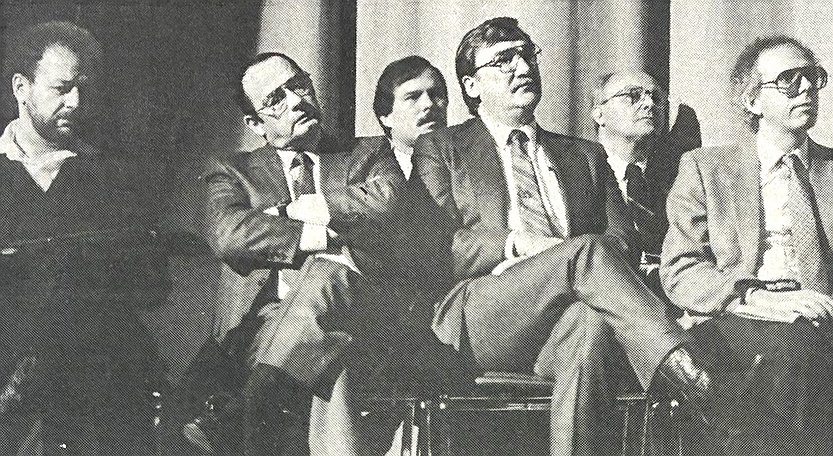 Human-rights leader Bill Wassmuth, far left, was the keynote speaker at the Coeur d’Alene observance of the first federal holiday honoring Martin Luther King Jr. on Jan. 20, 1986. Other speakers were, from left, Mayor Ray Stone, Rev. Richard Hermstad, Commissioner Glenn Jackson, President Barry Schuler of North Idaho College and NIC instructor Tony Stewart.
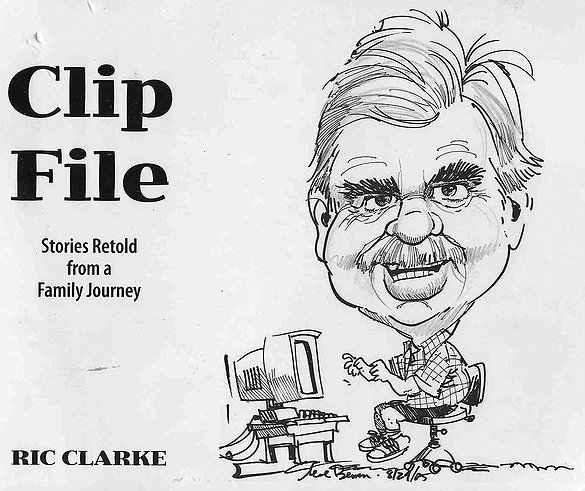 The cover caricature for Ric Clarke’s book, “Clip File,” was drawn by Steve Benson, a Pulitzer Prize-winning political cartoonist.
 Ric Clarke