
ADVERTORIAL - ADVERTISING: Four estate administration pitfalls Idaho families should avoid
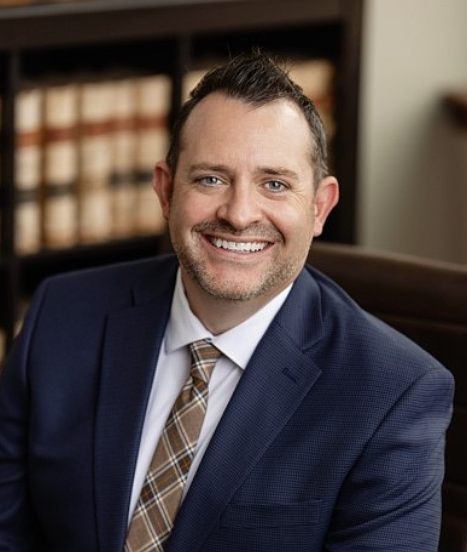
Robert J. Green
Even well-intentioned families can stumble when it comes to estate planning. Here are four common problems that can derail even the most carefully considered plans.
1. Failing to Plan for Incapacity
Most people think estate planning is only about what happens after death. But what if you're alive but unable to make decisions due to illness, injury, or dementia?
Without a financial power of attorney and healthcare power of attorney in place, your family may need to go to court to get a conservatorship and guardianship just to pay your bills or make medical decisions. This process is expensive, time-consuming, and public. I've seen families spend thousands of dollars and wait months for court approval to access a loved one's accounts to pay for their care.
A proper estate plan includes documents that designate trusted people to handle your finances and healthcare decisions if you can't. This is just as important as planning for after your death — maybe more so, since you'll experience the consequences yourself.
2. Unequal Treatment Without Explanation
Parents sometimes have good reasons to leave unequal inheritances: one child has special needs, another has received substantial gifts during life, or one is financially stable while another struggles. And let’s be clear, you have every right to design an estate plan that does not treat all beneficiaries equally. The problem isn't the unequal distribution itself — it's failing to communicate the reasoning.
I've watched families torn apart after a parent's death when siblings discover unequal bequests with no explanation. The hurt and resentment can be permanent. Children imagine favoritism or punishment, and relationships fracture permanently. Where no explanation exists, and the people are surprised, their minds tend to fill in the blanks with reasoning that may be far from accurate.
If you plan to distribute your estate unequally, consider explaining your reasoning to your children by having conversations while you're still alive. You don't owe anyone an inheritance, but a simple explanation can prevent years of family conflict and pain.
3. Forgetting About Real Property in Other States
Many Idaho residents own vacation property in Montana, a rental in Arizona, or inherited land in another state. But property in multiple states almost always means probate will be needed in multiple states — unless it's all properly titled to a living trust.
Each state has its own probate process, and your executor may need to hire local attorneys and navigate unfamiliar court systems for each piece of out-of-state property. This multiplies the time, expense, and complexity of settling your estate.
The solution is usually straightforward: transfer out-of-state real estate into your revocable living trust. This allows property to pass to your beneficiaries without probate in any state. Just make sure this is done correctly — I've seen people attempt these transfers themselves with DIY deeds and create more problems than they solved.
4. Leaving Everything Outright to Young Adults
Your 19-year-old might be responsible and mature, but inheriting $500,000 at that age may still be a recipe for trouble. Studies show that most inherited wealth is gone within a few years, often spent on poor investments, failed businesses, or simply lifestyle inflation.
Beyond the financial risks, an outright inheritance can make young people targets for lawsuits, predatory relationships, and bad financial advice. And if your beneficiary has substance abuse issues, mental health challenges, or just poor judgment, a sudden windfall can be genuinely dangerous.
Consider using trusts with age-based distributions: perhaps one-third at 25, one-third at 30, and the remainder at 35. Or use an incentive trust that releases funds for education, starting a business, or buying a home. A good trustee can provide guidance and protection during those critical years when your children are finding their footing.
The Bottom Line
Estate planning isn't just about dividing your assets — it's about protecting your family from predictable problems. Taking time now to address these common issues can save your loved ones from financial loss, family conflict, and unnecessary heartache.
If any of these situations apply to you, it's worth reviewing your plan with an experienced attorney who can help you navigate these challenges while there's still time.
My law firm is currently offering free telephonic, electronic, or in-person consultations concerning adult guardianships, probates, and creating or reviewing estate planning documents.
• • •
Robert J. Green is an Elder Law, Trust, Estate, & Guardianship Attorney and the owner of Kootenai Law Group, PLLC in Coeur d’Alene. If you have questions about estate planning, probates, wills, trusts, powers of attorney, guardianships, Medicaid planning, or VA Benefit planning, contact Kootenai Law at 208-765-6555, [email protected], or visit www.KootenaiLaw.com.
This has been presented as general information and not as legal advice. Do not engage in legal decision-making without the advice of a competent attorney after discussion of your specific circumstances.