

HUCKLEBERRIES: Getting through the 'bad things'
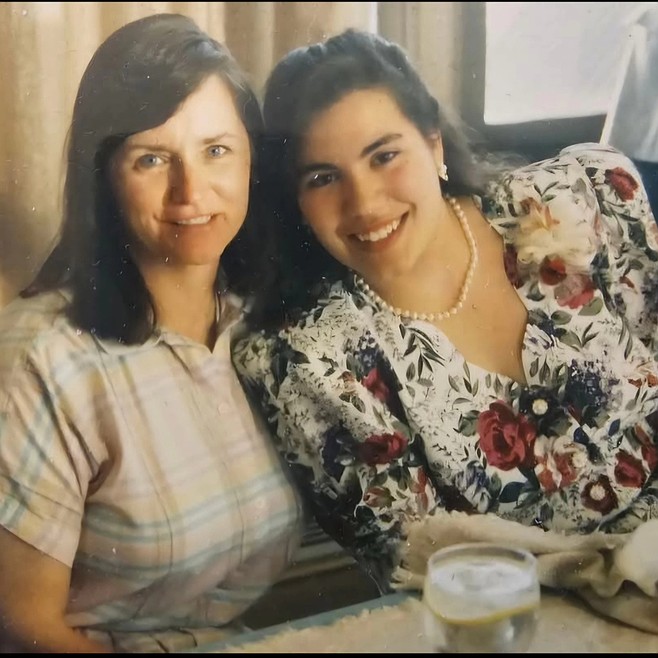
Leona (Lee) Caires and her daughter, Debora Caires Nelson, pose during a friend’s wedding in 1993.
Photo courtesy of the Coeur d'Alene Press archives
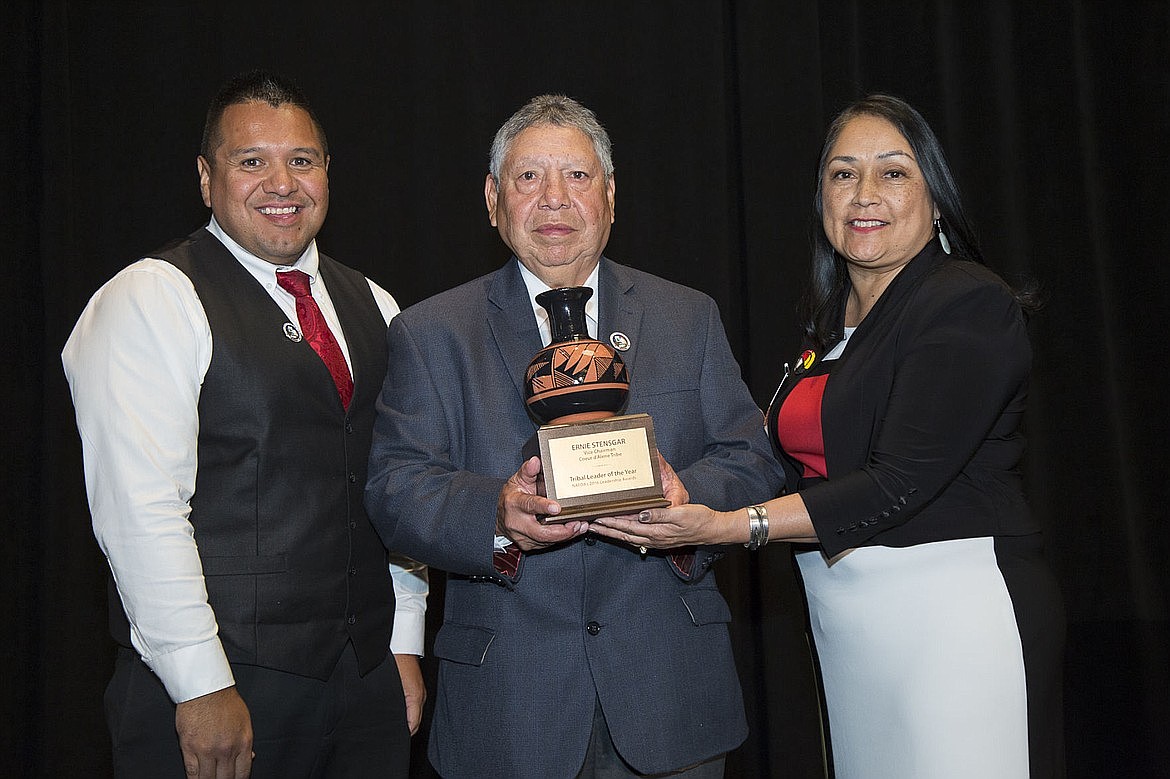
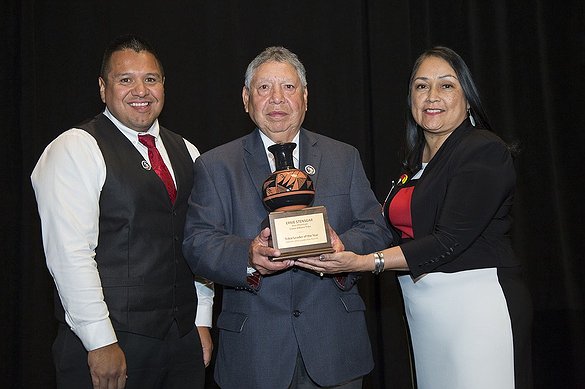
Ernie Stensgar of the Coeur d'Alene Tribe, center, receives the prestigious Tribal Leader of the Year Award in 2016 in Arizona. Chief Allan, the longtime, current Coeur d’Alene tribal chairman, stands left.
Photo courtesy of the Coeur d'Alene Press archives
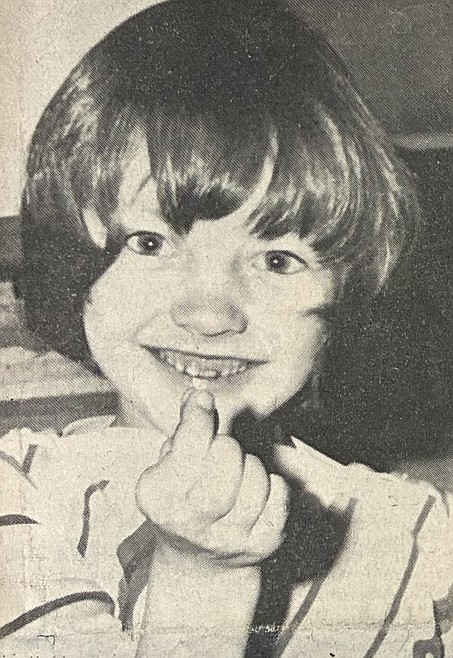
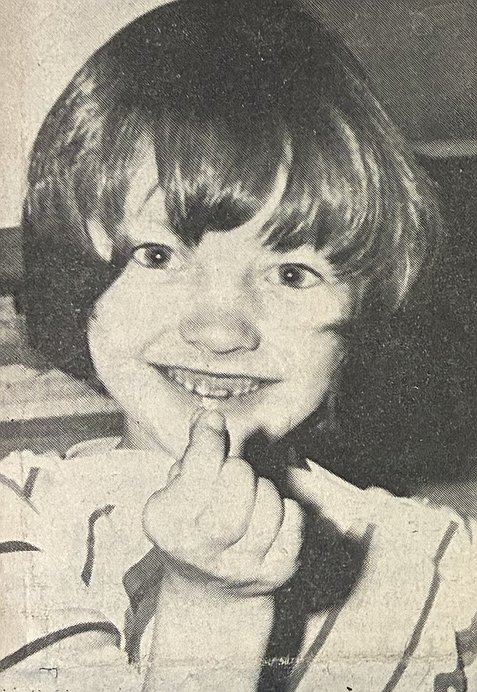
Shauna Barrus, 8, shows her extracted tooth in 1966.
Photo courtesy of the Coeur d'Alene Press archives
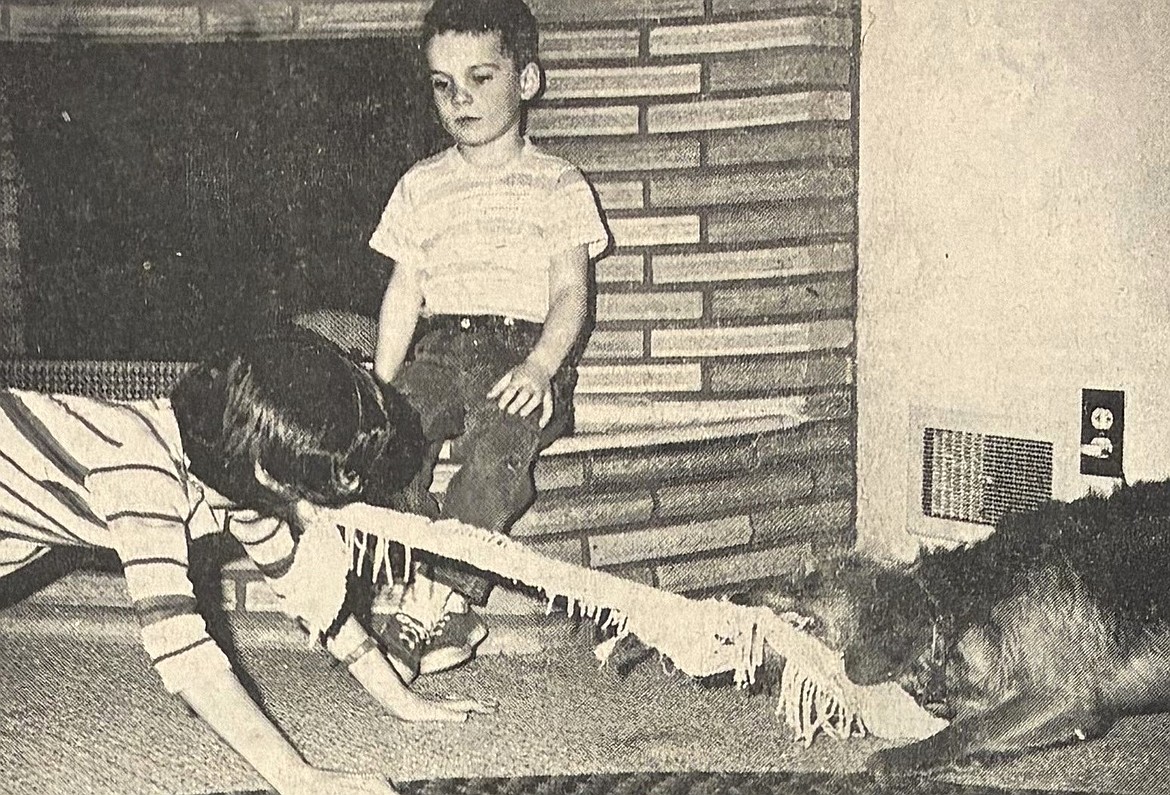
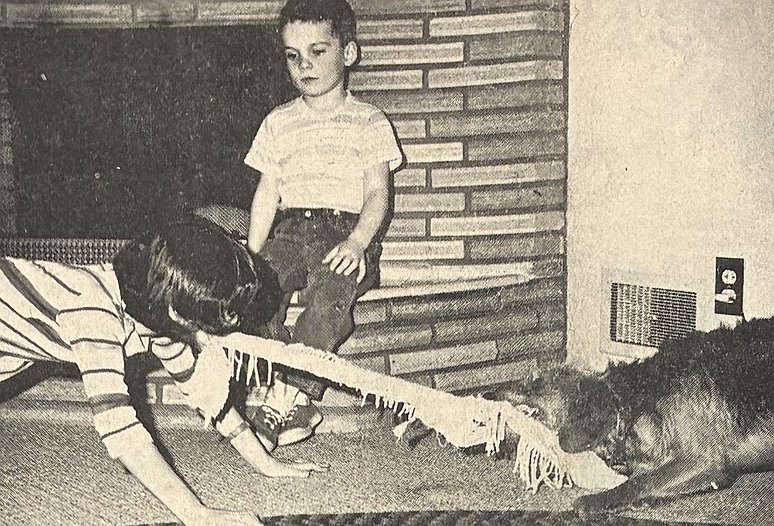
Skipper helps Shauna Barrus remove a tooth, while Shauna’s brother, Denny, watches in 1966.
Photo courtesy of the Coeur d'Alene Press archives
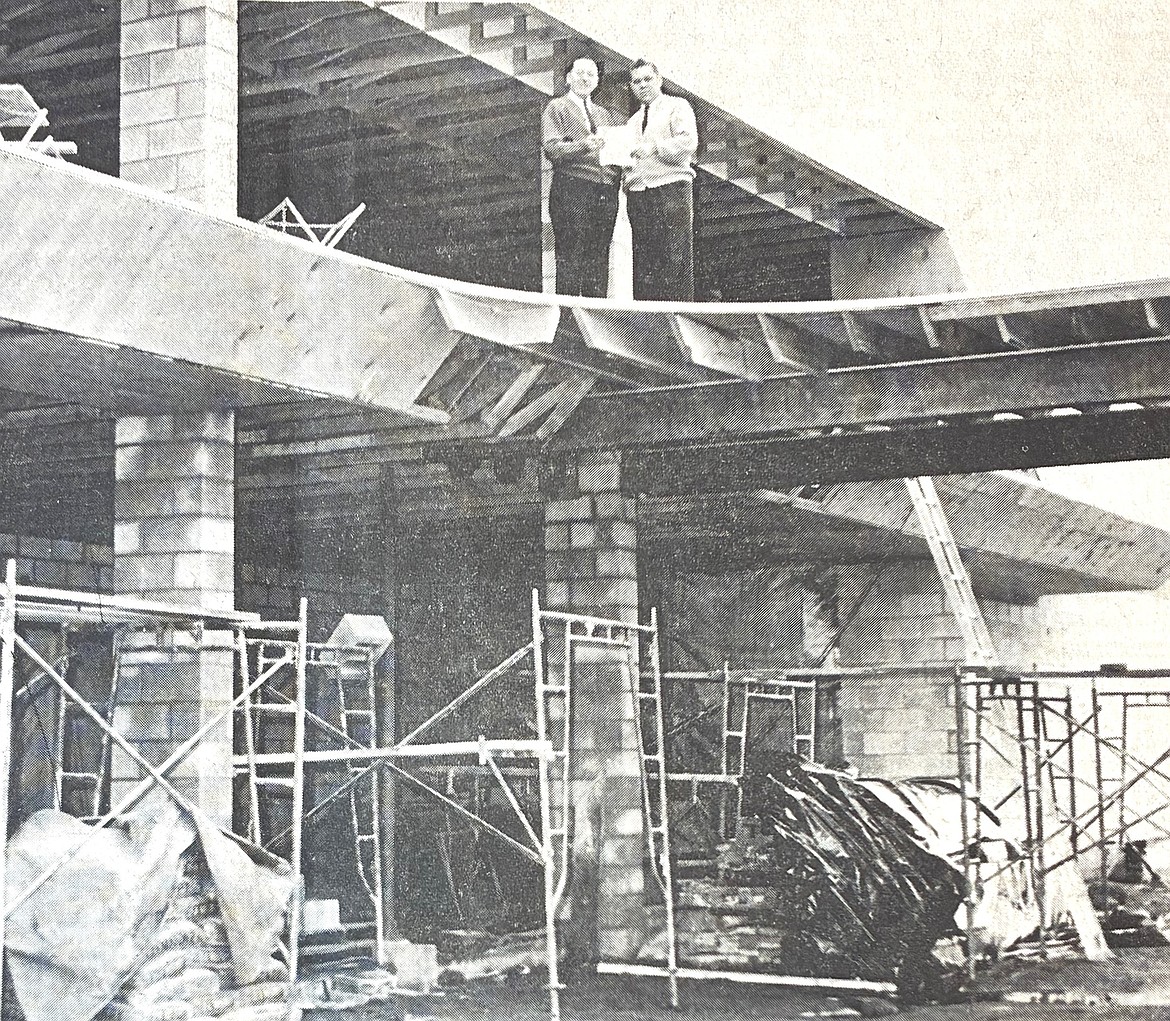
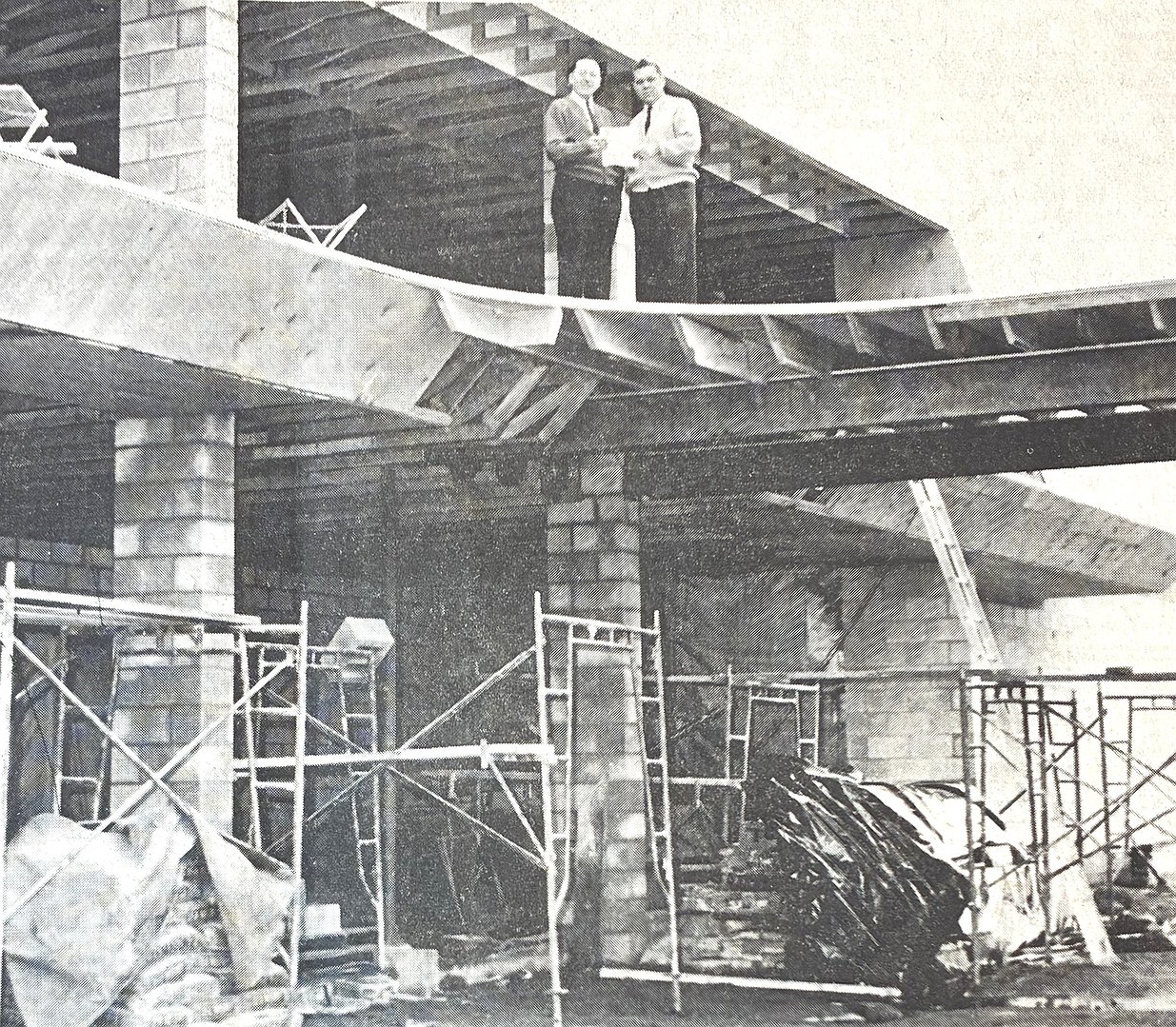
Partners Joe Jaegar, left, and Bob Templin review construction at their future convention center at the North Shore Lodge in 1966. Templin’s Grill nearby had operated since the 1940s.
Photo courtesy of the Coeur d'Alene Press archives

Hundreds attend an equipment auction at Stimson Lumber Co. (formerly known as Idaho Forest Industries) in 2006.
Photo courtesy of the Coeur d'Alene Press archives
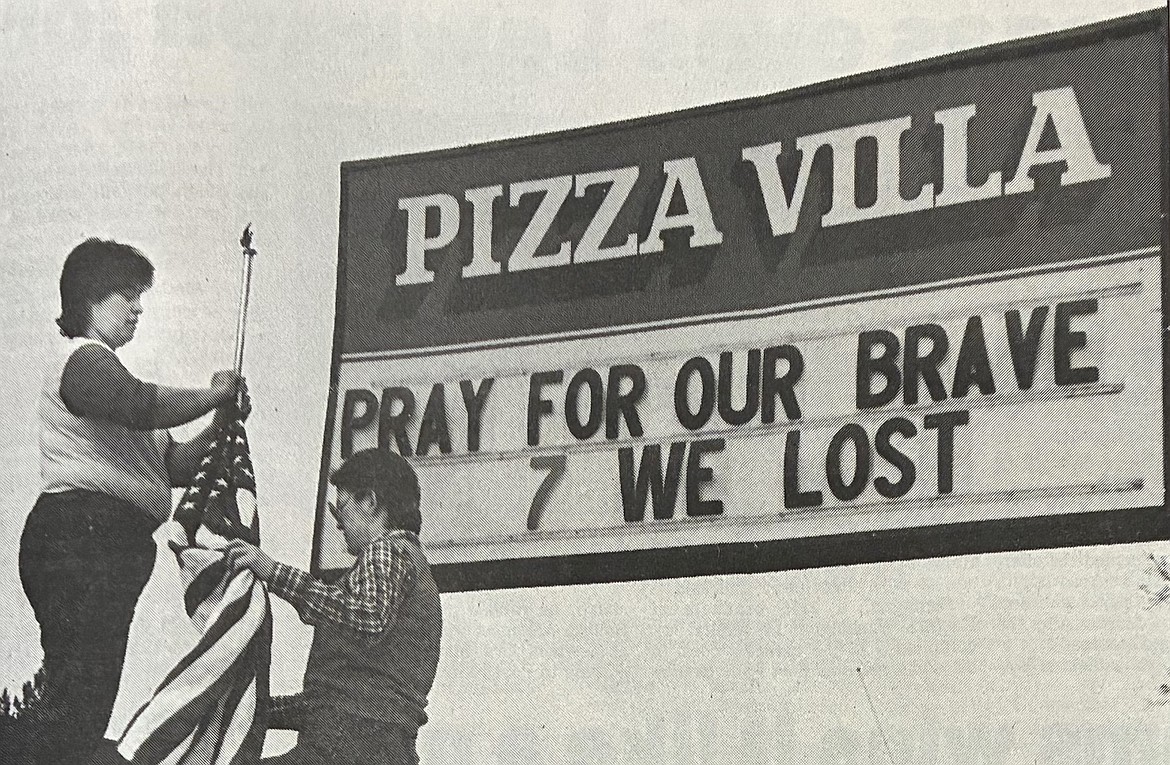
Margaret Vasquez and Hilary Chick of Pizza Villa prepare to fly a flag at half-staff in honor of the lost Challenger shuttle crew in 1986.
Photo courtesy of the Coeur d'Alene Press archives
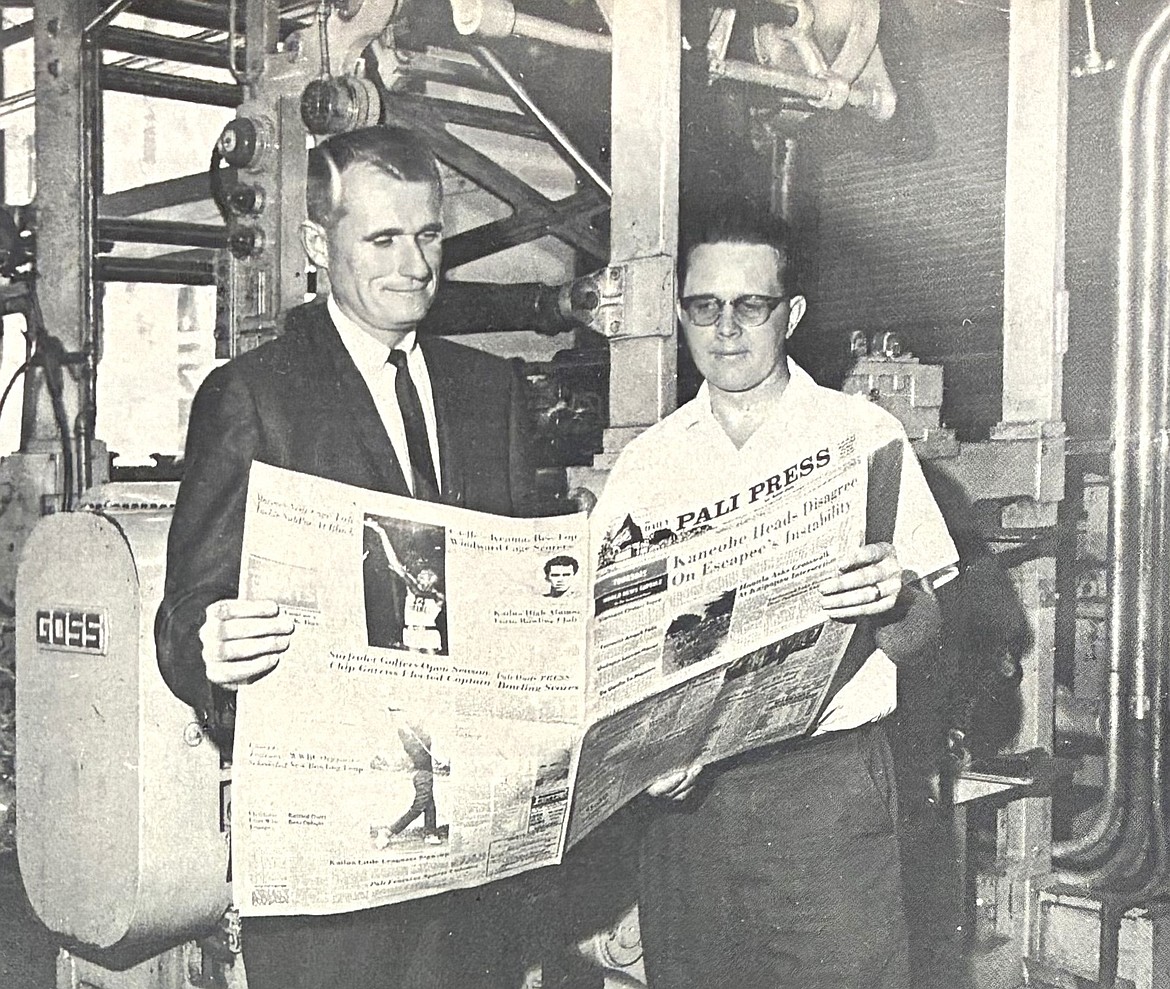
Newspaper owner Duane Hagadone, left, and circulation manager Dale Seamons read a copy of The Press in 1966. Duane ranked No. 15 in the 2001 list of 100 most influential Idahoans.
Photo courtesy of the Coeur d'Alene Press archives
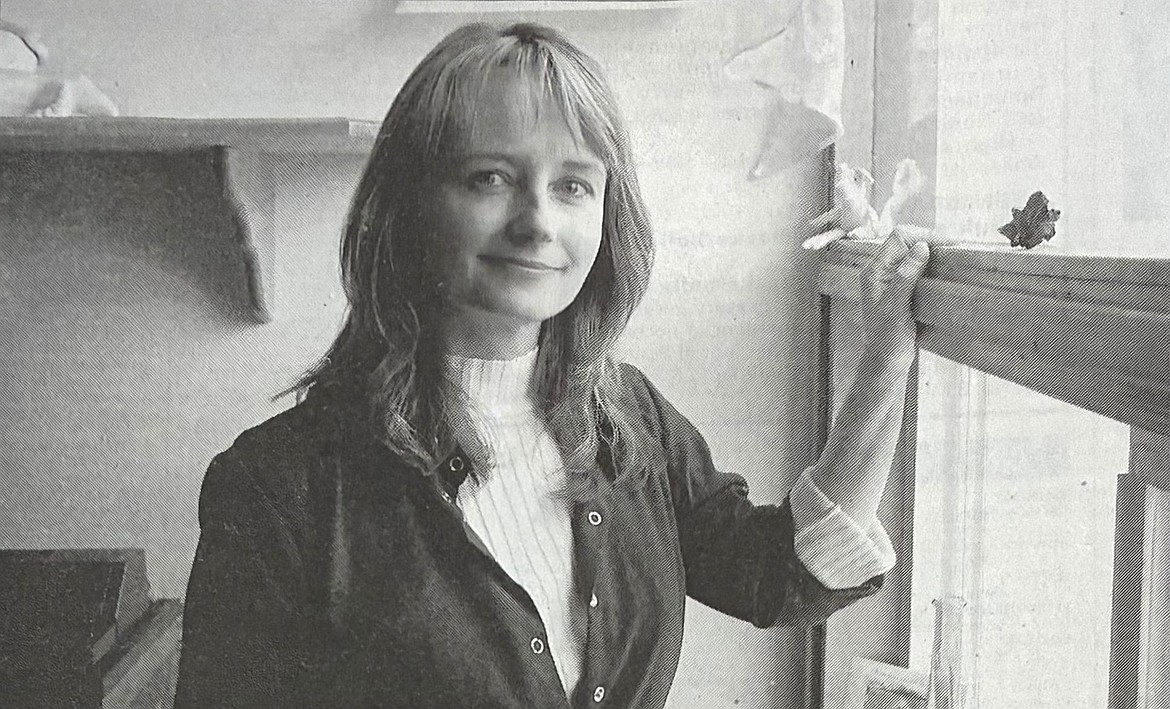
Fortune teller Bonnie Whiting fights City Hall in 2001 — and wins.
Photo courtesy of the Coeur d'Alene Press archives
Two workplace murders in Washington state in February 1996 rocked Coeur d’Alene.
Both killings involved beloved women from here. Both victims were 49 years old. Both women — a teacher and a waitress — were members of St. Pius X Catholic Church.
On Feb. 2, 1996, Leona (Lee) Caires was slain trying to save students in her algebra class at Frontier Junior High in Moses Lake. Two students died with her. A third was badly wounded.
On Feb. 6, 1996, Marie Van Slate was shot in the back by a disgruntled customer who brought five loaded handguns to the Ridpath Hotel’s Silver Grill in Spokane.
A regular patron, Orville Walton Sassen, 78, killed Van Slate, wounded the restaurant manager, and then shot himself. Sassen reportedly was angry at the server. He felt she avoided him. He was described as cranky and a non-tipper, with bad body odor.
Marie had worked at the Ridpath restaurant for nearly six years. Co-workers told The Spokesman-Review that she was a bubbly, caring waitress who would tease customers about eating greasy french fries.
Neighbor Callie Victorino, 14, called Marie Van Slate “the nicest woman in the world.”
The mass murder at Moses Lake by eighth grader Barry Loukaitis made national news.
Lee Caires was teaching her fifth-period class when the 14-year-old entered the room with a rifle and two handguns. The killer shot three students in the front row and then Lee as she moved toward him. He was later subdued by a physical education teacher.
Lee’s husband, Steve, was the school’s vice principal.
Dr. Damian Caires of North Idaho College tells his children how unconditionally kind and selfless their grandmother was. And he doesn’t hide from them how she died.
“I tell them the truth so they can understand that life can be hard,” the associate math professor told Huckleberries last week. “They are going to experience bad things, and they can get through it — just like my family did.”
Debora Caires Nelson and her husband told their children about the shooting when they reached middle school. Before that, they said only that their grandmother had died in a school accident. And that she was a guardian angel protecting them.
The couple didn’t want their kids to feel unsafe at school or to worry about their father, Mike, a deputy superintendent who has been with the Coeur d'Alene School District for 28 years.
Steve and Lee Caires taught in Coeur d’Alene before Steve accepted the vice principal job at Moses Lake in 1992, according to The Spokesman-Review. Lee joined him two years later after their twins, Damian and Vicki, graduated from Coeur d’Alene High. Still, they spent almost every weekend at their home in nearby Cougar Gulch.
Victoria Caires Kimball said her father was "gutted" by the loss of his wife and best friend of 28 years. But he kept on living for the sake of his four children. Said she: “It took many years for him to find peace, but he did because our father was resilient.”
In 2008, when he retired, Steve Caires was the assistant principal at Lakes Middle School in Coeur d’Alene. He died at age 72 in April 2016.
In 2017, daughter Victoria shared her family’s grief at a hearing for her mother’s murderer. Now in his mid-40s, the killer was re-sentenced to 189 years in prison.
Victoria said her mother wore many hats. Among other things, she said, Lee Caires was a dedicated educator, math tutor, YMCA director and fundraiser, Viking Football Alumni host, tennis player and Kootenai County Substance Abuse Council co-founder.
“Her impact (locally) went so much further than a headline 30 years ago,” she said.
Good riddance
Idaho didn’t eschew the S-word until the 21st century.
Before that, the ugly term, “squaw,” was attached to dozens of the state’s loveliest places — creeks, bays, valleys, canyons, mountains.
Twenty-five years ago, a needed change began with an eloquent statement from Coeur d’Alene Tribe Chairman Ernie Stensgar.
“We’re not in 17th century America or 18th century America,” Ernie told Idaho’s Indian Affairs Council on Feb. 1, 2001. “The cowboys and Indians are gone. We’re civilized people. We hold jobs.”
Ernie was preaching to the choir.
Council Chairman Ralph “Moon” Wheeler compared the S-word to “whore” or “female genitalia.” The Republican state senator from American Falls said: “It’s a four-letter word, and it’s the ugliest word I’ve ever heard.”
The Indian Affairs Council unanimously endorsed a resolution to eliminate the word from Idaho geography.
In 2007, the U.S. Board of Geographic Names renamed eight places on the Coeur d’Alene Reservation that contained the slur. Squaw Bay on Lake Coeur d’Alene, for example, became Neachen Bay, a Native American word referring to a deer hunt tactic. In 2022, the Interior Department began renaming the final 71 places in Idaho containing the racial slur.
Dental assistant
Shauna Barrus, 8, didn’t fear dentists, according to her parents, Mr. and Mrs. Neil Barrus of Coeur d’Alene. She simply didn’t want to see one when a baby tooth loosened 60 years ago.
Besides, Skipper, a solution to her dental problem, was only a whistle away.
The family’s beagle-poodle mix had no dental training, just a desire to play tug of war.
So, Shauna, a Borah Elementary second-grader, put one end of a scarf in her mouth and offered Skipper the other. The mutt did the rest.
Moments later, the hurting tooth gave way, according to The Press on Feb. 3, 1966.
The paper published photos of the brave girl with a gap-toothed smile and her canine assistant. But it failed to mention how much the Tooth Fairy paid for an incisor in the 1960s.
Huckleberries
• Poet’s Corner: A perfect world/if all could learn/to signal when/they make a turn — The Bard of Sherman Avenue (“Utopia”).
• Going, Going: The building was variously known as Dutch Gardens, Miller Café, Templin’s Grill, and Murphy’s Landing. It was a clothing store and a beer parlor before it became an eatery. On Feb. 8, 1986, the diner shut for the last time to make room for the new Coeur d’Alene Resort. On Easter Sunday, 1984, Bob Templin and his family had eaten brunch there, the last day the building was known as Templin’s.
• Little Boxes: In January 2006, 300 bidders from the U.S. and Canada picked over Stimson Lumber (IFI) equipment on 80 acres along the Spokane River. Chains and conveyors no longer clanged. Saws no longer ripped logs from North Idaho forests. Today, a cramped assemblage of pricey boxes — single-family dwellings, townhouses, and apartments — bury what once was a thriving part of our shared history.
• Time to Mourn: The Coeur d’Alene area grieved with the rest of the nation after the explosion of the Challenger shuttle Jan. 28, 1986. Hilary Chick of Pizza Villa on Fourth Street spoke for many when she said: “I’m a believer in the space program. This accident shouldn’t be a deterrent that we quit altogether. We need to understand that each time the shuttle goes up, there is a risk involved.”
• Y2K Influencers: When Randy Stapilus released his list of 100 Most Influential Idahoans for 2001, eight North Idahoans were included: No. 15, Duane Hagadone; No. 27, Jack Buell; No. 41, Sandy Patano; No. 44, Ernie Stensgar; No. 53, Harry Magnuson; No. 56, Darrell Kerby; No. 60, Jack Riggs; and No. 89, Ron Rankin. The region is blessed to have Jack B., Sandy, Ernie, Darrell, and Jack R. still with us.
Parting shot
Imagine Bonnie Whiting’s surprise in February 2001 after learning she was illegal.
Oh, she was an American citizen, all right. But she was also a fortune teller who operated the “illegal” Angel Network on Sherman Avenue.
“This is silly,” she told The Press.
A city law approved July 18, 1951, banned fortune telling, tarot card readings, clairvoyancy and phrenology.
Bonnie believed the First Amendment protected her business.
She had operated at the Barking Frog for a year when business fliers attracted too much attention. And city code enforcers threatened to shut her down.
Fortune telling was a no-no under a City Code dealing with Public Peace, Morals and Welfare. Other forbidden activities under the code included: resisting arrest, disorderly conduct, hate crimes, graffiti and electronic cigarettes.
But Bonnie wasn’t blacklisted much longer, according to current City Clerk Renata McLeod. On April 4, 2001, the City Council legalized fortune telling.
• • •
D.F. (Dave) Oliveria can be contacted at [email protected].
 Ernie Stensgar of the Coeur d'Alene Tribe, center, receives the prestigious Tribal Leader of the Year Award in 2016 in Arizona. Chief Allan, the longtime, current Coeur d’Alene tribal chairman, stands left.
 Shauna Barrus, 8, shows her extracted tooth in 1966.
 Skipper helps Shauna Barrus remove a tooth, while Shauna’s brother, Denny, watches in 1966.
 Partners Joe Jaegar, left, and Bob Templin review construction at their future convention center at the North Shore Lodge in 1966. Templin’s Grill nearby had operated since the 1940s.
 Hundreds attend an equipment auction at Stimson Lumber Co. (formerly known as Idaho Forest Industries) in 2006.
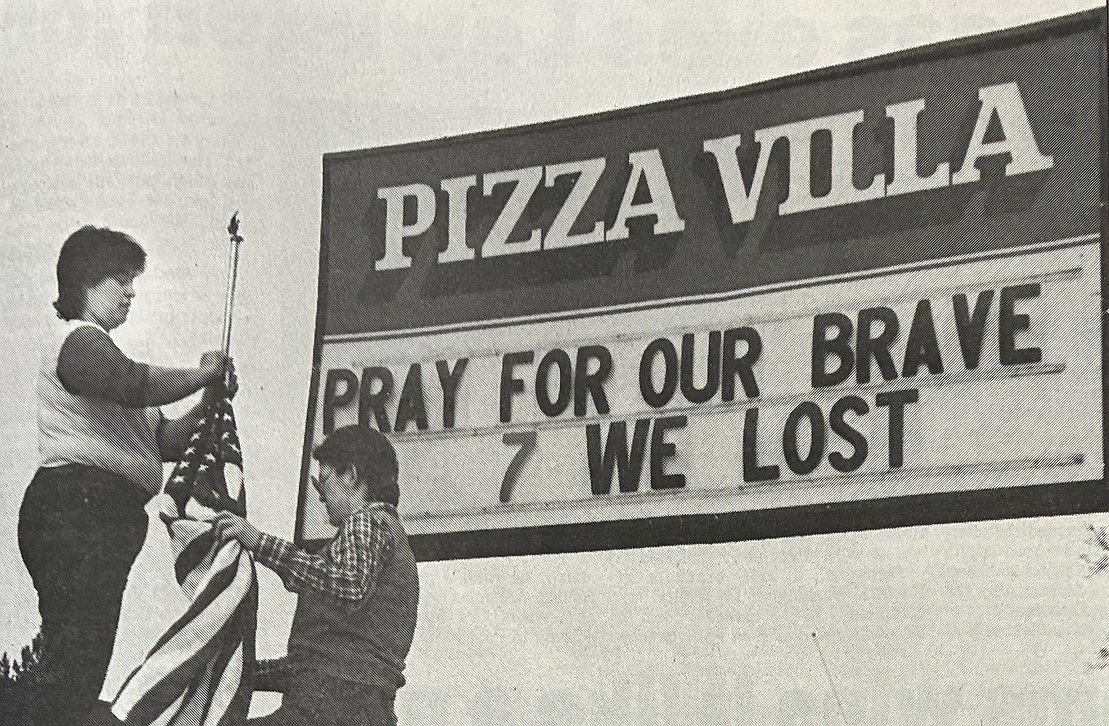 Margaret Vasquez and Hilary Chick of Pizza Villa prepare to fly a flag at half-staff in honor of the lost Challenger shuttle crew in 1986.
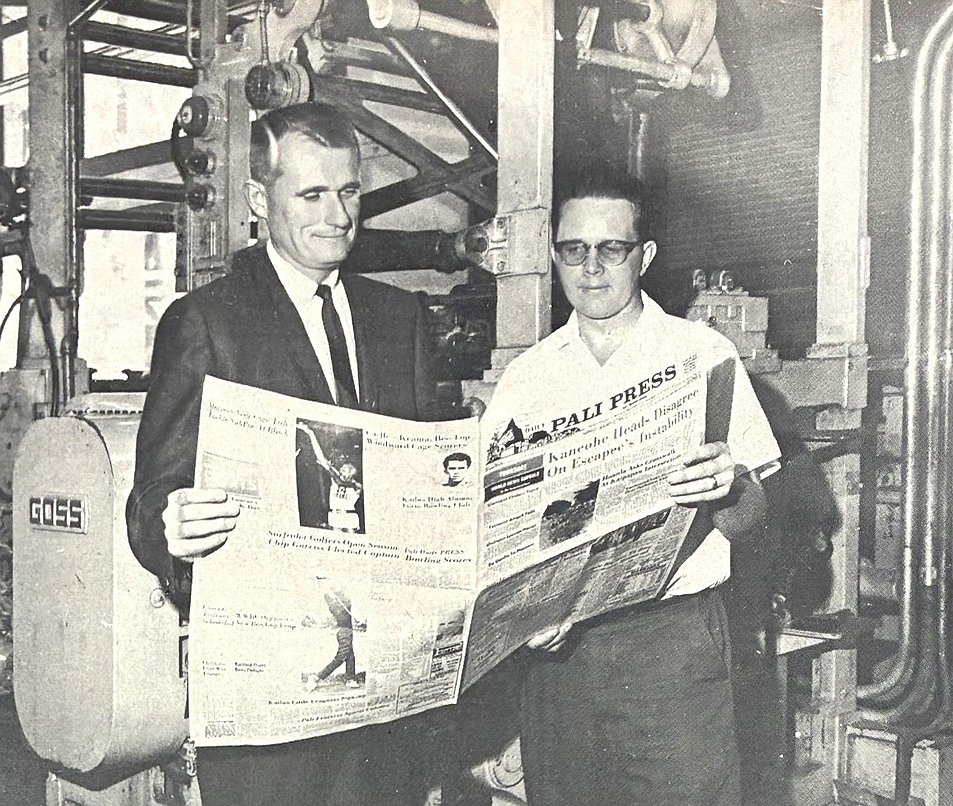 Newspaper owner Duane Hagadone, left, and circulation manager Dale Seamons read a copy of The Press in 1966. Duane ranked No. 15 in the 2001 list of 100 most influential Idahoans.
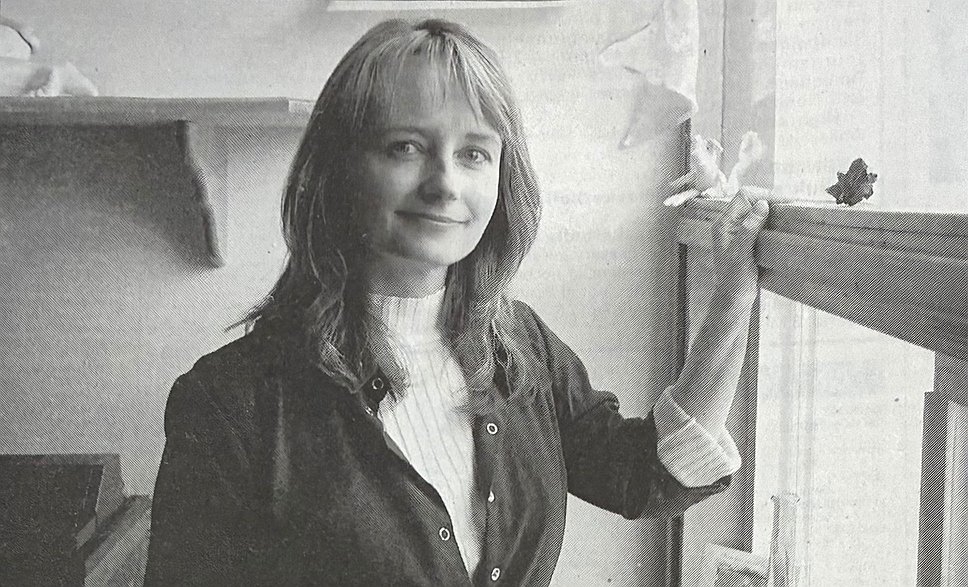 Fortune teller Bonnie Whiting fights City Hall in 2001 — and wins.