THE DIRT: Historic pollution study of the Coeur d’Alene Basin Pt.4
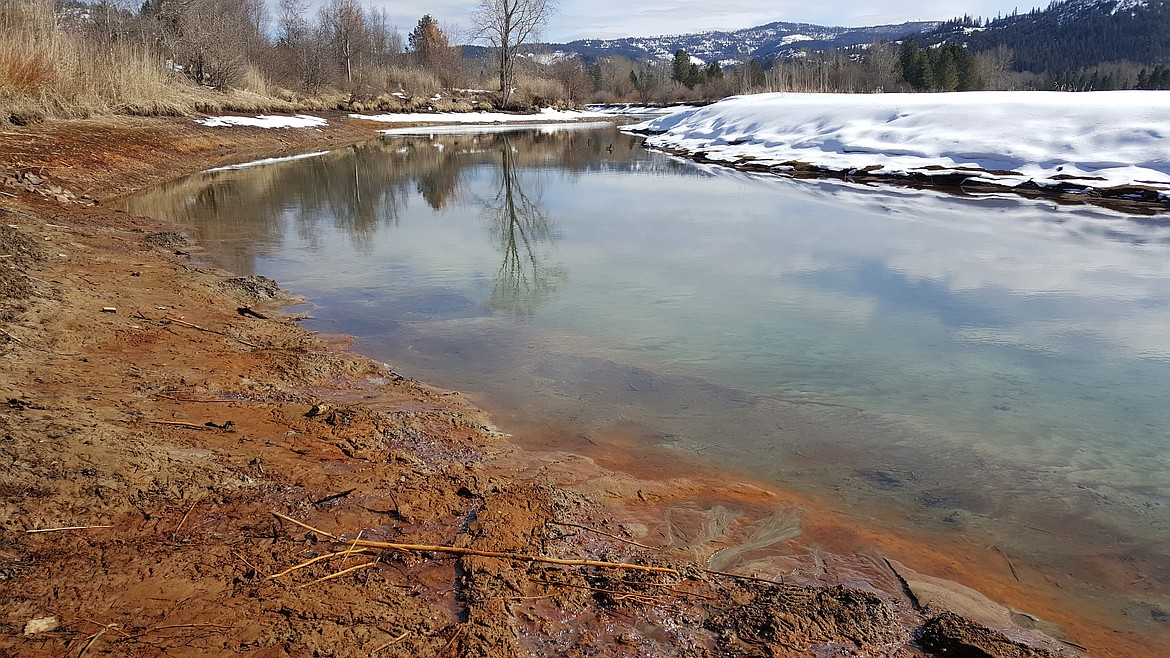
Courtesy photo
By the early 1930s, much of the Coeur d’Alene River was effectively lifeless. Fish had disappeared, plankton was dying and long stretches of the river showed little sign of recovery. In 1933, federal scientists confirmed that mine-contaminated water was deadly to aquatic life — but their most alarming discovery came when they looked beyond the water itself, to what remained behind.
The greatest danger lay in the hard mineral buildup that formed on mine wastes exposed to moisture, light, heat, and oxidation. Samples collected from Smelterville Flats and Thompson Flats were chemically distinct from other waste materials and quickly identified as highly toxic.
Become a Subscriber!
You have read all of your free articles this month. Select a plan below to start your subscription today.
Already a subscriber? Login