

HUCKLEBERRIES: Driving insanity
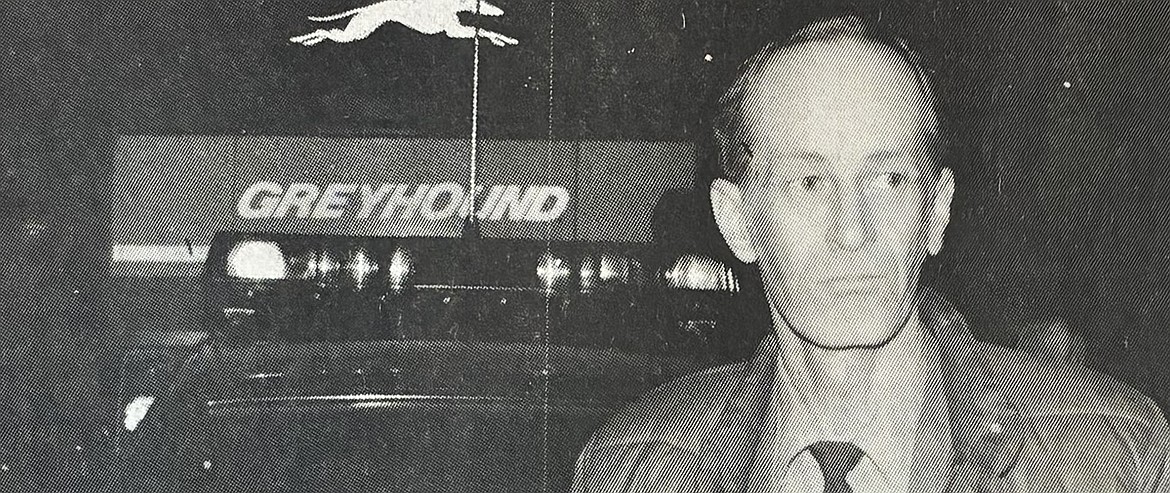
Greyhound driver Charlie Justus stands by his wounded bus in 1981.
Photo courtesy of the Coeur d'Alene Press archives
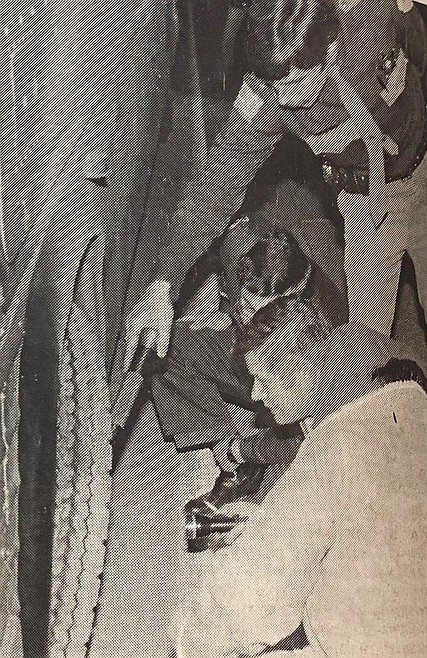
Law officers, from top, Walt Richards, Terry Turnbow and Bob Steele examine a shot-out bus tire in 1981.
Photo courtesy of the Coeur d'Alene Press archives
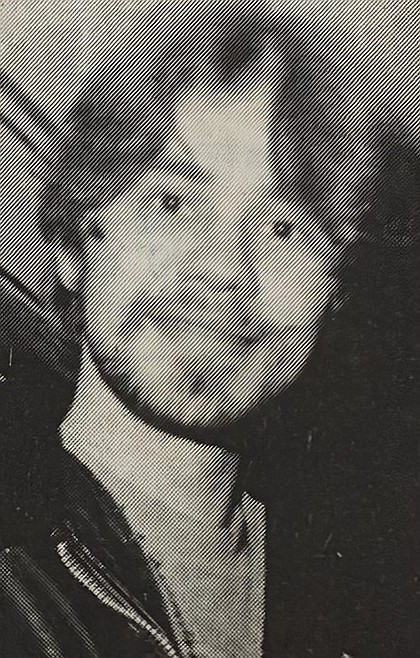
Passenger Mark Wittenauer helped save the day in 1981.
Photo courtesy of the Coeur d'Alene Press archives
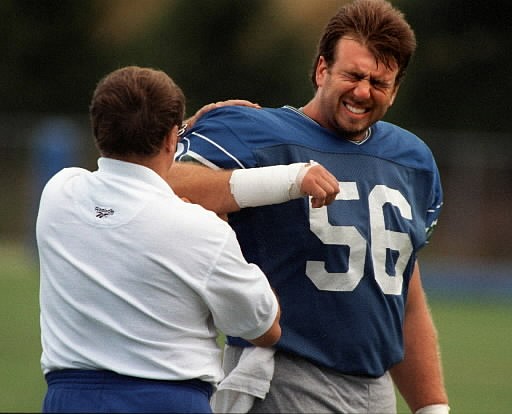
Seattle Seahawks center Joe Tofflemire grimaces as a trainer checks his shoulder in the early 1990s.
Christopher Anderson/The Spokesman-Review
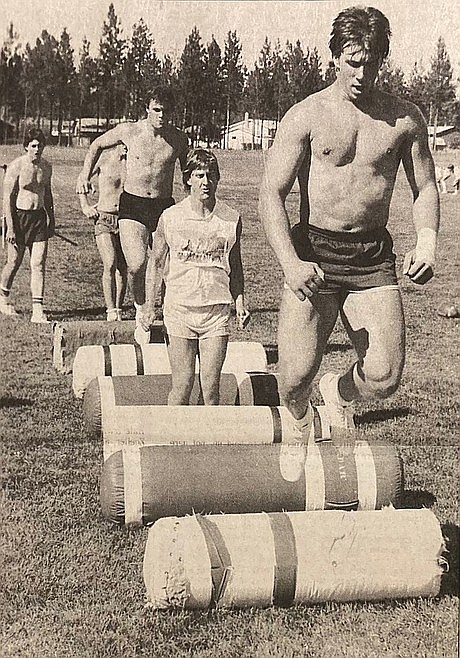
From right, Joe Tofflemire leads Post Falls High teammates Eric Tibesar and Rollin Putzier through 1983 preseason drills.
Photo courtesy of the Coeur d'Alene Press archives
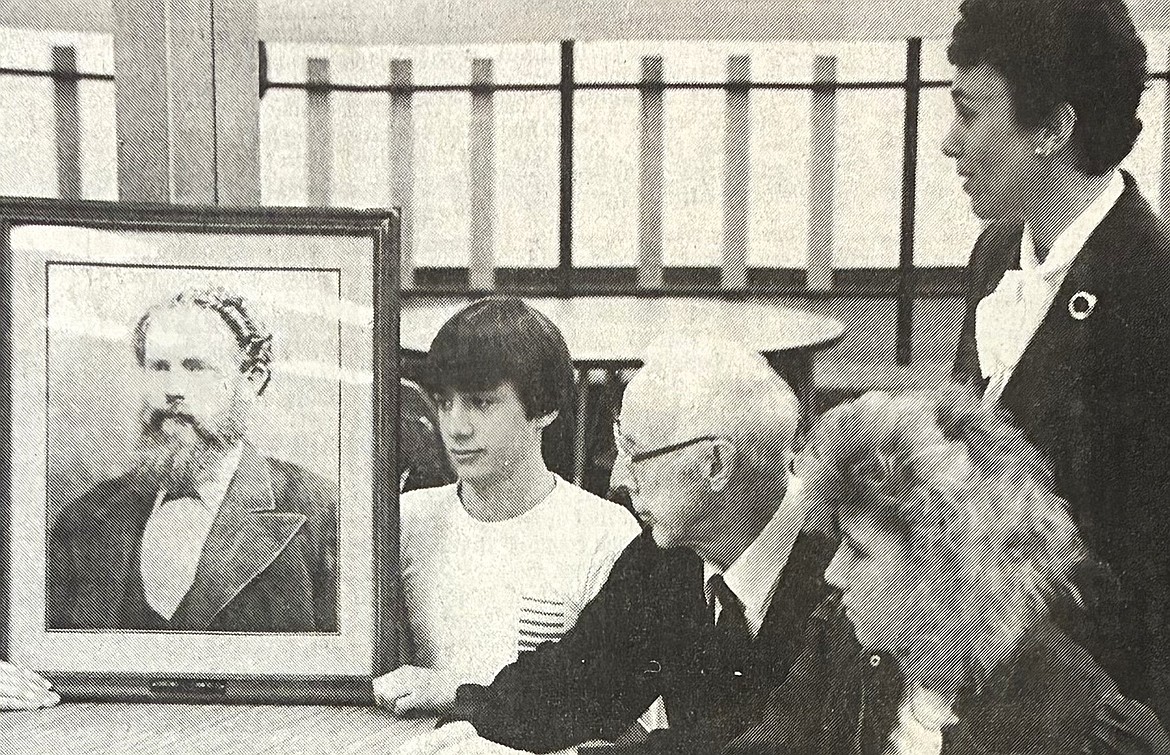
Admiring a photo of Oscar Canfield in 1986 are, from left, Mark Flinn, Marvin Shadduck, Tera Duncan and, standing, principal Judy Drake.
Photo courtesy of the Coeur d'Alene Press archives
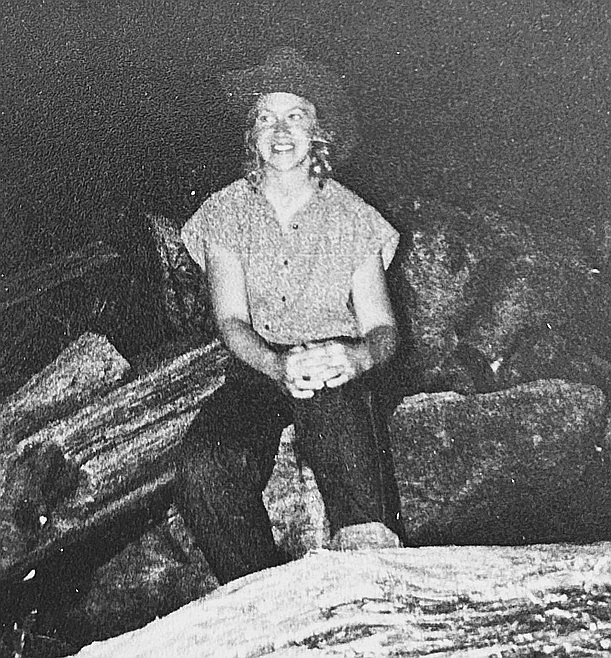
Before she disappeared in 1986, Sorensen School teacher Debbie Swanson attended an education rally in Boise.
Photo courtesy of the Coeur d'Alene Press archives
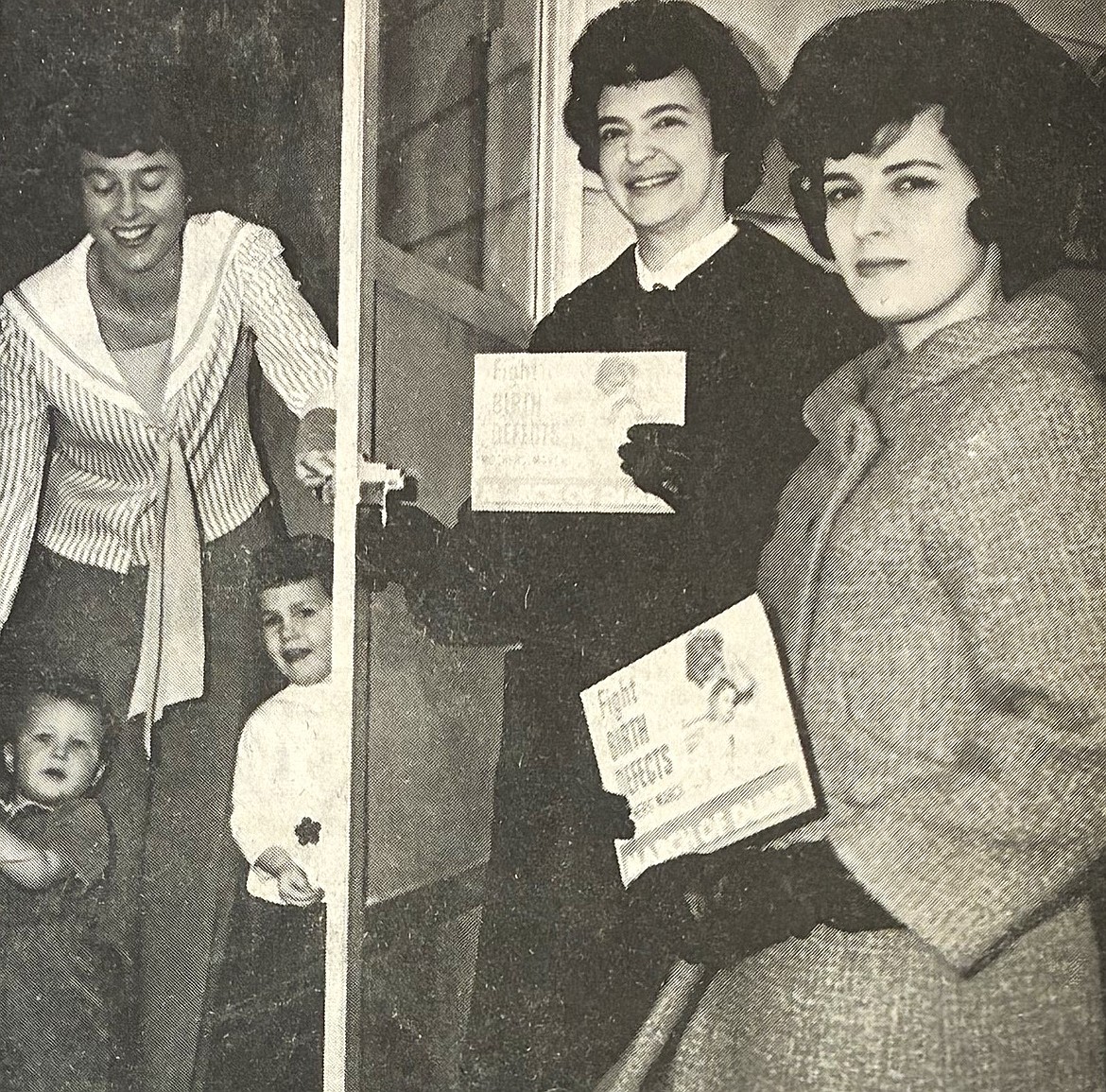
Chairwoman Nancy Edinger, far right, and Mrs. Harold Stanusch call on Mrs. John Runge and children Karen and Kristie, left photo, during the 1966 March of Dimes fundraiser.
Photo courtesy of the Coeur d'Alene Press archives
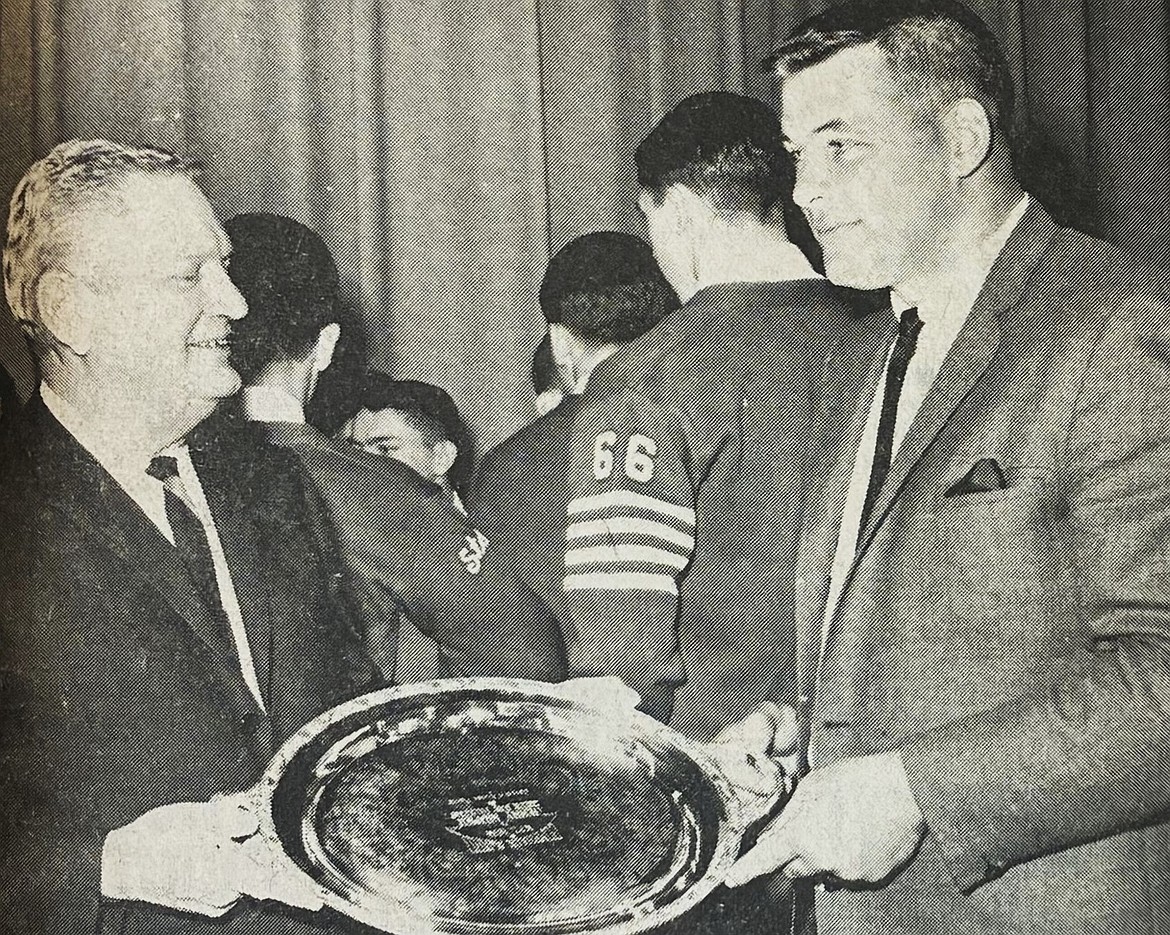
Hall of Famer Jerry Kramer of Green Bay, right, receives a Comeback Player Award from Cotton Barlow, his former Sandpoint High coach.
Photo courtesy of the Coeur d'Alene Press archives
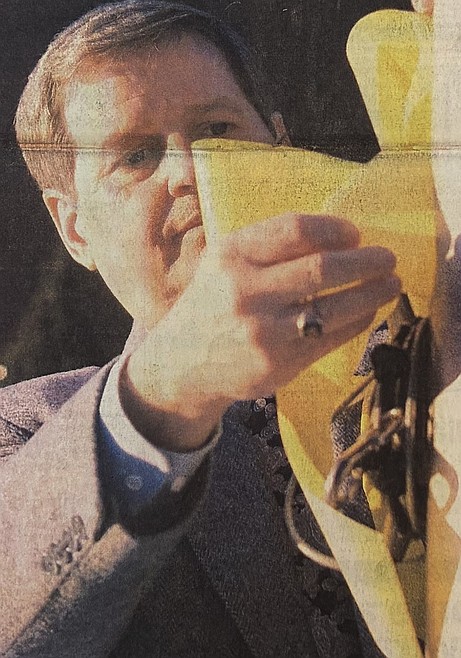
Superintendent Keith Tolzin ties a yellow ribbon around the flagpole at the Coeur d’Alene School District office in 1991.
Photo courtesy of the Coeur d'Alene Press archives
The Great North Idaho Bus Hoax began with a lie from a deranged passenger.
On Thursday night, Feb. 5, 1981, an agitated man from Minnesota rushed to the front of a Greyhound bus carrying 19 passengers and demanded to get off at Wallace.
“I’m sick! I want off!” he blurted to driver Charlie Justus of Spokane.
Before exiting, the troubled man told Justus that someone had guns on the bus and dope and “everything else.” Later, according to the Coeur d’Alene Press, the 38-year-old man reported to police that the bus had been hijacked and one passenger killed.
And that fib launched a rescue effort that ended in gunfire on Interstate 90 at Post Falls.
“As far as we knew, it was a hostage situation with two or three or four alcohol-crazed individuals on board,” a state narcotics agent told The Press later.
The false information was relayed to the Idaho State Police, which located the westbound Greyhound at Wolf Lodge, east of Coeur d’Alene. By the time it reached Post Falls, the bus was surrounded by a dozen police cars with lights flashing.
But driver Justus didn’t stop; he thought the coppers might be Hell’s Angels.
“I had no idea they were cops,” Justus told The Press. “How was I to know? No marked cars, everybody had civilian clothes on — I thought it was a holdup.”
Justus dove to the floor and ordered his passengers to do likewise as the bus rolled slowly into a patrol car parked broadside on the freeway. At the same time, an officer jumped from the car, shot the front tire of the bus and pointed his gun at the hapless driver.
“I thought he was going to kill me,” Justus said.
Moments later, passenger Mark Wittenauer, a former sailor on his way home to Kent, Wash., climbed over the prone passengers, sat in the driver’s seat, and opened a side vent. He asked the armed officers outside: “What the hell do you want?”
It was only after six or seven passengers left the bus, hands over their heads, that the police realized the incident was a hoax. The cops holstered their guns and apologized.
“This is ridiculous,” passenger Maria Gallmeier of West Berlin, Germany, told The Press. “Everyone back home told me America would be crazy.”
Later, the family of the unhinged passenger said he suffered from hallucinations.
The police couldn’t do much about him. At the time, Idaho had no penalty for filing a bogus police report. An officer said, “We’re looking for something to charge him with.”
Forever Seahawk
“Joe the Toe” Tofflemire had no regrets from his six years (1989-94) as a center with the Seattle Seahawks, despite injuries that would end his life prematurely.
But he was low-key about his post-Seahawk fandom.
“I’m happy for the team and for the Northwest,” the former Post Falls High star told The Press as Seattle prepared for Super Bowl XL in 2006. “But my life has been melancholy for the past six months.”
On Jan. 31, 2006, Joe was recovering from a complete shoulder replacement and two divorces. He was in Post Falls to help with his father, John's, rehab from heart problems and to watch Seattle lose to Pittsburgh 21-10.
He had fond memories of Post Falls and of playing for the University of Arizona.
In the early 1980s, as a PFHS Trojan, Joe was a placekicker and teamed with Rollin "Putz" Putzier, another future NFL player, to anchor the offensive and defensive lines. In 1989, Joe was selected by Seattle in the second round of the NFL draft, the 44th player overall. In 1992, he started all 16 games for Seattle. Injuries would limit him to 33 games overall.
In 2006, Joe was glad for Seahawks fans who, like him, had suffered through hard times.
“Maybe I should appreciate the things that I have more, regardless of what football did to my health,” he told The Press.
Joe the Toe died at age 46 in 2011. And Rollin Putzier, his PFHS teammate and friend, died at age 52 in 2018.
Naming Canfield
You know about Canfield the mountain. And Canfield, the middle school. But how about Canfield the man?
On Jan. 31, 1986, the 10th anniversary of what was then Canfield Junior High, historian Marvin Shadduck, who was born and raised in Dalton Gardens, told students about pioneer Oscar Canfield.
Born in Pennsylvania in March 1838, he was 9 when his family joined ill-fated missionary Marcus Whitman in a train of 125 covered wagons headed west.
Six months later, the Canfields reached Waiilatpu, Ore. And then they survived the 1847 Whitman Massacre by Cayuse warriors that left 13 dead, including Whitman and his wife, Narcissa. Oscar’s injured father survived. Oscar and his mother were taken hostage with 49 others until Hudson’s Bay Co. paid a ransom for their release.
As an adult, Oscar drove cattle from Enterprise, Ore., and Walla Walla to the soldiers at Fort Coeur d’Alene (later Fort Sherman). He settled here and built a home at the base of an unnamed mountain.
In 1884, as a guest at Canfield’s home, William Tecumseh Sherman, the Civil War hero, named the mountain after the cattleman.
Huckleberries
• Poet’s Corner: Few things on earth/are quite so merry/as sunny days/in February — The Bard of Sherman Avenue (“Winter Treat”).
• Last Words: The final words Sorensen School teacher Debbie Swanson said for a newspaper may be: “We’re going down in a receptive mood.” On Jan. 30, 1986, she and other teachers left for an Idaho Education Association rally in Boise. She wished to thank North Idaho legislators for backing education. And to ask why others didn’t. Two months later, Debbie vanished from the Tubbs Hill area and wasn’t seen again.
• Guiding Light: You know Nancy Edinger as a businesswoman and inspiration for hubby Ron’s 50 years of public service as a Coeur d’Alene mayor and a councilman. But she was also the chairwoman of the annual March of Dimes fight against birth defects. On Jan. 28, 1966, Nancy led 100 volunteers on a door-to-door fundraising campaign. She, Ron and their family made this place even better.
• Idaho Legend: On Jan. 27, 1966, Jerry Kramer was honored at the fourth annual Coeur d’Alene Press Sports Banquet. The former Green Bay Hall of Fame lineman, who turned 90 on Jan. 23, received the Comeback Player Award from Cotton Barlow, his former Sandpoint High coach. After sitting out most of 1964 with injuries and illness, Kramer helped lead the Packers to the 1965 NFL championship.
Parting shot
In this patriotic area, the community supports its military warriors all out. So, it was no surprise that the dry-goods stores ran out of ribbons days after the first Gulf War began — yellow ones and red, white, and blue ones. Linda Rush, owner of Sew What’s New, called the demand “overwhelming.” Manager Bill Frey of the Old America Store sold 4 miles of ribbon in a week. On Jan. 25, 1991, the day the order arrived, the store sold 2,000 yards. In Boise, meanwhile, state Sen. Mike Blackbird of Post Falls asked that yellow ribbons be tied around all pillars inside Idaho’s Capitol. “Unless Blackbird has connections with a ribbon manufacturer,” The Press said, “the Capitol may have to wait in line to show its colors.”
• • •
D.F. (Dave) Oliveria can be contacted at [email protected].
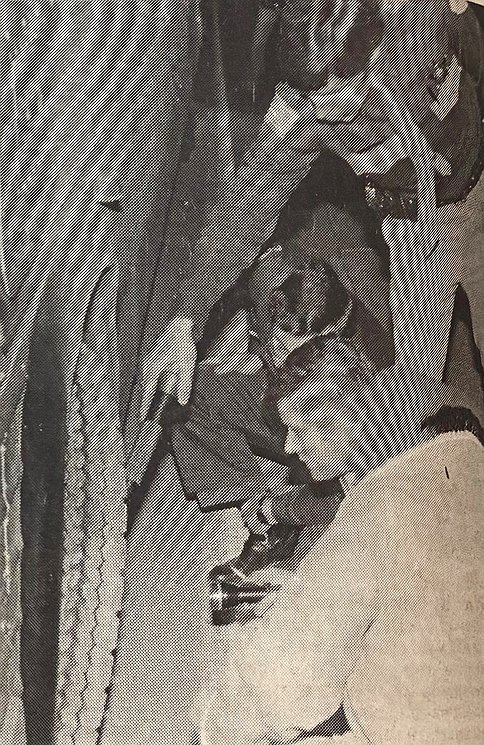 Law officers, from top, Walt Richards, Terry Turnbow and Bob Steele examine a shot-out bus tire in 1981.
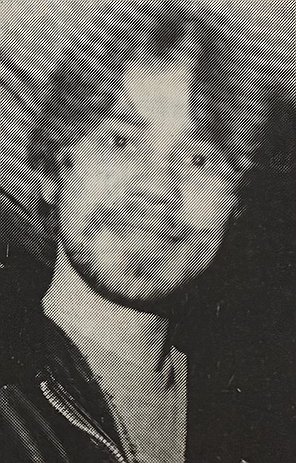 Passenger Mark Wittenauer helped save the day in 1981.
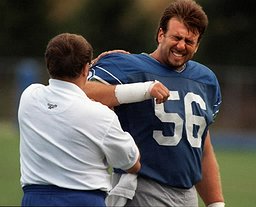 Seattle Seahawks center Joe Tofflemire grimaces as a trainer checks his shoulder in the early 1990s.
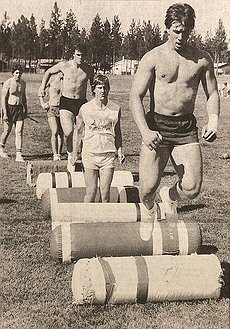 From right, Joe Tofflemire leads Post Falls High teammates Eric Tibesar and Rollin Putzier through 1983 preseason drills.
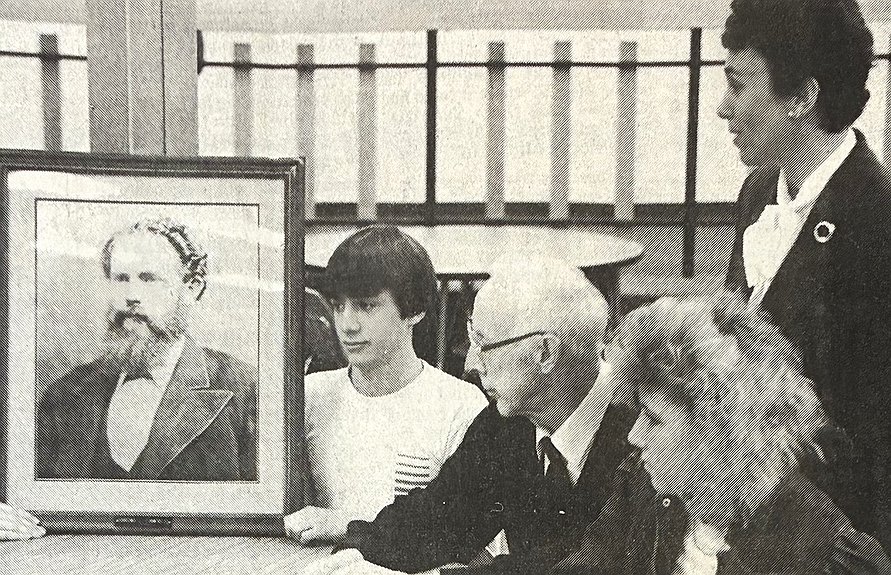 Admiring a photo of Oscar Canfield in 1986 are, from left, Mark Flinn, Marvin Shadduck, Tera Duncan and, standing, principal Judy Drake.
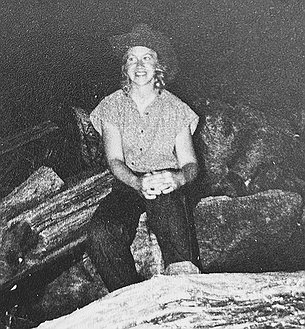 Before she disappeared in 1986, Sorensen School teacher Debbie Swanson attended an education rally in Boise.
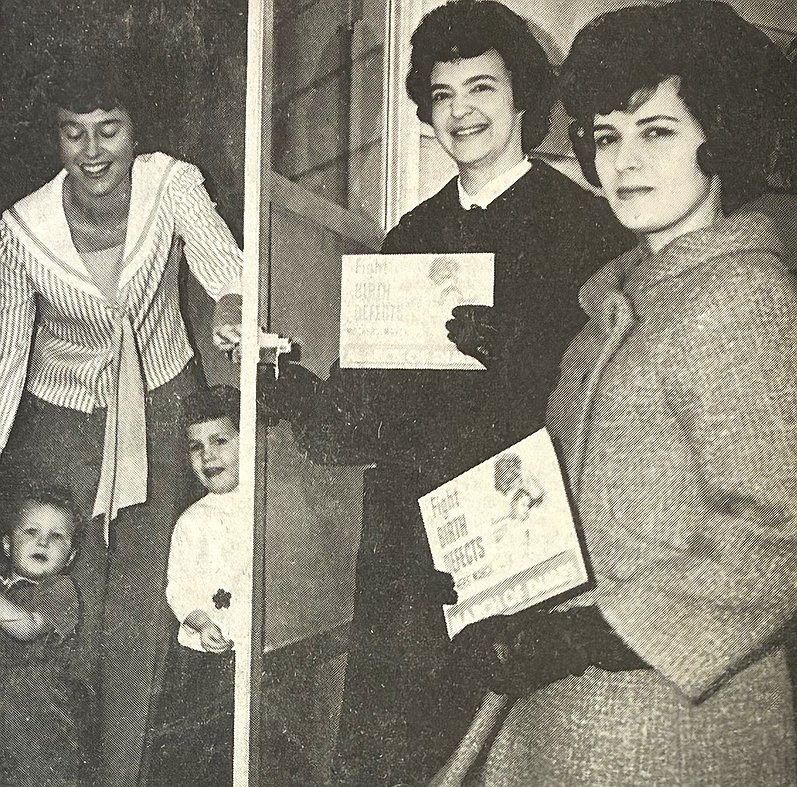 Chairwoman Nancy Edinger, far right, and Mrs. Harold Stanusch call on Mrs. John Runge and children Karen and Kristie, left photo, during the 1966 March of Dimes fundraiser.
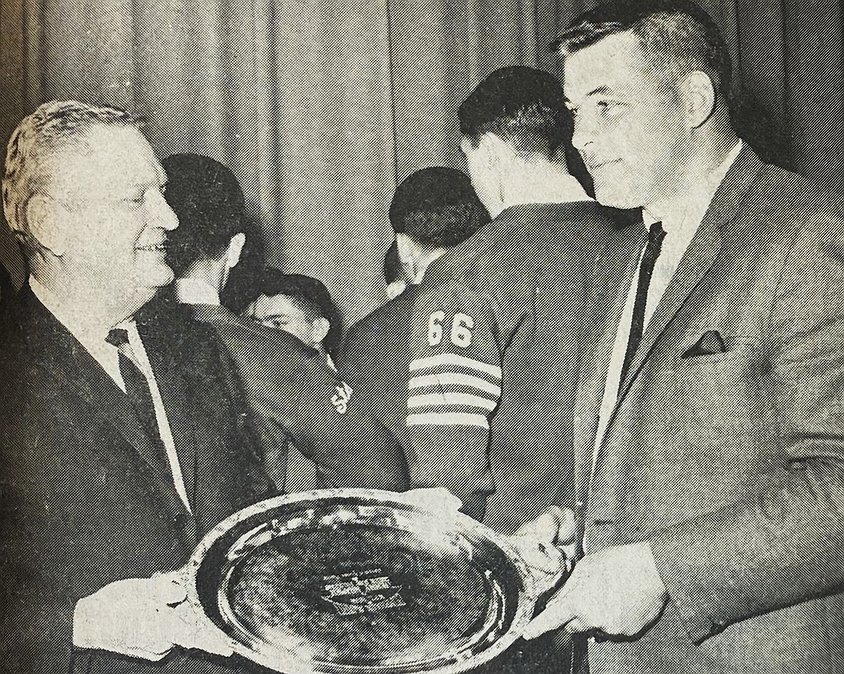 Hall of Famer Jerry Kramer of Green Bay, right, receives a Comeback Player Award from Cotton Barlow, his former Sandpoint High coach.
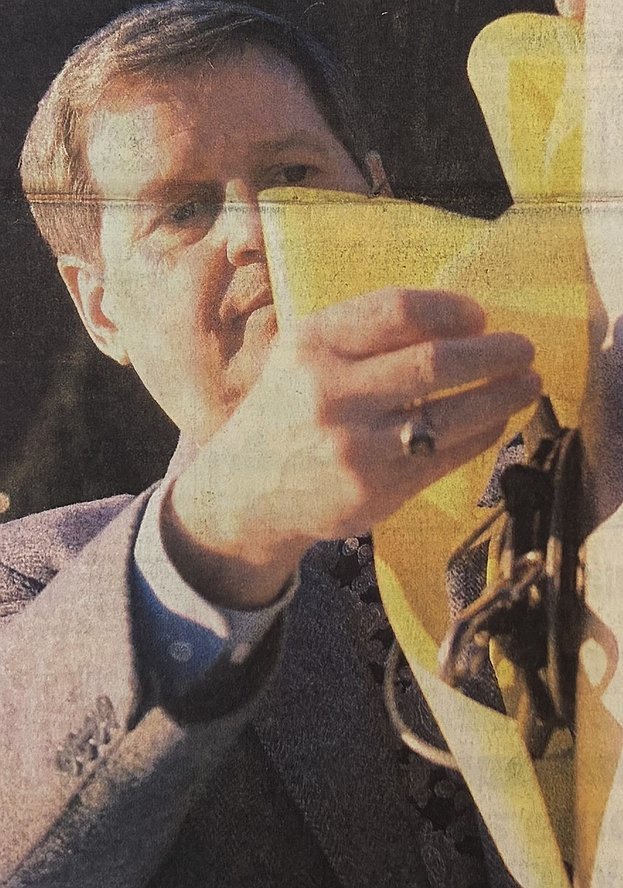 Superintendent Keith Tolzin ties a yellow ribbon around the flagpole at the Coeur d’Alene School District office in 1991.