
CONTRIBUTED CONTENT: Can you disinherit someone in Idaho?
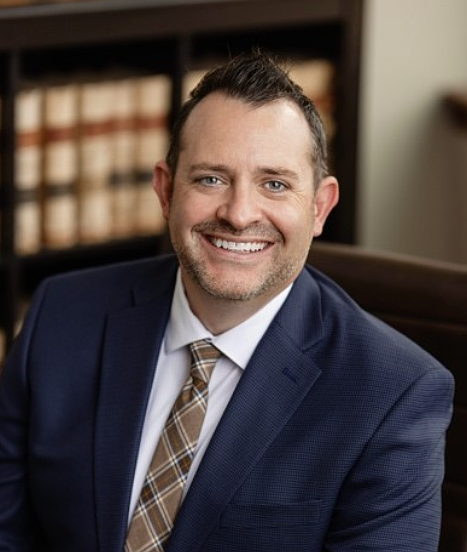
Robert J. Green
It is one of the more uncomfortable questions asked in my office, and it is almost always asked quietly: can I leave a child out entirely?
Usually, yes — but only if the plan is actually written to do it. Silence disinherits no one. Where a document is quiet, Idaho law fills the gap with assumptions about what you probably meant, and those assumptions rarely match the intent of someone who deliberately left a name off the page.
Adult Children: Yes, But Say So
Idaho gives adult children no automatic right to inherit. You may leave a child nothing at all. What you cannot do is simply fail to mention them.
Idaho Code § 15-2-302 protects “pretermitted” children — those born or adopted after the will was signed. An omitted child in that category takes the share they would have received had you died with no will at all, unless the will makes clear the omission was intentional or you provided for them by some transfer outside the will.
The statute exists for the parent who signed a will in 2009, had another child in 2014, and never updated anything — but it shows which way the law leans.
The fix is plain language. Name the person. State that the omission is deliberate. A clause reading “I have intentionally made no provision for my son, [Name]” is far harder to argue around than a document that never mentions him.
A Spouse Is a Different Matter
You cannot meaningfully disinherit a spouse in Idaho, and the reason is community property. Most property acquired during the marriage already belongs to both of you in equal halves. Your will controls your half. Whatever the document says, your spouse’s half was never yours to give away.
Several protections sit on top of that:
• Omitted spouse. If you marry after signing your will and never update it, § 15-2-301 gives your spouse the share they would have taken had you left no will.
• Homestead allowance. Fifty thousand dollars to the surviving spouse, with priority over nearly every claim against the estate.
• Exempt property. Another ten thousand dollars in household goods, vehicles, heirlooms, and personal effects.
These allowances are in addition to anything else the spouse receives. If separating your estate from a spouse is genuinely the goal — most often in a second marriage — that is the work of a carefully drafted marital property agreement or a prenuptial agreement signed with independent counsel, not a will. A Living Trust signed by both spouses also gives some avenues to keep a spouse from receiving assets they otherwise would have been entitled to, but only if signed by both spouses (and your attorney can explain other important caveats too).
No-Contest Clauses Do Less Than People Expect
A no-contest clause says a beneficiary who challenges the plan forfeits whatever they were left. Idaho enforces these, but § 15-3-905 makes such a clause unenforceable where probable cause existed for bringing the challenge. It deters the merely disappointed heir.
It does not stop one with a real claim of undue influence or diminished capacity.
It also has no grip on someone left with nothing. A person who inherits zero has nothing to forfeit and may have every reason to sue.
Two Practical Points
Do not argue your case in the document. Lengthy explanations of why someone was excluded invite a fight over whether the reasons were accurate, or whether they reflect a mind that was no longer thinking clearly. Short and firm holds up better than detailed and defensive.
Check what passes outside the will. Life insurance, retirement accounts, payable-ondeath accounts, and jointly titled property go to whoever is named on the form, and no clause in your will (or trust) changes that. Excluding someone in the will while leaving them as beneficiary of an IRA means they still get the IRA.
These decisions are rarely made lightly. They hold up best when the documents are unambiguous, current, and coordinated with everything that transfers outside them. This is an area where you need an experienced estate planning attorney to guide you.
My law firm is currently offering free telephonic, electronic, or in-person consultations concerning probating estates or creating estate planning documents.
• • •
Robert J. Green is an Elder Law, Trust, and Estate Planning Attorney and the owner of Kootenai Law Group, PLLC in Coeur d’Alene. If you have questions about estate planning, probates, wills, trusts, or powers of attorney, contact Kootenai Law at 208-765-6555, [email protected], or visit www.KootenaiLaw.com.
This has been presented as general information and not as legal advice. Do not engage in legal decision-making without the advice of a competent attorney after discussion of your specific circumstances.