
SEPT NIBJ: NAMI makes sure families are not alone
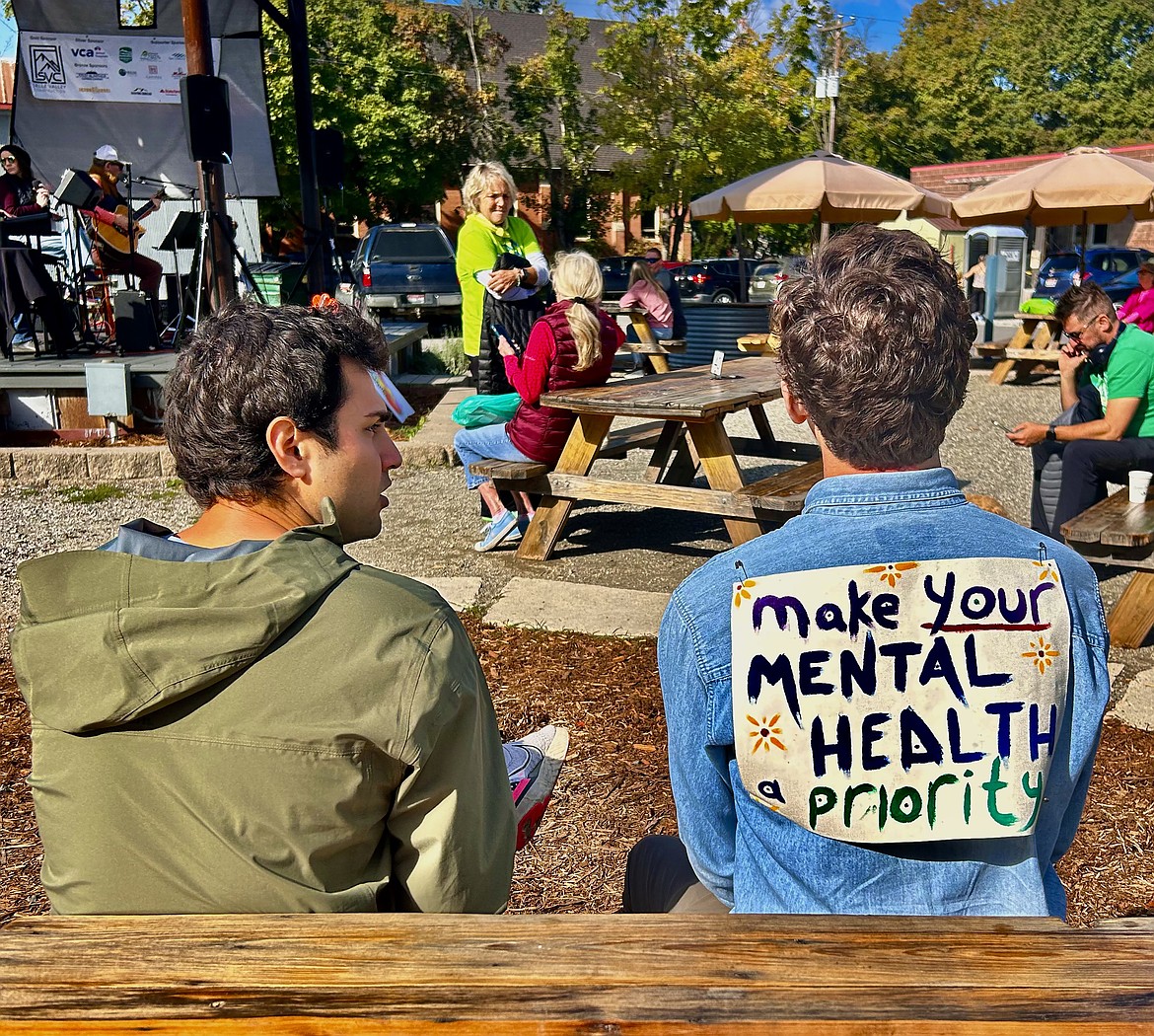
The call woke them from a dead sleep.
Their 19-year-old daughter was in Eugene, Oregon, in the middle of a psychotic episode. After a frightening series of events, she had landed in jail.
Her parents could barely make sense of what they were hearing. Their daughter- once busy with school, friends, and competitive soccer — was incoherent and unable to understand what was happening to her. Her parents later recognized that the pressures of competitive soccer had coincided with the beginning of a serious mental health crisis.
What followed was a years-long roller coaster of emergency rooms, hospitals, legal worries, confusion, sadness, grief, and bewilderment. Like any chronic illness, mental illness affects the entire family.
They had no clue what serious mental illness was or how to navigate the rocky road of mental health care. Their friends and family loved them, but most did not know how to help. As they quickly found out, mental illnesses are not “casserole illnesses.” They do not remember getting food!
“Mental illnesses are medical illnesses," Sandpoint psychologist Dr. Joe Wassif, said. "We cannot stress that enough. Remembering this helps remove stigma and makes it easier to talk openly, seek help, and support one another.”
Then they found NAMI.
The National Alliance on Mental Illness is the nation’s largest mental health organization, with more than 1,000 affiliates nationwide. Its mission is to support, educate, advocate, and create awareness for people living with mental illness and their families.
NAMI Far North has supported families in Bonner and Boundary counties since 2007.
“We are here to educate, listen, problem-solve, and share each other’s wisdom,” said Dr. Dawn Mehra, NAMI Far North board president for the past six years.
NAMI Far North offers free, in-person support groups for family members and people living with mental health conditions, as well as educational seminars and its signature 20-hour Family-to-Family class, offered twice each year.
Mental illness does not discriminate. It crosses economic, cultural, and geographic lines. Nationally, one in five people experiences a mental health condition each year, and about one in 20 lives with a serious mental illness that substantially affects daily life.
Bonner and Boundary counties together have roughly 68,000 residents. Using that national estimate, more than 3,500 of our neighbors are likely living with a serious mental health challenge. That is a lot of people- and many families may feel they are struggling alone.
If we talked about mental health challenges with the same openness we bring to cancer, diabetes, or a broken bone, more people might seek help sooner. As actress and mental health advocate Glenn Close has said, “The mentally ill frighten and embarrass us. And so we marginalize the people who most need our acceptance. What mental health needs is more sunlight, more candor, more unashamed conversation.”
In its strategic plan, NAMI Far North recognized that, while it was educating and supporting families, it was not reaching enough people living with mental health conditions. Too many were isolated and were not participating in traditional support groups. They identified a critical care gap for individuals who were fortunate enough to get treatment but unable to access psychosocial rehabilitation- physical therapy for the brain.
That is when NAMI Far North found the Clubhouse International model. Clubhouses are built on a simple but powerful belief: everyone has something to contribute, and recovery is strengthened by connection, purpose, and meaningful work.
In November 2024, NAMI Far North opened Sand Creek Connections, Idaho’s first Clubhouse International program. This non-clinical day program restores People (connection), Place (safety), and Purpose (meaningful work)- often lost with chronic illness.
“We are a launching pad for folks to get back to their lives,” program director Gabe Custodio said. “That means work, family, and community.”
The program began with its first members helping hire Custodio. Since then, Sand Creek Connections has grown to more than 80 members. Members help operate the Clubhouse, set personal goals, and build skills, confidence, relationships, and hope.
“We were hooked when we saw that Clubhouse International members experience fewer hospitalizations and less recidivism, while maintaining a 42% employment rate — double the national average for people living with chronic mental health challenges," NAMI Far North co-founder and seasoned therapist Catherine Perusse said. "We are data happy.”
Clubhouses also help reduce strain on providers and law enforcement while creating meaningful opportunities for members to return to work, family, and community life.
Most importantly, Sand Creek Connections is a place where people can walk in and know: I am not alone. I still have something to offer. My life can get bigger again.
If you or someone you love is struggling, contact NAMI Far North. You do not need a diagnosis or a crisis to begin the conversation. Find support-group information and a calendar of meetings and events at namifarnorth.org.
In an immediate mental health crisis, call or text 988 to reach the Suicide & Crisis Lifeline.
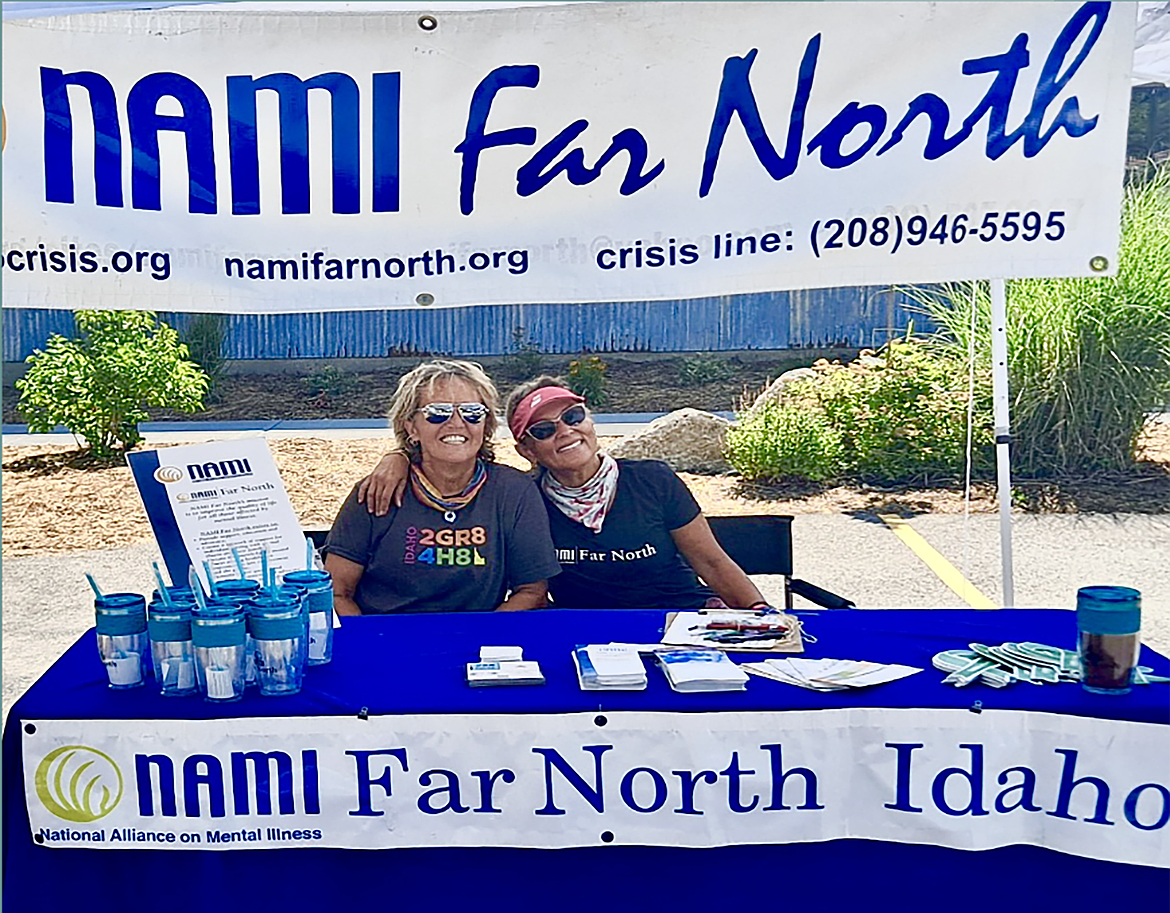
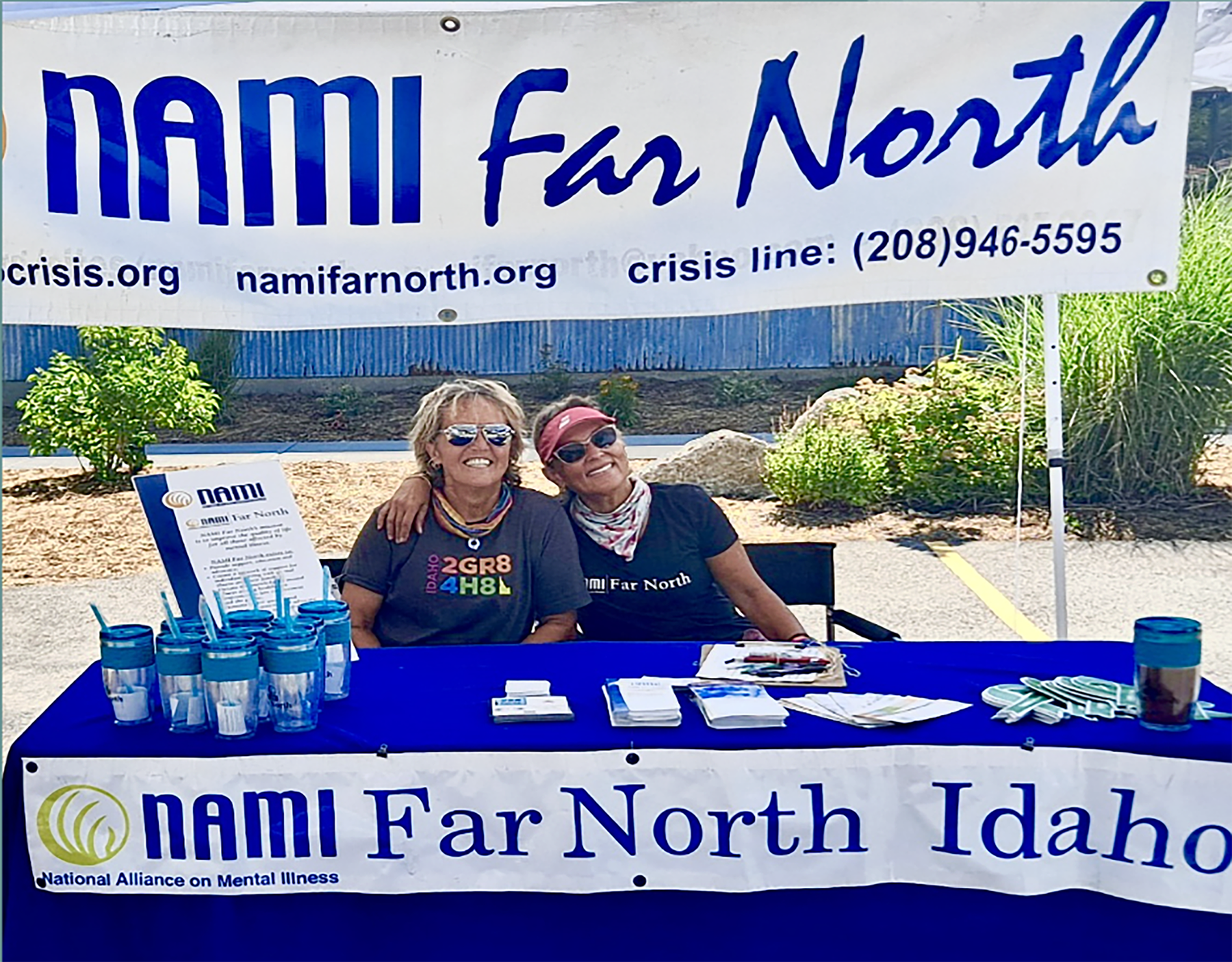 NAMI Far North officials staff a booth at a past NAMI Walk in Sandpoint.
Dr. Dawn Mehra, DVM, serves as the NAMI Far North board president.